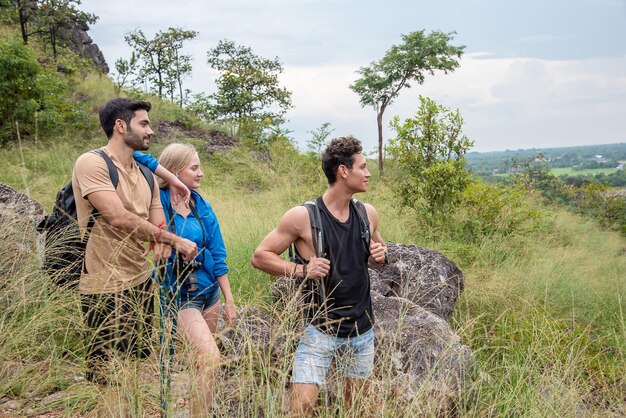
Small Group Adventure Tours: Eco‑Friendly Travel Packages and Authentic Cultural Experiences
Imagine waking up in a mountain village, sharing breakfast with a local family, then hiking with a small group along ancient paths while your guide explains the region’s traditions and ecosystems. No crowded buses, no rushed photo stops—just meaningful connections, low-impact exploration, and enough flexibility to actually enjoy the journey.
That combination of small group adventure tours, eco‑friendly travel packages, and immersive cultural experiences is exactly what many travelers are now seeking. This guide explores what those trips look like, how to choose one that fits your values and travel style, and what to expect before you go.
Why Small Group Adventure Tours Are So Popular
Small group adventure travel sits between fully independent backpacking and large coach tours. It usually involves groups of roughly 6–16 people traveling together through a destination with a professional guide.
Key benefits of small group adventure tours
1. More meaningful experiences
With fewer people, it’s easier to:
- Visit smaller, locally owned accommodations and restaurants
- Have real conversations with guides and residents
- Join hands‑on activities like cooking classes, artisan workshops, or farm visits
The atmosphere often feels more like a group of friends exploring together rather than a crowd being moved from sight to sight.
2. Greater flexibility and spontaneity
Smaller groups can:
- Take side trips or short walks without complex logistics
- Adjust timing when weather, wildlife, or local events present new opportunities
- Spend a bit longer in places the group finds especially interesting
While there’s usually an itinerary, it often allows for some optional activities or free time.
3. Lower environmental footprint per traveler
Small groups can:
- Travel in smaller vehicles that use less fuel than large buses
- Stay in family‑run guesthouses, eco‑lodges, or homestays
- Visit less crowded spots, spreading visitor impact more evenly
This doesn’t automatically mean the trip is sustainable, but it often makes lower‑impact choices more feasible.
4. Built‑in camaraderie
For many people, sharing new experiences with a small group:
- Reduces the stress of navigating unfamiliar environments alone
- Creates a sense of support on more challenging hikes or activities
- Leads to friendships that sometimes continue long after the trip
Solo travelers often find small group tours especially helpful as a way to feel safe and connected.
What Makes a Travel Package Eco‑Friendly?
Many trips are described as “eco‑friendly” or “sustainable,” but the actual practices behind those words can vary widely. Eco‑friendly travel packages generally aim to reduce negative environmental impact and increase positive social impact.
Core elements of eco‑friendly travel packages
1. Responsible transportation choices
Transportation is usually one of the biggest environmental considerations in travel. Eco‑oriented tours often:
- Use trains or buses where feasible instead of frequent short flights
- Choose fuel‑efficient vehicles and encourage shared transportation
- Plan routes that minimize unnecessary backtracking and extra driving
Some itineraries build in walking, cycling, or paddling segments to reduce motorized transport altogether for portions of the trip.
2. Thoughtful accommodation selection
Eco‑friendly packages often prioritize:
- Locally owned guesthouses, lodges, and homestays
- Properties that demonstrate water and energy saving practices
- Places that manage waste responsibly and avoid unnecessary single‑use plastics
Some eco‑lodges are designed to blend into the surrounding environment, using natural materials or renewable energy where possible.
3. Respectful wildlife and nature activities
Tours that emphasize responsible nature travel typically:
- Keep appropriate distances from wildlife
- Follow local rules in protected areas and national parks
- Avoid supporting activities that rely on feeding, touching, or stressing wild animals
- Stick to established trails to reduce erosion and habitat disruption
Guides often explain local conservation challenges and how visitor behavior can help.
4. Reduced waste and conscious consumption
Eco‑focused tours may:
- Encourage travelers to bring reusable water bottles and bags
- Provide filtered water stations instead of distributing many plastic bottles
- Choose restaurants that serve seasonal, locally sourced food where practical
- Avoid unnecessary printed materials when digital options work just as well
The idea is not perfection, but consistent small choices that add up.
5. Community‑centered partnerships
Some packages are built in collaboration with:
- Community‑run tourism cooperatives
- Local guiding associations
- Indigenous or minority groups managing their own tourism projects
This can help keep a greater share of tourism income within the communities that host travelers.
Cultural Experiences: Beyond the Checklist of Sights
Adventure tours with a cultural focus go deeper than monuments and museums. They create space for travelers to learn how people actually live, not just how they are represented in brochures.
Types of cultural experiences often included
1. Homestays and village visits
Staying with a local family or in a community‑run lodge can offer:
- Shared meals and informal conversations
- Views into local routines like farming, fishing, or market visits
- Exposure to everyday challenges and traditions
Some tours include one or two nights in simple homestays combined with more conventional hotels the rest of the time.
2. Food and cooking traditions
Food is often at the heart of cultural exchange. Trips may incorporate:
- Market tours with a guide explaining ingredients and local specialties
- Cooking demonstrations or classes
- Farm‑to‑table meals or dinners in local homes
These experiences often provide insight into regional history, climate, and trade connections.
3. Arts, crafts, and performance
Cultural immersion can also mean:
- Visiting artisans’ workshops and studios
- Watching traditional music, dance, or storytelling
- Trying a craft yourself (weaving, pottery, carving, or painting)
When responsibly arranged, these visits can help support the continuation of traditional skills.
4. Language and everyday life
Even a few phrases in the local language can change the tone of interactions. Guides sometimes:
- Teach basic greetings and polite expressions
- Explain local customs around greetings, gift‑giving, and dress
- Share background on history, politics, or religious practices
This context can help travelers avoid misunderstandings and approach encounters with more awareness.
Types of Small Group Adventure and Eco Tours
Small group, eco‑friendly, culturally immersive travel comes in many flavors. Here are some common formats and what they tend to involve.
1. Hiking and trekking adventures
These tours center on walking through rural or wilderness areas, often staying in small lodges or homestays.
Typical features:
- Multi‑day hikes with a local guide
- Simple accommodations, sometimes with shared facilities
- Luggage transfer or porters so you carry only a daypack on the trail
- Village visits, mountain communities, or indigenous territories along the way
Eco‑friendly elements might include strict trail etiquette, pack‑in/pack‑out waste practices, and support for local guiding cooperatives.
2. Cycling and multi‑sport journeys
Cycling tours (and mixed itineraries combining biking with hiking, kayaking, or rafting) can cover more ground than walking trips while still feeling close to the landscape.
They often involve:
- Daily rides between towns or regions
- Support vehicles carrying luggage and providing backup
- Stops at farms, wineries, or cultural sites
- Opportunities to meet local cyclists or join community rides
These tours may emphasize road safety, use of well‑maintained bicycles, and slower travel that reduces car use over segments of the route.
3. Wildlife and nature‑focused trips
These focus on national parks, reserves, and unique ecosystems.
Common elements:
- Guided walks with naturalists or rangers
- Boat trips or safaris with strict wildlife viewing guidelines
- Stays in eco‑lodges close to protected areas
- Discussions about conservation efforts and local environmental challenges
Responsible operators typically work within official park guidelines and collaborate with local conservation initiatives.
4. Cultural immersion and community‑based tours
Some itineraries emphasize culture over physical challenge.
They might include:
- Homestays or village‑run guesthouses
- Workshops on local crafts, cooking, or music
- Visits to cooperatives, social enterprises, and community projects
- City walking tours focusing on neighborhoods rather than only major landmarks
Eco‑friendly aspects can include support for community‑led tourism and low‑impact urban transportation (walking, public transit).
5. Family‑friendly small group adventures
These are designed so that adults and children can enjoy the trip together.
Typical features:
- Shorter activity durations and flexible pacing
- Kid‑friendly guides who explain nature and culture in engaging ways
- Larger family rooms or connected accommodations
- Activities like gentle hikes, easy bike rides, wildlife spotting, and interactive cultural experiences
Care is often taken to balance adventure with safety and to avoid overcrowded or overly commercialized attractions where possible.
How to Choose the Right Small Group Eco Adventure Tour
With many itineraries available, it helps to evaluate each one through a few key lenses: impact, experiences, comfort level, and group dynamics.
Check the itinerary for real cultural depth
Look for:
- Specific experiences mentioned (e.g., “village‑run hike,” “family‑hosted dinner,” “artisan cooperative visit”) rather than vague phrases like “cultural interaction.”
- Time spent in one place vs. constantly moving. Staying longer often allows for deeper connection.
- Free time that you can use to discover local markets, cafes, or smaller museums.
Trips that rush through many countries or cities in very few days may be less immersive and more focused on checking off highlights.
Assess the eco‑friendly claims
Some travelers look closely at how genuinely a company integrates sustainability. Points to consider:
- Do they clearly describe specific eco practices (transport, accommodations, waste, community partnerships), or only use generic green language?
- Are they transparent about limitations, acknowledging that travel has impact but outlining how they try to reduce it?
- Do they encourage responsible traveler behavior, such as packing reusable items and being mindful of water and energy use?
While it can be hard to verify every detail from afar, concrete examples are more meaningful indicators than labels alone.
Match activity level to your comfort
Pay attention to:
- Daily walking or cycling distances
- Elevation gains, altitude, and terrain
- Types of activities (kayaking, rafting, climbing, etc.) and how optional they are
- Vehicle travel time between locations on travel days
Choosing a level that feels comfortably challenging rather than overwhelming can make the experience much more enjoyable.
Consider group size and style
Group size influences the feel of the trip:
- Micro groups (4–8 travelers): more intimate, flexible, and personal; often suited to more remote or specialized trips.
- Small groups (around 10–16 travelers): still relatively personal but with more varied personalities and social opportunities.
Also consider the group’s typical demographic: some tours skew toward younger adults, others toward older travelers, couples, solo travelers, or families. Itineraries that mention “family” or “18–30s” often attract specific age ranges.
Compare what’s included in the package
Eco‑friendly and cultural tours may include:
- Most breakfasts and some dinners
- Entrance fees to parks and cultural sites
- Local guiding and specialized guides (naturalists, historians, etc.)
- Internal transportation (trains, private minibuses, boats)
Knowing what’s included helps estimate the true cost and understand how much independent exploration vs. structured activity to expect.
Packing and Preparation for Eco‑Friendly Small Group Adventures
Thoughtful preparation can make your journey smoother and more aligned with the low‑impact philosophy of the trip.
Essentials that support eco‑friendly travel
Consider bringing:
- Reusable water bottle (and sometimes a small filter or purification tablets if recommended)
- Reusable shopping bag for markets and groceries
- Lightweight food container and cutlery if you expect to buy street food or takeaway
- Quick‑dry towel and clothing that wash and dry easily, reducing the need for frequent hotel laundry
- Solar or rechargeable battery pack for devices, limiting the number of adapters and batteries you carry
These items help you minimize single‑use plastics and unnecessary waste.
Clothing and gear for small group adventures
Pack for:
- Layering: temperatures can shift between cities, mountains, and coastal regions
- Modesty where appropriate: some cultural sites or rural communities appreciate covered shoulders and knees
- Activity: lightweight hiking shoes, sandals suitable for walking, moisture‑wicking tops
If your itinerary includes homestays or village visits, comfortable clothes that align with local norms can help you feel at ease and respectful.
Mental preparation for cultural immersion
Travelers often find it helpful to approach cultural experiences with:
- Curiosity over judgment: recognizing that different is not better or worse, just different
- Patience: things like schedules, service speed, and communication styles may not match what you’re used to
- Openness to learning: asking questions respectfully, listening to stories, and accepting that you might not understand everything immediately
Homestays and village visits can sometimes feel outside your comfort zone at first, but many travelers later describe these as the most rewarding parts of the trip.
Responsible Behavior on Cultural and Eco Tours
Even the most thoughtfully designed tour relies on traveler behavior to truly be low‑impact and respectful.
Simple guidelines that make a big difference
Here’s a quick reference you can keep in mind:
| 🌍 Situation | ✅ Positive Approach | ⚠️ What to Avoid |
|---|---|---|
| Taking photos of people | Ask permission, accept “no” gracefully | Photographing without consent |
| Wildlife encounters | Observe quietly from a distance | Feeding, touching, or chasing animals |
| Visiting homes or villages | Follow host’s lead, remove shoes if others do | Walking into private areas uninvited |
| Buying souvenirs | Choose locally made items directly from artisans | Bargaining aggressively over small sums |
| Dressing in sacred sites | Cover shoulders and knees where customary | Wearing revealing or flashy clothing |
| Waste and litter | Pack out trash where bins are scarce | Leaving cigarette butts, wrappers, bottles |
| Water and energy use | Short showers, turning off lights and AC when leaving | Running water or AC unnecessarily |
Seemingly small actions can shape how communities perceive visitors and how welcome tourism feels over time.
Example Destinations and Experiences (Conceptual)
Rather than focusing on brands, consider the types of experiences that frequently appear in small group eco‑adventure itineraries around the world.
Mountain and highland journeys
Common in regions with strong trekking traditions, these may include:
- Multi‑day hikes between mountain villages
- Stays in basic lodges or homestays with shared meals
- Exposure to pastoral or farming lifestyles
- Insights into how climate and geography influence culture and livelihood
Travelers often come away with a clearer sense of how communities adapt to steep terrain, limited infrastructure, and seasonal changes.
Rainforest and jungle explorations
In tropical areas, small group eco tours might feature:
- Guided walks focusing on plant and animal life
- River travel by boat or canoe
- Community‑managed reserves where local residents act as guides and hosts
- Discussions around deforestation, traditional medicine, and sustainable resource use
Such trips can highlight the connections between biodiversity, local knowledge, and global environmental issues.
Desert and steppe adventures
Desert itineraries often combine nature and culture:
- Camel or 4x4 journeys across dunes or plateaus
- Nights in tented camps or simple desert lodges
- Visits with nomadic or semi‑nomadic communities
- Stargazing and storytelling under clear night skies
They can offer perspective on water scarcity, migration, and long‑distance trade histories.
Coastal and island experiences
Along coastlines and on islands, eco‑oriented tours may include:
- Snorkeling, kayaking, or gentle sailing with an emphasis on marine conservation
- Visits to fishing villages and small family‑owned guesthouses
- Information about coral reefs, mangroves, or coastal erosion
- Activities aligned with local regulations to protect marine life
These trips often spotlight the balance between tourism, fishing, and environmental preservation.
Quick Planner: Key Takeaways for Choosing and Enjoying Your Trip
Use this concise checklist as you research and prepare for small group eco‑friendly adventures:
🧭 Before you book
- ✅ Clarify your priorities: adventure level, cultural immersion, comfort, and budget.
- ✅ Read the full itinerary: look for specific eco practices and concrete cultural experiences.
- ✅ Check group size and style: consider typical age range, activity level, and social vibe.
- ✅ Review what’s included: transport, meals, entrance fees, and optional activities.
- ✅ Assess the pace: ensure the trip doesn’t squeeze too many destinations into too few days.
🎒 Before you go
- ✅ Pack reusables: water bottle, bag, and basic utensils to cut down on waste.
- ✅ Choose appropriate clothing: layers, modest options, and comfortable walking shoes.
- ✅ Learn a few phrases: greetings and thank‑yous in the local language.
- ✅ Prepare for differences: expect varied food, schedules, and comfort levels.
🌱 During the trip
- ✅ Respect local customs: follow your guide’s cues on dress, greetings, and etiquette.
- ✅ Be mindful of resources: use water and energy sparingly.
- ✅ Ask before photographing: especially people, homes, and ceremonies.
- ✅ Support local businesses: purchase directly from artisans, markets, and small eateries.
- ✅ Stay curious and patient: embrace unexpected moments—they’re often the most memorable.
Why These Trips Can Be So Transformative
When small group adventure tours integrate eco‑friendly practices and genuine cultural exchange, travel often becomes more than a vacation. It turns into:
- A learning experience, offering perspective on how other people live and how environments shape cultures.
- A personal challenge, stretching your comfort zone through new activities or remote settings.
- A chance to contribute, even in modest ways, to communities and conservation efforts that welcome visitors thoughtfully.
No trip is impact‑free, and responsible travel does not claim to “fix” complex global issues. Yet many travelers find that carefully designed, small‑scale adventures—where environmental awareness and cultural respect are central—create experiences that feel both enriching and more aligned with their values.
By choosing small group adventure tours that emphasize eco‑friendly travel packages and authentic cultural experiences, you step into a style of travel that prioritizes connection over consumption, depth over speed, and respect over spectacle.