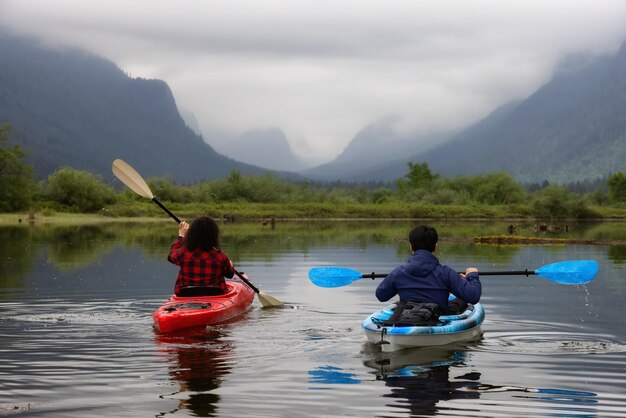
Planning the Ultimate Alaska Wildlife and Outdoor Adventure Vacation
If dramatic mountains, calving glaciers, and the chance to see bears, whales, and the northern lights in a single trip excite you, an Alaska wildlife and outdoor adventure vacation can feel like the journey of a lifetime. Because Alaska is huge, remote, and often weather-dependent, a bit of thoughtful planning goes a long way toward turning that dream into an unforgettable, smooth-running experience.
This guide walks through how to plan a trip focused on wildlife, hiking, and outdoor exploration—from when to go and where, to what you might see, how to get around, and what to pack.
Choosing the Best Time to Visit Alaska for Wildlife and Adventure
Alaska is a land of seasons, and each one offers very different experiences. The “perfect” time depends on the animals, activities, and atmosphere you’re hoping for.
Late Spring to Early Fall: Prime Adventure Season
For most travelers interested in hiking, boating, and wildlife viewing, the core season runs from late May through early September.
Here’s how those months typically compare:
| Time of Year | What It’s Like | Wildlife & Activities Highlights |
|---|---|---|
| Late May–June | Long days, cooler temps, snow lingering at higher elevations | Great for early-season wildlife, waterfalls, and fewer crowds in some areas |
| July–mid-August | Warmest, busiest, most services operating | Peak hiking, many wildlife tours, reliable access to national parks |
| Late August–Sept | Cooler, fewer visitors, fall colors, shorter days | Potential aurora viewing, berry-filled tundra, some tours scaling back |
Winter and Shoulder Seasons
If your dream trip includes northern lights, dog sledding, or winter landscapes, late fall through early spring might be appealing. However, many wildlife cruises and backcountry hiking options are limited or unavailable, and conditions can be challenging.
For a wildlife and outdoor adventure vacation with maximum variety, many visitors focus on June–August, with late May and early September appealing to those who prefer cooler temperatures and fewer crowds.
Deciding What Kind of Alaska Adventure You Want
Alaska is far too large to “do it all” in a single trip, so clarifying your focus early helps guide everything else.
Common Adventure Themes
Consider which of these themes matters most:
- Wildlife-focused: Bears, whales, moose, eagles, sea otters, puffins, caribou
- Hiking and backpacking: Day hikes or multi-day treks in mountain and coastal landscapes
- Glaciers and fjords: Tidewater glaciers, icebergs, and dramatic coastlines
- Water-based adventure: Kayaking, rafting, or small-boat tours
- Photography-oriented: Golden-hour scenery, wildlife shots, wide-open vistas
- Cultural and local experiences: Indigenous heritage centers, local markets, small towns
You can certainly combine several, but choosing one or two top priorities helps you decide:
- Which regions to visit
- How many locations to include
- Whether to rent a car, rely on tours, or mix both
Trip Length and Pace
Alaska trips vary widely, but many travelers find that:
- 7–10 days allows a focused itinerary in one or two regions
- 10–14 days supports a more in-depth trip with 3–4 bases
- Shorter trips (4–6 days) tend to work best when based around one hub, such as Anchorage or Juneau, with day trips and one overnight outing
A slower pace usually means more flexibility for weather, more spontaneous stops, and better wildlife opportunities, because you’re not always rushing from one place to the next.
Top Regions for Alaska Wildlife and Outdoor Adventures
Where you go shapes what you see. The list below covers some of the most popular regions for wildlife and outdoor activities, along with what each is best known for.
Southcentral Alaska: Anchorage, Kenai Peninsula & Beyond
Anchorage is a major gateway with road, rail, and air connections. The Kenai Peninsula to the south offers coastal towns, fjords, and easy access to wildlife tours.
Highlights:
- Anchorage area
- Coastal trail biking or walking
- Nearby wildlife viewing at accessible areas along the Seward Highway
- Easy road or rail connections to other regions
- Seward
- Gateway to Kenai Fjords National Park
- Boat tours for whales, puffins, sea lions, and glaciers
- Day hikes to glacier viewpoints and coastal vistas
- Homer
- Kayaking and boating opportunities
- Access to bear-viewing flights in season
- Stunning coastal scenery and artistic, laid-back town atmosphere
This region works well for first-time visitors because it’s relatively easy to reach, has a lot of tour options, and offers a mix of mountains, coastline, and wildlife in a compact area.
Interior & Denali National Park
The Interior offers tundra landscapes, big mountain views, and chances to see large land mammals.
Denali National Park is especially known for:
- Wildlife: moose, caribou, Dall sheep, wolves, and bears may be seen along the park road
- Scenery: sweeping river valleys, tundra, and, on clear days, views of Denali’s massive peak
- Activities: ranger talks, hiking off maintained trails, scenic bus rides, and photography
Because private vehicles are restricted on much of the park road, shuttle or tour buses are the main way to get deep into the park, making planning and reservations important.
Southeast Alaska & the Inside Passage
For many visitors arriving by cruise ship, Southeast Alaska is the first taste of the state.
Key hubs include:
- Juneau: glacier access, whale-watching, hiking, and tramways to alpine views
- Sitka & Ketchikan: rich cultural history, temperate rainforests, fishing, and wildlife tours
- Glacier Bay National Park: dramatic tidewater glaciers and marine wildlife (often visited by ship or small-boat tours)
Southeast Alaska is ideal if you love ocean-based adventures, rainforest hikes, and marine wildlife. Many experiences here focus on boat trips, kayaking, and short hikes, rather than long road journeys.
Remote & Off-the-Beaten-Path: Arctic, Katmai, Lake Clark & More
For travelers who want something wilder and are prepared for more logistics and cost, Alaska’s remote regions can feel like another world.
- Katmai & Lake Clark National Parks: Famous for brown bear viewing, especially around salmon streams, accessed primarily by boat or small plane
- Brooks Range & Arctic regions: Vast tundra, migrating caribou, and opportunities for very remote trekking
- Prince William Sound & Wrangell–St. Elias area: Glacier kayaking, ice climbing, and flightseeing over vast icefields
These destinations often require advance planning, flexible schedules, and a comfort level with remote conditions, but can be exceptionally rewarding for focused wildlife or backcountry trips.
Building Your Alaska Wildlife Adventure Itinerary
Once you’ve chosen your general regions and time frame, you can start shaping a day-by-day plan. A clear itinerary helps you balance wildlife, activities, rest days, and travel time.
Step 1: Set Your Bases
Pick 2–4 main “home bases” depending on your trip length. For instance:
- 7–9 days:
- Anchorage → Seward → Denali
- 10–14 days:
- Anchorage → Seward → Homer → Denali
- Juneau → Glacier Bay → Sitka (for a Southeast-focused trip)
Staying at least 2–3 nights per base lets you settle in, adjust plans around weather, and actually enjoy each place.
Step 2: Plan Key Wildlife and Adventure Activities
Within each base, choose a few anchor experiences that match your priorities. Examples:
- Kenai Peninsula
- Full-day wildlife and glacier boat tour in Kenai Fjords
- Half-day or full-day guided sea kayaking
- Scenic hikes to glacier lookouts
- Denali
- Park shuttle or bus deep into Denali National Park
- Ranger-led walks or hikes, when available
- Scenic flightseeing around Denali (weather permitting)
- Juneau
- Whale-watching excursion
- Glacier visit with short hikes or icefield views
- Tram ride to alpine trails
Booking key excursions in advance often provides more choice in departure times and trip styles, especially in mid-summer.
Step 3: Leave Space for Flexibility
Alaska’s weather is famously changeable, and wildlife is never guaranteed. A few simple strategies help:
- Build in “buffer days” where you don’t schedule major activities
- Avoid stacking multiple non-refundable major activities back-to-back
- Have backup ideas for rainy or low-visibility days (museums, cultural centers, local restaurants, short local walks)
This flexibility often makes the difference between a stressful, over-packed trip and a relaxed adventure with room for serendipity.
Getting Around: Transportation Choices in Alaska
Distance, time, and budget all come into play when choosing how to move around Alaska.
Rental Car or RV
For many independent travelers, renting a car or RV offers maximum flexibility.
Pros:
- Freedom to stop for viewpoints, short hikes, and wildlife sightings
- Easier access to trailheads and smaller towns
- Flexible timing for photography and spontaneous plans
Considerations:
- Some roads have limited services; fuel stops may be far apart
- Gravel or remote roads may require special permission or vehicles
- Parking and maneuvering can be more complex with larger RVs
Trains, Buses, and Shuttles
Alaska offers scenic rail routes and bus services, especially between major destinations like Anchorage, Denali, and Seward.
Rail and bus travel can:
- Reduce the stress of driving long distances
- Provide commentary and scenic viewpoints
- Be paired with day tours that include local transport
This option works well for travelers who prefer not to drive or who want to combine rail journeys with guided day trips.
Small Planes and Boats
Because vast areas of Alaska lack road access, small airplanes and boats are an everyday part of transportation in some regions.
They are often used to reach:
- Remote lodges
- Bear-viewing areas
- Glacier Bay and similar destinations
- Remote coastal or island communities
Weather sometimes disrupts these routes, so flexible scheduling and backup plans can be important.
What Wildlife You Might See (And Where)
Wildlife encounters are rarely guaranteed, but certain patterns can help set expectations for an Alaska wildlife vacation.
Land Mammals
Commonly sought species include:
- Moose: Often seen near wetlands, along roadways at dawn or dusk, or in forested areas
- Caribou: More likely in tundra or Interior/Arctic regions
- Brown and black bears: Found in many forested and coastal regions; viewing is often best with dedicated bear-viewing flights or guided trips during salmon seasons
- Dall sheep and mountain goats: Seen on steep, rocky slopes along some highways and in mountainous parks
For safety and respect, travelers often follow local guidance on safe distances and behavior around wildlife, and many find that guided tours increase both safety and sighting chances.
Marine Wildlife
Coastal and fjord regions are excellent for:
- Whales (humpback and sometimes orca)
- Sea lions and seals
- Sea otters
- Porpoises and dolphins
- Puffins and other seabirds
Boat tours and kayak excursions often focus on specific areas where marine wildlife is frequently seen, while still emphasizing that sightings vary with conditions and animal behavior.
Birdlife
Bird enthusiasts find Alaska impressive, especially in migration seasons. Species of interest include:
- Bald eagles and other raptors
- Seabird colonies (puffins, murres, guillemots) on cliffs and islands
- Shorebirds in wetlands and estuaries
Binoculars can be especially helpful here, and many travelers find they significantly enhance wildlife viewing in general.
Essential Gear and Packing for an Alaska Adventure
Weather in Alaska can shift rapidly from sunny and warm to cool, windy, and wet. Thoughtful packing helps you stay comfortable and enjoy your time outdoors.
Clothing: Layers Are Key
A layered clothing system lets you adjust to changing conditions:
- Base layer: Moisture-wicking top and bottoms (synthetic or wool)
- Mid layer: Warm fleece or light insulated jacket
- Outer layer: Waterproof, windproof jacket (and pants, if you expect heavy rain or boat spray)
- Extras:
- Warm hat and lightweight gloves, even in summer
- Comfortable hiking pants
- A few pairs of warm, moisture-wicking socks
Shoes or boots with good traction and water resistance are useful on trails and wet boat decks.
Gear for the Outdoors
Depending on your planned activities, consider:
- Daypack (for extra layers, snacks, water, and camera gear)
- Reusable water bottle or hydration system
- Binoculars to spot distant wildlife
- Camera or smartphone with protective case
- Small dry bag for important items on boats or in wet weather
- Trekking poles (optional but helpful on some trails)
For camping or backpacking, gear choices usually depend on season, location, and local regulations, and travelers often invest time in researching appropriate shelter, food storage, and safety equipment.
Sun, Bugs, and Comfort
Even on cool days, sun exposure can be strong, especially near water, snow, or glaciers. Many travelers find:
- A brimmed hat and sunglasses
- Sunscreen for face and hands
to be useful.
In some areas and times of year, insects can be active, so long sleeves, long pants, and other measures are often used for comfort and protection.
Safety, Etiquette, and Responsible Travel
Alaska’s wild landscapes and wildlife are a major part of its appeal. Many visitors choose to approach their trip with a focus on safety and environmental respect.
Wildlife Safety and Respect
General practices often recommended in Alaska’s wild areas include:
- Observing animals from a safe distance, using binoculars or zoom lenses rather than approaching
- Never feeding wildlife or leaving food unattended
- Storing food securely where required
- Staying calm and giving animals plenty of space if they appear startled or change behavior
Many travelers choose to learn about bear awareness and safety practices before hiking or camping, and some prefer to join guided hikes in bear country.
Trail and Backcountry Etiquette
On trails and in natural areas, commonly followed guidelines include:
- Staying on established trails where requested to avoid erosion and vegetation damage
- Yielding appropriately on narrow trails (for example, stepping aside for uphill hikers or horses)
- Packing out all trash, including small items
- Respecting quiet areas, wildlife nesting sites, and cultural or historical locations
In more remote regions, travelers often follow Leave No Trace principles, adjusting to specific local guidance when provided by land managers or guides.
Weather and Emergency Preparedness
Alaska’s weather, terrain, and remoteness require extra attention to preparedness:
- Checking local weather forecasts and road or trail conditions
- Letting someone know your general plans and expected return times for longer hikes or outings
- Carrying basic safety items such as extra layers, extra food and water, navigation tools, and a headlamp, even on moderately short hikes
For those heading into remote backcountry areas, some travelers choose to bring communication or location devices appropriate to the region.
Practical Planning Tips and Budget Considerations
Every Alaska trip is unique, but some planning patterns are common among travelers organizing a wildlife and adventure-focused vacation.
Booking Windows and Reservations
Because Alaska’s peak season is relatively short:
- Flights, car rentals, and popular tours often fill early for mid-summer
- Some national park accommodations or remote lodges require significant advance booking
- Rail, ferry, and shuttle services may have limited daily capacity
Travelers who like a structured trip often start booking several months ahead, while more spontaneous travelers may aim for shoulder seasons or more flexible itineraries.
Matching Your Trip to Your Budget
Alaska can range from moderate to expensive depending on your choices. To work within a budget, some visitors consider:
- Focusing on fewer bases to reduce transport and logistics costs
- Combining self-guided hiking and scenic drives with a few high-impact, carefully chosen tours
- Considering shoulder season travel for some price relief, where available
- Choosing simple lodging or vacation rentals with kitchen access to reduce meal costs
On the other hand, remote lodges, extensive flightseeing, and private charters can increase costs but also access very special experiences. Many travelers mix one or two “splurge” experiences with more modest daily options.
Quick-Glance Planning Checklist 🧭
Here’s a compact overview you can use as a planning companion:
🗓️ Choose your season
- June–August for peak hiking, wildlife tours, and access
- Late May or early September for fewer visitors and cooler days
📍 Pick 2–4 base locations
- Examples: Anchorage, Seward, Denali, Homer, Juneau, Glacier Bay
🐻 Clarify top priorities
- Bears, whales, hiking, glaciers, glacier kayaking, photography, or culture
🚗 Decide on transport
- Rental car or RV for flexibility
- Trains and shuttles for relaxed scenic travel
- Boats and small planes for remote or coastal locations
🎟️ Reserve key experiences
- Wildlife cruises and whale-watching
- Bear-viewing trips (seasonal)
- Denali buses and popular day tours
- Remote lodges and in-park accommodations
🎒 Pack smart
- Layered clothing system
- Waterproof outerwear
- Good footwear, warm hat and gloves
- Binoculars and daypack
🧭 Stay safe and respectful
- Learn basic bear and wildlife safety
- Follow local trail and park guidance
- Carry basic essentials even on shorter hikes
Bringing It All Together
Planning an Alaska wildlife and outdoor adventure vacation is as much about thoughtful choices as it is about wide-open possibilities. By aligning your trip with the right season, focusing on a few well-chosen regions, and balancing guided experiences with time to explore on your own, you give yourself the best chance to see Alaska’s wildlife and landscapes at their most memorable.
With layered clothing in your bag, a flexible itinerary in your pocket, and a mindset attuned to both safety and respect for wild places, you’ll be ready to step into a world of towering peaks, restless oceans, and animals living on their own terms. The details you plan now create the space later for those unscripted moments—an unexpected whale breach, a quiet trail under midnight sun, or a distant bear moving across a riverbank—that turn a good trip into a story you’ll tell for years.