How to Book an Agriturismo Stay in Italy: Your Complete Guide to Farmhouses, Vineyards, and Rural Escapes
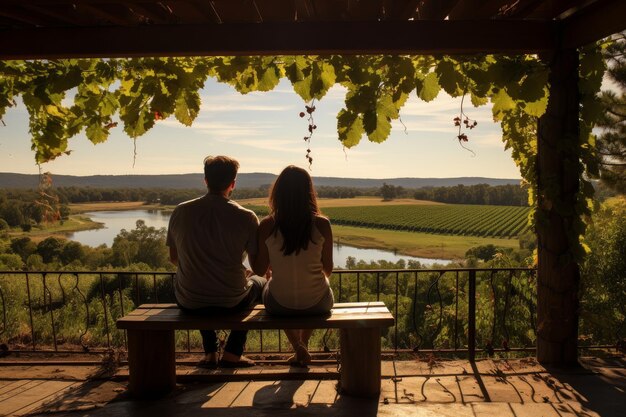
Imagine waking up to the sound of roosters instead of traffic, opening your window to rows of vineyards or olive groves, and eating breakfast made from ingredients grown a few meters from your room. That’s the essence of agriturismo in Italy: staying on a working farm or vineyard and experiencing rural life up close.
Agriturismi (plural of agriturismo) can be rustic or refined, simple or luxurious, but they all offer a slower, more grounded way to experience Italy. This guide walks you through what agriturismo is, how to choose the right property, how booking works, what to expect during your stay, and practical tips for making the most of rural travel in Italy.
What Is an Agriturismo, Really?
Many travelers see the term “agriturismo” listed alongside hotels and B&Bs and assume it’s just marketing language for “country house.” In Italy, it means something more specific.
The Basics of Agriturismo
An agriturismo is typically:
- A working farm, vineyard, or rural estate that offers guest accommodation.
- Required (under Italian regulations) to maintain agricultural activity as a primary purpose.
- Often family-run, with hosts living on-site or nearby.
These properties are not simply rural hotels. Their identity is tied to the land: wine, olive oil, cheese, grains, vegetables, livestock, or a combination of different activities.
Many agriturismi also offer:
- Home-cooked meals using farm or local products.
- Wine or olive oil tastings.
- Cooking classes, farm tours, or seasonal activities like grape or olive harvest participation.
Why Choose an Agriturismo Over a Hotel?
Travelers often gravitate toward agriturismi for:
- Authentic local food: Menus change with the seasons and are often based on family recipes.
- Connection with locals: You often interact directly with the owners or farmers.
- Peace and nature: Quiet landscapes far from city crowds.
- Unique character: Historic farmhouses, stone barns, vineyard estates, or converted mills instead of standardized rooms.
Agriturismi are typically located in rural or semi-rural areas, making them ideal bases for exploring countryside, small villages, and regional food and wine routes.
Types of Agriturismo Stays: From Rustic to Refined
Agriturismi vary widely. Knowing the main types helps you choose a stay that matches your style and expectations.
1. Farm Stays (Traditional Agriturismo)
These focus strongly on agricultural life.
Typical features:
- Simple, comfortable rooms or apartments.
- Daily work on-site: crops, animals, or both.
- Home-style meals served in a farmhouse dining room.
- Opportunities to see or join farm activities, especially for children.
Best for: Travelers who want a down-to-earth rural experience, families with kids, and anyone who enjoys being close to animals and fields.
2. Vineyard & Wine Estate Stays
These agriturismi center on wine production and are found in regions such as Tuscany, Piedmont, Veneto, Umbria, Sicily, and others.
You may find:
- Rooms or suites overlooking vineyards.
- On-site wine tastings and cellar visits.
- Pairing dinners featuring estate wines.
- Emphasis on landscape and relaxation.
Best for: Wine lovers, couples, and groups of friends planning to explore regional wine routes.
3. Country House & Boutique Agriturismo
Some agriturismi have evolved into stylish country retreats while maintaining their agricultural side.
Common characteristics:
- Carefully restored farmhouses or villas.
- Thoughtful interior design; sometimes a boutique-hotel feel.
- Pools, landscaped gardens, and curated experiences (yoga, truffle hunting, etc.).
- More privacy and a quieter, refined atmosphere.
Best for: Travelers seeking comfort and character, honeymooners, and those combining sightseeing with relaxation.
4. Self-Catering Agriturismo Apartments
Many properties offer independent apartments instead of or alongside rooms.
Typical elements:
- Kitchen or kitchenette.
- Outdoor spaces like patios or shared gardens.
- Flexible schedules (you can cook whenever you want).
- Often ideal for longer stays.
Best for: Families, groups, and travelers who prefer to cook some meals or stay in one place for several days.
Choosing the Right Region in Italy for an Agriturismo Stay
Italy’s countryside is incredibly diverse. Your experience will vary depending on the region.
Northern Italy
- Tuscany: Perhaps the most famous region for agriturismo. Rolling hills, vineyards, olive groves, and medieval towns. Ideal for wine (Chianti, Brunello areas), art cities (Florence, Siena), and scenic drives.
- Piedmont: Known for prestigious wines such as Barolo and Barbaresco, hazelnut groves, and truffle areas. Often slightly quieter than Tuscany, with a strong food and wine culture.
- Veneto: Vineyards around Valpolicella and Prosecco hills, as well as agriturismi near Lake Garda and the Dolomites. A good choice if you want countryside plus access to cities like Verona or Venice.
Central Italy
- Umbria: Green hills, olive groves, and stone hill towns. Often described as more understated and less crowded than some parts of Tuscany, with a very strong local food tradition.
- Le Marche: Vineyards and rolling hills that descend toward the Adriatic Sea. Rural, scenic, and varied, with both mountains and coastline.
- Lazio (beyond Rome): Lakes, vineyards, and lesser-known villages; agriturismi here can be good bases for visiting Rome while staying in the countryside.
Southern Italy & Islands
- Puglia: Known for olive groves, whitewashed villages, and Adriatic and Ionian coastlines. Many masserie (fortified farmhouses) operate as agriturismi with a strong emphasis on local cuisine.
- Campania (inland): More rural areas offer cheese producers, vineyards, and olive oil farms, with some agriturismi positioned as a contrast to coastal crowds.
- Sicily & Sardinia: Offer agriturismi surrounded by citrus groves, vineyards, pastures, and coastline. Often strong on traditional recipes and regional specialties.
➡️ Tip: When selecting a region, think about what you want nearby:
- Wine areas?
- Medieval villages?
- Mountain hiking?
- Beaches?
- Easy access to a particular city?
Match your itinerary goals with the region’s strengths.
How to Search for and Compare Agriturismi
There are several ways to find agriturismo stays, and combining methods often works best.
Where to Look
- Major booking platforms: Many agriturismi list rooms and apartments there. Filters like “farm stay,” “country house,” or “rural” can help.
- Dedicated agriturismo platforms: Some websites specialize in Italian agriturismi and let you filter by region, type of farm, activities, or board (breakfast only, half board, etc.).
- Regional tourism portals: Many Italian regions maintain websites highlighting agriturismi and rural stays.
- Word of mouth and reviews: Comments from previous guests often clarify what photos and descriptions do not.
Key Factors to Compare
When narrowing your options, focus on:
Location & Access
- Distance to the nearest village or town.
- Access roads: Are they unpaved or steep?
- Proximity to sights you plan to visit.
Type of Accommodation
- Rooms vs apartments.
- Private vs shared spaces.
- Maximum occupancy.
Food Options
- Breakfast only?
- Dinner available some or all nights?
- Set menu vs à la carte, and dietary flexibility.
Farm Activities
- Are activities offered regularly, or only at certain times?
- Are they included or paid separately?
- Are children welcome to participate?
Amenities
- Pool, air conditioning, heating, Wi‑Fi, parking, laundry access.
- Accessibility considerations if mobility is a concern.
Atmosphere
- Quiet retreat vs social and family-oriented.
- Rustic and simple vs polished and design-focused.
Understanding Room Types, Meal Plans, and Pricing
Agriturismi often use terms that differ from urban hotels. A bit of vocabulary helps decode what’s on offer.
Common Room and Stay Types
- Camera (room): Private bedroom, often with private bathroom. Sometimes in a larger farmhouse with other guest rooms.
- Appartamento (apartment): Unit with bedroom(s), a living area, and kitchen or kitchenette. Suitable for longer stays or families.
- Suite or Junior Suite: Larger, more comfortable rooms sometimes with a seating area or special view.
You may also see “camere con vista vigneto” (rooms with vineyard view) or similar descriptions highlighting the outlook or location.
Meal Options You Might See
- B&B or “pernottamento e prima colazione”: Overnight stay with breakfast.
- Mezza pensione (half board): Breakfast plus one main meal, usually dinner.
- Pensione completa (full board): Breakfast, lunch, and dinner, less common but available at some rural stays.
- Self-catering only: No meals, you use the kitchen in your apartment and local shops or restaurants nearby.
Many agriturismi also offer:
- Farm dinners on select nights (for example, weekends or peak periods).
- Tasting menus featuring products from the farm.
- Cooking classes that include a meal as part of the experience.
What Influences Pricing
Rates generally depend on:
- Season: High season often centers around summer and local festivals; shoulder seasons can be more affordable.
- Location: Well-known wine regions and areas near famous towns often cost more.
- Level of comfort: Basic rural rooms vs recently renovated boutique-style accommodations.
- Meal inclusion: Half board usually costs more than breakfast only, but often represents good value when food quality is high.
- Length of stay: Some properties offer better value for multi-night stays or weekly apartment rentals.
Because rates and policies vary, many travelers find it useful to compare a few properties side by side rather than relying on a single listing.
How to Book an Agriturismo in Practice
Once you’ve found some promising options, the booking process is usually straightforward but may differ slightly from typical hotel reservations.
Step 1: Decide Your Travel Window and Flexibility
Before sending inquiries or booking:
- Identify approximate dates and whether they’re flexible by a day or two.
- Decide how many nights you want to spend in the countryside.
- Estimate your group size and room needs (e.g., one double room, two doubles, or apartment for four).
Some agriturismi have minimum stays in peak seasons, especially for apartments (for example, three nights or one week).
Step 2: Check Availability and Conditions
On booking platforms or property websites, look at:
- Availability for your dates.
- Check-in and check-out times.
- Cancellation policies (flexible vs non-refundable).
- Deposit requirements: Some agriturismi request a small deposit to confirm.
If information is incomplete, many hosts respond to questions by email or phone and are accustomed to guests clarifying details.
Step 3: Communicate with the Host
Even if you use a booking platform, sending a short message to the property can be helpful, especially for:
- Clarifying bed types (double vs twin).
- Confirming meal availability during your stay.
- Asking about dietary needs (vegetarian, gluten-free, etc.).
- Checking whether late arrival is possible if you expect to reach them in the evening.
Writing in simple English is usually fine; many hosts in popular regions are familiar with international guests. Keeping your message concise and clear typically leads to smoother communication.
Step 4: Confirm Your Booking
Bookings are typically confirmed by:
- Instant confirmation on booking platforms.
- Email confirmation from the property if booked directly.
- Sometimes a deposit via card or bank transfer, especially for longer stays or peak season.
Storing the confirmation details, property address, and contact phone number offline is useful since mobile coverage in rural areas can sometimes be inconsistent.
What to Expect During an Agriturismo Stay
Knowing what agriturismo stays are like day to day helps set realistic expectations.
Arrival and Check-In
Agriturismi are usually located off main roads, sometimes along narrow lanes or gravel tracks. It can be helpful to:
- Download offline maps.
- Note any directions the host provides (landmarks, gate codes, etc.).
- Arrive during daylight when possible, especially on your first visit.
Check-in may feel more relaxed than at a city hotel. You might be greeted by a family member, shown to your room or apartment, and given a short orientation.
Rooms and Facilities
Rooms are often:
- Individually decorated, sometimes in traditional styles.
- Equipped with basic amenities; some offer extras such as tea kettles, mini-fridges, or small welcome baskets.
Facilities you might encounter:
- Shared or private outdoor areas: courtyards, terraces, gardens.
- Swimming pool: common in warmer regions and mid-range to upscale agriturismi.
- Common lounge areas: sometimes with books, local guides, or games.
Wi‑Fi may be available but can be less consistent than in urban hotels due to rural infrastructure.
The Food Experience
Food is a highlight of many agriturismo stays.
You can often expect:
- Breakfast featuring bread, jams, cakes, yogurt, fruit, sometimes cheeses and cured meats, and local specialties.
- Dinner served family-style or as courses, often with a fixed daily menu based on what’s fresh and seasonal.
- Local or house wine and olive oil.
Meals may be served in:
- A common dining room
- Outdoor tables in good weather
- Occasionally, in more informal settings such as a converted barn or under a pergola
Because many properties keep menus flexible, it can help to let the host know in advance about any allergies or dietary restrictions.
Activities and Experiences
Agriturismi frequently offer:
- Farm tours to understand how wine, oil, cheese, or produce is made.
- Hands-on workshops (for example, making pasta, learning about olive oil tasting).
- Seasonal events like harvest participation or truffle hunts in certain areas.
- Outdoor activities such as hiking, biking, or horseback riding nearby.
Some activities may be informal and arranged on the spot, while others require advance notice.
Practical Tips for Planning Rural Travel in Italy
Agriturismo stays often require slightly different logistics than city breaks.
Getting Around: Car vs Public Transport
Many agriturismi are most conveniently reached by car. This allows:
- Flexible arrival times.
- Easy access to nearby villages, markets, and viewpoints.
- Freedom to explore countryside roads and lesser-known sites.
In some regions, public transport can get you to nearby towns, followed by a taxi to the property, but this may be less convenient, especially for short stays or families.
If you prefer not to drive:
- Look for agriturismi closer to towns, with clear descriptions of how to arrive by train or bus.
- Confirm taxi availability or transfer options with the property.
When to Go: Seasons and Weather
Each season offers a different type of experience:
- Spring (roughly April–June): Mild weather, blooming landscapes, fewer crowds than high summer in many areas.
- Summer (roughly July–August): Warm or hot, especially in central and southern Italy; pool access can be very welcome.
- Autumn (roughly September–October): Harvest time in wine and olive regions, often considered an especially scenic and food-rich period.
- Winter: Quieter, some agriturismi may close or operate with limited services, but those that remain open can provide a very peaceful retreat and opportunities to experience seasonal dishes and local traditions.
Checking typical daytime temperatures and daylight hours for your chosen region helps shape realistic plans.
What to Pack for an Agriturismo Stay
Useful items include:
- Comfortable walking shoes for farm paths and village streets.
- Layered clothing to adjust to variable temperatures (mornings and evenings can be cooler).
- Swimwear if the property has a pool or you expect to visit lakes or the sea.
- Sun protection (hat, sunglasses, sunscreen) for vineyard or field walks.
- Insect repellent in warmer months, especially if you plan to spend evenings outdoors.
Some agriturismi provide slippers or robes, while others do not, so checking descriptions or asking ahead is helpful if this matters to you.
Quick-Glance Summary: Key Agriturismo Tips 🌿
Planning an agriturismo stay? Keep these essentials in mind:
🧭 Choose your region first
Think about nearby cities, wine areas, or nature you want to experience, then search agriturismi in that broader area.��� Consider transport early
Rural stays are often easiest with a rental car. If not driving, confirm public transport and taxi options ahead of time.🍽️ Check meal options carefully
Confirm whether breakfast and dinner are available, on which days, and whether dietary needs can be accommodated.🛏️ Match comfort level to your expectations
Decide whether you prefer basic, rustic charm or more polished, boutique-style stays, and read descriptions with that in mind.📆 Pay attention to seasons
Spring and autumn often balance pleasant weather with fewer visitors; harvest periods can add special experiences.🧺 Ask about activities
If you’re interested in farm tours, tastings, or cooking classes, check availability and whether they require pre-booking.📞 Communicate with the host
A short message to clarify arrival time, access, and any special needs usually leads to a smoother stay.
Matching Agriturismo Types to Traveler Profiles
The table below offers a simple way to align your preferences with the right kind of agriturismo.
| Traveler Type | Best-Fit Agriturismo Style | What to Look For |
|---|---|---|
| Wine-focused traveler 🍷 | Vineyard or wine estate | Cellar tours, tastings, vineyard views, proximity to wine routes |
| Family with children 👨👩👧👦 | Traditional farm stay | Animals on-site, open spaces, family rooms or apartments |
| Romantic getaway 💕 | Boutique country house or vineyard stay | Scenic views, private rooms, optional dinners, quiet atmosphere |
| Food enthusiast 🍝 | Agriturismo with on-site restaurant | Seasonal menus, cooking classes, local product tastings |
| Budget-conscious traveler 💶 | Simple farm stay or self-catering apt | Basic rooms, shared spaces, kitchen access, fewer extra services |
| Nature & hiking lover 🥾 | Rural agriturismo near parks or trails | Proximity to trails, outdoor spaces, simple comfortable lodging |
This overview can help you filter listings more efficiently and focus on the stays most likely to fit your expectations.
Making the Most of Rural Italian Hospitality
Beyond logistics and room types, the most memorable element of agriturismo stays is often the human connection and sense of place.
A few ways to make the most of it:
- Engage with your hosts: Many owners enjoy sharing stories about the land, local traditions, and the rhythm of farm work.
- Try local specialties: Whether it’s a particular cheese, olive oil, wine, or dessert, agriturismi often highlight what their area does best.
- Explore nearby villages: Even small towns often have historic churches, local markets, or viewpoints worth visiting.
- Leave some unplanned time: Part of the charm of rural travel lies in lingering over meals, watching sunsets over fields, or simply noticing daily farm life.
Agriturismo is not only about where you sleep; it’s about immersing yourself in Italy’s rural landscapes and traditions in a way that standard hotels rarely allow.
By understanding how to choose, book, and navigate an agriturismo stay, you can shape an experience that aligns with your travel style—whether that means long, leisurely dinners in a vineyard courtyard, early-morning walks among olive trees, or children feeding animals while you sip coffee under a pergola.
With thoughtful planning and clear expectations, an agriturismo stay can become the part of your Italian journey that feels the most grounded, personal, and unforgettable.