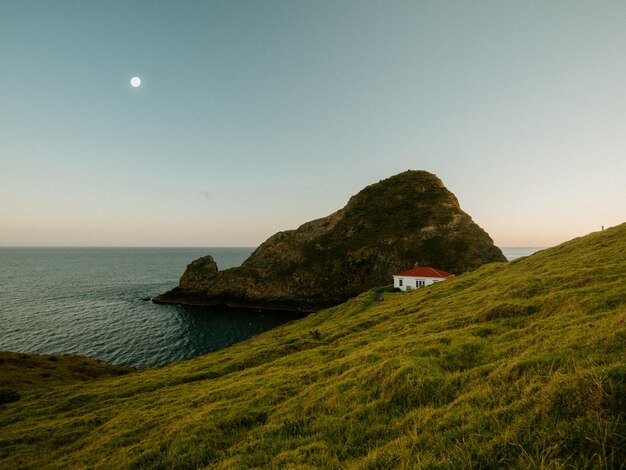
Planning a Self‑Catering Holiday Cottage on Cape Clear Island, Ireland: A Complete Guide
Standing on Cape Clear Island with the Atlantic stretching out in every direction feels a bit like reaching the edge of the world—only with cozy cottages, turf fires, and the sound of Irish and birdsong in the air. If you’re considering booking a self‑catering holiday cottage on Cape Clear Island, you’re already halfway to a memorable trip.
This guide walks you through everything from choosing the right cottage to booking ferries, understanding local services, and packing smart for island life. By the end, you’ll know exactly what to expect and how to organize your stay with confidence.
Why Choose a Self‑Catering Cottage on Cape Clear Island?
Cape Clear (Oileán Chléire) is a small, Irish‑speaking island off the coast of West Cork. Self‑catering cottages are a popular choice here, and for good reason.
Key reasons travelers choose self‑catering cottages on Cape Clear:
- Freedom and flexibility – Set your own schedule for meals, activities, and quiet time.
- Immersive experience – Stay in a local-style home rather than a standard hotel room.
- Space and privacy – Ideal for couples, families, and small groups.
- Cost control over meals – Cook for yourself instead of eating out for every breakfast, lunch, and dinner.
- Atmosphere – Many cottages have sea views, cozy living rooms, and traditional touches.
For an island that values community and nature, self‑catering fits naturally: you get to live like a local, even if only for a week.
Step 1: Decide When to Visit Cape Clear Island
Your travel dates will determine cottage availability, prices, and what the island feels like while you’re there.
Seasonal Overview
Summer (roughly June–August)
- Longer days, milder weather, livelier atmosphere.
- Ferries are typically more frequent.
- Cottages can book up well in advance, especially during school holidays.
Shoulder seasons (spring and autumn)
- Quieter and often more relaxed.
- Good for walking, birdwatching, and photography.
- Some services may run reduced hours compared to high season.
Winter months
- Very peaceful and atmospheric.
- Limited visitors, and some tourism services may be reduced or closed.
- Weather and ferry schedules can be more affected by storms and sea conditions.
Practical Tips for Choosing Dates
- Check ferry timetables first – Before committing to a cottage, look at likely ferry options for arrival and departure days.
- Consider your priorities –
- Birdwatchers often prefer spring and autumn.
- Families may favor high summer.
- Those seeking quiet may enjoy early spring or late autumn.
- Plan ahead for peak times – If you want specific dates in summer, looking early tends to give you more choice.
Step 2: Understand What “Self‑Catering” Really Means
“Self‑catering” on a small island works a bit differently from self‑catering in a big city or resort.
Typical Inclusions in a Self‑Catering Cottage
Every property is different, but many will provide:
- Kitchen facilities – Stove/oven, fridge, kettle, basic utensils, pots and pans.
- Living area – Seating, table, maybe books or board games.
- Bedrooms – Beds with duvets and pillows; bed linen may or may not be included in the booking price.
- Bathroom – Toilet, shower and/or bath, basic fixtures.
- Heating – Electric heaters, storage heaters, or a stove/fireplace (fuel arrangements vary).
- Basic cleaning equipment – Brush, mop, sometimes a vacuum.
Some cottages also offer:
- Outdoor seating or a small garden
- Sea views
- Wi‑Fi (though speeds and reliability can vary)
- TV or radio
What You’re Usually Expected to Arrange Yourself
- Food and groceries
- Personal toiletries (shampoo, shower gel, etc.)
- Specialty kitchen items (e.g., specific baking tools, blender)
- Extra towels or beach towels if you prefer more than the basics
Because Cape Clear is small and remote, it’s helpful to confirm in advance what is provided so you can plan accordingly.
Step 3: Choose the Right Area and Cottage Type on the Island
Cape Clear Island is compact, but location still matters, especially regarding walking distances and terrain.
Main Areas to Consider
Near the ferry pier
- Good if you want easy access to ferries and less walking with luggage.
- Often convenient for the main cluster of services.
Village or central areas
- Handy for local shop(s), pub(s), café(s), and community spaces.
- A balance between quiet and convenience.
More remote or elevated spots
- Often offer wide sea views and a stronger sense of seclusion.
- May involve steeper walks and longer distances to shops or the pier.
Types of Cottages
Traditional stone cottages
- Characterful, with thick walls and a classic island feel.
- Some may be renovated with modern comforts; others more rustic.
Modern holiday homes
- Often larger, sometimes with open‑plan living spaces.
- May have better insulation, modern bathrooms, and more consistent heating.
Compact apartments or annexes
- Good for solo travelers or couples.
- Often attached to or near a family home.
When browsing listing descriptions, look carefully at:
- Number and type of beds
- Accessibility (steps, hills, narrow lanes)
- Heating and hot water arrangements
- Distance from ferry and main amenities
Step 4: Where and How to Search for Self‑Catering Cottages
Without naming specific platforms, here are general ways people find cottages on Cape Clear:
- Holiday rental websites with filters for “entire place” and “self‑catering.”
- Specialist Irish or regional booking agencies that list cottages in West Cork and the islands.
- Local tourism or island information channels that sometimes list holiday homes and contact details.
- Direct word‑of‑mouth or returning visits, where previous guests book the same cottage again through the owner.
What to Look For in Listings
When you search, focus on clarity and detail:
- Clear photos of every main room and the exterior.
- Accurate description of size, beds, and layout.
- Transparent pricing – nightly or weekly rates, plus any extra fees.
- House rules – check‑in/check‑out times, pets, smoking, maximum occupancy.
- Transport information – how to get from the ferry to the cottage.
If a listing leaves out something important (e.g., whether Wi‑Fi is available, or how steep the hill is), consider contacting the host to ask.
Step 5: Key Questions to Ask Before You Book
A short message to a potential host can prevent misunderstandings and help you choose a cottage that genuinely fits your needs.
Essential Questions
Availability and minimum stay
- “Is there a minimum number of nights?”
- “Are my preferred dates flexible if needed?”
Facilities and inclusions
- “Is bed linen and are towels included in the price?”
- “Is Wi‑Fi available, and how reliable is it usually?”
- “Is there a washing machine, or access to laundry facilities?”
Heating and utilities
- “How is the cottage heated?”
- “Is electricity or heating charged separately or included in the rental?”
Arrival and departure
- “What is the best ferry to take to match check‑in time?”
- “How do guests usually get from the pier to the cottage?”
Shops and supplies
- “What is the closest shop, and what kind of groceries does it stock?”
- “Do you recommend bringing any particular supplies from the mainland?”
Special circumstances
- “Is the cottage suitable for young children or people who find steep hills difficult?”
- “Are pets allowed?”
📝 Pro tip: Keep your questions in one clear message so hosts can respond efficiently and you have everything in writing to refer to later.
Step 6: Understanding Costs and Payment Arrangements
Prices will vary depending on season, size, and standard of the cottage. While exact numbers differ, most self‑catering stays on Cape Clear follow similar patterns.
Common Cost Elements
- Base rental price – per night or per week.
- Cleaning fee – sometimes folded into the price, sometimes separate.
- Utilities – electricity, heating, or fuel may be:
- Included in the base price, or
- Metered and paid separately, often in cash on departure.
- Booking deposit – often requested to secure dates.
- Balance payment – typically due before arrival or on arrival.
Payment Methods
Depending on how you book, payment might be via:
- Card through an online platform
- Bank transfer
- Cash on arrival or departure for some elements (e.g., electricity, fuel)
Before confirming, always check:
- When and how you’re expected to pay the deposit and final balance.
- What happens if you have to cancel or change dates.
Step 7: Getting to Cape Clear Island
Booking the cottage is only part of the planning. Because Cape Clear is an island, ferry arrangements are central to your trip.
Step‑by‑Step Transport Overview
Travel to the mainland departure point in West Cork
Common options include driving or taking public transport to the coastal town(s) that serve routes to Cape Clear.Book or plan your ferry crossing
Several ferry services connect the mainland to Cape Clear. Timetables can vary by season, weather, and day of the week.Coordinate ferry with your cottage check‑in
- Ask your host about ideal arrival times.
- If your ferry arrives early, confirm if you can drop bags at the cottage or nearby.
Transport of luggage on the island
- Some cottages are an easy walk from the pier; others may be uphill or farther away.
- Ask your host whether they recommend a lift, prearranged transport, or simply walking if you’re comfortable doing so.
Weather Considerations
Ferry schedules can be affected by sea and weather conditions, particularly outside of high summer. While full cancellations are not constant, they are possible, so it can be helpful to:
- Avoid overly tight schedules with onward flights or trains.
- Keep a flexible attitude and a small buffer in your plans where possible.
Step 8: Food, Shopping, and Eating on a Self‑Catering Island Stay
A self‑catering holiday on a small island requires a bit more forward planning for groceries than a trip to a big city.
What to Expect from Local Shops
Cape Clear has limited but valuable local services, which may include:
- A small shop or grocery outlet with:
- Everyday basics (bread, milk, butter, eggs, some tinned goods, snacks, drinks)
- A changing selection of fresh produce and chilled items
- Occasional seasonal or mobile services
Choice is usually more limited than on the mainland, and stock may vary, especially in quieter months.
What Many Visitors Bring from the Mainland
Many travelers choose to bring:
- Staple dry goods – pasta, rice, cereals, tea, coffee, sugar.
- Specialty dietary items – gluten‑free products, plant‑based alternatives, baby food, or specific ingredients.
- Favorite snacks – especially for children or specific preferences.
- Cooking essentials – chosen spices or sauces you like to use.
Before shopping on the mainland, it helps to plan basic meals for your stay, including quick, simple options for days when you’ve been out walking and want to cook with minimal effort.
Eating Out While Self‑Catering
Part of the charm of Cape Clear is combining:
- Home‑cooked meals in your cottage kitchen, and
- Occasional meals or drinks out at available cafés or pubs.
Availability and opening hours can depend on season and day of the week, so it can help to:
- Ask your host what’s usually open during your dates.
- Be prepared with easy backup meals at the cottage.
Step 9: What to Pack for a Self‑Catering Cottage on Cape Clear
Packing thoughtfully helps you enjoy both the cottage and the island, regardless of the weather.
Essentials for Island and Cottage Life
- Layers of clothing – for variable weather: t‑shirts, jumpers, a warm layer.
- Waterproof jacket and comfortable walking shoes – for exploring trails and coastal paths.
- Indoor comfort items – slippers or thick socks, comfortable loungewear.
- Basic toiletry kit – including any particular brands or products you prefer.
- Reusable shopping bags – useful for groceries and eco‑friendly.
Useful Extras for Self‑Catering
- Favourite cooking ingredients – herbs, spices, coffee, tea.
- Snack stash – especially for families or walkers.
- Entertainment – books, a deck of cards, board games, downloaded films or series.
- Power bank – in case you’re out for long walks using your phone for photos or navigation.
If the cottage listing is unclear, you could also ask if you should bring:
- Extra towels or beach towels
- A travel cot or child‑specific items
- Any specialty cookware
Step 10: What to Expect When You Arrive and During Your Stay
Knowing the rhythm of arrival and departure can make your trip feel smoother from the moment you step onto the pier.
Arrival
Meet‑and‑greet or self check‑in
- Some hosts greet you at the pier or cottage.
- Others provide detailed self check‑in instructions and may be available by phone.
House walkthrough
You may receive a quick explanation of:- Heating and hot water controls
- Rubbish and recycling arrangements
- Any quirks of the property (e.g., how to lock doors, use the stove)
Local orientation
Hosts often share pointers on:- Nearest shop
- Walking routes and viewpoints
- Recommended local services
During Your Stay
Respect for the island environment
Cape Clear is known for its natural beauty and wildlife, so:- Dispose of rubbish responsibly.
- Stick to marked paths where requested.
- Be mindful of noise, especially at night.
Energy use
On islands, electricity and heating can carry different costs and considerations than on the mainland. Using these thoughtfully benefits everyone.Communication and connectivity
Mobile phone coverage and internet speeds can be variable. Many visitors see this as part of the charm, but it’s useful to anticipate.
Step 11: Check‑Out, Cleaning, and Leaving the Cottage
Different cottages have different expectations, but many follow a similar pattern.
Typical Check‑Out Arrangements
Time – A set check‑out time (often morning or late morning) to allow cleaning before the next guest.
Basic tidy‑up – Guests are often expected to:
- Wash and put away dishes.
- Remove food from the fridge.
- Take rubbish to a designated area.
- Leave furniture as found.
Key return – As agreed with the host (in person, key box, or designated spot).
Final Payments or Meter Readings
If utilities are charged separately, you might:
- Take a reading from an electricity meter with the host.
- Pay outstanding amounts (such as fuel or electricity) in cash or as agreed in advance.
🧹 Quick exit checklist before you close the door:
- ⭐ All dishes washed and put away
- ⭐ Rubbish disposed of as instructed
- ⭐ Lights and heating turned off where appropriate
- ⭐ Personal items checked in all rooms
- ⭐ Keys returned as agreed
Snapshot: Key Steps to Booking a Self‑Catering Cottage on Cape Clear 🏡
| Step | What to Do | Why It Matters |
|---|---|---|
| 1️⃣ Choose your dates | Decide on season and length of stay | Affects availability, atmosphere, and ferry options |
| 2️⃣ Research cottages | Use rental sites and local listings | Find size, style, and location that suit you |
| 3️⃣ Ask key questions | Clarify facilities, heating, Wi‑Fi, access | Avoid surprises and mismatched expectations |
| 4️⃣ Confirm costs | Understand base price and any extras | Helps you budget accurately |
| 5️⃣ Book ferries | Align ferry times with check‑in/check‑out | Ensures a smooth arrival and departure |
| 6️⃣ Plan groceries | Decide what to bring vs. buy on the island | Keeps self‑catering simple and stress‑free |
| 7️⃣ Pack smart | Include layers, waterproofs, and comforts | Lets you enjoy both indoors and outdoors in any weather |
| 8️⃣ Respect local rhythm | Follow island guidelines and cottage rules | Supports the community and environment |
Making the Most of Your Time on Cape Clear
Once your cottage is booked and logistics are in place, you can focus on how you’ll spend your days. While details change over time, many visitors enjoy:
- Coastal walks and island trails – with views of the Atlantic, cliffs, and nearby islands.
- Wildlife and birdwatching – Cape Clear is known for seabirds and seasonal visitors.
- Cultural experiences – hearing Irish spoken, learning about the island’s history, and exploring heritage sites.
- Boating or sea‑based activities – depending on season and available services.
- Simple cottage pleasures – reading by the window, watching changing light on the sea, cooking local ingredients.
Combining outdoor exploration with slow, relaxed time in your cottage is often what makes a self‑catering stay on Cape Clear feel so special.
Bringing It All Together
Booking a self‑catering holiday cottage on Cape Clear Island is less about ticking boxes and more about designing the kind of island stay that suits you:
- You decide when to travel,
- What type of cottage and location you prefer,
- How you balance home‑cooked meals with eating out, and
- How much time you spend wandering the island versus relaxing indoors.
By taking a little time to clarify facilities, understand ferry options, and plan your supplies, you set yourself up for a stay that feels relaxed rather than rushed.
Cape Clear rewards that bit of preparation with something many travelers look for but don’t always find easily: space to slow down, sea air in your lungs, and the feeling that you’ve stepped into a different rhythm of life—just for a while.