How to Book a Private Fishing Lake: Your Complete Guide to Carp Fishing Trips, Guides, and Weekend Getaways
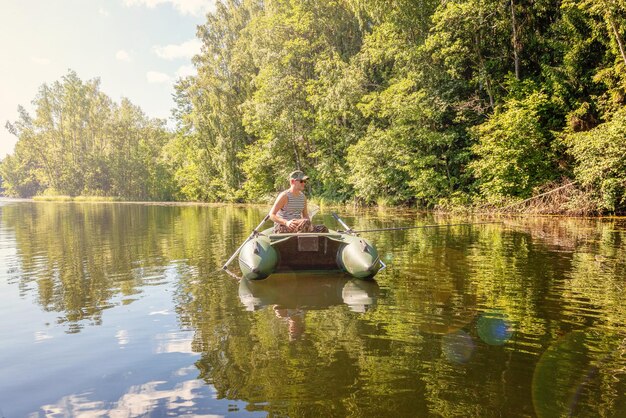
Imagine waking up to mist rolling off a still lake, birds just starting to call, and no one else on the water but you and your group. No crowded pegs, no noise, just time, space, and the chance to focus on those big, wary carp.
That’s what booking a private fishing lake is all about: turning a regular session into a purpose-built carp fishing getaway. Whether you’re planning a solo escape, a weekend with friends, or a family break where fishing is the highlight, knowing how to choose and book the right venue makes all the difference.
This guide walks through everything from finding the right private carp lake to understanding booking options, facilities, costs, and what to pack—so you can plan your trip with confidence.
Why Book a Private Carp Fishing Lake?
Private lakes sit at the sweet spot between serious angling and relaxing travel experience. Compared to a standard day-ticket water, they offer some clear benefits.
Key advantages of a private carp lake booking
Exclusivity and space
You either have the whole lake to yourself or share it with a very small number of anglers. This often means:- Less angling pressure on the fish
- More freedom to choose swims
- A calmer, more relaxed atmosphere
Better control over your time
On many private venues, you can:- Arrive and leave at flexible times
- Fish through the night if allowed
- Plan your sessions around weather and feeding patterns rather than fixed day-ticket hours
Tailored fishing experiences
Many private lakes are designed with carp fishing in mind:- Carefully managed fish stocks
- Defined features (islands, bars, margins)
- Purpose-built swims, often with comfortable access and platforms
A true getaway, not just a session
A private booking can double as:- A weekend escape from work
- A short fishing holiday with friends
- A family-friendly break where non-anglers enjoy the setting too
When you treat your carp fishing as part of a travel experience—not just a quick day out—you tend to get more out of both the fishing and the downtime.
Types of Private Carp Fishing Venues
Not all private lakes work the same way. Understanding the different formats helps you book the one that fits your trip.
1. Exclusive lake hire
You and your group book the entire lake for a set period—often a weekend, several days, or a full week.
Best for:
- Groups of friends who want a social trip
- Clubs and syndicates arranging an annual outing
- Anglers who want to control pressure and atmosphere
Typical features:
- One set price for the whole lake (sometimes with a maximum number of anglers)
- Freedom to choose any pegs
- Often the most relaxed and private experience
2. Private swims or sections with limited numbers
Some venues have larger lakes divided into sections or a small number of premium swims that are booked privately.
Best for:
- Smaller groups or pairs
- Anglers who want quieter fishing without paying for a whole lake
Typical features:
- Each swim or section may have its own water and features
- Numbers on the water are controlled so it never feels crowded
- Sometimes includes extras like shelters, electricity, or beds
3. Carp fishing holidays with on-site accommodation
These venues combine private or semi-private fishing with lodges, cabins, or lakeside chalets.
Best for:
- Couples or families where not everyone fishes
- Longer breaks where comfort matters
- Anglers who prefer a proper bed, kitchen, and bathroom on hand
Typical features:
- Cabins or lodges overlooking your own water or shared lake
- Self-catering or occasionally catered options
- Easy access between living area and swims
4. Guided carp fishing trips
Here you book time on a private (or semi-private) lake plus a guide who helps with everything from tactics to fish handling.
Best for:
- New carp anglers
- Experienced anglers visiting a new country or region
- Anyone who wants to speed up the learning curve and get the most from limited time
Typical features:
- Coaching on rigs, baiting approaches, and watercraft
- Support with fish care, photography, and often gear setup
- Sometimes includes equipment hire and bait packages
How to Choose the Right Private Lake for Your Trip
The “best” private carp lake is the one that matches your goals, your group, and your style of fishing. A bit of planning upfront pays off.
1. Define your main goal
Ask yourself what matters most this time:
- Bigger fish (targeting specimen carp)
- Quantity of bites (lots of action and learning opportunities)
- Relaxation and scenery
- Social time with friends
- Family-friendly break with other activities nearby
Once you know your priority, it becomes much easier to filter venues.
2. Consider travel distance and time
Your travel decisions shape the whole trip:
- Close to home:
- Less driving, more fishing time
- Easier logistics and cheaper travel
- Further afield (including overseas):
- Often larger or different-style waters
- More sense of “going on a real fishing holiday”
- More planning and sometimes permits, insurance, or language considerations
It can help to decide in advance how long you’re willing to travel each way, then search within that radius.
3. Check the lake size, stock, and difficulty
Understanding the water helps set realistic expectations:
Lake size
- Small lakes (1–5 acres) feel intimate and give you good control over baiting and fish location
- Medium and large lakes can feel more like an adventure but may require more watercraft and mobility
Stock and fish size
- Some lakes focus on high numbers of mid-sized carp for action
- Others are known for a few very large, wary fish that demand more time and patience
Fishing style
- Are boats allowed?
- Are zigs, surface fishing, or spodding permitted?
- Is the lake weedy, snaggy, or very clear?
Venues often provide general descriptions of stock quality, average sizes, and typical tactics that work well.
4. Look at facilities and comfort
For a quick overnighter, basic facilities may be enough. For a multi-day trip, comfort matters.
Common features to consider:
- Toilets and showers (especially for longer stays)
- Sheltered areas, cooking facilities, or communal huts
- Electricity points for charging phones, bait boats, and alarms
- Tackle storage or drying areas
- Parking and access close to swims
If you plan to bring non-anglers, facilities like play areas, walking routes, fire pits, or indoor seating can make a big difference.
5. Check rules and booking conditions
Private venues typically have clear rules to protect the fish and the site. These can include:
- Barbless vs. barbed hooks
- Maximum number of rods
- Bait restrictions (e.g., no nuts, use only supplied particles)
- Fish care requirements (unhooking mats, cradles, antiseptic)
- No fixed rigs or particular lead arrangements
- Noise and alcohol policies
- Arrival and departure times
Reading these carefully beforehand helps avoid surprises. It also shows respect for the venue and its fish.
Step‑by‑Step: How to Book a Private Carp Fishing Lake
Once you’ve identified some potential venues, the actual booking process is usually straightforward. Here’s a simple framework you can adapt.
Step 1: Shortlist your venues
Create a list of 3–5 venues that:
- Fit your location and travel window
- Appear to match your fishing goals
- Offer the facilities and atmosphere you want
It can help to note down key details in a quick table or document so you can compare them easily.
Step 2: Check availability and seasons
Private lakes often book up quickly for:
- Peak carp seasons (spring and autumn)
- Weekends and bank holidays
- School holidays, if they are family-friendly venues
Look at:
- Minimum stay requirements (e.g., weekend-only, 3-night minimum)
- Seasonal closures or maintenance periods
- Any special events or matches that might affect availability
Step 3: Understand prices and what’s included
Pricing structures vary, but you’ll typically see one of these:
- Per angler, per night
- Per swim, per night
- Per lake, per session/week (exclusive hire)
- Package deals that include accommodation, guiding, or bait
Look for information on:
- Deposits and payment schedules
- Refund or rescheduling options
- Extra costs (bait, equipment hire, boat hire, licenses, etc.)
Step 4: Communicate with the venue
Reaching out directly helps clarify anything not stated clearly and gives a sense of the venue’s approach.
You might ask about:
- Recent catches or how the lake has been fishing
- Recommended tactics or baits
- Best swims for your level of experience
- Accessibility for anyone with mobility needs
- Local shops, petrol stations, or food options
This is also a good time to confirm rules and any equipment requirements (for instance, specific mat sizes or mandatory sling types).
Step 5: Confirm the booking
Once you’re happy:
- Provide the required details (names, dates, number of anglers and non-anglers).
- Pay the deposit if required.
- Request a confirmation that clearly lists:
- Dates and times
- Number of anglers
- What is included in the booking (lake only, or lake plus accommodation)
- Any key rules or conditions
Keep this confirmation easy to access on your phone or printed out when travelling.
Working With a Carp Fishing Guide
Booking a guide as part of your private lake experience can change the whole trip—especially if you’re new to carp fishing or exploring a new area.
What a carp guide typically offers
Local knowledge
- Where the fish usually hold in different conditions
- Productive areas and features of the lake
- Seasonal patterns and typical feeding windows
Tactical support
- Rig checks and suggestions
- Advice on bait choice and quantities
- Help with reading weather, wind, and pressure changes
Fish care and safety
- Correct handling techniques
- Safe use of slings, mats, and nets
- Photo support so you can focus on the fish
Practical help
- Bank organisation and setup tips
- Help landing and weighing big fish
- Occasional translation or local assistance if you’re fishing abroad
When a guide is especially useful
- First time on a private lake
- Limited time window and you want to make every hour count
- New tactics you want to learn (like long-range work, zig rigs, or boating approaches)
- Youth or beginner anglers in your group who would benefit from coaching
Some guides offer half-day sessions at the start of your trip, while others stay involved throughout. Both formats can work well depending on your needs.
Planning a Carp Fishing Weekend Getaway
Turning your booking into a memorable weekend escape is mostly about balancing fishing hours with rest, food, and comfort.
Build a loose schedule
You don’t need a rigid timetable, but a simple plan helps:
- Day 1
- Travel, arrive, walk the lake
- Choose swims and set up calmly
- Start with light, exploratory baiting
- Day 2
- Focused fishing based on what you learned from the first night/day
- Adjust rigs and spots as needed
- Enjoy a relaxed midday break (sleep, explore, cook, or socialise)
- Day 3
- Final push based on the most productive zones or times
- Pack down steadily so you’re not rushed at departure
This kind of rhythm keeps you alert for the best bite times and avoids burning out by fishing hard 24/7.
Packing essentials for comfort and efficiency
Beyond your standard tackle, many anglers find trips run smoother with:
Clothing
- Waterproof jacket and trousers
- Warm layers (early mornings can be cold even in summer)
- Spare socks and footwear (one wet pair can ruin comfort)
Sleeping gear
- Reliable sleeping bag suitable for the season
- Bedchair or comfortable mat
- Extra blanket or thermal liner for colder nights
Food and drink
- Simple, easy meals you can cook with minimal fuss
- Snacks that keep well (nuts, biscuits, fruit, cereal bars)
- Plenty of water and hot drinks
Practical items
- Torch or headlamp with spare batteries
- Power bank or charging cables if the venue has electricity
- Basic first-aid items and any personal medications
- Sun protection (hat, sunglasses, sunscreen)
A bit of planning around non-fishing essentials often has more impact on your trip than adding yet another rig variation.
Quick Planning Checklist 🧳🎣
Use this as a handy reference while organising your private lake trip:
- ✅ Decide your main goal (big fish, bites, relaxation, social, family)
- ✅ Choose a travel distance you’re comfortable with
- ✅ Shortlist 3–5 suitable private carp venues
- ✅ Compare lake size, stock, difficulty, and facilities
- ✅ Read rules and booking conditions carefully
- ✅ Check availability for your target dates
- ✅ Confirm prices and what’s included
- ✅ Decide whether to book a guide
- ✅ Plan gear, food, and non-fishing essentials
- ✅ Keep confirmation details and directions handy
Making the Most of the Fishing Itself
A private carp lake gives you opportunities you often don’t get on busier waters. A thoughtful approach can help you make the most of it.
Take time to watch before you cast
Because you’re not racing other anglers to swims, you can:
- Walk the lake slowly
- Look for showing fish, bubbling, or colored water
- Note wind direction and sun position
- Use polarized glasses to spot margins and shallow areas
Often, the information you gather in the first hour shapes the whole session.
Start light and build up your approach
Many anglers on private lakes find it useful to:
- Begin with minimal bait and a couple of carefully chosen spots
- Let the carp show you where they’re comfortable feeding
- Build up baiting only once you’ve had some feedback (liners, shows, or bites)
This helps avoid overfeeding areas that aren’t holding fish.
Use the flexibility of a private booking
On a private lake, you may be able to:
- Move swims if you see more activity elsewhere
- Adjust your hours based on when bites actually come
- Try methods that require more space and quiet, like stalking in the margins or controlled surface fishing (if allowed)
The key is to stay responsive instead of locking into a fixed plan no matter what the lake tells you.
Respecting the Venue and the Fish
Private lakes are often carefully managed environments. Treating them well protects the fish and ensures future anglers enjoy the same quality experience.
Core fish-care practices
- Always use adequate unhooking mats or cradles
- Keep fish low to the ground for photos
- Wet mats, slings, and nets before use
- Limit time out of the water as much as possible
- Handle big fish with both hands and stable footing
- Follow any guidance on antiseptic use for hook holds
Respect for the site and staff
- Take all rubbish home or use designated bins
- Keep noise to reasonable levels, especially at night
- Follow any guidance on fires, cooking, and alcohol
- Treat staff and neighbouring anglers (if any) with courtesy
This kind of respect is often one of the reasons private lakes stay pleasant, peaceful places to fish.
At-a-Glance: Comparing Private Carp Trip Options 📊
A simple way to see which style fits your plans:
| Trip Type | Best For | Privacy Level | Typical Stay Length |
|---|---|---|---|
| Exclusive lake hire | Groups, clubs, social trips | Full exclusivity | Weekend to full week |
| Private swim/section | Pairs, small groups | High but not total | 24–72 hours or more |
| Lake with lodge/accommodation | Families, couples, longer breaks | Moderate to high | 3 nights to a week |
| Guided carp session/trip | Learners, new venues or countries | Varies by venue | 1 day to a full week |
Turning a Private Lake Booking into a Memorable Experience
Booking a private fishing lake isn’t just about securing a swim; it’s about creating a purposeful break from daily life built around something you love doing.
With a bit of forethought—choosing the right water, understanding the rules, packing smart, and planning your time—you can:
- Enjoy calm, uncrowded fishing
- Focus properly on your tactics and the water in front of you
- Share the experience with friends or family in a relaxed setting
- Come home with more than just catch photos: rest, stories, and new confidence
A private carp lake turns a standard session into a trip you plan for, look forward to, and remember. When you treat it as both a fishing adventure and a travel experience, every part—from the first message to the venue to the last cast—feels more rewarding.