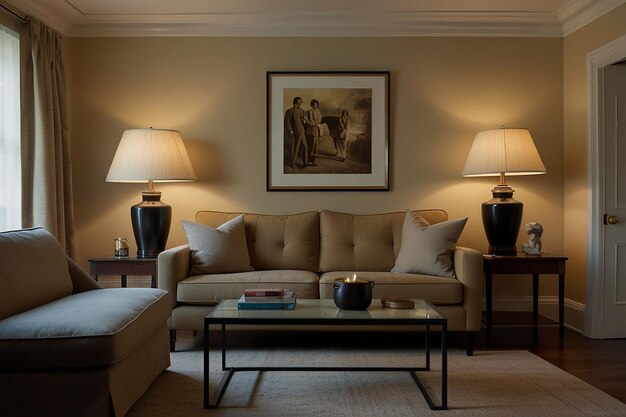
The Ultimate Home Lighting Guide: From Indoor Fixtures to Outdoor Glow
Walk into any room with great lighting, and you feel it immediately. The space looks inviting, colors appear richer, and everything feels more comfortable and functional. Walk into a poorly lit room, and it can feel cramped, flat, or even a little depressing.
Lighting is one of the most powerful — and often overlooked — tools in home and garden design. This guide explores indoor lighting fixtures, decorative lamps, and exterior lighting solutions so you can understand the options and how they shape the look and feel of your home.
Why Lighting Matters So Much in Your Home
Lighting does far more than help you see. Thoughtful home lighting can:
- Highlight architecture and décor
- Influence mood and atmosphere
- Support activities like reading, cooking, working, or relaxing
- Enhance safety and navigation, indoors and outdoors
- Shape how large or small a space feels
People often think of lighting as an afterthought — a single ceiling fixture in the middle of the room. In practice, well-designed lighting uses layers of light, different types of fixtures, and thoughtful placement to create a balanced effect.
The Three Layers of Home Lighting
A helpful way to think about lighting is in three main layers. Most well-lit rooms use all three.
1. Ambient Lighting: Your Overall Glow
Ambient lighting is the general illumination in a room — the background light level that allows you to move around safely and see the space as a whole.
Common sources:
- Ceiling-mounted fixtures
- Recessed downlights
- Large pendant lights
- Floor lamps that direct light upward
- Wall-mounted fixtures that bounce light off the ceiling
Well-planned ambient lighting should feel:
- Even but not flat – no glaring bright spots or deep shadows
- Comfortable – enough light to see clearly without eye strain
- Adaptable – ideally dimmable for different times of day
2. Task Lighting: Focus Where You Need It
Task lighting is brighter, more focused light that supports specific activities, such as:
- Reading in a chair or bed
- Chopping vegetables in the kitchen
- Applying makeup in the bathroom
- Working at a desk
Common sources:
- Under-cabinet lights in kitchens
- Desk lamps
- Bedside lamps
- Vanity lights around mirrors
- Adjustable spotlights
Effective task lighting is:
- Positioned close to the work area
- Directed to avoid shadows or glare
- Often separate from the main room lighting so it can be switched on or off as needed
3. Accent Lighting: Style and Drama
Accent lighting adds visual interest and depth. It draws attention to certain areas or objects, such as:
- Artwork or wall décor
- Fireplace mantels
- Architectural features (columns, niches, textured walls)
- Plants or sculptures indoors and out
Common sources:
- Track or rail lighting
- Picture lights
- Small spotlights
- LED strip lights in shelving or coves
Accent lighting works best when:
- It is brighter than the surrounding ambient light (but not harsh)
- It highlights something intentional, not clutter
- It is used sparingly so the eye knows where to focus
Understanding Light Bulbs: Color, Brightness, and Efficiency
Getting the right fixture is only half the story. The bulb or light source you choose affects color, brightness, and energy use.
Light Color (Kelvin): Warm vs Cool
Most household bulbs are labeled with a color temperature, measured in Kelvins (K). You do not need to remember numbers; it helps to know the general ranges:
Warm white (around 2700K–3000K)
- Soft, cozy, slightly yellow
- Common in living rooms, bedrooms, dining rooms
Neutral white (around 3500K–4000K)
- Balanced, crisp without being too cool
- Popular for kitchens, home offices, and general living spaces
Cool white / daylight (around 5000K–6500K)
- Bright, bluish tone
- Sometimes used for workshops, garages, or task-heavy areas
A simple rule of thumb:
- 🛋️ Cozy and relaxing spaces → warmer light
- 🧑💻 Task and work spaces → neutral or slightly cooler light
Brightness (Lumens) vs Wattage
People often associate wattage with how bright a bulb is, but wattage mainly describes power consumption, not brightness. Lumens are a more direct measure of how much light you get.
- Higher lumens = brighter light
- Lower lumens = softer, dimmer light
Common patterns:
- Small table lamps often use bulbs with moderate lumen levels for a softer effect.
- Ceiling fixtures and kitchen lights typically use higher lumen output for better visibility.
When replacing bulbs, it helps to compare the lumen rating of the new bulb with the one you already like, rather than relying only on wattage.
Bulb Types: Incandescent, CFL, and LED
You are likely to find three main bulb technologies:
Incandescent
- Classic warm glow
- Less energy-efficient
- Tend to produce more heat
Compact Fluorescent (CFL)
- More efficient than incandescent
- Often slower to reach full brightness
- Color can vary, though many are improved compared with early versions
LED
- Very energy-efficient
- Long-lasting in typical home use
- Available in many shapes, colors, and brightness levels
Many households are shifting toward LED bulbs for their combination of efficiency, lifespan, and flexibility in color and style.
Indoor Lighting Fixtures: Choosing the Right Type for Each Room
Each room has different needs. Below is a room-by-room overview of common fixture types and what they typically bring to a space.
Living Room and Family Room Lighting
These spaces often serve multiple purposes: relaxing, watching TV, reading, socializing. A mix of fixture types works well.
Common fixtures:
- Ceiling-mounted fixtures or chandeliers
- Provide ambient lighting
- Help anchor the center of the room
- Recessed downlights
- Add general light without visual clutter
- Can highlight seating areas or artwork
- Table lamps and floor lamps
- Provide task light for reading
- Add cozy pools of light
- Wall sconces
- Soften light around the room’s perimeter
- Good for hallways opening into living spaces
Tips for a balanced living room:
- Combine a main ceiling fixture with several smaller lamps rather than relying on one bright overhead light.
- Use different switch zones (for example, ceiling lights on one switch, sconces on another, lamps on plugs) to adjust mood easily.
Kitchen Lighting
The kitchen is both a work zone and a social hub. It usually needs strong task lighting and pleasant ambient lighting.
Common fixtures:
- Ceiling fixtures or recessed lighting for overall brightness
- Under-cabinet lights to illuminate countertops without casting shadows
- Pendant lights over islands or dining nooks
- Over-sink lighting for washing and prep
Practical patterns:
- Under-cabinet lighting helps reduce shadows from overhead fixtures when you stand at the counter.
- Pendants over an island or bar can serve both as task lighting and a decorative statement.
Bedroom Lighting
Bedrooms need to support winding down at night and getting ready in the morning.
Common fixtures:
- Ceiling light or small chandelier for general illumination
- Bedside table lamps or wall-mounted reading lights for reading
- Floor lamps to add soft, indirect light
- Closet lighting to see clothing clearly
Comfort-focused choices:
- Many people prefer warmer bulbs in bedrooms to promote a relaxed atmosphere.
- Bedside lighting that can be turned off without getting out of bed is often appreciated for convenience.
Bathroom Lighting
Bathrooms require clear, shadow-free lighting for grooming, yet still benefit from softer options for nighttime use.
Common fixtures:
- Vanity lights above or beside the mirror
- Ceiling light or recessed fixtures for general illumination
- Shower-rated recessed lights in shower or tub areas
Practical considerations:
- Vanity lighting is often more effective when placed on both sides of the mirror or in a way that reduces harsh shadows on the face.
- Many households like to include a night-friendly lighting option, such as a low-level fixture or dimmer, to avoid harsh brightness in the middle of the night.
Dining Room Lighting
The dining area often centers on a single key fixture, with supporting accents.
Common fixtures:
- Chandeliers or pendants over the table
- Wall sconces around the room perimeter
- Buffet or sideboard lamps for gentle accent lighting
Atmosphere suggestions:
- A chandelier or pendant that is in proportion to the table size can visually define the space.
- Many people prefer dimmable lighting in dining areas so meals can feel more intimate or more vibrant as needed.
Home Office Lighting
With more people working from home, a comfortable, well-lit workspace is increasingly important.
Common fixtures:
- Ceiling light for general brightness
- Desk lamp for focused task lighting
- Floor lamp behind or beside seating areas for video calls or reading
Comfort-focused patterns:
- Neutral white light can help keep documents and screens clear without appearing overly cold.
- Task lighting that can be positioned to avoid screen glare and eye strain is often helpful.
Decorative Lamps: Style Meets Function
Decorative lamps do more than fill in light gaps. They can act as design elements that express personal style and add character to a room.
Types of Decorative Lamps
Table lamps
- Great for side tables, consoles, nightstands
- Provide localized pools of light
- Widely varied in style, shape, and size
Floor lamps
- Useful where table surfaces are limited
- Arched designs can bring light over seating areas
- Upright “torchieres” send light upward for ambient glow
Desk lamps
- Offer adjustable, close-range light
- Helpful in workspaces, craft areas, or study zones
Accent lamps
- Small lamps on shelves or narrow surfaces
- Often used more for atmosphere than strong illumination
Choosing Lamp Styles and Shades
Lamps often have two main style elements: the base and the shade.
- The base adds visual weight and personality. It might be sleek and minimal or ornate and sculptural.
- The shade controls how light is distributed.
Common shade effects:
- Opaque shades – Direct light mostly up and down; create a more dramatic effect.
- Translucent shades – Allow light through the sides; soften and spread the glow.
- Light-colored shades – Generally create brighter overall light.
- Dark-colored shades – Create a more intimate, moody effect.
📌 Quick Lamp Tips
- Match lamp height to its use:
- For reading beside a sofa or chair, the bottom of the shade is often most comfortable around eye level when seated, to reduce glare.
- Lamps can subtly zone a room, highlighting reading corners, entry consoles, or conversation areas.
Exterior Lighting: Extending Comfort and Safety Outdoors
Well-planned exterior lighting can make outdoor spaces more usable, enhance curb appeal, and support safety when moving around after dark.
Key Functions of Outdoor Lighting
- Safety – Illuminating steps, changes in level, and pathways
- Security – Making entry points and dark corners more visible
- Aesthetics – Highlighting landscaping, facades, and outdoor living areas
- Usability – Making patios, decks, and gardens comfortable in the evening
Common Types of Exterior Fixtures
Wall-mounted lights (sconces)
- Often placed at front and back doors, garages, and patios
- Provide both safety and style
Ceiling-mounted or recessed lights (under porch roofs or soffits)
- Illuminate entries and outdoor seating areas
- Help create a welcoming front porch or covered patio
Path lights
- Low fixtures along walkways and garden paths
- Help guide movement and reduce tripping risk
Spotlights and uplights
- Highlight trees, architectural features, or garden focal points
- Create depth and interest at night
Step and deck lights
- Built into stair risers, deck posts, or rails
- Make outdoor stairs and edges easier to see
Post lights or bollard lights
- Taller fixtures for driveways and open areas
- Provide ambient area illumination
Light Placement for Curb Appeal and Comfort
When planning outdoor lights, many homeowners find it useful to:
- Focus on key zones first: front door, paths, driveway, main outdoor seating area.
- Layer different types of fixtures rather than relying on one very bright light.
- Consider how lighting looks from inside the house, since windows often frame outdoor spaces at night.
Practical Summary: Matching Fixtures to Spaces
Here’s a simple overview to connect spaces, goals, and common lighting choices:
| Area/Goal | Common Fixture Types | Typical Lighting Layer |
|---|---|---|
| Living room, general | Ceiling fixtures, recessed lights, floor lamps | Ambient |
| Living room, reading | Table lamps, floor lamps with reading arms | Task |
| Kitchen, prep areas | Under-cabinet lights, recessed downlights | Task |
| Bedroom, relaxing | Bedside lamps, low-level ceiling fixtures | Ambient + Task |
| Bathroom, grooming | Vanity lights, ceiling lights | Task + Ambient |
| Dining area, mood | Pendants, chandeliers, wall sconces | Ambient + Accent |
| Home office, work | Desk lamp, neutral ceiling light | Task + Ambient |
| Front entry, curb view | Wall sconces, porch ceiling lights, uplighting | Safety + Accent |
| Garden/pathways | Path lights, spotlights, step lights | Safety + Accent |
Planning a Simple Lighting Layout: A Step-by-Step Approach
You do not have to redesign your whole home at once. Many people update lighting one room at a time. A simple approach:
1. Start With the Purpose of the Space
Ask:
- What happens here? (Relaxing, cooking, working, entertaining?)
- Is it used mostly in the daytime, evening, or both?
This guides how much emphasis to place on task vs ambient vs accent lighting.
2. Map Out the Main Zones
In each room, identify:
- Work areas: desk, kitchen counters, reading chair
- Traffic paths: doors to hallways, stairs
- Focal points: artwork, fireplace, architectural details
These zones often suggest where fixtures or lamps would be most effective.
3. Choose a Primary Ambient Source
Select one main type of ambient light:
- Ceiling fixture, recessed layout, or a combination
- In smaller rooms, one central fixture may be enough
- In larger rooms, multiple ceiling lights or a blend of ceiling and floor lamps can create even coverage
4. Add Task Lighting Where Needed
Layer in task lights:
- Lamps near chairs and sofas used for reading
- Under-cabinet lighting in the kitchen
- Desk lamps in home offices
- Vanity lighting at bathroom mirrors
If a space feels like a “one light only” room, task lighting is often the missing piece.
5. Finish with Accent Lighting for Character
Once the practical layers are in place, consider:
- A picture light over art
- A small accent lamp on a bookshelf
- Wall-wash lighting to soften a textured wall
- Outdoor spotlights to highlight a tree or garden bed
Accent lighting often uses smaller, subtler fixtures, but it has a powerful impact on atmosphere.
6. Consider Controls and Flexibility
Simple control choices can make lighting far more versatile:
- Separate switches for different zones (ceiling vs sconces vs under-cabinet)
- Dimmers where adjustable brightness would be helpful (living room, dining room, bedroom)
- Smart or programmable options if you prefer to automate timing or scenes
Common Lighting Mistakes and How People Often Address Them
Many households run into similar lighting challenges. Recognizing them can make adjustments easier.
Over-Reliance on a Single Overhead Light
One bright central fixture can cause:
- Harsh shadows
- Flat, uninviting appearance
- Glare when looking upward
A common way to improve this is to:
- Introduce lamps or wall lights to create softer pools of light.
- Use lower-wattage or dimmable bulbs overhead and rely more on layered sources.
Too-Dim Task Areas
If kitchens, home offices, or reading corners feel dim:
- Adding under-cabinet lighting, desk lamps, or floor lamps with directional heads can provide direct light exactly where it is needed.
Mismatched Color Temperatures
Random bulb replacements over time can produce a mix of:
- Very warm bulbs in some fixtures
- Cool “daylight” bulbs in others
This can make a room feel visually disjointed. Many people choose to:
- Standardize color temperature within each space (for example, all warm in the living room, neutral in the kitchen).
Glare and Reflections
Harsh brightness or reflections on screens and glass can be distracting.
Possible responses include:
- Using shaded fixtures or lamp shades to diffuse direct light
- Positioning lights so they are not aimed straight at eye level or reflective surfaces
- Choosing bulbs labeled as “soft white” or “frosted” for a gentler effect
Quick Checklist: Home Lighting Essentials 📝
Use this checklist as a fast reference when reviewing or planning your lighting:
💡 Do I have all three layers of light?
- Ambient, task, and accent somewhere in each main living space
🛋️ Does the lighting match the room’s function?
- Warm, relaxing tones in bedrooms and living rooms
- Brighter, clearer light for kitchens and workspaces
📖 Are task areas actually bright enough?
- Reading spots, desks, and prep areas have focused lighting
🎨 Is the color of light consistent within each room?
- Similar color temperature bulbs to keep the space cohesive
🚪 Are entryways, steps, and paths safely lit?
- Outdoors and indoors, especially stairs and access points
🌙 Is there a comfortable low-light option at night?
- Softer lamps or dimmed fixtures for evenings and nighttime use
🎛️ Can I adjust the mood easily?
- Multiple switches, dimmers, and independent lamps
Bringing It All Together
Thoughtful home lighting is less about buying the brightest bulb and more about orchestrating layers of light to support how you live. Indoor fixtures create your foundation, decorative lamps add personality and comfort, and outdoor solutions extend that feeling of welcome beyond your walls.
By understanding the basics — types of light, roles of different fixtures, and how to combine them — you can gradually shape each room into a space that looks better, functions better, and feels better to live in, from your coziest reading corner to your front walkway.
Whether you start with one new bedside lamp or a full lighting refresh, each choice becomes part of a larger, cohesive picture: a home that truly shines, inside and out.