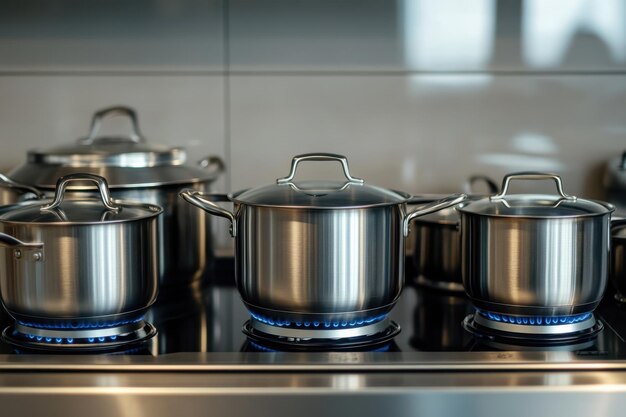
The Best Cookware Sets for 2025: Titanium Nonstick and USA‑Made Options Explained
If you cook most days, your cookware is one of the hardest‑working parts of your home. Yet many people keep using warped pans, flaking nonstick, or a mismatched drawer of pots that never quite perform the way they want.
In 2025, two trends stand out in home cookware:
- The rise of titanium nonstick cookware sets, marketed around durability and easy cleanup.
- Renewed interest in USA‑made cookware, driven by quality expectations and a desire to support local manufacturing.
Understanding what these labels really mean—and how they fit your cooking style—can make the difference between a set that frustrates you and one that quietly works for a decade or more.
This guide breaks down the essentials so you can confidently narrow down the best cookware sets for your kitchen, without hype or guesswork.
How to Think About “The Best” Cookware in 2025
“Best cookware set” can mean very different things depending on the household. A busy family that wants fast weeknight meals has different needs than someone who loves slow weekend cooking projects.
When people talk about “the best cookware,” they generally have a few shared priorities:
- Reliability: Heats predictably, doesn’t warp easily, and works consistently over time.
- Ease of use: Comfortable handles, manageable weight, and straightforward cleaning.
- Safety and materials: Surfaces that align with personal preferences about coatings and metals.
- Compatibility: Works with the stove you actually have (gas, electric, induction).
- Value: Not necessarily cheap, but offers good performance for the cost.
From that perspective, the “best” set for 2025 is less about one specific brand and more about choosing the right material mix and design features—with titanium nonstick and USA‑made options being two important categories for many buyers.
Understanding Titanium Nonstick Cookware
Titanium nonstick is widely discussed, but the term can be confusing. It often gets mixed up with pure titanium cookware, ceramic coatings, and traditional PTFE nonstick.
What “Titanium Nonstick” Usually Means
In most home cookware:
- “Titanium nonstick” refers to a nonstick coating that incorporates titanium particles or titanium reinforcement.
- The base of the pan is commonly aluminum or hard‑anodized aluminum for good heat distribution.
- Titanium may be used to strengthen the coating, helping it resist scratching and wear compared with some basic nonstick layers.
It does not usually mean the entire pan is made of solid titanium metal, which is more typical in specialized or outdoor gear.
Why Home Cooks Are Interested in Titanium Nonstick
Many consumers gravitate to titanium nonstick sets for a few key qualities:
- Lightweight feel: Compared with fully clad stainless steel, many titanium nonstick pans feel easier to lift and maneuver.
- Smooth, low‑stick surface: Food tends to release more easily when the coating is in good condition, reducing the urge to scrape.
- Potential durability benefits: Titanium reinforcement is often described as helping coatings better withstand everyday use.
In day‑to‑day cooking, this translates into fewer stuck eggs, simpler cleanup, and easier handling, especially for those who cook frequently or have limited wrist strength.
Common Misconceptions About Titanium Nonstick
There are a few points that often cause confusion:
- “Titanium” does not automatically equal “no‑care” cookware. Even reinforced coatings can wear down with metal utensils, high heat, or abrasive scrubbing.
- Heated too high, nonstick coatings can still degrade. Many experts suggest keeping nonstick cookware at moderate temperatures rather than letting pans smoke.
- Dishwasher‑safe labels are not a guarantee of long life. While some titanium nonstick sets are marketed as dishwasher‑safe, many owners prefer gentle hand washing to maintain the coating.
Overall, titanium nonstick is best understood as a type of nonstick that aims for added resilience, not as an indestructible surface.
Types of Titanium Nonstick Sets You’ll See in 2025
Titanium nonstick cookware sets vary by construction and design. When comparing them, several recurring features can help you evaluate options.
1. Base Material and Core
Most titanium nonstick pans have one of these bases:
Pressed aluminum:
- Common in more budget‑friendly sets.
- Heats quickly and evenly but can be more prone to warping if overheated.
Hard‑anodized aluminum:
- Aluminum that has gone through an electrochemical process for a harder surface.
- Often feels more robust and scratch‑resistant than basic aluminum.
Some premium sets use multi‑layer constructions (for example, aluminum sandwiched with stainless steel on the bottom) to improve compatibility with induction stoves.
2. Nonstick Coating Style
Within titanium nonstick cookware, coatings may be:
PTFE‑based coatings reinforced with titanium:
- Often very slick when new.
- Many users appreciate them for delicate foods like eggs and fish.
Ceramic‑style nonstick with titanium infusion or particles:
- Marketed heavily as an alternative to traditional PTFE systems.
- Some home cooks like the bright, glossy appearance and straightforward cleaning experience.
Different people prioritize different characteristics—some focus on the way food slides, others on how the coating looks or feels after repeated use. When possible, examining real‑world user photos or store display pieces can give a sense of texture and build quality.
3. Design Details That Matter
While marketing often focuses on the coating, design details significantly influence everyday satisfaction:
- Handle comfort: Wide, rounded, or silicone‑wrapped handles can feel more secure, especially for heavier pots.
- Weight balance: Pans that are too light can feel flimsy; too heavy can be tiring to use. Somewhere in the comfortable middle usually works best.
- Lids: Tempered glass lids make it easy to see food without lifting; metal lids can be lighter and more oven‑friendly at high temperatures.
- Rivets vs. rivetless interior: Rivetless interiors can be easier to wipe clean, but riveted handles can feel very sturdy.
In 2025, many titanium nonstick sets try to blend sleek, modern looks with ergonomic details that suit daily cooking.
USA‑Made Cookware: What Consumers Look For
Alongside interest in advanced coatings, there is growing attention on USA‑made cookware sets. This often reflects a mix of values: quality expectations, perceived oversight of manufacturing standards, and an interest in supporting domestic production.
What “Made in USA” Typically Covers
When cookware is described as USA‑made, it often means:
- The manufacturing or final assembly of the cookware takes place in the United States.
- Some sets use domestically sourced materials, while others may blend domestic and imported components.
Labelling requirements can be specific, so some companies distinguish between “made in USA” and “designed in USA, assembled elsewhere.” For buyers who care about origin, reading packaging or product descriptions closely can clarify this distinction.
Why Some Home Cooks Seek Out USA‑Made Sets
Common motivations include:
- Perceived craftsmanship: Some consumers associate USA manufacturing with careful construction and attention to detail.
- Transparency: Buyers sometimes feel there is clearer information about materials and processes when a product is domestically produced.
- Support for local industry: For some, the decision is partly values‑based, aiming to support jobs and manufacturing within the country.
These factors do not automatically guarantee better performance, but they can align with what many homeowners want in long‑term kitchen staples.
Common Materials in USA‑Made Cookware
USA‑made cookware often appears in the following forms:
Stainless steel (clad or disc‑bottom):
- Popular in both professional and home kitchens.
- Often consists of layers of stainless steel and aluminum for balanced heat distribution.
Cast iron and enameled cast iron:
- Known for heat retention and longevity.
- Frequently associated with heirloom‑style durability when properly maintained.
Carbon steel:
- Lighter than cast iron but with similar seasoning characteristics.
- Favored by some for high‑heat searing or oven‑to‑table use.
Although titanium nonstick surfaces can occasionally appear on USA‑made pieces, most USA‑made sets in 2025 tend to focus on stainless steel, cast iron, or carbon steel.
Comparing Titanium Nonstick vs. USA‑Made Cookware (By Category, Not Brand)
Because titanium nonstick and USA‑made cookware often represent different materials and approaches, it helps to view them side‑by‑side in terms of everyday use.
Quick Comparison Table 🧪🍳
| Feature | Titanium Nonstick Sets | Common USA‑Made Sets (Stainless / Cast Iron) |
|---|---|---|
| Primary appeal | Easy release, simple cleanup, lighter weight | Durability, heritage feel, perceived quality |
| Material focus | Aluminum base with titanium‑reinforced coating | Stainless steel, cast iron, or carbon steel |
| Cooking style | Low‑ to medium‑heat, everyday quick meals | Wider temperature range, searing, oven use |
| Nonstick behavior | Very slick when new, may change over time | Relies on oil, technique, or seasoning |
| Maintenance | Gentle utensils and cleaning recommended | More tolerant of scrubbing; cast iron needs care |
| Lifespan potential | Often limited by coating wear | Often long‑term with proper care |
| Origin emphasis | Frequently imported, though varies | Highlighted when manufactured domestically |
This comparison highlights that each category serves different priorities rather than one universally “better” choice.
How to Choose the Right Cookware Set for Your Kitchen
The most helpful question to start with is: What do you actually cook, and how do you like to cook it?
From there, a few practical criteria can guide you.
1. Match the Set to Your Stove
Not all cookware behaves the same way on every stovetop.
Gas:
- Works well with most materials (aluminum, stainless, cast iron, carbon steel).
- Quick responsiveness to temperature adjustments makes performance noticeable.
Electric coil or radiant glass:
- Flat, stable bases are important for good contact.
- Some very thin pans can develop hot spots or warp if heated aggressively.
Induction:
- Requires magnetic cookware.
- Many stainless steel and cast iron pieces are compatible.
- Some aluminum‑based titanium nonstick sets include an induction‑capable steel plate, but not all do.
Checking a magnet against the base in person is a simple way many shoppers confirm induction compatibility.
2. Consider Your Cooking Habits
Different habits favor different sets:
Quick weekday meals, lots of eggs, pancakes, and delicate fish:
- Many home cooks appreciate having at least one nonstick skillet, including titanium‑reinforced versions, for ease of release and cleanup.
Frequent searing, browning, or oven‑finished dishes:
- Stainless steel, cast iron, or carbon steel are often valued for high‑heat performance and fond development (the browned bits that build flavor).
Batch cooking, soups, and stews:
- Deep, sturdy saucepans and stockpots matter more than the coating; base thickness and lid design have a big impact.
Rather than relying on one material for everything, many home kitchens work well with a hybrid approach (for example, a stainless steel or cast iron base set plus a dedicated titanium nonstick skillet).
3. Think About Weight and Comfort
Comfort impacts whether you enjoy cooking. Some key points:
- Titanium nonstick sets often feel relatively light, which can be appealing if you lift and pour frequently.
- Stainless steel and cast iron can be heavier, especially in larger sizes.
Handle shape, grip texture, and the distance between the handle and pot body can make a big difference. Trying a similar style in a local store (even if you later buy elsewhere) can help you understand what feels natural in your hand.
4. Align With Your Maintenance Preferences
Different cookware asks for different kinds of care:
Low‑effort, low‑friction care:
- Titanium nonstick surfaces respond well to gentle sponges and mild soap.
- Avoiding abrasive pads and high heat can help maintain the coating.
Willingness to season and maintain:
- Cast iron and carbon steel often benefit from periodic seasoning and careful drying.
- Stainless steel may need a bit more scrubbing but typically tolerates more vigorous cleaning.
Choosing cookware that fits your tolerance for maintenance tends to reduce frustration over time.
Practical Tips for Evaluating Cookware Sets in 2025
When browsing in‑store or online, several simple filters can make evaluation easier.
Key Things to Check Before Buying
Piece selection:
- Look for pieces you’ll genuinely use:
- 10–12 inch skillet
- 2–3 quart saucepan
- Larger pot or Dutch oven
- Extra specialty pieces are optional, not mandatory.
- Look for pieces you’ll genuinely use:
Lid fit and design:
- Lids that fit firmly but not too tightly help control evaporation.
- Steam vents can reduce rattling and boiling over.
Oven‑safe temperatures:
- Some titanium nonstick handles and lids are rated for specific oven temperatures.
- Stainless, cast iron, and carbon steel often tolerate higher oven heat, but handle materials (like plastic or silicone) still set limits.
Handle attachment:
- Riveted or welded handles are common.
- Solid attachment points can feel more secure over long‑term use.
Interior color:
- Light interiors can make it easier to monitor browning and sauce color.
- Dark interiors may hide staining but make subtle color changes harder to see.
Caring for Titanium Nonstick and USA‑Made Cookware
Longevity often comes down to day‑to‑day habits rather than one big decision. A few careful practices can support longer, more consistent performance.
Care Tips for Titanium Nonstick Cookware
Many owners find the following practices helpful:
Preheat gently:
- Start on medium or medium‑low instead of maximum heat.
- Allow the pan to warm up gradually.
Use appropriate utensils:
- Silicone, wood, or plastic utensils are often gentler on nonstick surfaces than metal tools.
Avoid aerosol sprays on hot surfaces:
- Some sprays can leave residue that builds up over time.
- Pouring a small amount of oil directly into the pan is a common alternative.
Cool before washing:
- Let pans cool before running under cold water to help reduce the risk of warping.
Skip harsh abrasives:
- Soft sponges and non‑scratch pads are generally preferred.
- If food sticks, soaking briefly can help loosen residues.
These steps are not unique to titanium nonstick; they mirror general nonstick care that many cookware makers suggest.
Care Tips for USA‑Made Stainless, Cast Iron, and Carbon Steel
For USA‑made cookware in more traditional materials:
Stainless steel:
- Preheating with a bit of oil can help reduce sticking when searing.
- Warm soapy water and non‑scratch pads handle most cleanup.
- Stubborn discoloration can sometimes be addressed with gentle stainless steel cleansers.
Cast iron:
- Many owners season their pans with thin layers of oil baked or heated on the surface.
- Drying thoroughly after washing and giving a light oil coat can help discourage rust.
Carbon steel:
- Similar to cast iron in seasoning and care, but often a bit more responsive on the stove.
These cookware types are often valued for how they improve with long‑term use when cared for consistently.
Common Questions About Cookware Sets in 2025
Do I need a full cookware set, or can I mix and match?
Many home cooks successfully mix and match:
- A titanium nonstick skillet for delicate foods and easy cleanup.
- A USA‑made stainless or cast iron pan for searing and oven finishing.
- A sturdy saucepan and large pot in whichever material you prefer.
Full sets can offer visual uniformity and potentially simplified buying, but a curated mix lets you tailor each piece to its main job.
Are titanium nonstick pans safe to use?
Safety perceptions around nonstick coatings vary. Titanium nonstick typically describes reinforcement of a coating, not the entire safety profile. Some general practices many users follow include:
- Avoiding overheating empty pans.
- Cooking at moderate temperatures when possible.
- Replacing nonstick cookware if the coating becomes significantly scratched, flaking, or damaged.
For anyone with specific health or safety concerns, consulting up‑to‑date material information from manufacturers or independent experts is a common approach.
Is USA‑made cookware automatically higher quality?
Origin and quality are related for some brands, but not guaranteed:
- USA‑made cookware is often associated with robust construction and careful finishing, though there can be wide variation.
- Imported cookware can also be well‑made when manufacturers prioritize design, materials, and quality control.
Practical inspection—feeling the weight, examining welds and rivets, reading detailed descriptions—often gives a clearer picture of quality than origin alone.
Quick Takeaways for 2025 Cookware Shoppers 📝
Here’s a fast‑scan summary to keep in mind while comparing sets:
🥘 Clarify your cooking style first.
- Frequent eggs and quick sautés? A titanium nonstick skillet may suit you.
- Regular searing and roasting? Stainless, cast iron, or carbon steel are often good fits.
🔍 Look past the marketing terms.
- “Titanium nonstick” usually refers to reinforced nonstick coatings, not solid titanium construction.
- “Made in USA” commonly indicates domestic manufacturing or assembly, with materials sourced in various ways.
🧲 Check stove compatibility.
- If you have induction, ensure the cookware base is magnetic.
- Flat, stable bottoms matter on glass and electric ranges.
🧼 Match maintenance to your habits.
- Prefer low‑effort cleaning? Gentle care for nonstick may feel easier than seasoning cast iron.
- Don’t mind a bit of ritual? USA‑made cast iron or carbon steel can be very rewarding long term.
💰 Prioritize core pieces over large counts.
- It can be more practical to have a few high‑performing pans than a large set full of rarely used sizes.
Bringing It All Together
Choosing the best cookware set in 2025 is less about chasing a single “top‑rated” box and more about aligning materials, design, and origin with how you actually cook.
- Titanium nonstick cookware offers a modern, convenience‑oriented option for many everyday tasks, especially when smooth release and easy cleanup are high priorities.
- USA‑made cookware often appeals to those who value perceived craftsmanship, long‑term durability, and the story behind their tools.
Many home kitchens benefit from a thoughtful mix: a reliable nonstick pan for delicate foods, plus a durable stainless or cast iron base set that can handle higher heat and long‑term use.
By focusing on your stove type, your favorite recipes, and the level of care you’re comfortable with, you can narrow down the vast 2025 cookware landscape to a few sets and pieces that genuinely support the way you live and cook at home.