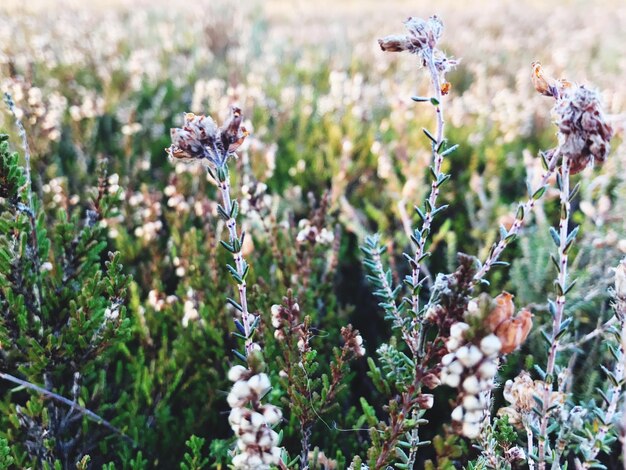
Creating a Thriving Ecological Garden with Native Plants and Wildflowers
Imagine stepping into your yard and hearing bees buzzing, birds singing, and butterflies drifting between blossoms—without spending every weekend mowing, fertilizing, or watering. An ecological garden with native plants and wildflowers can turn that picture into reality, even in a small space.
This guide walks through how to start an ecological garden from the ground up, using plants that naturally belong in your region. The focus is on practical steps, clear explanations, and realistic expectations so you can create a beautiful, resilient space that supports local wildlife and fits your lifestyle.
Why Choose an Ecological Garden with Native Plants?
An ecological garden is designed to work with nature, not against it. Instead of forcing plants to survive with constant inputs, you fill your garden with species that are already adapted to your soil, climate, and local wildlife.
Key benefits of native-plant ecological gardens
Lower maintenance over time
Native plants are generally adapted to local rainfall, seasonal changes, and pests. Once established, many need less frequent watering, less pruning, and no constant fertilizer routine.Support for pollinators and wildlife
Bees, butterflies, birds, and other wildlife often rely on specific native plants for food and shelter. Gardens rich in native species can provide nectar, pollen, seeds, berries, and nesting spaces.Improved soil and water management
Native perennials and wildflowers often have deep roots. These can help stabilize soil, improve water infiltration, and reduce erosion and runoff compared with shallow‑rooted turf.Resilience in changing conditions
Plants that evolved in your region tend to handle local extremes—heat, cold, wind, or periodic drought—more easily than many non-native ornamental species.Natural beauty with seasonal interest
Native gardens often offer varied textures, colors, and forms throughout the year: spring blooms, summer fullness, fall foliage and seedheads, and winter structure.
An ecological garden can be anything from a small wildflower corner to a full yard transformation. The process and principles stay similar regardless of scale.
Step 1: Understand Your Site and Local Ecology
Before buying a single seed packet, it helps to understand what your garden is already telling you.
Observe your conditions
Spend a few days or weeks paying attention to your space:
Sun exposure
- Full sun: 6+ hours of direct sun
- Part sun/part shade: 3–6 hours of direct sun
- Full shade: less than 3 hours of direct sun
Soil type
- Sandy: drains quickly, feels gritty
- Clay: dense, sticky when wet, hard when dry
- Loam: crumbly, dark, holds moisture but drains well
Moisture levels
- Does water pool after rain?
- Is the ground frequently dry and cracked?
- Do some areas stay damp longer than others?
Existing vegetation
- Are there already native trees, shrubs, or wildflowers?
- Are you seeing mostly lawn grass and a few tough weeds?
- Do invasive plants seem to dominate?
These clues guide which native plants and wildflowers are most likely to thrive.
Consider the broader ecosystem
An ecological garden becomes even more powerful when it connects to nearby natural areas:
- If you live near a forest, woodland natives may fit well.
- If you’re close to a meadow, prairie, or open field, sun-loving wildflowers and grasses can create a seamless transition.
- In urban areas, even small native patches can act as “stepping stones” for pollinators traveling between parks and green spaces.
👉 Tip: Take photos of local natural areas through the seasons. The plants you see thriving there often provide excellent inspiration for your garden palette.
Step 2: Set Clear Goals for Your Native Garden
Defining what you want helps you make choices that feel cohesive instead of random.
Questions to ask yourself
How much time do you realistically want to spend gardening?
- Occasional maintenance only?
- Weekly hands-on work?
What kind of look do you prefer?
- Naturalistic meadow or prairie style
- More structured beds with native plants arranged in clear patterns
- A blend: formal edges with a wild-looking interior
What do you want your garden to do?
- Attract bees, butterflies, and hummingbirds
- Provide habitat and cover for birds and small wildlife
- Reduce lawn area and mowing
- Improve drainage or cover a slope
Are there constraints?
- Homeowners association or local ordinances
- Neighbors who prefer a “tidy” look
- Limited space, containers only, or heavy shade
Your answers shape the layout, plant selection, and style of your ecological garden.
Step 3: Plan Your Layout with Ecology in Mind
Planning doesn’t have to be elaborate, but some structure helps avoid overwhelm.
Start small and expand
Many gardeners find it easier to:
- Convert one bed or border.
- Add a pollinator strip along a fence or driveway.
- Replace lawn in phases, section by section.
This approach allows you to learn, observe what works, and adjust your strategy.
Basic design principles for ecological gardens
Group plants in drifts or clusters
Planting 3–7 of the same plant together looks visually appealing and makes it easier for pollinators to find.Layer heights for structure
- Tall plants at the back (or center of an island bed)
- Medium-height plants in the middle
- Groundcovers and low plants at the front or edges
Use “anchor” plants
Shrubs, small trees, or sturdy perennials can provide structure, winter interest, and a sense of intentional design.Create clear edges
A neat border—stone edging, a mowed strip, or a path—signals that your wildflowers are a garden, not neglect.Include pathways
Even narrow wood-chip or stepping-stone paths invite exploration and make maintenance easier.
Step 4: Choose the Right Native Plants and Wildflowers
Plant selection is the heart of an ecological garden. Focus on plants native to your region, not just your country.
Match plants to your conditions
Here is a sample overview. The specific species will vary by region, but the patterns are similar:
| Garden Condition | Helpful Plant Types | Why They Fit |
|---|---|---|
| Full sun, dry | Deep-rooted prairie grasses, drought-tolerant wildflowers | Handle heat and limited water |
| Full sun, moist | Meadow wildflowers, moisture-loving perennials | Thrive in periodically wet soils |
| Part shade | Woodland edge flowers, ferns, shade-tolerant perennials | Adapted to dappled light |
| Full shade | Forest wildflowers, groundcovers, spring ephemerals | Use early spring light, tolerate dense shade |
Where possible, look for native plants that cover:
- Spring bloom (early nectar for emerging pollinators)
- Summer bloom (peak color and activity)
- Fall bloom (late-season food before migration or winter)
- Winter interest (evergreens, seedheads, structural stems)
Include diverse plant groups
A balanced ecological garden usually contains:
Grasses and sedges
- Provide structure, root depth, and shelter for insects.
- Help stabilize soil and support wildflower companions.
Wildflowers (forbs)
- Offer nectar and pollen through the seasons.
- Add color and texture.
Shrubs and small trees
- Supply nesting sites, berries, and shade.
- Form the “bones” of the garden.
Groundcovers
- Cover bare soil, which helps reduce weeds.
- Provide habitat at the soil surface.
👉 Tip: Aim for a mix of flower shapes and colors—tubular for hummingbirds, open and daisy-like for many bees, and clusters or umbels for butterflies and beneficial insects.
Step 5: Prepare the Site for Native Planting
Good preparation improves long-term success and reduces weed pressure.
Reduce or remove existing turf
Common approaches include:
Smothering with cardboard or newspaper
- Lay overlapping sheets over the lawn.
- Add 2–4 inches of mulch or compost on top.
- Plant through the layers or wait until they break down.
Solarization (in sunny, warm climates)
- Cover lawn with clear plastic for several weeks.
- Heat builds up under the plastic and weakens existing plants.
Manual removal
- Dig or slice out strips of turf where you plan to plant.
- Useful for small areas or edging.
Improve soil gently, if needed
Native plants are often more tolerant of average or even poor soils than many ornamentals. Over‑amending can sometimes encourage weeds instead.
- Remove debris and large stones.
- Loosen compacted soil with a garden fork rather than turning it deeply.
- Add a shallow layer of compost if the soil is extremely depleted, but avoid making a rich, highly fertilized bed that doesn’t resemble local conditions.
Step 6: Decide Between Seeds, Plugs, and Larger Plants
Each planting method has pros and trade-offs.
Seeds
- Pros
- Cost-effective for large areas.
- Great for meadows or prairie-style plantings.
- Challenges
- Require patience—full effect may take several years.
- More vulnerable to weed competition.
- Some native seeds need special handling (cold-moist “stratification”) to germinate.
Plugs (small starter plants)
- Pros
- Faster establishment than seed-only.
- Easier to arrange in designed patterns or layers.
- Challenges
- Higher upfront cost than seed.
- Still need regular watering the first growing season.
Larger container plants or shrubs
- Pros
- Instant structure and visible impact.
- Helpful in prominent spots or for anchor plants.
- Challenges
- Highest cost per plant.
- Need careful watering and establishment.
Many gardeners use a combination:
- Plugs or small plants for main perennials and grasses.
- A few larger shrubs or focal plants.
- Seed mixes in less formal or larger areas.
Step 7: Planting Your Ecological Garden
Timing often depends on your climate, but there are general patterns:
- Cooler climates
- Spring and early fall are often favorable for planting.
- Warmer climates
- Fall can give plants time to establish roots before intense summer heat.
Basic planting steps
Arrange plants on the soil surface first
- Check spacing based on mature size, not current size.
- Step back and adjust groupings and layers.
Dig holes just deep enough
- The top of the root ball should sit level with or slightly above the soil surface.
Loosen roots gently
- Tease out circling roots to encourage outward growth.
Backfill and firm lightly
- Fill with native soil.
- Press to eliminate air pockets but avoid compacting heavily.
Water thoroughly
- A deep initial watering helps settle soil around roots.
Mulch appropriately
- A thin layer of mulch between plants can suppress weeds and hold moisture.
- Keep mulch away from direct contact with stems and trunks.
👉 Tip: In ecological gardens, living groundcovers and dense planting eventually become the best “mulch,” shading soil and leaving less room for weeds.
Step 8: Watering, Weeding, and Early Maintenance
Native gardens are not no‑maintenance—especially in the first couple of years—but the workload usually declines as the garden matures.
Watering during establishment
- Newly planted natives generally benefit from consistent moisture while they develop root systems.
- After the first growing season or two, many can handle natural rainfall patterns, depending on species and climate.
Early weed management
- Remove fast-growing annual weeds before they flower and set seed.
- Hand weeding and shallow hoeing are often effective.
- Avoid disturbing the soil deeply, which can bring buried weed seeds to the surface.
Pruning and tidiness
- Trim flopping stems if they block paths or views.
- Cut back plants selectively, not automatically.
- Leaving some seedheads and hollow stems through winter can provide food and shelter for birds and beneficial insects.
Step 9: Attracting Pollinators and Wildlife
One of the most rewarding parts of an ecological garden is watching life return.
Support pollinators naturally
- Provide a continuous bloom sequence
- Aim for flowers in spring, summer, and fall.
- Include host plants for caterpillars
- Many butterflies rely on specific native plants for their larvae.
- Offer bare patches and stems
- Some bees nest in bare or lightly covered soil.
- Hollow or pithy stems can shelter overwintering insects.
Welcome birds and beneficial insects
- Native shrubs and trees
- Offer berries, nuts, and nesting sites.
- Seedheads of wildflowers and grasses
- Provide winter food.
- Small water sources
- Shallow birdbaths or dishes with stones help birds and insects drink safely.
👉 Tip: Limiting or avoiding broad-spectrum pesticides can allow beneficial insects—like lady beetles, lacewings, and predatory wasps—to help maintain balance.
Step 10: Adjusting and Evolving Your Garden Over Time
Ecological gardens are living systems, not static displays. They shift as plants grow, self-seed, or fade, and as your preferences change.
Observe and adapt
Ask yourself each season:
- Which plants are thriving with minimal help?
- Which are struggling or out of scale for the space?
- Are certain species spreading more than you like?
- Are there gaps in color or habitat at certain times of year?
Based on what you see, you might:
- Move or divide robust perennials.
- Replace plants that consistently fail.
- Add more early or late bloomers.
- Thin aggressive spreaders to protect diversity.
Over time, your garden can become more self-sustaining, with layers of plants that fill different ecological roles.
Quick-Glance Starter Checklist 🌱
Here’s a simple summary of practical next steps to get your ecological garden started:
- ✅ Observe your yard
- Note sun, shade, soil, and moisture patterns.
- ✅ Clarify your goals
- Habitat, beauty, reduced lawn, low maintenance—or all of the above.
- ✅ Start with a manageable area
- A single bed, border, or corner of lawn.
- ✅ Research regional native plants
- Focus on species suited to your exact conditions.
- ✅ Plan your layout
- Group plants, layer heights, and define edges or paths.
- ✅ Prepare the site
- Remove or smother turf and gently loosen soil.
- ✅ Choose planting method
- Seeds for large areas, plugs and plants for structure and speed.
- ✅ Plant thoughtfully
- Match spacing to mature size, water deeply after planting.
- ✅ Maintain during establishment
- Water regularly at first and keep weeds in check.
- ✅ Observe and refine
- Adjust plant choices and layout as you learn what works best.
Balancing Wild Beauty with a “Finished” Look
Some people worry that wildflowers and native plants might look messy or out of place in a neighborhood. A few design strategies can keep your garden feeling intentional:
Use clear borders
A crisp edge—mowed strip, stone, or metal edging—around a wild planting instantly makes it look planned.Repeat key plants
Repeating a few core species helps unify the design and avoid a random feel.Include structure
Small trees, shrubs, or even a simple bench, birdbath, or trellis can visually “anchor” looser plantings.Keep sight lines open
Taller plants can go toward the back, with lower plants in front so the garden doesn’t block views or pathways.
These touches can help neighbors, visitors, and passersby see your planting as a thoughtfully designed garden rather than an unmaintained area.
Common Misconceptions About Native Gardens
Clearing up expectations makes the experience more satisfying.
“Native gardens are always low-maintenance”
Many native plants need less ongoing care than high-input lawns and exotic ornamentals, but:
- The first year or two usually involves regular weeding and watering.
- Some natives spread vigorously and still need managing.
The maintenance level often shifts from constant mowing and fertilizing to seasonal editing and gentle guidance.
“Native plants look too wild or unkempt”
Appearance depends largely on design choices:
- Dense, mixed plantings can look naturalistic and still neat when edges and focal points are clear.
- Choosing species with defined shapes, tidy foliage, or long bloom periods can create a more orderly feel.
“Any plant that grows without help is ‘native’”
Many aggressive weeds and invasive species also thrive without assistance, but they are not native and may displace local flora. Using regionally appropriate natives helps support the specific insects, birds, and ecological relationships that evolved together in your area.
Seasonal Care: What to Expect Year by Year
Understanding the typical timeline helps set realistic expectations.
Year 1: Establishment
- Plants focus on root growth more than top growth.
- The garden may look sparse, and annual weeds may appear.
- Regular watering and weeding are important.
Year 2: Filling in
- Many perennials and grasses start to bulk up.
- Wildflower displays become more noticeable.
- Maintenance shifts gradually from heavy weeding to spot control.
Year 3 and beyond: Maturity
- Plants form a denser community, shading soil and resisting weeds more effectively.
- Seasonal rhythms become apparent—what blooms when, where birds prefer to perch, and where butterflies gather.
- You make more refinements than overhauls, replacing a few plants or editing spreaders as needed.
Simple Ways to Start Small (Even Without a Yard)
Not everyone has a large outdoor space. Ecological gardening principles can still be applied in modest settings.
Balcony or patio
- Use containers with native perennials and small shrubs suited to pots.
- Combine plants for different bloom times and heights.
- Add a shallow dish of water with stones for pollinators.
Tiny front yard strip
- Replace a portion of turf along the sidewalk with drought-tolerant wildflowers and grasses.
- Keep a defined edge to signal intentional design.
Side yard or narrow beds
- Create a linear pollinator corridor with staggered clusters of flowering natives.
- Use repetition to make the narrow space feel cohesive.
Even a few containers of native plants can provide nectar, pollen, and shelter in otherwise paved or built-up areas.
Bringing It All Together
Starting an ecological garden with native plants and wildflowers is less about achieving instant perfection and more about beginning a relationship with your space and its living community. By observing your site, choosing plants adapted to your region, and giving them time to establish, you create a landscape that:
- Works in harmony with local climate and soil
- Offers real habitat and food for pollinators and wildlife
- Reduces dependence on constant watering, fertilizers, and mowing
- Evolves into a deeply personal, ever-changing source of beauty
You don’t need a vast property or expert-level skills. A single bed, a few containers, or a small patch of replaced lawn can become a meaningful contribution to the ecological health of your neighborhood.
Start with one area, one season, and a handful of well-chosen native plants. Over time, those first steps can grow into a rich, resilient garden that feels alive in every sense of the word.