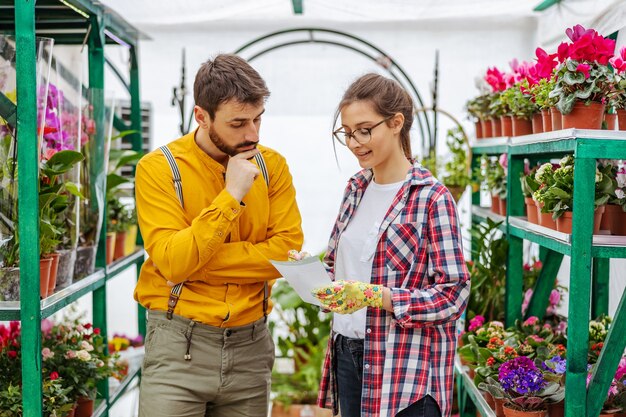
How To Choose the Best Local Plant Nursery for Trees, Shrubs, and Garden Supplies
You walk into a plant nursery for “just one shrub,” and suddenly you’re surrounded by lush greenery, colorful blooms, and the promise of a better-looking yard. But not all nurseries are equal. Some offer healthy, climate-appropriate plants and helpful guidance; others may leave you with struggling trees and wasted time.
Finding the best plant nursery near you can make the difference between a thriving landscape and a frustrating, expensive experiment. This guide walks through what to look for, how to compare local options, and how to get the most value from every visit—whether you’re buying a single houseplant or planning a full garden makeover.
Why Your Choice of Plant Nursery Matters
A nursery is more than a place to buy plants. It can become:
- A source of expert guidance about your local climate and soil.
- A reliable supplier for trees, shrubs, perennials, and garden supplies.
- A partner in long-term landscape success.
When you choose a high-quality nursery, you’re more likely to bring home:
- Plants that are well-matched to your region and microclimate.
- Healthier specimens with fewer pests or diseases.
- Accurate advice on planting, watering, pruning, and fertilizing.
- Access to bulk soil, mulch, tools, and other essentials in one place.
Over time, these advantages can reduce plant losses, replanting costs, and maintenance headaches.
What Makes a “Good” Plant Nursery?
While every gardener’s priorities differ, several qualities frequently show up in well-regarded nurseries.
1. Healthy, Well-Cared-For Plants
Plant quality is often the clearest signal of a nursery’s standards.
Look for:
- Vibrant foliage: Leaves should be appropriately colored for the species, firm, and free from widespread yellowing or spotting.
- Strong structure: Trees and shrubs should have a balanced shape, not leaning heavily or lopsided.
- Clean containers: Pots should drain well and not be covered in thick moss, mold, or weeds.
- New growth: Presence of buds, new leaves, or stems often indicates an actively growing, healthy plant.
Warning signs include:
- Wilted or drooping plants across multiple areas.
- A lot of dead or broken branches left on display.
- Extensive insect presence (webbing, sticky residue, chewing damage).
- Strong, unpleasant odors from standing water or rotting material.
A nursery that manages its stock well is likely to treat customers and advice with similar care.
2. Knowledgeable, Approachable Staff
The staff can be as valuable as the plants themselves. Many gardeners rely on nursery professionals for:
- Identifying which trees and shrubs suit their sun exposure and soil.
- Understanding plant spacing and growth habits.
- Learning how to water newly planted trees and maintain shrubs over time.
- Troubleshooting common garden problems (leaf drop, poor flowering, etc.).
Helpful signs:
- Staff who can explain basic concepts (such as “full sun” vs. “partial shade”) in plain language.
- Employees familiar with local conditions, like common pests or regional drought concerns.
- Willingness to say “I’m not sure, let me check” rather than guessing.
You don’t have to use their recommendations, but good information helps you make more confident decisions.
3. A Focus on Local and Climate-Appropriate Plants
A strong plant nursery usually carries:
- Native species or well-adapted plants that perform reliably in your region.
- Trees and shrubs rated for your USDA hardiness zone or equivalent local zone classification.
- Varieties that tolerate local conditions such as heat, humidity, cold, or coastal exposure.
This matters because:
- Plants suited to your area typically require less water, fertilizer, and maintenance.
- They are often more resilient against regional pests and weather variations.
- Native plants can support local wildlife, such as pollinators and birds.
Nurseries that highlight climate-appropriate options and clearly label hardiness zones often prioritize long-term success over quick sales.
How To Find Plant Nurseries Near You
There are several ways to discover nearby options before you ever step foot on-site.
1. Use Local Search and Maps
Typing terms like:
- “plant nursery near me”
- “tree nursery + your town”
- “garden center shrubs and trees”
into a map or search tool will show many local listings. Details that can be useful:
- Opening hours and seasonal schedules.
- Distance and driving time.
- Photos of the nursery layout and stock.
- Customer feedback describing positive or negative experiences.
2. Check Community Recommendations
Offline and online communities often share helpful, experience-based suggestions:
- Neighbors with beautiful landscapes may share their favorite nurseries.
- Local gardening clubs or community garden groups sometimes maintain lists of trusted sources.
- Social platforms and local forums may highlight nurseries known for trees, shrubs, or specialty plants.
These perspectives can give context you won’t see in a basic online listing, such as which nursery is best for fruit trees, who carries rare perennials, or who is friendliest to beginners.
3. Visit Farmer’s Markets and Garden Events
Local nurseries frequently:
- Sell plants at farmer’s markets.
- Sponsor or appear at garden shows, plant swaps, or home & garden expos.
These events let you interact directly with growers, ask questions, and sample their plant quality before visiting the full nursery.
Comparing Different Types of Nurseries
Not all plant sellers operate the same way. Understanding the basic types helps you know what to expect.
| Type of Seller | Typical Strengths 🌱 | Possible Limitations ⚠️ |
|---|---|---|
| Independent nursery | Local focus, knowledgeable staff, diverse plants | Prices may be higher than big-box stores |
| Garden center | One-stop shop: plants + tools + decor | Plant expertise can vary |
| Wholesale grower | Large quantities, sometimes lower prices | May focus on bulk buyers, limited retail hours |
| Big-box retailer | Convenient locations, seasonal sales | Plant care and selection may be less targeted |
| Online plant seller | Wide variety, rare cultivars | Shipping stress for plants, no in-person check |
Some gardeners use a combination: local nurseries for trees and shrubs, big-box retailers for basic supplies, and specialty growers for unique plants.
What To Look For When You Visit a Nursery
Once you’ve found some promising candidates, an in-person visit reveals much more than photos or listings.
1. Overall Organization and Cleanliness
A well-run nursery typically has:
- Clearly labeled sections: trees, shrubs, perennials, annuals, houseplants, etc.
- Distinct areas for sun-loving and shade-tolerant plants.
- Paths that are reasonably clear and safe to walk.
A tidy environment can indicate good inventory management, consistent watering, and attention to plant health.
2. Labels and Information
Helpful labels make a big difference, especially if you are still learning.
High-quality labels usually include:
- Botanical and common name
- Light needs: full sun, part shade, full shade
- Water needs: low, moderate, high
- Mature size: height and spread
- Hardiness zone or temperature tolerance
- Bloom season (when applicable)
Some nurseries also add:
- Notes on pollinator friendliness.
- Indications if a plant is drought-tolerant or suitable for containers.
- Warnings where a plant can be aggressive or invasive in certain areas.
Clearly labeled stock makes it easier to compare options and plan your garden layout.
3. Shrubs: What To Check Before You Buy
Shrubs form the backbone of many landscapes, from foundation plantings to privacy hedges. When evaluating shrubs at a nursery, you might examine:
- Root system: If the staff permits, gently slide the plant partly out of the container. Roots should be light-colored, firm, and not circling tightly in dense mats.
- Branch structure: Look for a healthy, branching shape rather than a single, weak stem (unless that species naturally grows as a single stem).
- Signs of stress: Leaf scorch, extensive browning, or a lot of dead twigs may indicate past problems.
Also consider the shrub’s role:
- Evergreens for year-round structure.
- Flowering shrubs for seasonal color.
- Berry-producing shrubs for wildlife interest.
A good nursery often groups shrubs by function or growing condition, which simplifies selection.
4. Trees: Special Considerations
Trees are a long-term investment and often more costly than smaller plants, so careful selection is especially important.
Key checks:
- Trunk quality: The trunk should be straight or appropriately shaped for the species, without major cracks or wounds.
- Graft union (if present): This is often a swollen area near the base. It should be intact and not split.
- Branch attachment: Branches should join the trunk at firm, not extremely narrow angles, to reduce the risk of splitting later.
- Container size vs. tree size: Trees severely root-bound in small pots may struggle after planting.
Many nurseries carry both:
- Container-grown trees, which are convenient to move and plant.
- Balled-and-burlapped (B&B) trees, often used for larger specimens.
Staff may be able to explain how each type is handled and planted, so you can choose based on your comfort level and space.
Evaluating Garden Supplies and Tools
A strong plant nursery does more than sell plants. It typically offers garden supplies tailored to local needs.
Common supplies you might find:
- Soil and amendments: Compost, topsoil, peat alternatives, and specialty mixes for raised beds or containers.
- Mulch: Bark, wood chips, or stone mulches in bags or bulk.
- Fertilizers: Granular, liquid, or slow-release options, often formulated for specific plant types (trees, acid-loving plants, lawns).
- Tools: Hand trowels, pruners, loppers, watering cans, hoses, and gloves.
- Irrigation aids: Soaker hoses, drip components, watering timers.
When comparing nurseries, consider:
- Whether products are appropriate for your soil type (clay, sand, loam).
- If they offer regionally relevant fertilizers, for example for native plants or local turf types.
- Availability of organic or low-impact options, if that aligns with your gardening approach.
Nurseries that pay attention to local conditions in their product selection often support more successful planting and maintenance.
Signs a Nursery Aligns With Your Gardening Values
Gardeners care about different aspects beyond price and variety. Some look for:
1. Emphasis on Sustainability
Some nurseries:
- Promote water-wise plants and xeriscaping concepts in dry regions.
- Offer mulch and compost made from local green waste.
- Highlight native plants that support biodiversity.
If environmental impact is important to you, a nursery that talks openly about sustainable practices may be a good fit.
2. Educational Support
Many nurseries support learning through:
- Short workshops or demonstrations on planting, pruning, or container gardening.
- Printed care sheets for popular plants like roses, fruit trees, or hydrangeas.
- Plant tags or signs that explain common issues and basic maintenance.
Educational support is especially valuable if you are a beginner or tackling a new type of plant (such as fruit trees or roses) for the first time.
Questions To Ask Before You Buy
Having a few questions ready can help you gauge how well a nursery can support your specific goals.
Some useful questions:
“Is this plant suitable for my location?”
Mention your sun exposure, soil (clay, sandy, rocky), and any drainage issues.“How big will this get, and how fast?”
Understanding mature size prevents overcrowding and constant pruning later.“How often should this be watered after planting?”
Newly planted trees and shrubs often require more consistent moisture initially.“Does this plant need special winter protection here?”
In colder regions, some evergreens and broadleaf shrubs can be vulnerable.“Do you have alternatives that are lower-maintenance or more drought-tolerant?”
This can reveal additional options better suited to your lifestyle.
Clear, straightforward answers can boost your confidence, especially for big purchases like trees.
Quick Checklist: How To Spot a Great Plant Nursery 🌿
Use this fast-reference list when you’re visiting or comparing nurseries:
- ✅ Healthy plants: No widespread wilting, yellowing, or pest damage.
- ✅ Helpful labels: Light, water, size, and hardiness zone are easy to find.
- ✅ Knowledgeable staff: Willing to answer questions without pressure.
- ✅ Local focus: Offers native or well-adapted plants for your climate.
- ✅ Clean, organized layout: Sections are labeled; plants are grouped logically.
- ✅ Quality garden supplies: Soils, mulches, and tools suited to local conditions.
- ✅ Clear pricing: Tags are visible and consistent, without confusion.
- ✅ Reasonable plant care: Plants are watered consistently and not left in standing water.
The more boxes a nursery checks, the more likely it is to support long-term garden success.
Planning Your Visit for Best Results
A little preparation can help you get more from every nursery trip, especially if you are shopping for trees and shrubs.
1. Know Your Site Conditions
Before you buy, it can help to note:
- How many hours of direct sun different areas receive.
- Whether your soil tends to stay wet, dry, or somewhere in between.
- Any space limitations, such as overhead wires, building proximity, or property boundaries.
This information helps staff guide you toward plants that will actually thrive where you plan to put them.
2. Bring Photos and Measurements
Photos of your yard or problem areas on your phone are valuable tools. Combined with rough measurements (like bed size or fence length), they allow nursery staff to suggest:
- Suitable tree spacing along fences or driveways.
- Shrubs that won’t outgrow a front foundation bed.
- Groundcovers or perennials that fit into tight spaces.
3. Start With a Short List
Going in with a few priorities keeps you focused. For example:
- 1–2 shade trees for a sunny backyard.
- Evergreen shrubs for privacy along a property line.
- A mix of flowering shrubs and perennials for seasonal color by the front door.
You can still browse freely, but a basic plan makes it easier to ask targeted questions and avoid impulse buys that don’t fit your garden.
Balancing Budget, Quality, and Convenience
Price is one factor, but not the only one. Some gardeners observe that:
- Cheaper plants at large retailers can be a good fit for annuals or experimental plantings, where long-term performance matters less.
- Higher-quality, well-cared-for plants from specialized nurseries may have better root systems and lower failure rates for trees and shrubs, potentially saving money over time.
- Proximity and convenience matter if you make frequent trips or need bulk materials delivered.
A balanced approach some people take is:
- Investing more in structural pieces like trees and key shrubs from a trusted nursery.
- Filling in with annuals, groundcovers, or basic supplies from more budget-friendly outlets.
You can adjust this mix according to your priorities and available nurseries.
Common Mistakes to Avoid When Choosing a Nursery
Being aware of typical pitfalls can prevent frustration later.
1. Buying Only Based on Appearance
A plant in full bloom can be tempting, but appearance alone doesn’t guarantee success. A nursery that encourages you to consider:
- Mature size
- Water and light needs
- Local climate suitability
may be more supportive of long-term results than one focused purely on colorful displays.
2. Ignoring Root Health
If possible, evaluating root health is just as important as checking leaves and flowers. Severely root-bound plants can struggle to establish, even if they look good on top when you buy them.
3. Overlooking Aftercare Needs
Some plants require:
- Regular pruning or shaping.
- Specific fertilization routines.
- Extra winter protection.
A nursery that discusses these needs openly helps you avoid surprises.
Making the Most of a Long-Term Nursery Relationship
Many gardeners gradually develop a preferred nursery, returning for new plants and supplies as projects evolve.
Potential benefits of building this relationship include:
- Staff becoming familiar with your yard’s conditions and style, enabling more personalized suggestions.
- Early notice of seasonal arrivals, such as fruit trees, roses, or specialty shrubs.
- Access to custom orders or special plant requests when possible.
Even if you continue exploring other sources, having a “home base” nursery can simplify bigger projects and landscape updates.
Simple Step-by-Step Guide to Choosing a Plant Nursery 🌱
Here is a condensed process you can follow:
List your goals
- Trees, shrubs, perennials, containers, or a full landscape refresh?
Search locally
- Use maps, local listings, and community suggestions to identify candidates.
Check online details
- Look at photos, services (delivery, bulk materials), and general customer feedback.
Visit top contenders
- Walk through, examine plant health, organization, and labels.
Talk to staff
- Ask site-specific questions about your garden conditions and plants you’re considering.
Compare options
- Plant variety, knowledge level, prices, and overall sense of care.
Start small
- Try a few plants and see how they perform and how well the nursery supports you with advice.
Commit gradually
- Use your positive experiences to guide more significant purchases, like trees and major shrubs.
This approach helps you identify the best plant nursery near you in a way that’s grounded in real experience, not just advertising.
A thoughtfully chosen nursery can turn gardening from guesswork into a more predictable, rewarding process. By focusing on plant health, knowledgeable support, and climate-appropriate offerings, you can find a local resource that fits your style, your yard, and your long-term home and garden plans.