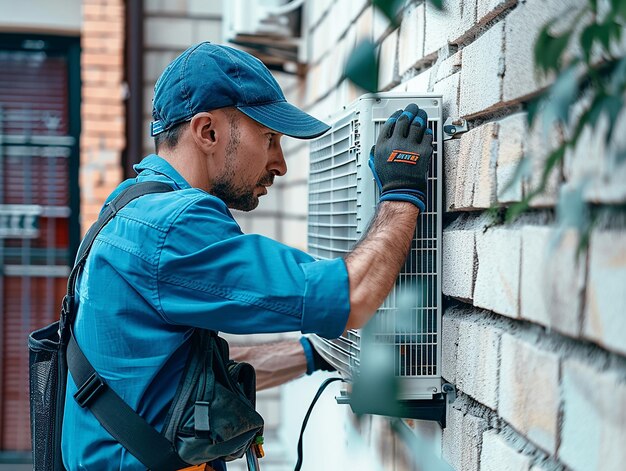
How to Choose Reliable HVAC Repair and AC Installation Services in New York
When a New York summer hits, or a January cold snap rolls in, a failing HVAC system moves from mild annoyance to urgent problem very quickly. In a city and state filled with contractors, ads, and “24/7 emergency” promises, figuring out who you can actually trust for HVAC repair and AC installation can feel overwhelming.
This guide breaks down what to look for, what to avoid, and how to confidently navigate HVAC services in New York—from Manhattan walk-ups and Brooklyn brownstones to Long Island homes and upstate properties.
Understanding HVAC and AC Needs in New York
Before comparing contractors, it helps to understand the basics of what you’re hiring them to do.
What HVAC Services Typically Include
HVAC stands for Heating, Ventilation, and Air Conditioning. In New York, common residential services include:
- AC installation and replacement (central air, ductless mini-splits, PTAC units, window units in some cases)
- AC repair and maintenance (refrigerant issues, frozen coils, thermostat problems, airflow issues)
- Heating repair and installation (furnaces, boilers, heat pumps)
- Ductwork installation and repair (in homes or units that use ducted systems)
- Indoor air quality services (filters, humidifiers/dehumidifiers, air cleaners)
Different property types in New York often have different setups:
- City apartments and condos: PTAC units, through-the-wall units, mini-splits
- Brownstones and townhomes: ductless mini-splits, boilers with radiators, sometimes retrofitted ductwork
- Suburban homes: central air with furnaces or heat pumps, attic or basement equipment
- Upstate homes: a mix of central systems, boilers, and heat pumps adapted for colder climates
Knowing roughly what system you have or want (or at least whether you have ducts) can help you ask better questions and evaluate contractors more effectively.
Why “Reliable” Matters More Than “Fast” or “Cheap”
In a climate as varied as New York’s, HVAC affects comfort, safety, and long-term costs. A rushed or poorly done installation can lead to:
- Frequent breakdowns
- High utility bills
- Uneven heating or cooling
- Shortened system lifespan
A reliable HVAC contractor is less about flashy marketing and more about:
- Competence: properly trained and credentialed technicians
- Consistency: work that holds up over seasons, not just days
- Clarity: clear communication about options, pricing, and next steps
Looking only for the lowest price or the fastest response may solve a short-term problem but create bigger, more expensive issues later.
Key Criteria for Choosing an HVAC Company in New York
1. Licensing, Insurance, and Legal Requirements
New York has specific licensing and permit rules that vary by location. While the details differ between New York City, Long Island, and upstate municipalities, some core principles are similar.
Look for HVAC companies that:
- Are properly licensed for your city or county (often through a local Department of Buildings or equivalent)
- Carry at least general liability insurance
- Use technicians who are registered or certified, where required
- Are familiar with local codes, permits, and inspection processes
You can usually ask:
- “Are you licensed to perform HVAC work in [your city/county]?”
- “Can you provide proof of insurance?”
- “Who pulls the permit for this installation?”
A reliable contractor answers these questions clearly and without hesitation.
2. Experience With New York Homes and Buildings
HVAC in New York is not always straightforward. Older buildings, landmarked properties, dense neighborhoods, and co-op boards can complicate installations and repairs.
It helps when a company has clear experience with:
- Space constraints (tight mechanical closets, no room for ductwork)
- Older electrical or gas systems
- Co-op and condo board approval processes
- Noise and vibration considerations (especially in multi-unit buildings)
- Extreme weather swings (heat waves, polar vortex events)
A contractor comfortable working in New York will often:
- Discuss how they handle building access, noise, and cleanliness
- Understand typical co-op/condo requirements
- Speak confidently about working in older or historic buildings
How to Research HVAC Contractors in New York
1. Build an Initial Shortlist
To avoid decision fatigue, it can help to shortlist 3–5 companies rather than trying to compare dozens.
Possible ways to narrow the field:
- Ask neighbors or building staff who they’ve used and would use again
- Look for contractors with a history of serving your neighborhood or borough
- Search for terms like “HVAC repair in [neighborhood]” or “AC installation in [borough/city/town]”
- Focus on companies that clearly state they serve your type of home (apartment, house, brownstone, etc.)
While online reviews can help, they are only one data point. Focus less on the overall rating and more on patterns in the comments.
2. Read Reviews With a Critical Eye
When scanning reviews:
✅ Helpful signs:
- Multiple mentions of showing up on time
- Comments about explaining options clearly
- References to cleanliness and respect for the home
- Customers noting issues handled well when something went wrong
⚠️ Red flags:
- Many complaints about no-shows or last-minute cancellations
- Repeated comments about surprise charges or price changes after the fact
- Reports of unfinished work or difficulty getting follow-up service
- Very vague positive reviews that say little more than “great service” with no details
Reviews are best used to spot trends, not to make the decision for you.
What to Ask Before You Hire an HVAC Company
Reputable HVAC contractors expect informed questions and usually welcome them. The conversation itself often reveals how they operate.
1. Questions About Credentials and Approach
Consider asking:
- “How long have you been serving this specific area of New York?”
- “What types of systems do you work with most often?”
- “Will a licensed or certified technician be doing the work?”
- “How do you handle permits and inspections?”
Pay attention not just to the answers, but to the clarity and confidence with which they respond.
2. Questions About AC Installation
If you’re planning a new AC installation or replacement:
- “How do you determine what size system I need?”
- Look for mention of a load calculation or assessment based on square footage, insulation, windows, and orientation, rather than just “what you had before.”
- “Can you explain the pros and cons of different systems for my home?”
- For example, central air vs. ductless mini-splits in a brownstone or apartment.
- “Where will the indoor and outdoor units be located, and how will they be supported or secured?”
- “How will you handle noise and vibration, especially near neighbors or shared walls?”
- “How long will installation take, and what kind of disruption should I expect?”
Good contractors are usually willing to walk through your space, discuss routing of lines, and explain the logic behind their recommendations.
3. Questions About Repair and Maintenance
For HVAC repair:
- “Can you walk me through what you’ll check first?”
- “What are some likely causes of the issue I’m describing?”
- “If you find multiple issues, how do you prioritize what to fix now vs. later?”
- “Do you stock common parts on your trucks, or will there be a wait?”
For ongoing maintenance services:
- “What does your maintenance visit include?” (cleaning coils, checking refrigerant levels, testing safety controls, etc.)
- “How often do you recommend service given New York’s climate?”
- “Do you offer maintenance plans, and what do they cover?”
Understanding HVAC Quotes and Estimates
Price matters, but how a contractor builds and explains the quote can be more important than the number itself.
What a Clear Quote Usually Includes
A transparent AC installation or major repair estimate often breaks down:
- Equipment information:
- Brand or manufacturer
- Model numbers or performance levels
- Capacity (such as BTU or tonnage for AC systems)
- Scope of work:
- What exactly will be done (removal of old system, new lines, electrical work, etc.)
- Any ductwork or carpentry needed
- Clean-up and disposal
- Labor costs:
- Either as a separate line or clearly included in the total
- Additional items:
- Permits and inspections
- Thermostat upgrades
- Any needed electrical or structural work
- Warranties:
- Manufacturer warranties on equipment
- Company warranty on labor
If a quote feels vague (for example, “new AC system – one price, no details”), you can ask for a more detailed breakdown.
Comparing Multiple Quotes
When looking at more than one estimate:
- Make sure you’re comparing similar equipment types and capacities
- Note differences in warranty coverage and what is included in the scope
- Observe how quickly and clearly each contractor responds to your questions
A lower price is not necessarily a better value if it comes with:
- Less robust warranty coverage
- Minimal or unclear scope
- Limited explanation of how the system was sized or chosen
Spotting Red Flags When Choosing HVAC Services
Some warning signs suggest you may want to proceed cautiously or keep looking.
Common Red Flags
🚩 Pressure tactics
- Statements like “this price is only good if you sign today” or “you must replace everything immediately” without clear reasoning.
🚩 Lack of documentation
- Refusal or reluctance to provide license, insurance information, or detailed written estimates.
🚩 Unwillingness to visit the property
- For installations, recommending a specific system sight unseen without visiting or asking detailed questions about your space.
🚩 Unclear or shifting pricing
- Adding fees without prior discussion or changing terms partway through the process.
🚩 No physical address or stable contact information
- Only a mobile number, no clear business address, and limited traceable presence in your area.
A contractor who is transparent, patient with questions, and consistent in their communications usually inspires more long-term confidence.
Special Considerations for New York City and Surrounding Areas
New York’s density and building diversity add extra layers to HVAC decisions.
Working With Co-ops, Condos, and Property Management
If you live in a co-op or condo:
- Boards and management often have approved contractor lists, noise rules, and work-hour limitations.
- They may require specific paperwork, such as certificates of insurance with the building named, or proof of licensing.
- There may be restrictions on visible exterior equipment (such as condensers on balconies or roof units).
A contractor experienced with city multi-unit buildings usually:
- Understands building rules and can provide documentation efficiently
- Schedules work within designated hours
- Plans for elevator use, protection of common areas, and debris removal
Noise, Space, and Aesthetics
For apartments and brownstones:
- Noise levels can affect neighbors on all sides. You may want to ask about:
- Sound ratings and vibration control
- Placement of outdoor units away from bedroom windows where possible
- Space is often limited, so:
- Contractors may suggest slim units, wall-mounted indoor units, or carefully routed refrigerant lines
- It’s useful to see photos or sketches of similar installations they’ve done, if available
Balancing Energy Efficiency and Practical Needs
Modern HVAC systems often focus heavily on energy efficiency. In New York, where summers are humid and winters are cold, efficiency can influence both comfort and operating costs.
What “Efficiency” Typically Means
In air conditioning, efficiency is often described using ratings that compare cooling output to energy used. Higher efficiency can mean:
- Lower monthly energy costs compared to less efficient systems
- More consistent temperature and humidity control
- Potentially quieter operation
However, higher-efficiency systems can be more complex and may cost more upfront. A balanced discussion with a contractor might cover:
- How long you plan to stay in the home
- Your typical cooling and heating usage
- Any comfort issues now (hot rooms, uneven cooling) that a different system might solve
The goal is to find a suitable balance of upfront investment, long-term performance, and practicality for your living situation.
Maintenance: Keeping Your New York HVAC System Running Smoothly
Even the best installation can underperform without basic upkeep. Many HVAC issues in New York homes stem from deferred maintenance rather than faulty equipment.
Typical Homeowner Tasks
Some basic tasks many homeowners handle themselves include:
- Changing or cleaning filters regularly
- Keeping outdoor units clear of leaves, snow, or debris
- Not blocking vents or indoor units with furniture or curtains
- Listening for unusual sounds or noticing changes in performance and calling for service early
Professional Maintenance Visits
Professional maintenance often involves:
- Checking refrigerant levels
- Cleaning coils and components
- Inspecting electrical connections and safety controls
- Verifying overall system performance
Regular professional care can help systems:
- Maintain more consistent comfort
- Operate closer to their designed efficiency
- Avoid some preventable breakdowns
Many contractors offer maintenance plans that bundle seasonal visits with priority scheduling for repair calls.
Quick-Reference Checklist for Choosing an HVAC Company in New York
Here’s a concise, skimmable summary of key points to keep in mind:
✅ HVAC Hiring Checklist (New York Edition)
- 🏢 Local experience: Works regularly in your borough/city/town and with your type of building
- 📄 Proper credentials: License and insurance documentation available on request
- 🧊 System expertise: Familiar with systems common in your area (mini-split, central air, PTAC, boilers, etc.)
- 📞 Clear communication: Answers questions thoroughly, explains options, and sets realistic expectations
- 🧾 Transparent quotes: Written estimates with equipment details, scope of work, and warranty information
- 🏛️ Code and permit knowledge: Comfortable handling permits, inspections, and building rules
- 🧹 Professional conduct: On-time arrivals, respect for property, and clean work areas mentioned in reviews
- 🔧 After-service support: Explains warranties and how to get help if something goes wrong later
Example Scenarios: Applying These Tips
Sometimes it helps to see how these principles work in everyday situations.
Scenario 1: AC Replacement in a Brooklyn Brownstone
You have an older AC system that struggles to cool upper floors.
- You shortlist 3 companies that specifically mention experience with townhomes and ductless systems.
- During visits, one contractor measures rooms, looks at insulation, and suggests a multi-zone mini-split solution with indoor units on different floors.
- Their quote includes model details, line routing, and how they’ll minimize wall openings.
- They also explain how they’ll coordinate with neighbors regarding outdoor unit noise and placement.
Even if this contractor isn’t the cheapest, their detailed plan and familiarity with brownstones may provide more long-term value.
Scenario 2: Sudden AC Breakdown in a Manhattan Condo
Your AC stops working during a heat wave.
- You contact companies that can provide same-day or next-day service, but still check for licensing and insurance.
- One contractor walks you through a likely diagnosis by phone and offers a time window with a clear service fee.
- The technician arrives, explains what they’re testing, and gives you repair vs. replacement options with clear price ranges.
- They also suggest a maintenance visit before next summer to help spot emerging issues early.
This transparent approach can help you feel more comfortable with both the immediate repair and future planning.
When to Consider a Second Opinion
There are situations where getting another perspective may be useful:
- A contractor insists on a full system replacement without clearly explaining why repairs are not feasible
- The recommended system seems much larger than what you expected, without a clear load calculation
- You receive an unusually high or low quote compared to others, with no explanation of what’s different
- You feel pushed to decide quickly without time to read or understand the estimate
A second opinion can help you feel more confident about moving forward, whether it confirms the first recommendation or offers a different approach.
Bringing It All Together
Reliable HVAC repair and AC installation in New York is less about chasing the loudest advertisement and more about:
- Verifying credentials and local experience
- Assessing how clearly and patiently contractors communicate
- Reviewing detailed, transparent estimates instead of vague promises
- Choosing a system and setup that suits your specific home, comfort needs, and long-term plans
By taking a bit of time to ask pointed questions, compare thoughtful quotes, and watch for red flags, many homeowners in New York feel better equipped to choose HVAC professionals who will support their comfort over many seasons—not just solve one emergency call.