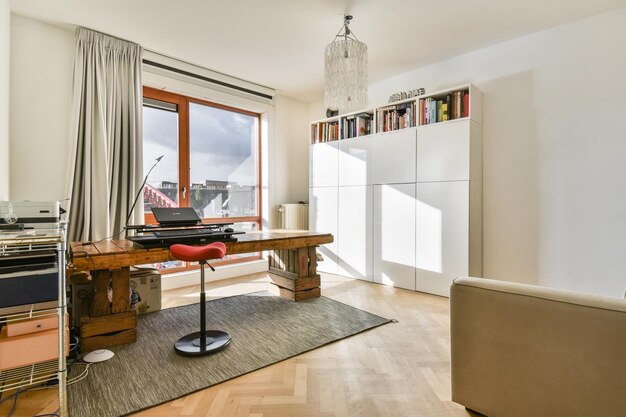
Finding Quality Home Office and Bedroom Furniture Stores in Myanmar: A Practical Guide
Designing a comfortable home office or a restful bedroom in Myanmar can feel challenging. There are many shops, a growing number of online sellers, and big differences in quality, price, and after‑sales service. Yet with a clear approach, it becomes much easier to spot reliable furniture stores and suppliers and avoid costly mistakes.
This guide walks through how to find quality home office and bedroom furniture in Myanmar, what to look for in a supplier, and how to match your choices to local conditions, budgets, and space.
Why Choosing the Right Furniture Store in Myanmar Matters
Home office and bedroom furniture are not just decorative items. They affect:
- Comfort and health – Poorly designed chairs and beds can lead to discomfort over time.
- Productivity – A well-planned home office can make work easier and more focused.
- Longevity and value – In Myanmar’s climate, furniture quality directly influences how long it lasts.
Because of these factors, where you buy — not just what you buy — can make a big difference.
Understanding the Furniture Market in Myanmar
Before searching for specific stores, it helps to understand the general landscape.
Local vs. Imported Furniture
In Myanmar, you will typically find:
- Local wooden furniture
- Often made from teak, pyinkado, tamalan, or other hardwoods.
- Can be very durable when properly dried and finished.
- Designs range from traditional carved styles to simpler modern forms.
- Imported flat-pack or modular furniture
- Often uses engineered wood (MDF, particle board) or metal frames.
- Offers modern designs and space-saving options.
- Quality varies; some items are sturdy, others can be less durable in humid conditions.
Both categories can be suitable. The key is to compare material, build quality, and after‑sales support, not just brand or origin.
Offline vs. Online Shopping
Furniture shopping in Myanmar is gradually shifting:
Offline (physical showrooms and markets)
- You can see, touch, and test pieces.
- Easier to assess build quality and comfort.
- Often allows negotiation and custom orders, especially with local carpenters.
Online (e-commerce, social media sellers)
- Convenient for browsing and comparing styles.
- Helpful for those living far from major cities.
- Requires extra care to verify seller reputation, materials, and return policies.
Many buyers use both: browse ideas online, then confirm in-store, or visit showrooms and later place repeat orders online.
Step‑by‑Step: How to Find Quality Furniture Stores and Suppliers
1. Start With a Clear Plan for Your Space
Before comparing shops, clarify what you actually need.
For your home office
Consider:
- Work style: Do you sit for long hours? Need space for multiple screens?
- Equipment: Laptop or desktop? Printer? Files and books?
- Space size: Small apartment corner vs. dedicated room.
This will guide whether you need:
- A compact desk or a larger L‑shaped desk.
- An ergonomic office chair with adjustable height and back support.
- Storage units such as shelves, filing cabinets, or drawer units.
For your bedroom
Think about:
- Room dimensions and layout.
- Whether you need storage beds, wardrobes, or multi‑functional pieces.
- Your preference for firm or softer sleep surfaces, and pillow height.
Once your needs are clear, you can search for stores that specialize in your type of furniture instead of browsing randomly.
2. Use Smart Search Strategies (Online and Offline)
Even without links, there are practical ways to locate quality furniture stores across Myanmar.
Online search techniques
When using a search engine or marketplace search bar, try combining:
- Location + furniture type
- “Yangon home office furniture”
- “Mandalay bedroom furniture supplier”
- “Naypyidaw wooden bed frame Myanmar”
- Material + city
- “Teak office desk Yangon”
- “Metal bunk bed Myanmar”
- Use + feature
- “Small home office desk Myanmar”
- “Storage bed with drawers Yangon”
Add words like “showroom”, “wholesale”, or “custom” when needed to refine results.
Offline discovery methods
- Visit main furniture streets or clusters in your city, where many shops are located close together.
- Check local newspapers or community boards for furniture shop advertisements.
- Ask for recommendations from neighbors, colleagues, or local contractors; many people rely on word-of-mouth to find reliable carpenters and suppliers.
Combining both online and offline search helps you quickly create a shortlist of potential stores.
3. Evaluate Store Reputation and Reliability
Once you have a shortlist, look deeper at each store or supplier.
What to check
Consistency of information
- Clear store address, phone number, and business hours.
- Matching photos and descriptions across their listings or pages.
Customer feedback patterns
- Look at ratings or comments when available.
- Note recurring patterns such as:
- “Delivery was late”
- “Items didn’t match the photos”
- “Good after‑sales service”
Focus on repeated themes, not one‑off complaints.
Longevity and physical presence
- Stores that have operated in the same location for years often build ongoing relationships with local customers.
- A proper showroom, even if modest, can show they are invested in their business.
Communication quality
- Do they answer questions clearly and politely?
- Are they able to explain materials, dimensions, and warranties?
⭐ Tip: A store that willingly answers detailed questions about wood type, joinery, or fabric care is often more reliable than one that avoids specifics.
4. Judge Furniture Quality Like an Expert
When you visit a showroom or consider buying online, use a simple checklist to assess quality, especially for home office desks, chairs, and bedroom sets.
Materials: what to know
Common materials in Myanmar include:
Solid hardwood (e.g., teak, pyinkado)
- Often heavier and more durable.
- Useful for beds, wardrobes, and solid desks.
- Check for smooth finishing and consistent color.
Softwood or mixed wood
- Lighter and usually more affordable.
- Suitable for parts that don’t bear heavy weight.
Engineered wood (MDF, particle board, plywood)
- Often used in modern, modular furniture.
- Better performance when thick and well‑laminated.
- In very humid environments, higher‑quality boards with good sealing tend to last longer.
Metal frames
- Common in bunk beds, office chairs, and minimalist desks.
- Check welds, joints, and anti‑rust coatings.
Upholstery and fabrics
- Office chairs and upholstered beds may use mesh, fabric, or synthetic leather.
- Feel the fabric; it should be reasonably thick and tightly stretched.
Construction and stability
When inspecting pieces in person:
For chairs
- Sit and gently shift your weight. Does it wobble?
- Test the backrest and armrests. They should feel secure, not loose.
- Check adjustment mechanisms (height, tilt) if available.
For desks
- Press down on the surface and corners.
- Ensure there is minimal shaking.
- Drawers should slide smoothly.
For beds
- Push the headboard and footboard to check stability.
- Inspect slats or base supports; they should be evenly spaced and secured.
- If there is storage under the bed, open and close drawers to see how they run.
For wardrobes and cabinets
- Open doors fully; hinges should not squeak or strain.
- Shelves should sit firmly on pins or supports.
🔍 Look closely at:
- Screw heads: Are they well‑fitted or misaligned?
- Joints: Are gaps visible?
- Finishes: Any rough spots, drips, or uneven staining?
Quality pieces usually have clean joinery and smooth finishing, even on areas that are not immediately visible.
5. Understand Pricing and Value in the Myanmar Context
Prices for home office and bedroom furniture in Myanmar can vary widely due to:
- Material type (solid teak vs. MDF).
- Custom work vs. mass‑produced items.
- Brand recognition and import costs.
Instead of focusing only on the lowest price, consider value for use over several years.
How to compare offers fairly
Create a simple comparison table for your shortlisted items:
| Factor | Option A (Local Wood) | Option B (Imported MDF) | Option C (Metal/Hybrid) |
|---|---|---|---|
| Price (relative) | Higher | Medium | Lower–Medium |
| Durability | High (if well made) | Moderate | Moderate–High |
| Maintenance | Occasional polishing | Care with moisture | Rust protection |
| Style | Traditional/Modern | Modern/Minimalist | Industrial/Compact |
| Customization | Often possible | Limited | Limited–Moderate |
This type of comparison helps you see:
- Whether a higher‑priced item actually offers longer usability.
- Whether a cheaper product may need earlier replacement.
⭐ Reminder: Sometimes a slightly more expensive, well‑built local piece can be more economical over time than a cheaper, less durable item.
6. Consider Custom and Semi‑Custom Furniture
In many parts of Myanmar, local carpenters and small workshops can create custom or semi‑custom pieces, especially in wood.
When custom furniture makes sense
- Your room is small or irregularly shaped.
- You want built‑in wardrobes or wall‑to‑wall shelving.
- You have a specific desk size to fit multiple monitors or equipment.
When working with a custom furniture maker:
- Bring measurements of your room (including doorway width and stairwells).
- Show reference photos or sketches of what you want.
- Discuss:
- Wood type and thickness.
- Finish (natural, stained, painted).
- Hardware (handles, hinges, runners).
- Ask about:
- Estimated production time.
- Delivery and installation arrangements.
Many buyers in Myanmar find that custom bedroom sets (bed frame, wardrobe, dressing table) can be good value when sourced from reliable local workshops.
7. Planning for Climate, Care, and Durability
Myanmar’s climate — often hot and humid, with a pronounced rainy season in many regions — impacts furniture performance.
What to keep in mind
Humidity and wood
- Poorly dried wood can warp or crack.
- Ask how the wood has been treated and dried.
- Allow new furniture some ventilation time; avoid placing it directly next to damp walls.
Termite and pest exposure
- In some areas, wooden furniture may be exposed to termites.
- Stores may offer pieces treated or coated to reduce risk.
- It can be helpful to periodically inspect wooden items, especially those near walls or floors.
Sunlight
- Strong direct sunlight can fade finishes and fabrics.
- Place desks and beds so that intense sun does not hit surfaces all day, or use coverings where practical.
Ventilation
- For mattresses and upholstered pieces, reasonable airflow can help avoid musty smells in humid seasons.
Furniture that is chosen with these conditions in mind often lasts longer and looks better over time.
8. Delivery, Assembly, and After‑Sales Support
A store can offer beautiful, well‑priced furniture but still cause frustration if delivery and support are unreliable.
Key questions to ask suppliers
Delivery scope
- Do they deliver to your exact township or town?
- Is there an additional delivery fee?
Assembly
- Is assembly included, or must you assemble it yourself?
- If self‑assembly is required, will they provide clear instructions or guidance?
Installation
- For wardrobes, wall shelves, or large desks, ask whether they assist with installation or only drop the items at your door.
Return and exchange policies
- What happens if items arrive damaged or not as described?
- Is there a time window for reporting issues?
Warranty
- Some suppliers may offer limited warranties on mechanisms (for office chairs), drawer runners, or structural elements.
Having clear answers to these questions reduces surprises and helps you compare stores beyond just price.
9. Creating a Cohesive Style for Your Home Office and Bedroom
Once you know where and how to buy, you can think about style and harmony between your spaces.
Matching home office and bedroom aesthetics
Many homes in Myanmar have the home office inside or near the bedroom. To create a unified look:
- Choose a consistent wood tone (e.g., all warm teak finishes or all light oak‑like finishes).
- Keep hardware (handles, knobs) in similar metal colors (e.g., all black, all silver).
- Balance traditional elements (carved headboard, classic wardrobe) with modern pieces (minimalist desk, simple shelves) in a way that feels natural to you.
Space‑saving ideas
For smaller homes, consider:
- Wall‑mounted desks or foldable tables for a compact work area.
- Beds with storage drawers for seasonal bedding or clothing.
- Multi‑purpose furniture, like a desk that also serves as a dressing table, or a wardrobe with built‑in shelves for office files.
Planning these elements in advance helps you select stores that offer the most appropriate solutions.
Quick Checklist: Spotting Quality Furniture Stores in Myanmar 📝
Use this list while you research or visit showrooms:
- ✅ Clear contact details (address, phone, showroom location).
- ✅ Visible product photos that match reality (materials, color, proportions).
- ✅ Consistent customer feedback patterns, especially about quality and delivery.
- ✅ Staff or sellers who answer questions clearly about:
- Wood or board types.
- Finishes and fabric.
- Delivery, assembly, and warranties.
- ✅ Ability to see, touch, or test key items (beds, chairs, desks) either in person or through detailed media and descriptions.
- ✅ Transparent pricing and extra fees (for delivery, custom work, or installation).
If several items on this checklist are missing, it may be worth comparing with other suppliers before deciding.
Practical Buying Tips for Myanmar Households 🌱
Here are some focused, easy‑to‑apply suggestions as you choose your home office and bedroom furniture:
- 💡 Measure doorways, stairs, and elevators before buying large wardrobes or beds to avoid delivery difficulties.
- 💡 For home office chairs, comfort and adjustability often matter more than appearance. Test seating whenever possible.
- 💡 When buying wooden furniture, ask which parts are solid wood and which are veneer or engineered board.
- 💡 If you work long hours at a desk, consider a desk height that allows your elbows to bend roughly at a right angle and your screen to be at eye level.
- 💡 For humid areas, consider bed frames with slats or designs that allow better airflow under the mattress.
- 💡 Keep a simple maintenance routine: occasional dusting, wiping spills quickly, and avoiding heavy impact on edges and corners.
- 💡 If you’re unsure about a big purchase, start with one key item (e.g., a bed or office chair) from a store. If the experience is positive, you can return for more pieces.
Bringing It All Together
Finding quality home office and bedroom furniture in Myanmar is less about chasing a single “best” store and more about using a structured, informed approach:
- Define your needs and space clearly for both office and bedroom.
- Search strategically using both online tools and offline networks.
- Evaluate store reliability using contact details, customer patterns, and communication quality.
- Inspect materials and construction so you can judge quality beyond appearance.
- Balance price with durability and climate suitability, especially in humid regions.
- Consider local custom work when you need exact sizes or built‑in solutions.
- Clarify delivery and after‑sales policies before you pay.
By following these steps, you can select furniture suppliers and stores that match your expectations, support your daily routines, and fit Myanmar’s specific conditions. Over time, this thoughtful approach can help you build a home that feels both functional and peaceful — a place where your work area and bedroom truly support the way you live.