How to Choose Area Rugs and Floor Coverings That Truly Fit Your Home
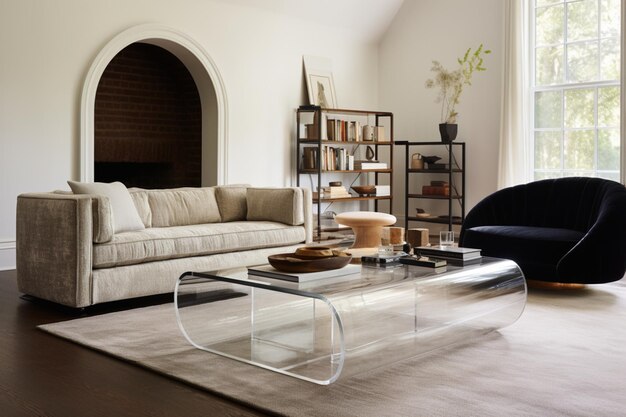
Walk into a room with the right rug, and everything feels intentional: the furniture makes sense, colors feel pulled together, and the space looks warm and finished. Walk into the same room with the wrong rug, and it can feel off in a way that’s hard to explain.
Area rugs and floor coverings do a lot of quiet work in a home. They define spaces, soften sound, add color and texture, and even influence how large or cozy a room feels. This guide walks through how to choose rugs that actually support your style, layout, and daily life—not just what looks pretty in a store.
Understanding the Role of Area Rugs in Your Home
Before looking at sizes, colors, or materials, it helps to be clear about what you want your rug to do in each room.
What a Rug Can Do for a Space
A well-chosen rug can:
- Anchor a seating area in an open-plan layout
- Visually separate zones (e.g., living vs. dining in one large room)
- Add warmth to hard floors like tile, stone, or hardwood
- Soften acoustics in echoey rooms with high ceilings or minimal fabric
- Introduce color or pattern without repainting or changing furniture
- Protect flooring in high-traffic spots like hallways and entryways
Thinking in terms of function first makes later decisions—size, material, pattern—much easier and more consistent.
Step 1: Start with the Room, Not the Rug
Consider How the Room Is Used
A rug in a formal living room has different demands than one in a kids’ playroom. Before choosing, think about:
- Traffic level: Is this a busy hallway or a rarely used guest room?
- Shoes or no shoes: Some homes keep shoes on at all times; others don’t.
- Food and drink: Dining rooms, breakfast nooks, and TV rooms are more prone to spills.
- Pets and kids: Claws, toys, crumbs, and art projects all affect durability needs.
Rooms that get more use typically benefit from low- to medium-pile, durable fibers, and patterns or colors that handle everyday life without looking tired.
Match the Rug to the Existing Style
Look at what’s already in the room:
- Furniture style: modern, traditional, rustic, boho, minimalist, eclectic
- Color palette: warm vs. cool tones, bold vs. muted
- Floor color: dark vs. light wood, tile, carpet, or concrete
A rug usually looks most cohesive when it either:
- Blends with existing colors for a calm, seamless look, or
- Contrasts strategically to act as a focal point (for example, a rich Persian-style rug under neutral furniture)
Step 2: Get Rug Size and Placement Right
Many people choose rugs that are too small for the room. Size and placement have a huge impact on how polished a space looks.
General Size Guidelines
These are common approaches people use when deciding rug placement:
Living Room
All legs on:
A large rug with all furniture legs on it creates a unified, anchored seating area—often used in bigger rooms.Front legs on:
A slightly smaller rug with just the front legs of the sofa and chairs on the rug is a popular choice; it still anchors the seating area but can be more flexible in smaller rooms.Floating rug (often less effective):
A rug that floats in the center with no furniture touching it can make a room feel disjointed. It’s usually more effective when at least some furniture connects with the rug.
Dining Room
A common approach is to choose a rug that:
- Extends at least the width of the table plus enough extra so chairs remain on the rug when pulled out.
- Many people find that chairs half on/half off a rug tend to wobble or catch, which can be uncomfortable.
Bedroom
Typical choices:
Large rug under the bed:
Extends beyond the sides and foot of the bed, so your feet land on softness when you get up.Runners on each side:
Narrow rugs or runners on either side of the bed are an option when a full-size rug isn’t practical or necessary.Smaller rug at the foot of the bed:
Adds style and texture but offers less underfoot comfort when getting in and out of bed.
Hallways and Entryways
- Runners: Long, narrow rugs guide the eye and add comfort underfoot.
- Entry mats and small area rugs: Can define the entry zone, catch dirt, and add a welcoming touch.
Step 3: Choose the Right Material for Your Lifestyle
Rug material affects feel, durability, maintenance, and cost. Below is a quick overview of commonly used materials and their typical characteristics.
Common Rug Materials at a Glance
| Material | Typical Feel & Look | Where It’s Often Used | General Pros | General Considerations |
|---|---|---|---|---|
| Wool | Soft, dense, warm | Living rooms, bedrooms, offices | Durable, resilient, naturally cozy | Usually higher cost; may shed at first |
| Cotton | Light, casual, soft | Kitchens, kids’ rooms, casual | Often washable (size permitting), light | Can show wear more quickly in high traffic |
| Synthetic (e.g., polypropylene, nylon) | Varies, often soft to medium | High-traffic & family spaces | Typically stain-resistant, budget-friendly | Can feel less natural underfoot |
| Jute/Sisal | Textured, natural, earthy | Living rooms, dining, entry | Adds organic texture, often durable | Typically rougher feel; sensitive to moisture |
| Blends | Mixed textures and properties | Versatile across rooms | Balances pros of multiple fibers | Performance depends on exact blend |
| Outdoor rugs | Durable, often flat-woven | Patios, balconies, covered porches | Resists moisture and weather | Feel may be less plush; look is more casual |
Matching Material to Room Type
- Living rooms: Wool or quality synthetics for comfort and durability.
- Dining rooms: Flatweave or low-pile rugs that are easier to clean around chairs and food.
- Kitchens: Flatweave cotton or performance fibers that handle spills and frequent cleaning.
- Bedrooms: Wool, soft synthetics, or higher-pile rugs that feel cozy on bare feet.
- Entryways and hallways: Durable synthetics, indoor-outdoor, or natural fiber rugs that manage foot traffic.
Step 4: Choose Pile Height and Construction
“Pile” is the height of the rug fibers. Construction (how a rug is made) also affects how it looks and wears.
Pile Height Options
Low pile (flatweave, short fibers)
- Clear patterns, crisp look
- Easier to clean
- Good for dining rooms, hallways, and offices where chairs need to move easily
Medium pile
- Soft underfoot without being too thick
- Often used in living rooms and bedrooms
- Balances comfort and maintenance
High pile / shag
- Very plush and cozy
- Common in bedrooms or lounge areas
- Can trap dirt and be harder to vacuum thoroughly
Rug Construction Types
- Hand-knotted: Often associated with high durability and intricate patterns; typically considered a long-term investment.
- Hand-tufted: Thick and plush, usually with a backing; a popular mid-range option.
- Machine-made: Consistent patterns and sizes; often budget-friendly and widely available.
- Flatweave: No pile; reversible in many cases; good for layering and high-traffic areas.
The “best” construction depends on your budget, how long you plan to keep the rug, and how much use it will see.
Step 5: Color, Pattern, and Style Choices
Rug design can either quietly support the rest of your decor or become a bold statement. Both approaches can work; the key is deciding your priority.
Coordinating with Existing Colors
Some practical ways people approach color:
- Pick a rug first when decorating from scratch, and pull wall/fabric colors from it.
- Match a secondary color in the room (throw pillows, art, curtains), so the rug feels connected.
- Use the rug to warm or cool the space:
- Warm colors (reds, oranges, yellows) often make rooms feel cozier.
- Cool colors (blues, greens, grays) can feel calm or airy.
Pattern vs. Solid
Patterned rugs
- Can disguise stains and everyday wear better.
- Add visual interest, especially in simple or neutral spaces.
- Work well in family rooms, kids’ rooms, and high-traffic zones.
Solid or subtly textured rugs
- Create a calm, minimalist look.
- Let other elements (like bold art or colorful furniture) stand out.
- May show stains or discoloration more easily.
For small rooms, many people choose lighter colors and subtle patterns to help the space feel more open. Larger rooms can often handle richer hues and bolder designs.
Step 6: Safety, Comfort, and Practical Details
Beyond style, there are practical considerations that affect daily comfort.
Rug Pads and Non-Slip Backing
Rug pads are often used to:
- Prevent slipping on hard floors
- Add cushioning underfoot
- Protect floors by reducing friction
- Reduce wrinkles or buckling in the rug
Different pads are made for different flooring types and rug thicknesses. Many homeowners consider them a basic safety feature, especially in hallways, entries, and nurseries.
Cleaning and Maintenance
When comparing rugs, it can help to consider:
Vacuuming needs:
- High-pile and shag rugs may need more careful vacuuming.
- Flatweaves are usually easier to clean on the surface.
Stain responsiveness:
- Synthetic fibers often respond well to common spot-cleaning methods.
- Some natural fibers can be more sensitive to moisture and certain cleaners.
Rotate rugs periodically:
- This can help distribute wear and fading more evenly, especially in sunny rooms.
Reading cleaning instructions before buying helps avoid surprises later.
Room-by-Room Rug Ideas
Different rooms place different demands on rugs. Here’s how many people think through the options in each space.
Living Room Rugs
Key considerations:
- Size: Large enough to connect seating pieces visually.
- Comfort: This is often where people sit, play with kids, or lounge on the floor.
- Style: A major opportunity to influence the room’s look.
Common choices:
- Medium-pile or low-pile wool or synthetic for durability and softness.
- Patterned rugs to hide daily wear and add interest.
- Layered look: A natural fiber rug on the bottom, with a smaller patterned rug layered on top for texture.
Dining Room Rugs
Focus is on:
- Easy chair movement: Low pile so chairs slide smoothly.
- Cleaning: Food and drink spills are likely.
People often choose:
- Flatweave or low-pile rugs that are sturdy and easy to vacuum.
- Patterns or darker tones that better disguise minor stains.
- A rug sized to allow chairs to stay on the rug when pulled back.
Bedroom Rugs
Here, comfort often takes priority:
- Soft surface underfoot: Especially important around the bed.
- Warmth: Rugs add coziness to the room visually and physically.
Typical setups:
- One large rug under the bed extending on all sides.
- Two runners on each side of the bed.
- High-pile or plush rugs used where people step most.
Entryway and Hallway Rugs
These areas see some of the heaviest use:
- Durability is usually a top priority.
- Rugs can trap dirt and protect flooring.
- Runners can visually guide the eye and make narrow spaces feel intentional.
People frequently select:
- Low-pile or flatweave for easy cleaning.
- Indoor-outdoor or synthetic fibers for moisture-prone entries.
- Patterns that conceal soil and wear.
Kitchen Rugs and Mats
Rugs in kitchens are often both decorative and functional:
- Placed in front of the sink, stove, or as a small runner in galley-style kitchens.
- Frequently chosen with easy cleaning in mind (spot-cleanable or washable, if size allows).
Low-pile, flatweave, or performance-fiber rugs are commonly used here.
Coordinating Multiple Rugs in an Open-Plan Space
Open-plan homes benefit from rugs that help define zones while still looking unified overall.
Ways people keep multiple rugs cohesive:
- Repeat a color palette: Different patterns, same color family.
- Vary pattern scale: For example, a large-scale pattern in the living area and a small-scale or subtle pattern in the dining area.
- Mix textures: A soft wool in the living room and a natural fiber rug under the dining table, tied together by similar colors.
The goal is to make each zone feel distinct but not disconnected.
Budget and Longevity Considerations
Costs for rugs vary widely. Many homeowners balance how long they plan to keep the rug with how hard it will be used.
Deciding Where to Invest
Some typical patterns people follow:
Invest more in rugs for:
- Main living areas used daily
- Spaces where the rug is a central visual anchor
- Rooms where long-term durability matters most
Spend less on:
- Very high-traffic entryways where rugs might need frequent replacing
- Kids’ rooms that will change style as they grow
- Temporary living situations or evolving layouts
Durability isn’t just about price; it also relates to materials, construction, and how well you maintain the rug over time.
Quick Reference: Choosing the Right Rug by Room and Need 🧭
Use this as a simple starting point, not a rigid rulebook.
🛋️ Living Room
- Aim for: Rug large enough to connect all seating
- Good options: Medium-pile wool or synthetic, patterned
- Focus on: Comfort, visual anchoring, durability
🍽️ Dining Room
- Aim for: Chairs stay fully on rug when pulled out
- Good options: Flatweave or low-pile, patterns to hide spills
- Focus on: Easy cleaning, smooth chair movement
🛏️ Bedroom
- Aim for: Soft landing on both sides of bed
- Good options: Medium or high-pile, cozy textures
- Focus on: Comfort, warmth, proportion to bed size
🚪 Entryway/Hallway
- Aim for: Durable, non-slip coverage along traffic path
- Good options: Runners, indoor-outdoor, low-pile or flatweave
- Focus on: Safety, dirt management, wear resistance
🍳 Kitchen
- Aim for: Strategic comfort at sink or stove
- Good options: Washable or easy-clean flatweave, performance fibers
- Focus on: Spill resilience, convenience, safety
Common Rug Mistakes and How People Avoid Them
Over time, certain patterns show up in what people regret about rug purchases. Being aware of these can help refine your choices.
Rug too small for the room
- Often makes spaces look choppy or unfinished.
- Many people measure the intended layout first before shopping.
Ignoring door clearance
- Thick rugs near doors can catch or prevent doors from opening smoothly.
- Checking door swing and clearance beforehand helps avoid this.
Choosing a delicate rug for a tough space
- Light, high-pile rugs in busy entryways tend to show wear quickly.
- In these spaces, flatweave or more resilient materials may be more practical.
Overly bold pattern that clashes with existing decor
- It can be tempting to fall for a striking design that doesn’t quite fit.
- Many people bring room photos or color swatches when shopping to keep decisions grounded.
Skipping a rug pad
- This can impact safety and comfort and may shorten rug life due to friction.
- Rug pads are often used as a simple way to add grip and extend the rug’s useful life.
Simple Step-by-Step Process to Choose a Rug 📝
Here’s a streamlined way many homeowners approach the decision:
Define the rug’s job in the room
- Anchor seating, warm up a bedroom, protect a hallway, etc.
Measure the space and layout
- Note furniture placement and how far you want the rug to extend.
Choose material and pile based on use
- High traffic vs. low traffic, pets and kids vs. adult-only spaces.
Select color and pattern based on your existing decor
- Decide if the rug is a quiet foundation or a bold focal point.
Check practical details
- Door clearances, cleaning needs, whether a rug pad is appropriate.
Visualize before committing
- Tape out the size on the floor, or compare dimensions carefully to your measurements.
Bringing It All Together
Rugs often act as the “missing piece” that pulls a room together, but they do far more than decorate. They shape how a space feels, functions, and wears over time. When you consider purpose, size, material, construction, and style together, your choice becomes less about guessing and more about intentionally supporting the way you live.
There’s no single perfect rug for every home or every room. Instead, each space has a range of good options that fit its daily demands, visual style, and long-term plans. By starting with how the room is used, then layering in color, texture, and pattern, you create floors that not only look good in photos, but also feel right every day you walk across them.