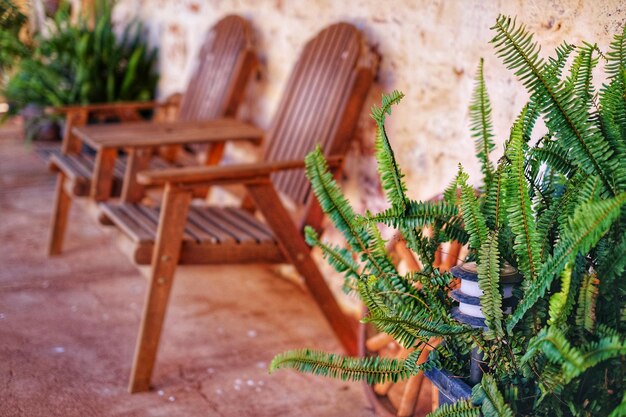
Year-Round Outdoor Style: How to Choose the Best Furniture and Garden Décor for Every Season
A well-designed outdoor space can feel like an extra room in your home—one that changes personality with the weather. In spring, it’s fresh and hopeful. In summer, it’s social and sun-soaked. In autumn, it’s warm and cozy. In winter, it can still be inviting and beautiful with the right touches.
Choosing outdoor furniture and garden décor that work in every season is less about buying more and more pieces, and more about making smart, flexible choices that adapt throughout the year. This guide walks through how to do exactly that.
Understanding Your Space and Seasons First
Before thinking about sofas, lanterns, or planters, it helps to understand two things: your climate and your actual outdoor living habits.
Know Your Climate
Different climates put very different demands on outdoor furniture:
- Wet or coastal regions
Constant moisture and salty air can cause rust, mold, and fading. - Hot and sunny climates
Strong UV can bleach fabrics and crack certain plastics or woods. - Cold or snowy areas
Freeze-thaw cycles can damage porous materials, and snow adds weight and moisture. - Windy locations
Lightweight pieces and loose décor can tip or fly away.
A good starting point is to ask:
The answer will guide your material and layout choices.
Clarify How You Actually Use the Space
A small balcony used for morning coffee has very different needs from a large backyard used for big gatherings. Think about:
- Do you mostly dine, lounge, garden, or entertain?
- How many people typically use the space at once?
- Do you prefer low-maintenance pieces, or do you enjoy styling and rearranging often?
- Do you have storage for cushions and décor in the off-season?
When your furniture and décor support your real lifestyle, you’re more likely to enjoy the space in every season instead of just one or two.
Choose Outdoor Furniture Materials That Stand Up to Every Season
The materials you choose are the foundation of a year-round outdoor setup. Some are naturally better suited for all-weather use.
Common Outdoor Furniture Materials (and Their Seasonal Pros/Cons)
| Material | Seasonal Strengths 🌤️ | Seasonal Considerations ⚠️ |
|---|---|---|
| Aluminum | Rust-resistant, lightweight, good for rain and sun | Can blow over in high wind; can feel hot in peak sun |
| Steel / Wrought Iron | Very sturdy, stays put in wind, classic look | Can rust if coating chips; heavy to move or store |
| Teak / Hardwood | Naturally durable, ages gracefully, suits all seasons with care | Needs periodic sealing for color; can be pricier |
| All-Weather Wicker (Synthetic Rattan) | Resistant to moisture and fading; comfortable look in all seasons | Cheaper versions may crack in extreme heat/cold |
| Plastic / Resin | Lightweight, often low-maintenance, good for wet climates | Can fade or become brittle over time in strong sun |
| Concrete / Stone | Extremely stable, ideal in wind; striking modern or rustic look | Very heavy; can be cold to the touch in winter |
Balanced approach: Many people find a combination works best—such as an aluminum or steel frame with all-weather cushions, and a teak or composite table for warmth and durability.
Building a Flexible, Year-Round Furniture Layout
Think of your outdoor space as a stage that can be re-set each season. The core pieces stay; the layers and accessories change.
1. Start with Timeless, Neutral Foundation Pieces
Neutral, simple base furniture tends to transition across seasons more easily:
- Sofas, chairs, and tables in black, charcoal, white, beige, or natural wood tones
- Clean lines rather than strong seasonal themes or colors
- Cushions in neutral base colors that you can update with seasonal pillows and throws
This allows you to change the mood with smaller, easier-to-store elements instead of replacing big-ticket pieces.
2. Plan for Multiple “Zones”
Even in a small area, multiple zones can make your space more usable year-round:
- Lounge zone: Sofa, armchairs, or a bench with cushions
- Dining zone: Table and chairs or a bistro set
- Quiet zone: A single comfortable chair and small side table for reading
- Garden/plant zone: Planters, vertical gardens, or raised beds
You don’t need all of these. Choosing one or two zones that match your lifestyle (e.g., evening dining and weekend lounging) is often enough. Zones can also shift with the seasons—for example, dining outdoors more in summer and lounging by a fire element more in autumn.
3. Prioritize Storage and Flexibility
Outdoor spaces that work in every season usually have:
- Stackable or foldable chairs for easy storage
- Lightweight side tables that can move with the sun or shade
- Storage benches or deck boxes for textiles and décor
- Modular seating that can be rearranged from intimate setups in cooler months to open, social layouts in summer
📝 Quick tip:
If storage is limited, choose fewer but higher-quality pieces, and use textiles and small décor items that are easy to bring inside as the weather shifts.
Seasonal Outdoor Furniture and Décor Guide
Now to the fun part: how to adapt your setup for spring, summer, fall, and winter while using a shared core of furniture.
Spring: Fresh, Bright, and Welcoming
Spring is about waking the space up after winter and preparing it for more consistent use.
Key Goals for Spring Décor
- Refresh and clean after winter storage
- Introduce color and life with plants and textiles
- Create a space that feels inviting on mild days, even if evenings are still cool
Furniture Considerations in Spring
- Bring out the main furniture pieces and inspect for any damage from storage or weather.
- Adjust layouts to maximize sun exposure on cooler days.
- Add light throws and transitional cushions (not overly thick or heavy yet).
Spring Garden Décor Ideas
- Planters in soft or pastel tones with early-blooming flowers or hardy greenery
- Decorative lanterns with candles or LED lights for early evening ambiance
- Simple outdoor rugs to define seating areas and hide any winter-worn surfaces
- Bird feeders or bird baths for a sense of movement and life
Summer: Comfort, Shade, and Easy Entertaining
Summer is often when outdoor spaces get the most use—dining, lounging, and gathering.
Key Goals for Summer Décor
- Provide shade and cooling
- Offer comfortable seating for longer periods
- Make the space functional for guests (if you entertain)
Furniture Considerations in Summer
- Opt for deep cushions and ergonomic seating for long conversations.
- Use extension tables or additional seating (stools, benches) for guests.
- Pay attention to materials that stay comfortable in the heat:
- Cushions with breathable, UV-resistant fabric
- Tables with surfaces that don’t become excessively hot to the touch
Shade and Comfort Elements
- Umbrellas, pergolas, or shade sails for sun protection
- Outdoor rugs that stay cool enough under bare feet
- Side tables near every seat for drinks and snacks
- Outdoor-safe fans in covered areas to keep air moving
Summer Garden Décor Ideas
- Vibrant textiles: pillows, table runners, and seat pads in bolder colors
- String lights or festoon lights for evening ambiance
- Planters with lush, heat-tolerant plants or herbs
- Serving carts or bar tables that can roll to where they’re needed
Autumn: Warm, Cozy, and Layered
Autumn is ideal for extending outdoor living. Cooler air and earlier evenings call for warmth and layers.
Key Goals for Autumn Décor
- Add warmth in color and texture
- Make the space cozy for shorter days and cooler nights
- Prepare furniture gradually for the coming winter (if harsh)
Furniture Considerations in Autumn
- Keep main furniture in place, but shift seating closer together for coziness.
- Add weather-resistant throws and thicker cushions (or cushion covers).
- Consider introducing heat sources (where safe and permitted), such as:
- Fire pits
- Patio heaters
- Tabletop fire bowls (in ventilated areas)
Autumn Garden Décor Ideas
- Rich, earthy tones in pillows, blankets, and table décor
- Pumpkins, gourds, or seasonal foliage in planters and centerpieces
- Layered lighting: lanterns, candles, low-level path lighting
- Decorative wreaths or seasonal door décor visible from the outdoor space
🧡 Autumn quick wins:
- Swap light summer textiles for deeper, warmer fabrics.
- Add textured elements like woven baskets, chunky knit throws, and rustic lanterns.
- Highlight existing plants with warm-toned pots or planters.
Winter: Durability, Protection, and Subtle Beauty
Even if you don’t sit outside much in winter, your outdoor space is still part of what you see every day. The goal is to protect what you have while keeping the view appealing.
Key Goals for Winter Décor
- Protect furniture from harsh elements
- Maintain a visually pleasing view from indoors
- Allow for occasional, weather-permitting use (if desired)
Furniture Considerations in Winter
- In milder climates:
- Keep main furniture out with protective covers when not in use.
- Use outdoor-rated cushions sparingly and store them between uses.
- In harsher climates:
- Store cushions and textiles indoors or in dry, covered storage.
- Consider moving lighter pieces to a garage, shed, or covered area.
- Use heavier furniture or anchor pieces that can safely stay outside.
Winter Garden Décor Ideas
- Use evergreen plants or winter-hardy shrubs in planters for structure.
- Add simple, sturdy décor that withstands wind and moisture, such as:
- Metal or stone lanterns
- Weather-resistant statues or sculptures
- Minimalist, neutral planters
- Consider subtle, warm lighting that you can see from indoors:
- Soft white string lights
- Low-voltage landscape lighting
- Battery-operated candles in lanterns
Textiles and Colors: Your Secret Weapon for Seasonal Style
You can often keep the same core furniture all year and transform the mood primarily through textiles and color.
Building a Seasonal Textile “Capsule Wardrobe” for Your Patio
Many people find it helpful to build a simple rotation:
- Base layer (year-round)
- Neutral cushions (e.g., gray, beige, taupe)
- A durable, neutral outdoor rug
- Spring/Summer layer
- Light, fresh-colored pillows (blues, greens, pastels, or brights)
- Lightweight throws
- Table linens in airy or playful patterns
- Autumn/Winter layer
- Rich, warm-toned pillows (terracotta, mustard, deep green, rust)
- Thicker throws in cozy textures
- Simple, darker-toned table linens or runners
Storing these textiles in labeled bins or storage benches makes seasonal swapping fast and easy.
Choosing Outdoor Fabrics That Last
When comparing outdoor fabrics, pay attention to:
- UV resistance: Helps fabric retain color in strong sun
- Water resistance: Slows absorption and helps fabrics dry faster
- Mildew resistance: Especially important in humid or rainy climates
- Cleanability: Removable covers and wipeable surfaces are especially practical
While no fabric is completely maintenance-free, outdoor-rated textiles tend to offer a good balance between comfort and durability across seasons.
Plants and Planters: Living Décor for Every Season
Plants can change the look and feel of an outdoor area more dramatically than almost anything else.
Seasonal Planting Strategy
A simple way to keep your garden or patio fresh year-round is to mix:
- Evergreens or structural plants for year-round shape
- Seasonal flowering plants that you swap out as the year progresses
- Herbs or edibles in warmer seasons if you enjoy gardening
Spring & Summer
- Flowering annuals and perennials in bright or soft colors
- Herbs and compact vegetable plants in containers
- Hanging baskets or vertical planters for balcony or small spaces
Autumn
- Plants with colorful leaves or berries
- Late-flowering perennials
- Ornamental grasses for texture and movement
Winter
- Evergreen shrubs in pots (boxwood, certain conifers, hardy herbs)
- Bare branches or twigs in tall planters for structure
- Simple, natural accents like pinecones or stones
Planter Materials and Seasonal Durability
- Resin or fiberglass: Lightweight, weather-resistant, good in most climates
- Ceramic or terracotta: Attractive but can crack in freeze-thaw cycles if left full of damp soil
- Metal: Durable, but can heat up in strong sun or rust if not treated
- Concrete: Very sturdy and stable, but heavy to move
⭐ Tip: In colder climates, choosing frost-resistant planters or moving more delicate containers to sheltered areas can help them last longer.
Lighting: Extending Outdoor Living Through the Seasons
Lighting is one of the most effective tools for making your outdoor space usable and inviting beyond daylight hours, no matter the season.
Layering Outdoor Lighting
A practical approach uses three types:
- Ambient lighting
- String lights, wall lights, or pergola lights for overall glow
- Task lighting
- Brighter lights near dining tables or grills
- Accent lighting
- Spotlights or lanterns to highlight plants, trees, or architectural features
Seasonal Lighting Tweaks
- Spring/Summer
- Warm or neutral white string lights
- Solar path lights for easy installation
- Festive lanterns for gatherings
- Autumn/Winter
- Soft, warm white tones to counter the cold
- More emphasis on what’s visible from indoors
- Candles or LED candles in lanterns for a cozy feel
When arranging lighting, many people find it helpful to walk the space at dusk and check:
- Are there dark tripping hazards?
- Is the table well-lit enough for dining or games?
- Does the view from indoors feel inviting?
Care, Maintenance, and Storage: Protecting Your Investment
Thoughtful care can significantly extend the life of outdoor pieces, especially in harsh or changeable climates.
Basic Care Routine by Season
Spring
- Uncover furniture and clean surfaces of dust, pollen, and debris.
- Check for rust spots, loose screws, or worn areas and address them early.
- Wash or brush outdoor rugs and spot-clean cushions.
Summer
- Wipe surfaces regularly to remove sunscreen, food spills, and dirt.
- Rotate cushions and move rugs occasionally to avoid uneven fading.
- Store any décor that feels too delicate for high sun or storms.
Autumn
- Deep clean furniture and textiles before the weather worsens.
- Decide which pieces will stay out and which will go into storage.
- Apply protective coatings where appropriate (e.g., sealing wood, touching up metal finishes).
Winter
- Use fitted covers for large pieces that remain outside.
- Store all textiles and fragile décor in a dry place.
- Occasionally check for moisture under covers to prevent trapped dampness.
Quick-Reference Seasonal Checklist ✅
Use this as a simple guide when transitioning your outdoor space from one season to the next:
🌱 Spring
- [ ] Uncover and clean furniture
- [ ] Refresh planters with new plants or greenery
- [ ] Add light throws and fresh-colored cushions
- [ ] Check lighting and replace any dead bulbs or fixtures
☀️ Summer
- [ ] Add shade solutions (umbrella, pergola, sail)
- [ ] Bring out deep cushions and comfortable seating
- [ ] Set up outdoor dining or entertaining area
- [ ] Layer in vibrant textiles and decor for personality
🍂 Autumn
- [ ] Swap to warm-toned cushions and thicker throws
- [ ] Consider safe heat sources (if desired and permitted)
- [ ] Add seasonal décor: lanterns, foliage, natural elements
- [ ] Begin planning storage for delicate items
❄️ Winter
- [ ] Store cushions and fabrics in a dry, protected place
- [ ] Cover or store furniture as needed for your climate
- [ ] Keep some structural plants or décor for visual interest
- [ ] Use simple, warm lighting visible from indoors
Putting It All Together: Designing a Space You’ll Actually Use
Choosing the best outdoor furniture and garden décor for every season isn’t about chasing trends or buying a new set each year. It tends to be about:
- Durable, versatile core furniture in climate-appropriate materials
- Simple, neutral foundations that work with multiple color schemes
- Seasonal layers—textiles, plants, and décor—that change the mood without replacing everything
- Practical care and storage, so your pieces stay in good condition
When you approach your outdoor area this way, your patio, balcony, or garden can become a genuine extension of your home—welcoming in spring, lively in summer, cozy in autumn, and still quietly beautiful in winter.