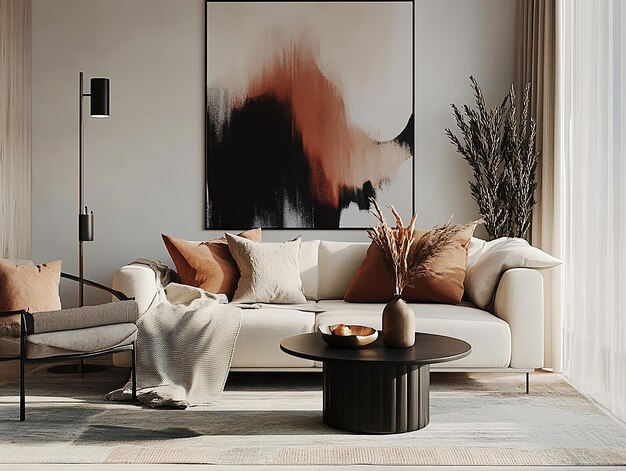
How To Choose Designer Furniture, Lighting, and Rugs for a Beautifully Decorated Home
Imagine walking into a home where every piece feels intentional. The sofa invites you to sit, the lighting flatters the room (and you), and the rug quietly ties everything together. Nothing shouts, but everything works. That effect isn’t accidental—it comes from understanding how furniture, lighting, and rugs work together as a design trio.
This guide explores how to choose designer furniture, lighting, and rugs in a way that feels personal, cohesive, and practical. It focuses on real-world decisions: proportions, materials, color, and layout, rather than trends that change every season.
Understanding the “Design Triangle”: Furniture, Lighting, and Rugs
Designer spaces often rely on a simple idea: if you get the big three right—furniture, lighting, and rugs—everything else becomes easier.
- Furniture sets the function and main shapes of a room.
- Lighting defines mood, highlights features, and makes the space usable at different times of day.
- Rugs ground and connect these elements, adding warmth, color, and texture.
When these three are chosen with intention, the room usually feels balanced, whether the style is minimal, eclectic, or traditional.
Start with a Clear Vision
Before buying anything, it can help to define:
- Purpose: Is this room for entertaining, relaxing, working, or sleeping?
- Feeling: Calm and airy, dark and dramatic, cozy and layered, or bright and playful?
- Lifestyle: Kids, pets, frequent guests, or a quieter, low-traffic space?
These answers guide durable fabric choices, rug materials, and lighting types long before you look at specific designs.
Choosing Designer Furniture: Form, Function, and Flow
Furniture is the backbone of your interior. Designer pieces often stand out through proportion, materials, and craftsmanship, but they still need to serve everyday life.
1. Think in Zones, Not Just Pieces
Instead of starting with one piece you love, it often helps to think in zones:
- Living room: Conversation area, media zone, reading corner.
- Dining room: Eating area, potential buffet or bar.
- Bedroom: Sleeping zone, reading or dressing area, possible workspace.
Each zone needs its own functional furniture, lighting, and, often, its own rug, while still fitting into the whole room.
2. Get Scale and Proportion Right
Many rooms feel “off” not because of style, but because of scale.
Some general guidelines:
- Sofa size: In many living rooms, a sofa that’s roughly two-thirds to three-quarters the width of the wall behind it often feels balanced.
- Coffee table: Often about one-half to two-thirds the length of the sofa, placed close enough that you can reach it easily.
- Side chairs: Not so large that they crowd the sofa; look for similar seat height so the conversation area feels unified.
- Dining table and chairs: Allow generous space around the table so people can move comfortably.
Designer furniture pieces often have refined proportions. Matching those proportions to the room size helps avoid both overcrowding and the opposite problem—tiny furniture floating in a large space.
3. Balance Comfort and Aesthetics
Designer furniture is often associated with strong visual statements, but comfort and usability still matter:
- Sofas and chairs: Seat depth, cushion firmness, and back height influence whether a piece is suited to lounging, conversation, or more upright tasks.
- Dining chairs: Comfortable seat widths and supportive backs encourage longer, more relaxed meals.
- Beds: Headboard height and design affect the room’s focal point, while frame size affects circulation around the bed.
A visually striking piece that you rarely want to use often feels less successful than something quieter but more comfortable.
4. Mix Materials and Shapes for Visual Interest
A well-designed room rarely relies on one material or shape. Instead, it uses contrast and repetition thoughtfully:
Contrast
- Soft fabric sofa + sleek metal side table.
- Chunky wooden dining table + slim, upholstered chairs.
Repetition
- Echo the wood tone of a sideboard in a coffee table.
- Repeat a curved shape from a chair in a lamp base or mirror.
This approach makes designer furniture feel integrated rather than isolated.
Designer Lighting: Layering Light for Mood and Function
Lighting has an outsized impact on how a space feels. Designer lighting often plays dual roles: sculptural object by day, mood creator by night.
1. Understand the Three Main Types of Lighting
A balanced lighting plan usually includes:
Ambient lighting
- General, overall light (ceiling fixtures, recessed lights).
- Sets the base brightness of the room.
Task lighting
- Focused light for specific activities (reading lamps, under-cabinet kitchen lights, desk lamps).
- Prevents eye strain and makes tasks easier.
Accent lighting
- Highlights features (art lights, wall washers, LED strips, spotlights).
- Adds depth, drama, and visual interest.
Designer fixtures may combine more than one of these functions, but it is still helpful to plan for each type.
2. Match Light Level and Color to the Room’s Use
The color temperature of bulbs and the strength of the light both affect the atmosphere:
- Warmer light (often perceived as soft, yellowish) tends to feel cozy and inviting. Frequently used in living rooms, dining rooms, and bedrooms.
- Neutral or cooler light (crisper, whiter tones) can feel brighter and more focused, often preferred in kitchens, bathrooms, and workspaces.
Dimmer switches can make designer fixtures more versatile, allowing one light to set multiple moods.
3. Use Designer Fixtures as Focal Points
Many designer light fixtures act like functional sculptures. Common focal-point uses include:
- A statement chandelier above a dining table.
- A distinctive pendant in an entryway.
- An eye-catching floor lamp anchoring a reading corner.
To make these focal points effective:
- Ensure they are proportional to the space and the furniture beneath.
- Hang dining pendants at a height where they don’t obstruct sightlines when people are seated.
- Avoid crowding multiple competing statement fixtures in one view; balance bold pieces with simpler ones elsewhere.
4. Consider Light Direction and Glare
The direction of light changes how a room looks and how comfortable it feels:
- Downward light (like many pendants) is great for task lighting and highlighting surfaces but can create shadows.
- Upward light (uplights, torchieres) bounces illumination off the ceiling, often creating a softer, more even glow.
- Diffused light (through shades or frosted glass) tends to be gentler on the eyes than exposed bulbs.
Designer lighting often plays with direction and diffusion; understanding this helps you choose fixtures that feel good in daily use, not just in photos.
Rugs: The Quiet Powerhouse of a Decorated Home
Rugs frequently determine how “finished” a room feels. The right rug anchors furniture, adds warmth, and helps define zones in open-plan spaces.
1. Get the Size Right First
Rug size usually makes more difference than pattern or color. Under-sized rugs can make a room feel smaller and disconnected.
Common arrangements:
Living room
- All furniture fully on the rug, or
- At least the front legs of the main seating pieces on the rug.
Dining room
- Table and chairs fully on the rug, with enough rug around the table so chairs remain on it when pulled out.
Bedroom
- Rug partially under the bed, extending on both sides and at the foot, or
- Two smaller runners on either side if a large rug isn’t practical.
Designer rugs are often created with standard room and furniture dimensions in mind, but measuring your space before selecting is still important.
2. Choose Materials That Match Your Lifestyle
Material influences how a rug feels, looks, and wears over time:
- Natural fibers like wool, cotton, jute, or sisal are common. These often provide a tactile, grounded feel and can work well in many styles.
- Blends and synthetics can be more forgiving in high-traffic or spill-prone areas, such as entryways, kids’ rooms, and dining areas.
- High-pile or shaggy rugs tend to feel plush underfoot, often used in bedrooms or lounging areas, but may be harder to keep clean.
Designer rugs frequently highlight natural materials or thoughtful blends that balance comfort and durability.
3. Use Rugs to Connect Colors and Styles
Rugs can be a bridge between furniture and lighting choices:
- In a neutral room, a rug can introduce pattern and color to keep the space from feeling flat.
- In a colorful room, a more subdued rug can calm the composition and unify different hues.
Many designer spaces use rugs to subtly repeat colors found in artwork, pillows, or accessories, creating a sense of cohesion without being overly matched.
Bringing It All Together: Harmony Across Furniture, Lighting, and Rugs
When viewed together, these three categories should feel coordinated but not overly uniform.
1. Choose a Primary Design Direction
A clear design direction doesn’t mean sticking to one style label, but having some guiding principles such as:
- Clean-lined and minimal with a few bold gestures.
- Warm and layered, mixing materials and textures.
- Classic with a twist, blending traditional shapes with contemporary finishes.
Once you have that overall direction, evaluate each furniture piece, light fixture, and rug against it. If an item feels out of place, consider whether it adds intentional contrast or just visual noise.
2. Balance Visual Weight
Rooms benefit from a balanced distribution of visual weight:
- Large sofa balanced by substantial rug and a striking floor lamp or sideboard.
- A sculptural chandelier over a simple dining table.
- A richly patterned rug paired with simpler furniture silhouettes.
Too many visually heavy pieces clustered together can make a room feel crowded, while too many delicate pieces can feel insubstantial.
3. Repeat Elements Across the Room
Repetition creates rhythm. Some ways to repeat:
- Materials: The metal finish of a pendant echoed in a floor lamp base.
- Colors: A color from the rug appearing in cushions, artwork, or a throw.
- Shapes: Curved sofa arms mirrored in a rounded coffee table or circular mirror.
Designer interiors often look cohesive because they repeat key ideas in subtle ways instead of introducing new elements at every turn.
Room-by-Room Guide: Furniture, Lighting, and Rugs That Work Together
Below is a quick, at-a-glance guide to coordinating key choices in each main room.
🏠 Quick Coordination Guide
| Room | Furniture Focus | Lighting Focus | Rug Strategy |
|---|---|---|---|
| Living room | Comfortable seating, balanced layout | Layered: ambient + table/floor lamps | Large enough to anchor main seating group |
| Dining room | Proportional table & comfy chairs | Statement fixture over table + softer ambient | Rug wide enough for chairs to stay on when pulled |
| Bedroom | Bed as focal point, practical nightstands | Soft, warm bedside light + gentle overall | Rug under bed or runners for comfort underfoot |
| Home office | Supportive desk chair, functional surfaces | Task light at desk + controlled overhead | Low pile rug that allows easy chair movement |
Practical Tips for Selecting Pieces Without Overwhelm
The process can feel complex, but breaking it into manageable steps usually helps.
1. Decide Your Order of Purchase
Many people find it easier to choose in this order:
- Main furniture (sofa, dining table, bed).
- Rug(s) that coordinate with those major pieces.
- Lighting that supports the mood and function of the room, while complementing the first two.
Alternatively, if you fall in love with one standout item (a designer chandelier or a unique rug), you can use it as your starting point, letting it inform your other choices.
2. Use Simple Color Frameworks
A basic color strategy often works well:
- Base colors: The neutral tones of your largest pieces (sofa, rug, walls).
- Accent colors: Appearing in cushions, throws, art, and perhaps in the rug pattern.
To keep things harmonious, many interiors use one main accent color and one or two supporting tones, repeating them across furniture details, lighting finishes, and textiles.
3. Plan for Real-Life Use
Everyday habits shape what works best:
- If you like to read in the evening, consider generous task lighting near seating.
- If you often host dinners, ensure the dining lighting feels flattering and the seating remains comfortable over time.
- If you have pets, you might look for rug materials and furniture fabrics that can handle claws and occasional messes.
Designer pieces that acknowledge real-life behavior tend to feel more successful long-term.
Common Mistakes and How to Avoid Them
Certain patterns appear often in home decoration. Recognizing them can make decision-making easier.
1. Rugs That Are Too Small
When a rug “floats” in front of furniture instead of anchoring it, the room often feels fragmented. Choosing a size that allows at least the front legs of main seating pieces to rest on the rug usually creates a more cohesive look.
2. Relying on a Single Light Source
One overhead fixture rarely provides all the flexibility a room needs. Adding floor lamps, table lamps, wall lights, or accent lights helps create layers and makes designer fixtures feel more integrated into the space.
3. Over-Matching Furniture Sets
Buying all furniture from one set can sometimes make a room feel flat. Mixing different but complementary pieces—varying leg shapes, materials, and silhouettes—often leads to a more collected, designer-like look.
4. Ignoring Traffic Flow
Placing large furniture without considering how people move through the room can create awkward layouts. Leaving clear paths and ensuring that chairs and doors can be used comfortably usually improves both appearance and function.
Quick-Reference Checklist ✅
Use this as a simple, skimmable guide while planning your space.
Furniture 🛋️
- ✅ Fits the room scale and allows comfortable movement.
- ✅ Balances comfort, usability, and visual appeal.
- ✅ Mixes materials and shapes for interest without feeling chaotic.
Lighting 💡
- ✅ Includes ambient, task, and (where helpful) accent lighting.
- ✅ Uses bulb color and brightness appropriate to each room’s purpose.
- ✅ Positions statement fixtures where they can truly shine.
Rugs 🧺
- ✅ Size works with the furniture layout, not just the floor dimensions.
- ✅ Material fits the room’s traffic level and household needs.
- ✅ Colors and patterns connect with other elements in the room.
Overall Harmony 🎨
- ✅ Clear design direction (calm, dramatic, minimal, layered, etc.).
- ✅ Repetition of key colors, shapes, or materials.
- ✅ Balanced visual weight across different areas of the room.
Creating a Home That Reflects You
Thoughtful choices in designer furniture, lighting, and rugs do more than make a home look stylish. They shape how you move, gather, rest, and work every day.
Focusing on:
- Proportion and flow in furniture,
- Layered, purposeful lighting, and
- Correctly sized, well-chosen rugs
often leads to spaces that feel both considered and comfortable. Over time, adding personal touches—art, books, collected objects—will only deepen that sense of home.
The most successful rooms rarely follow rigid rules. They apply core design principles, then bend them slightly to reflect the people who live there. When your furniture works for your life, your lighting supports how you use each space, and your rugs quietly hold everything together, the result is not just a decorated room, but a setting that truly suits you.