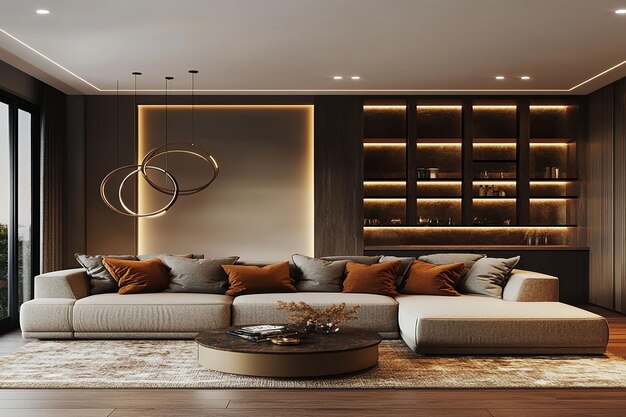
How To Choose Decorative and LED Lighting Fixtures: From Custom Design to Commercial Options and Smart Sale Strategies
Walk into any well-designed home, restaurant, or store, and the first thing you may notice—often without realizing it—is the lighting. The right decorative and LED lighting fixtures can make colors richer, spaces feel larger, and everyday rooms suddenly look magazine-worthy. The wrong choices can leave even expensive interiors looking flat or uncomfortable.
This guide walks through how to choose decorative and LED lighting fixtures for homes and commercial spaces, how custom designs differ from standard options, and what to know when buying, upgrading, or selling lighting.
Understanding the Role of Decorative and LED Lighting
Decorative and LED lighting is about much more than brightness. It shapes how a room feels and functions.
What “decorative lighting” really means
Decorative lighting fixtures are chosen as much for their appearance as for their light output. They act like jewelry for a space. Examples include:
- Chandeliers and statement pendants
- Sconces with visible shades or artistic shapes
- Floor and table lamps with distinctive designs
- LED strip features that highlight architecture
These pieces are often the first thing people see when they walk into a room.
Why LED has become the standard
LED (light-emitting diode) lighting has become a common choice in both homes and commercial spaces because it tends to offer:
- Lower energy use compared to traditional bulbs
- Long lifespans, which can reduce how often bulbs need to be changed
- A wide range of color temperatures and dimming options
- Compact sizes that allow creative fixture designs
Many decorative fixtures now come integrated with LEDs, meaning the LED is built into the fixture, not a separate bulb. This enables slim, futuristic, or minimalist shapes that weren’t widely possible with older lamp technologies.
Step One: Start With the Space, Not the Fixture
Before picking any decorative or LED lighting fixtures, it helps to look carefully at the space and its needs.
Key questions to guide your choices
Ask these questions before browsing:
What is this space used for?
Reading, cooking, dining, relaxing, working, entertaining?How big is the room and how high is the ceiling?
Larger rooms and high ceilings often need bigger or multiple fixtures.How much natural light is there?
A bright room may only need accent lighting during the day, but more layered lighting at night.What is the existing style?
Modern, industrial, traditional, rustic, eclectic, minimalist?What mood do you want?
Cozy and warm, bright and energetic, calm and spa-like, dramatic and theatrical?
Once these answers are clear, you can start thinking about fixture types, sizes, and LED performance in a more focused way.
The Three Layers of Light: Ambient, Task, and Accent
Effective lighting design usually combines three main layers. Decorative and LED fixtures can serve one or more of these roles.
1. Ambient lighting: overall brightness
This is your base layer, lighting that fills the room so you can move around comfortably.
Common ambient lighting options:
- Ceiling-mounted fixtures (flush or semi-flush)
- Recessed LED downlights
- Large pendants or chandeliers
- LED ceiling panels in commercial settings
For a comfortable environment, many designers aim for an even, non-glaring spread of light that doesn’t leave dark corners.
2. Task lighting: focused and functional
Task lighting supports activities that require clarity and focus, such as:
- Reading or studying
- Cooking and food preparation
- Grooming at a vanity
- Working at a desk
Examples:
- Under-cabinet LED strips in the kitchen
- Desk lamps or adjustable floor lamps
- Bathroom vanity lights or illuminated mirrors
- Focused downlights over work counters
Task lighting is often brighter in a localized area and may use cooler color temperatures for clarity.
3. Accent lighting: drama and visual interest
Accent lighting draws attention to specific features:
- Artwork or wall textures
- Architectural details (niches, beams, stone walls)
- Plants, shelves, or decorative displays
Examples:
- LED spotlights on artwork
- Cove lighting hidden in ceilings
- LED strips in toe-kicks, shelves, or behind panels
- Picture lights mounted above frames
Decorative fixtures often play strongly in this category, adding both light and visual character.
LED Basics: Color Temperature, Brightness, and CRI
When choosing LED fixtures or bulbs, a few key terms shape how your lighting feels and looks.
Color temperature: warm vs. cool
Color temperature is usually described on a scale from warm to cool light:
Warm white (often in the lower Kelvin range): Soft, cozy light that can resemble candlelight or traditional incandescent bulbs. Common in bedrooms, living rooms, dining spaces, and hospitality settings.
Neutral white: A balanced white that works well for general use where you want a clean but not overly cool look.
Cool white / daylight (higher Kelvin ranges): Brighter, crisper light that can emphasize contrast and detail. Often used in workspaces, garages, commercial offices, or areas needing high visibility.
Different rooms often benefit from different color temperatures. Many people prefer warmer tones for relaxation and neutral-to-cool tones for tasks.
Brightness: thinking beyond wattage
With LEDs, wattage measures energy use, not brightness. Brightness is more accurately described by light output. In general:
- Larger rooms or spaces with darker finishes often need more light output.
- Task areas (kitchens, workstations) usually need stronger, more direct illumination.
- Accent lighting can be subtler, focusing on effect more than raw brightness.
Because LED performance varies by design, many consumers compare brightness by looking at the manufacturer’s stated light output and testing how it feels in their own space.
Color rendering (CRI)
CRI (Color Rendering Index) describes how accurately a light source shows colors compared to natural light. In practical terms:
- Higher CRI lighting tends to make skin tones, fabrics, and finishes look more natural.
- Many people notice the difference when comparing low and high color rendering side by side—colors can appear duller with low color rendering.
For spaces where color is important—such as clothing stores, galleries, or kitchens where food presentation matters—higher color-rendering LED options are often preferred.
Choosing Decorative Fixtures for Homes
Once you understand the lighting layers and LED basics, you can match decorative fixtures to your rooms more confidently.
Living rooms and family rooms
These spaces often benefit from layered and flexible lighting:
- Statement fixture: A chandelier or large pendant can center the room.
- Floor and table lamps: Add softer pools of light for reading or cozy evenings.
- Wall sconces: Provide gentle, eye-level illumination that reduces harsh shadows.
- LED strips or cove lighting: Can highlight ceilings, shelves, or media walls.
Many people choose warm or warm-neutral LEDs for living spaces to keep them inviting.
Kitchens and dining areas
Kitchens benefit from a combination of ambient, task, and decorative lighting:
- Ceiling or recessed LEDs for general brightness.
- Under-cabinet LED strips for task lighting on countertops.
- Pendents over islands or dining tables that act as both functional and decorative pieces.
In dining areas, a dim-to-warm effect can be desirable—bright and clear for meals, softer and warmer for evening gatherings.
Bedrooms
Bedrooms generally suit softer, adjustable lighting:
- Warm, dimmable LED fixtures or lamps for relaxation.
- Bedside sconces or lamps for focused reading without lighting the whole room.
- Concealed LED strips in headboards or behind panels for a gentle, indirect glow.
Many people avoid very cool or harsh light in bedrooms, as it can feel less restful.
Bathrooms
Bathrooms need task clarity and comfort:
- Vanity lights at eye level on both sides of the mirror or integrated into the mirror for even facial illumination.
- A ceiling fixture or recessed LEDs for general light.
- Consider moisture-appropriate fixtures for showers and wet areas as indicated by safety designations.
Neutral to slightly warm light is often chosen to give a natural skin-tone appearance.
Lighting for Commercial Spaces: Function Meets Branding
In commercial environments, lighting is both a functional necessity and an important part of brand experience.
Retail and showrooms
Retailers often use lighting to:
- Highlight merchandise with accent spots or track lights.
- Use high color rendering LEDs so products look appealing and true to color.
- Create a mood that matches the brand—bright and energetic, or soft and luxurious.
- Layer ambient ceiling lighting with decorative pendants and display lighting.
LED strip lighting is frequently used in shelving, display cases, and window features to guide attention without overpowering the space.
Restaurants, cafés, and hospitality
In these spaces, lighting heavily influences atmosphere:
- Warmer, dimmable LEDs for intimate dining.
- Statement chandeliers or pendants to anchor key areas like bars or central tables.
- Accent lighting on architectural details, art, or plants.
- Practical task lighting in kitchens and behind service counters, usually with brighter, more neutral or cool white LEDs.
Many hospitality spaces favor fixtures that look good both by day and by night, since natural light and evening lighting can create different conditions.
Offices and workspaces
Modern workplaces often try to balance productive light with comfort:
- Even, low-glare ambient lighting through LED panels or troffers.
- Individual task lights on desks for precision work.
- Accent lighting in reception or meeting areas to reinforce brand style.
Adjustable, “human-centric” lighting approaches are becoming more common, where color temperature and brightness can be tuned over the day to match activities and preferences.
Custom Lighting Design vs. Off-the-Shelf Options
When planning lighting, there are two broad paths: custom-designed solutions and ready-made commercial fixtures.
What “custom lighting design” involves
Custom lighting can mean:
- Bespoke decorative fixtures designed to fit a specific space, theme, or brand.
- Tailored LED strip layouts integrated into architecture (coves, niches, stairs).
- Unique shapes, materials, or configurations not generally found in standard catalogs.
Custom design can be used in homes for special spaces—like a dramatic chandelier in a stairwell—or in commercial projects where branding and uniqueness are important.
Common reasons people consider custom lighting:
- Unusual ceiling heights or room proportions.
- A desire for a one-of-a-kind statement piece.
- Need for precise lighting control in complex spaces.
Advantages and considerations of custom fixtures
Potential advantages:
- Perfect fit for the architecture and interior style.
- High degree of personal expression or brand identity.
- Ability to integrate lighting discreetly into built-in features.
Key considerations:
- Longer lead times for design and fabrication.
- More planning and coordination may be needed.
- Repairs or replacements can be more complex than swapping a standard fixture.
When commercial (off-the-shelf) options make sense
Commercially available fixtures often provide:
- Faster availability and easier replacement.
- Predictable performance and standardized specifications.
- A wide range of styles, sizes, and prices.
Many people blend both approaches: using standardized LED downlights and basic fixtures for most areas, then investing in a few decorative or custom pieces where impact matters most.
Practical Buying Tips for Decorative and LED Fixtures
Whether shopping for a single pendant or a full-house upgrade, a bit of structure helps.
1. Clarify priorities
Before buying, it helps to decide what matters most:
- Appearance and style
- Energy efficiency and long-term operating cost
- Dimming and control options
- Ease of installation and maintenance
- Smart-home compatibility (if applicable)
2. Plan a consistent lighting “language”
A home or business often feels more cohesive when fixtures share some common traits:
- Similar finishes (for example, all black, brass, or chrome metals).
- Related shapes or design themes (rounded vs. angular, minimalist vs. ornate).
- Coordinated color temperatures across major spaces.
They don’t have to match exactly, but a consistent family of elements can visually tie rooms together.
3. Think about control: switches, dimmers, and smart systems
Controls can be as important as the fixtures themselves:
- Dimmers allow one fixture to serve different moods and uses.
- Multiple circuits in larger rooms let you control ambient, task, and accent lighting separately.
- Some LED systems support smart controls, enabling scheduling, scenes, and color adjustments.
When choosing LED fixtures, it can be helpful to check their compatibility with your preferred dimming or smart control approach.
Quick Buying Checklist 📝
Before purchasing decorative or LED lighting fixtures, many consumers find it useful to review questions like these:
- 🔌 Does this fixture work with existing wiring and controls?
- 💡 Is the brightness appropriate for the room’s size and purpose?
- 🎨 Does the color temperature match the mood I want in this space?
- 🛠 Is it practical to install, clean, and maintain?
- 🧩 Does it coordinate with other fixtures and finishes in the home or business?
- ��� If it uses integrated LEDs, what are the options when the light source eventually reaches the end of its life?
Selling, Upgrading, or Replacing Lighting: Practical Considerations
Many people eventually need to sell, update, or replace existing fixtures—at home or in a business.
When to consider replacing fixtures
Common triggers for replacement include:
- Remodeling a room and updating finishes or colors.
- Switching from older bulbs to more efficient LEDs.
- Addressing glare, harsh shadows, or insufficient light.
- Changing the use of a room (for example, turning a bedroom into an office).
Replacing fixtures can significantly change how a space feels even if no other renovation is done.
Preparing fixtures for resale
When reselling decorative fixtures, some practical steps can help:
- Clean thoroughly: Dust and fingerprints can dull finishes and glass.
- Document details: Dimensions, material descriptions, mounting type, and LED/bulb information help buyers evaluate fit.
- Photograph well: Clear photos from multiple angles, ideally lit in a way that shows the fixture’s shape and texture.
- Note condition: Scratches, chips, or missing parts should be described clearly.
High-quality, well-maintained decorative fixtures sometimes attract strong interest from buyers who appreciate distinctive designs.
Upgrading to LED while keeping existing fixtures
In many cases, it’s possible to retain decorative fixtures and simply upgrade the light sources:
- Replacing traditional bulbs with LED lamps that fit the same sockets.
- Adding LED strips to existing shelves, cabinets, or coves.
- Installing LED retrofit kits in some recessed housings.
When doing this, many people consider:
- Color temperature, to keep a consistent look across the room.
- Dimming compatibility with existing switches.
- Avoiding overly bright or overly cool LEDs that change the character of the room too sharply.
Common Mistakes to Avoid
A few recurring patterns often lead to disappointment with new lighting. Being aware of them can make planning smoother.
Oversizing or undersizing decorative fixtures
- A chandelier that is too small can look lost in a large room or over a dining table.
- Oversized fixtures in low-ceiling spaces can feel oppressive or get in the way.
Many designers use basic proportional guidelines—such as relating fixture diameter to table width or room size—but there is also room for personal judgment and style.
Ignoring glare and comfort
Fixtures with exposed LED points or unshielded bulbs can sometimes be uncomfortably bright to look at directly.
Ways people often address this:
- Choosing fixtures with diffusers, shades, or indirect light paths.
- Positioning accent lights so they highlight walls or objects, not eyes.
- Using dimmers to soften brightness when full intensity is not needed.
Mixing inconsistent color temperatures
Having a patchwork of warm and cool LEDs in the same room can create a disjointed look:
- A warm lamp in the corner, cool ceiling spotlights above, and neutral under-cabinet strips can all fight for attention.
Keeping color temperature consistent within a space (or intentionally graded from one area to another) often produces a more harmonious result.
Quick Comparison: Custom vs. Commercial Fixtures
Here is a simple overview to compare custom-designed and off-the-shelf commercial lighting options:
| Aspect | Custom Lighting Design | Commercial (Off-the-Shelf) Fixtures |
|---|---|---|
| Design uniqueness | 🎨 One-of-a-kind, tailored to space/style | 🔁 Widely available designs |
| Fit to architecture | Precisely sized and positioned | Standard sizes; may require compromises |
| Lead time | ⌛ Typically longer | ⚡ Usually quicker to obtain |
| Installation planning | Often more complex coordination | Generally straightforward |
| Replacement/repair | May require specialized parts or fabrication | Easier to replace or match similar models |
| Cost structure | Often higher upfront investment | Wide range, including budget-friendly options |
| Best suited for | Feature spaces, brand statements, unique layouts | Everyday rooms, general illumination |
Both paths can work well; many projects combine them for balance.
Simple Room-by-Room Lighting Strategy 🏡
For quick reference, here’s a compact overview of common lighting approaches by room type:
Entryway / Hall
- Statement pendant or chandelier (if ceiling height allows)
- Wall sconces for visual warmth and guidance
Living Room
- Ambient ceiling or recessed LEDs
- Floor and table lamps for flexible, cozy light
- Optional accent lighting on art, shelves, or architectural features
Kitchen
- Ceiling or recessed ambient light
- Under-cabinet LED strips for counters
- Pendants over island or dining nook
Dining Room
- Central chandelier or pendant over the table
- Dimmer control for mood changes
- Possible wall sconces for softer surrounding light
Bedroom
- Warm ambient fixture or recessed LEDs
- Bedside lamps or sconces with reading-friendly beams
- Optional indirect LED strips for subtle night light
Bathroom
- Vanity lighting at or near face level
- Ceiling-mounted ambient light
- Approved fixtures for shower areas as needed
Home Office
- Even ambient light to reduce eye strain
- Adjustable task lamp at the desk
- Consider neutral to cool color temperature for clarity
Bringing It All Together
Thoughtful decorative and LED lighting choices can transform how a home or commercial space feels and functions. The most successful lighting plans typically:
- Start with an understanding of how each space is used.
- Layer ambient, task, and accent lighting rather than relying on a single source.
- Use LED features—such as adjustable color temperature, high color rendering, and compact forms—to support both style and performance.
- Balance custom creativity with practical commercial options, depending on the role and visibility of each fixture.
- Consider future needs, like dimming, maintenance, and potential resale or repurposing.
When light, architecture, and decor work together, fixtures do more than illuminate—they define atmosphere, highlight what matters, and support the ways people actually live and work in a space.