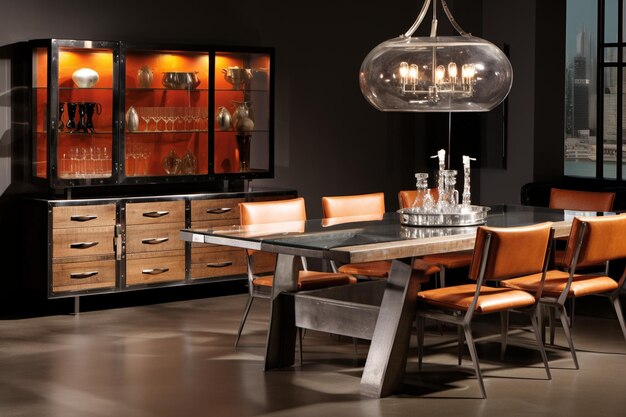
How to Choose the Best Dining Room Furniture (Including Custom Tables and Kitchen Pieces)
The dining room is more than a place to eat. It’s where long conversations linger, homework happens at the end of the table, and big celebrations come to life. The dining furniture you choose quietly shapes all of that—how comfortable people feel, how easily meals flow, and even how your home looks and functions day to day.
This guide walks step-by-step through how to choose and buy the best dining room furniture, from ready-made sets to custom dining tables and kitchen pieces like islands, benches, and storage. It focuses on practical considerations—size, layout, materials, style, and budget—so you can make confident, informed decisions.
Understanding Your Space and Lifestyle
Before looking at a single table or chair, it helps to understand how you actually use your dining area and what the room needs to do for you.
Measure the Room (and Leave Breathing Space)
Accurate measurements are the foundation of a successful dining room setup.
Measure the room
- Length and width of the space
- Location and size of windows, doors, radiators, and architectural features
- Any openings into other rooms (like an open-plan kitchen–dining–living area)
Plan for circulation space
A common guideline is to leave at least 90–100 cm (about 3 feet) of clear space from the edge of the table to the wall or any large furniture. This makes it easier for people to pull out chairs and move around the room comfortably.Consider other furniture
If you want a buffet, sideboard, bar cart, or storage cabinet, factor those into the floor plan from the beginning. They can impact how big your table can realistically be.
Clarify How You Use the Dining Area
Different households use their dining spaces in different ways:
- Everyday family meals: Durability, easy-clean surfaces, and comfortable seating tend to matter most.
- Formal entertaining: Visual impact, high-quality finishes, and generous seating may take priority.
- Multi-purpose use (home office, kids’ crafts, homework): A flexible table and practical storage become important.
- Small apartments or kitchens: Space-saving designs like extendable tables, folding chairs, and built-in benches can be especially useful.
Thinking through your habits helps narrow down which features (like extendable leaves or upholstered chairs) are genuinely important rather than just visually appealing.
Choosing the Right Dining Table
The dining table is usually the anchor of the space. Its size, shape, and material will drive many other decisions.
Pick a Table Size That Fits People and the Room
A good starting point is to decide how many people you want to seat comfortably most of the time, and how many you might need to host occasionally.
- Everyday seating: Choose a size that works without feeling cramped in daily life.
- Occasional guests: Consider an extendable table if you only host larger groups occasionally.
General spacing guidelines often suggest around 60 cm (about 24 inches) of table width per person to feel comfortable. For example:
- A table about 150–180 cm (5–6 feet) long can often work for 4–6 people.
- A table about 200–240 cm (6.5–8 feet) might suit 6–8 people, depending on chair size.
These ranges vary by table design and chair dimensions, so they’re more of a reference than a rule.
Also consider:
- Table width: A width of around 90–100 cm (35–40 inches) often allows for dishes in the center while still keeping conversations easy.
- Table height: Standard dining table height is around 75 cm (about 30 inches). Most dining chairs are designed to suit this.
Choose a Shape That Matches Your Space
The shape of your dining table affects traffic flow, sightlines, and how people interact.
Rectangle
- Works well in longer rooms.
- Easy to pair with benches and side seating.
- Often provides the most flexible seating for larger groups.
Round
- Encourages conversation, since everyone faces each other.
- No sharp corners—often helpful in smaller spaces or family homes.
- Can be paired with a pedestal base to maximize legroom.
Oval
- Softer look than a rectangle but similar seating capacity.
- Useful in narrow rooms where sharp corners might feel intrusive.
Square
- Balances well in square rooms or open-plan spaces.
- Best for smaller groups where everyone can engage in the same conversation.
- Larger square tables can make it harder to reach the center.
For smaller rooms or odd layouts, round and oval tables are often chosen because they feel less imposing and can improve flow.
Comparing Common Dining Table Materials
The table’s material shapes the overall style, as well as how it wears over time.
Here’s a simplified comparison:
| Material | Pros ✅ | Considerations ⚠️ |
|---|---|---|
| Solid wood | Warm, timeless, can be refinished | Can scratch or dent, sensitive to moisture |
| Wood veneer | More affordable wood look, stable | Thin veneer can chip if heavily damaged |
| Glass | Light, modern, visually enlarges space | Shows fingerprints, may feel cold or formal |
| Stone (e.g., marble) | Luxurious, unique patterns | Heavy, often porous, needs careful care |
| Metal | Industrial or modern look, durable frame | Can feel hard or cold, may scratch |
| Laminate | Budget-friendly, many finishes | Can feel less substantial or “plasticky” |
Solid wood tables are common in both ready-made and custom designs. Many people value:
- The natural variation in grain and color.
- The ability to refinish the surface after years of use.
However, wood can respond to humidity and temperature changes, so placement (away from direct heat sources and strong sunlight) and basic care can influence how it ages.
Custom Dining Tables: When and Why to Consider Them
Custom tables offer options that go beyond standard sizes and finishes. They can be especially useful when:
- Your room has an unusual shape or tight dimensions.
- You want a specific seating capacity that standard tables don’t provide.
- You’re aiming for a cohesive look with existing flooring, cabinetry, or architectural details.
- You’d like special features such as integrated storage, custom extensions, or specific edge profiles.
Key Decisions for a Custom Dining Table
When exploring a custom table, several decisions typically come into play:
1. Dimensions and proportions
- Choose length, width, and height based on room size and seating needs.
- Consider legroom: pedestal or trestle bases often allow more flexible seating than four bulky corner legs.
2. Wood species and finish (for wood tables) Common options include:
- Oak: Often chosen for visible grain and a sturdy, traditional feel.
- Walnut: Known for rich, dark tones and a more formal or contemporary appearance.
- Maple or beech: Generally lighter in color, often suited to modern or Scandinavian-inspired interiors.
Finishes range from natural oils and waxes (which highlight the grain and feel tactile) to lacquers and varnishes (which can offer more protection against spills, depending on the type and quality).
3. Edge profile and tabletop detail Custom edges affect both look and comfort:
- Straight or squared edge: Clean, modern, minimal.
- Rounded or softened edge: Family-friendly, less harsh to the touch.
- Live edge: Keeps the natural contour of the wood slab for an organic, statement look.
4. Base style
- Four legs: Classic and versatile.
- Trestle: Central supports can open up seating along the sides.
- Pedestal: A single central column or base is often paired with round or oval tops for maximum legroom.
Pros and Practical Considerations
Benefits of going custom
- Tailored fit for your room and needs.
- Control over materials, finishes, and small details.
- Potential for heirloom-quality pieces built to last through many décor changes.
Points to keep in mind
- Lead times can be longer than buying ready-made.
- Prices often reflect labor, material quality, and craftsmanship.
- Custom pieces may be more difficult to resell or move into different spaces if your needs change significantly.
Custom dining tables tend to appeal to people who see furniture as a long-term investment and a defining element of their home’s character.
Dining Chairs: Comfort, Style, and Practicality
Chairs heavily influence how inviting your dining room feels. Even the best table can be underused if the chairs are uncomfortable or hard to maintain.
Matching Chair Size to Your Table
Chair and table dimensions work together:
- Seat height: Commonly around 45–48 cm (17–19 inches).
- Table height: Usually around 75 cm (30 inches).
The space between the top of the seat and the underside of the table (the “legroom gap”) often feels comfortable in the 25–30 cm (10–12 inch) range. Very thick tabletops or aprons can reduce this gap, so it helps to check the full table and chair combination, not just the heights on paper.
Upholstered vs. Non-Upholstered
Upholstered chairs
- Typically offer extra comfort for long meals.
- Bring in color, texture, and softness.
- Need more maintenance—fabric can stain or show wear over time.
Non-upholstered chairs (wood, metal, plastic, or mixed)
- Often easier to wipe clean, especially in homes with children or heavy use.
- Can be softened with removable seat cushions for flexible styling and easier cleaning.
- Usually create a more streamlined, less bulky look.
Many households choose a combination: fully upholstered armchairs at the heads of the table and simpler side chairs or benches along the sides.
Mixing and Matching for a Cohesive Look
Dining sets don’t have to be perfectly uniform. Common approaches include:
- Same chair style, different colors for subtle variety.
- Different head chairs (often with arms or a taller back) paired with simpler side chairs.
- Combining a bench on one side with chairs on the others.
For a cohesive effect, it often helps to repeat at least one element—such as wood tone, metal finish, or upholstery color—between the table and chairs.
Kitchen Pieces: Islands, Breakfast Nooks, and Storage
Many homes blend dining spaces into the kitchen, making additional pieces like islands and storage an important part of the furniture puzzle.
Kitchen Islands and Counter-Height Seating
Kitchen islands can serve as:
- Food prep stations
- Informal dining spots
- Homework or work-from-home stations
Key points for planning seating at an island:
Counter height vs. bar height:
- Counter-height surfaces are often around 90 cm high (about 36 inches).
- Bar-height surfaces are typically taller, around 100–110 cm (about 40–43 inches).
Choose stools designed for the correct height.
Overhang space:
Many people find around 25–30 cm (10–12 inches) of countertop overhang comfortable for knees and legs.Stool types:
- Backless stools are compact and can tuck under the counter.
- Stools with backs and arms provide more comfort for longer sitting but take more space.
Breakfast Nooks and Built-In Seating
For small kitchens and dining areas, breakfast nooks and banquette seating can be space-efficient and cozy.
Common configurations:
- L-shaped bench with a rectangular or oval table and loose chairs on the open side.
- U-shaped nook for compact spaces, often with a pedestal table.
- Straight bench against a wall, paired with chairs across from it.
Built-in benches can integrate:
- Hidden storage under the seat.
- Cushions and pillows that add comfort and color.
Banquettes are sometimes customized to match existing cabinetry or trim, helping them blend seamlessly into the kitchen architecture.
Storage Pieces That Support Everyday Life
Thoughtfully chosen storage can keep your dining space calm and functional.
Useful furniture types include:
- Sideboards and buffets: Often waist-high pieces that store tableware, linens, and serving dishes.
- China cabinets or hutches: Upper glass doors to display items, lower cabinets for hidden storage.
- Bar carts or small consoles: Flexible surfaces for drinks, snacks, or extra serving space during gatherings.
When planning storage, consider:
- What items you want to store near the dining area (plates, glasses, special-occasion serveware, candles, table linens).
- How often you access these items.
- Whether you prefer them on display or hidden away.
Style, Color, and Cohesion with the Rest of Your Home
Dining furniture sits within a broader visual language of your home. Aligning the room with your overall style can make the space feel more intentional and harmonious.
Identifying Your General Style Direction
Some common directions include:
- Traditional: Ornate details, turned legs, rich wood tones, upholstered chairs with classic fabrics.
- Modern / Contemporary: Clean lines, minimal hardware, smooth surfaces, neutral palettes.
- Scandinavian: Light woods, simple silhouettes, soft neutrals, a focus on warmth and functionality.
- Industrial: Exposed metal, darker tones, reclaimed wood, practical forms.
- Farmhouse / Rustic: Distressed finishes, substantial wood tables, casual comfort, mixed textures.
You don’t need to fit neatly into a single category, but recognizing what you’re drawn to helps guide choices around wood tone, table shape, chair style, and fabrics.
Balancing Color and Texture
A few practical approaches often work well:
- Use the table as a grounding neutral element (natural wood, black, white, or muted tones), then bring in color through chairs, textiles, and accessories.
- If your kitchen has strong colors or patterns (e.g., bold cabinets or patterned tile), choosing more subdued furniture can prevent visual overload.
- Mixing matte and glossy surfaces, or soft textiles with hard materials, can create balance and visual interest (for instance, pairing a sleek metal or stone table with textured linen upholstery).
Budgeting and Prioritizing Your Spending
Dining room furniture can range from very budget-friendly to highly customized and handcrafted. Planning your budget helps set realistic expectations and avoid rushed decisions.
What Often Matters Most to People
Many households tend to:
- Prioritize the table as the central, longer-term piece.
- Choose flexible seating that can evolve over time (for example, swapping out chair covers, repainting wood chairs, or mixing in a bench later).
- Add storage pieces and decorative layers (rugs, lighting, table linens) gradually as needs and budgets allow.
Ways People Stretch Their Budget
Some practical approaches include:
- Choosing solid wood or higher-end material for the table, while opting for simpler chair designs that are easier to replace or repaint later.
- Selecting a non-extendable table in a carefully considered size if extensions are rarely needed.
- Using mix-and-match seating—for example, combining a couple of more substantial head chairs with simpler, more affordable side chairs.
Practical Shopping Tips and Checklists
To make the selection process easier, it can help to break things into clear steps and checks.
Quick Pre-Shopping Checklist 📝
- 📏 Room measurements (length, width, and clearance space planned)
- 👨👩👧👦 Typical number of diners, plus maximum guests you might host
- 🍽 Primary use (everyday meals, entertaining, workspace, kids’ crafts, etc.)
- 🎨 Overall style direction (traditional, modern, rustic, mixed)
- 💰 Rough budget range and priorities (table vs. chairs vs. storage)
- 🧽 Maintenance preferences (easy-clean surfaces vs. higher-maintenance finishes)
Bringing this information with you—in a note on your phone or a small sketch—can make showroom visits and online comparisons more focused.
Things to Check In Person (or Via Detailed Photos)
When possible, people often find it helpful to:
- Sit in the chairs to test comfort, back support, and seat depth.
- Slide chairs under the table to see how legs or bases affect legroom.
- Run a hand over the table surface to feel the texture (very rough surfaces may catch fabrics or be harder to wipe clean).
- Inspect joints and connections—sturdy construction, well-fitted parts, and stable legs usually indicate better longevity.
Online, detailed product descriptions and close-up photos of corners, joints, and finishes can give clues to quality and comfort.
Maintenance, Durability, and Long-Term Flexibility
Dining furniture tends to be used daily, so practical care and long-term adaptability can matter as much as initial appearance.
Everyday Care Considerations
Common maintenance approaches include:
- Using coasters, placemats, and table runners to protect wood and stone surfaces from heat, moisture, and scratches.
- Wiping up spills promptly, especially on porous materials (wood, stone, certain fabrics).
- Choosing removable, washable seat covers or cushions if frequent spills are likely.
- Rotating chairs occasionally so wear is more evenly distributed.
No material is completely maintenance-free, but understanding the nature of each surface helps set realistic expectations.
Planning for Change
Homes and lifestyles evolve—households grow, shrink, or move. Many people find it helpful to:
- Select a table with a timeless silhouette that can adapt to different styles over time.
- Consider neutral or versatile finishes that coordinate with various color schemes.
- Choose chairs that are easy to repaint, reupholster, or replace piece by piece if tastes change.
Thinking in terms of a long-term furniture “ecosystem”—where pieces can move from dining room to kitchen, or from formal space to a casual nook—can increase the value and usefulness of each item over time.
Key Takeaways at a Glance
Here’s a compact summary of the most important points to keep in mind when choosing dining room furniture:
- 🧭 Start with function: Clarify how you use the space—everyday meals, entertaining, multipurpose work—then let this guide your choices.
- 📐 Measure carefully: Account for table size, chair depth, and at least about 90–100 cm (3 feet) of clearance around the table where possible.
- 🪵 Choose the right table: Shape and material should suit your room’s size, your style, and your maintenance comfort level.
- ✂️ Consider custom for tricky spaces: Custom tables can fit unusual rooms, specific seating needs, or special style preferences.
- 🪑 Prioritize chair comfort: Test seat height, back support, and legroom where you can; consider how easy the chairs will be to clean.
- 🍳 Integrate kitchen pieces wisely: Islands, nooks, and storage should support how you cook, eat, and gather—not just fill space.
- 🎨 Aim for cohesion, not perfection: Repeat key elements (wood tones, finishes, or colors) for a pulled-together look without needing a matching set.
- 💸 Budget with intention: Many people invest more heavily in the dining table, then build seating and storage over time.
- 🧽 Plan for care and evolution: Choose finishes and designs that you’re comfortable maintaining and that can adapt as your home changes.
Thoughtful dining room furniture does more than fill a room—it supports the way you live, gather, and connect. By understanding your space, clarifying your priorities, and considering both immediate needs and long-term flexibility, you can select a dining table, chairs, and kitchen pieces that feel tailored to your life and continue to work well as your home evolves.