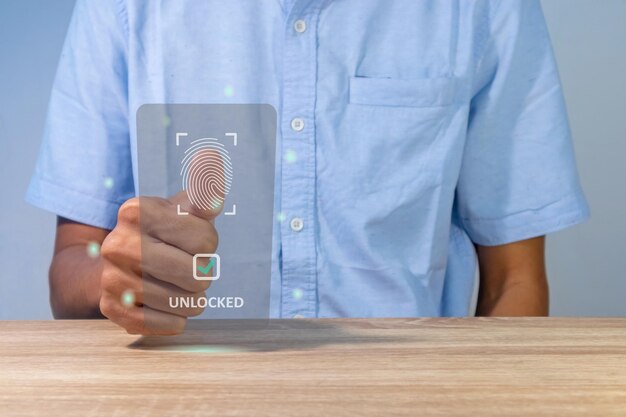
Choosing the Right Biometric Smart Safe for Home Security and Travel Protection
Few things disrupt peace of mind more than worrying about your valuables. Whether it is passports, jewelry, important documents, or small electronics, many people want a reliable way to keep them secure at home and on the road. Biometric smart safes have become a popular option because they combine traditional physical security with modern fingerprint or facial recognition technology.
This guide walks through how biometric safes work, what to look for, and how to choose the right model for both home security and travel protection—without the technical jargon or sales hype.
Why Biometric Smart Safes Are Gaining Attention
Biometric smart safes are designed to make access quick for you and difficult for anyone else. Instead of turning a dial or remembering a PIN, you use fingerprints, facial recognition, or other biometric identifiers to open the safe.
People often gravitate to biometric safes because:
- They reduce reliance on keys or codes. No more hiding keys under a planter or worrying that someone saw you enter your PIN.
- They are convenient for frequent access. If you access items daily (medications, wallets, work devices), fingerprint access saves time.
- They offer layered security. Many models still allow backup PINs or keys, blending digital convenience with traditional reliability.
At the same time, biometric safes are not magic shields. They are one part of a broader home and travel security strategy that can include good habits, discreet storage locations, and general awareness.
Understanding Biometric Smart Safe Basics
Before comparing models, it helps to understand the core features and how they influence real-world use.
What “Biometric” Actually Means
Biometrics refers to measurements of unique physical traits used to recognize people. In safes, the most common options are:
- Fingerprint sensors
- Facial recognition cameras
- Palm or vein scanners (less common in consumer products)
For most home and travel uses, fingerprint safes are the most widely available and familiar. They typically store multiple authorized fingerprints, allowing household members or travel companions shared access if desired.
What Makes a Safe “Smart”
A safe is generally called “smart” when it includes digital or connected features, such as:
- Electronic keypads or touchscreens
- Biometric readers
- Mobile app integration
- Alerts or logs of when/where it was opened
- Bluetooth or Wi‑Fi connectivity
Not all smart safes connect to the internet. Some are stand-alone devices with only onboard electronics, which can appeal to people who prefer fewer connection points for security reasons.
Clarifying Your Use Cases: Home vs. Travel
The best biometric safe for bedroom closet storage is rarely the same as the best safe for carry-on luggage or a rental car. Defining when and where you will use the safe helps narrow down your options.
For Home Security
Common home uses include:
- Storing passports, birth certificates, and legal documents
- Protecting small valuables like watches, jewelry, or collectible items
- Securing backup hard drives, USB sticks, or sensitive paperwork
- Limiting access to medications or other items you want out of children’s reach
For home use, people often prioritize:
- Larger internal capacity
- Heavier weight (harder to remove)
- Mounting options (floor, wall, furniture)
- Fire or water resistance for document protection
- Quiet operation for nighttime access
For Travel Protection
On the road, priorities shift:
- Portability and weight become more important.
- The safe should be compact enough to fit in luggage, hotel drawers, or under car seats.
- Quick access is helpful when passing through security or checking travel documents.
- Discreet appearance can reduce attention from casual observers.
Travelers often look for:
- Lightweight, compact designs
- Attachment points for cable locks (to secure to fixed objects)
- Battery life that supports multiple trips without frequent changes
- Simple emergency backup access (in case of a drained battery far from home)
Key Security Features to Evaluate
Security is not just about how a safe locks. It also involves how it is built, how it can be mounted or carried, and how resilient it is to common tampering attempts.
1. Locking Mechanism and Override Options
Most biometric smart safes combine several access methods:
- Biometric entry (fingerprint or face)
- PIN or passcode
- Mechanical backup key
When comparing models, it can be useful to consider:
- Biometric reliability: Does the reader generally work on the first try for dry, wet, or slightly dirty fingers? Some people prefer safes that allow several finger registrations per person for consistency.
- Override key placement: A hidden or less obvious keyhole can be more discreet, especially for travel.
- PIN complexity: Simple PINs are easier to remember but easier to guess if someone watches you enter it. Longer PINs may feel more secure but less convenient.
Many people prefer multi-factor options (like fingerprint plus PIN) for sensitive items at home, while using simpler, faster access when traveling.
2. Construction Quality and Materials
Even the best biometric reader will not matter if the safe itself is flimsy.
Consider:
- Material: Thicker steel bodies and doors generally resist prying and drilling more effectively than thin metal or plastic.
- Door design: Recessed doors and minimal gaps can limit prying points.
- Locking bolts: Multiple, solid locking bolts on the door’s sides or top/bottom can make forced entry more difficult.
For home safes, some people accept heavier weights and more robust construction. For travel, there is usually a trade-off: lighter weight often means thinner materials, which may provide more of a deterrent than absolute physical security.
3. Mounting and Anchorage
For home use, how you secure the safe often matters as much as the safe itself.
Features to check:
- Pre-drilled mounting holes for floors, walls, or furniture
- Bolts or mounting hardware included, or compatibility with standard anchors
- Clear instructions for mounting in wood, concrete, or drywall
Home owners or renters sometimes mount safes inside closets, cabinets, or low-visibility areas rather than out in the open. The aim is to make the safe both harder to find and harder to remove quickly.
For travel, look for:
- Cable lock loops so you can secure the safe inside a car trunk, to a bed frame, or to a fixture in a hotel room.
4. Fire and Water Resistance (Mostly for Home)
If you want to protect documents or digital media at home, fire or water resistance becomes a key factor.
Common considerations:
- Fire-resistance ratings: Some safes are labeled to withstand high temperatures for a certain period. These ratings are often based on controlled testing environments.
- Water resistance: Seals or gaskets around doors can help protect contents during minor flooding or fire suppression efforts.
These protections are more common in heavier, home-oriented safes. Travel safes rarely include meaningful fire or water resistance because of weight and design limits.
Evaluating Biometric Technology in Practice
Not all biometric systems are equal. How the technology behaves in everyday life often matters more than its specifications on paper.
Fingerprint Scanner Types
Common fingerprint scanner styles include:
- Optical scanners: Use light and a sensor to capture an image of your fingerprint. They are widely used but can sometimes be more sensitive to cleanliness and lighting.
- Capacitive scanners: Detect electrical differences in your fingertip’s ridges and valleys. These are common in smartphones and many modern safes and are generally known for good reliability.
Practical questions to consider:
- Does the safe allow multiple fingerprints per user?
- Is it easy to add or delete fingerprints without specialized tools?
- Can you still open the safe if your fingers are cold, slightly wet, or dusty?
Many people find it helpful to enroll the same finger multiple times at slightly different angles for better recognition, when the safe allows it.
Speed and Accuracy
Biometric systems aim to balance two things:
- Allowing authorized users in quickly
- Blocking unauthorized users, even if their fingerprint is vaguely similar
For everyday users, this often translates to:
- How often do you have to re-scan your finger?
- Does the safe delay access after several failed attempts?
- Does it log access attempts in any way (time stamps, app logs)?
People who access their safe frequently often appreciate fast recognition, while those using it mainly for valuables they seldom touch may value cautious, more restrictive behavior.
Smart Connectivity and Privacy Considerations
Some biometric safes function entirely offline. Others offer advanced smart features that can be helpful—but also raise questions about digital security and privacy.
Common “Smart” Features
Modern safes may offer:
- Bluetooth control via a nearby smartphone
- Wi‑Fi connectivity for remote notifications and status checks
- Access logs listing when the safe was opened or attempts were made
- Push notifications if the safe is moved or tampered with
These can be useful if you:
- Share access with family members
- Want to confirm children or guests are not accessing sensitive items
- Travel often and want alerts while away from home
Balancing Convenience With Data Security
Connected features can create new things to manage:
- App compatibility with your phone’s operating system
- Passwords for app logins
- How and where access logs are stored
- Whether the safe requires cloud accounts or works locally
Consumers often weigh:
- Whether they are comfortable with cloud-based accounts tied to their safe
- If they want to reduce connectivity and rely primarily on offline biometrics and PINs
For people focused on minimizing digital exposure, offline biometric safes without Wi‑Fi or extensive app integration can feel more straightforward.
Power, Battery Life, and Emergency Access
Biometric and smart features depend on power. Understanding how a safe behaves when power is low or lost helps avoid unpleasant surprises.
Power Sources
Common setups:
- Internal batteries (often AA, AAA, or rechargeable packs)
- External power ports (for temporary charging or backup)
- Combination of batteries plus a backup key
Key points to review:
- How long batteries typically last with normal use
- Whether battery status indicators (lights, app notifications, sound alerts) are available
- How easy it is to access and replace batteries
For home safes, many people plan to check or replace batteries on a regular schedule (for example, yearly). For travel safes, it can be helpful to carry spare batteries and to know how the safe behaves if the battery drains mid-trip.
Emergency Bypass Options
Most biometric safes include a mechanical backup key. Others might offer:
- Hidden key compartments
- External battery contacts to power up the keypad just long enough to enter a PIN
When considering models:
- Ensure the backup key is stored somewhere separate from the safe itself.
- Confirm it is possible to open the safe when batteries are fully drained and no tools are handy.
Finding the Right Size and Layout
Physical size and internal layout can determine how convenient the safe is in daily life.
Capacity and Dimensions
Think about:
- Items you want to store now: passports, jewelry boxes, external drives, small cameras, medication bottles, or envelopes.
- Items you might want to protect later: extra documents, small collectibles, cash envelopes.
For home safes:
- Larger volumes accommodate more items and reduce the need for multiple safes.
- Consider shelf heights, door pockets, or interior trays for organization.
For travel safes:
- Aim for compact, low-profile designs that fit:
- Inside luggage or backpacks
- In hotel room drawers or closets
- Under seats or in car trunks
Many travelers choose a size that fits just the essentials: passports, some cards, a small amount of cash, and maybe a compact digital device.
Interior Features
Interior organization can influence day-to-day usability:
- Soft linings or padding for jewelry and electronics
- Adjustable shelves or dividers for documents vs. small items
- Interior lighting for dark closets or nighttime access
Some people find that a well-organized interior reduces the urge to repeatedly open and search the safe, which helps maintain privacy and security overall.
Comparing Home and Travel-Oriented Safes
The table below highlights typical differences between home-focused and travel-focused biometric smart safes.
| Feature | Home Biometric Safe 🏠 | Travel Biometric Safe ✈️ |
|---|---|---|
| Size & Capacity | Medium to large; fits documents & more | Compact; holds essentials only |
| Weight | Heavier, harder to move | Lightweight, easy to carry |
| Portability | Generally stays in one place | Designed for bags, hotel rooms, vehicles |
| Mounting Options | Floor/wall bolts, furniture installation | Cable locks or temporary attachment options |
| Fire/Water Resistance | Often available in some models | Rare due to weight and design limits |
| Connectivity | May include app, Wi‑Fi, logs | Often simpler; some have basic app controls |
| Primary Goal | Long-term, robust home protection | Short-term, flexible protection on the go |
Some people choose one versatile safe that moves between home and car or travel accommodations. Others prefer to separate roles, keeping a more substantial safe fixed at home and a smaller one dedicated to travel.
Practical Buying Checklist: What to Look For
When evaluating options, it can be helpful to walk through a simple checklist.
✅ Security and Construction
- Durable material suited to your needs (heavier steel for home, lighter for travel)
- Solid locking bolts and minimal pry points
- Biometric system that allows multiple fingerprints and backup access methods
✅ Size and Portability
- Enough internal space for current and future valuables
- External dimensions that fit:
- Your intended home location (closet shelf, cabinet, under bed)
- Or your travel luggage and typical accommodations
✅ Mounting or Attachment
- For home: pre-drilled mounting holes and clear installation guidance
- For travel: cable anchor points or other ways to secure to fixed objects
✅ Power and Backup
- Easily replaceable batteries
- Clear low-battery indicators
- Reliable mechanical backup key (stored separately and securely)
✅ Ease of Use
- Simple fingerprint enrollment process
- Clear user interface (labels, lights, or sounds)
- If connected: straightforward app controls and limited setup frustration
Everyday Best Practices for Using a Biometric Safe
Owning a safe is only half of the equation. How it is used shapes how secure it truly is.
Discreet Placement
At home:
- Avoid obvious, high-visibility spots where visitors or service professionals can easily see the safe.
- Some people choose interior closets, low drawers, or concealed cabinets rather than display locations.
While traveling:
- Keep the safe out of casual sight (inside suitcases, drawers, or neatly placed under furniture).
- Attach it with a security cable whenever possible.
Thoughtful Access Management
- Limit biometric enrollment to trusted individuals and review access periodically.
- Consider using PINs for shared or temporary access, then updating them after guests leave.
Regular Maintenance
- Clean the fingerprint sensor gently if it becomes smudged.
- Replace batteries on a predictable schedule, rather than waiting for them to fail.
- Verify the backup key is accessible but not stored in an obvious location near the safe.
Quick-Reference Tips for Choosing a Biometric Smart Safe
Here is a compact summary to keep in mind while browsing options:
🔐 Match the safe to the mission.
- Home protection: favor heavier, mountable safes with solid construction and, if needed, fire resistance.
- Travel protection: prioritize portability, discreet size, and cable attachment options.
🧬 Look beyond the fingerprint label.
- Check whether the biometric system accepts multiple fingerprints and how it handles low light, moisture, or partial touches.
🧱 Pay attention to build quality.
- Solid doors, robust locking bolts, and minimal gaps often contribute more to security than extra gadget features.
📶 Decide how “smart” you want it to be.
- Some people prefer offline simplicity; others value app notifications and access logs. Choose based on your comfort with connectivity and account management.
🔋 Plan for power loss.
- Opt for designs with accessible battery compartments, low-battery warnings, and a mechanical backup key.
📦 Think about interior organization.
- Soft linings, interior lights, and dividers can make the safe easier to use daily, especially for jewelry and electronics.
🌍 Use more than one safe if needed.
- A compact travel safe and a sturdier home safe can work together rather than trying to do everything with one product.
Bringing It All Together
Choosing a biometric smart safe is less about chasing the most advanced technology and more about fitting the right balance of security, convenience, and practicality to your lifestyle.
For home, consider a safe that:
- Is sturdy enough to resist quick removal
- Can be securely mounted and discreetly placed
- Offers reliable biometric access with thoughtful backup options
For travel, aim for a safe that:
- Is small and light enough to carry without hassle
- Can be attached to a fixed object to deter casual theft
- Opens quickly with your fingerprint or PIN when you need documents or valuables in a hurry
By clarifying what you want to protect, where the safe will live, and how often you will use it, you can navigate the variety of biometric smart safes with more confidence. Instead of being another gadget, it becomes a quiet, reliable part of your everyday security routine—at home and wherever your travels take you.