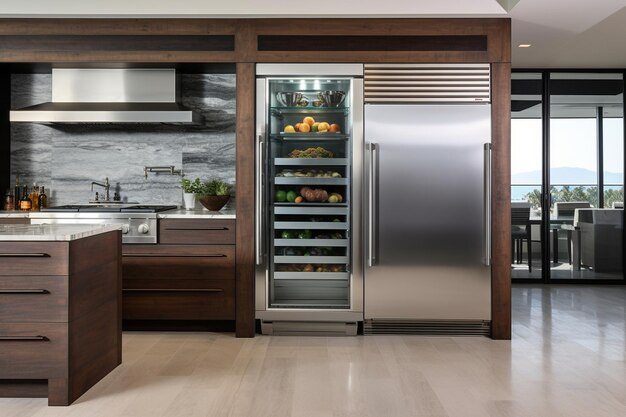
How To Buy Commercial Refrigerators Online (Without Overpaying): A Practical Guide
Shopping for commercial refrigerators and refrigeration equipment online can feel overwhelming. There are dozens of styles, hundreds of models, and a huge range of prices. At the same time, your choice has a big impact on food safety, energy bills, and how smoothly your kitchen, bar, or home entertaining space runs.
Whether you are fitting out a small café, upgrading a restaurant kitchen, setting up a home-based food business, or designing a serious outdoor kitchen in the Home & Garden space, understanding how to compare options online can help you find reliable equipment at fair prices—without unnecessary extras.
This guide walks through what matters most, how to interpret specifications, where online prices tend to hide, and how to buy with confidence.
Understanding Your Real Refrigeration Needs
Before looking at models or prices, it helps to clarify what you actually need the unit to do. This prevents overspending on oversized or overfeatured equipment.
What will you store?
Different foods and drinks have different space and temperature needs:
- Fresh produce and dairy – Need stable refrigeration and often benefit from adjustable shelving and good air circulation.
- Meats and seafood – Usually stored in reach-in refrigerators or prep tables that maintain consistent, food-safe temperatures.
- Bottled drinks – Can be kept in glass-door merchandisers or back-bar coolers, where visibility and quick access matter.
- Frozen goods – Require freezers with reliable low-temperature performance and good insulation.
Clarifying this helps narrow choices between:
- Reach-in refrigerators and freezers
- Undercounter units
- Prep tables
- Display merchandisers
- Back-bar coolers
- Walk-in coolers or freezers (for larger operations)
Where will the unit live?
Location affects both size and type of refrigeration equipment:
- Indoor commercial kitchen – May need heavy-duty units rated for frequent door openings and higher ambient temperatures.
- Home kitchen or pantry – Might favor quieter, more compact models with professional-style features.
- Garage, shed, or utility room – Often exposed to wider temperature swings; some units perform poorly in very hot or very cold spaces.
- Outdoor kitchen or patio – Typically requires equipment labeled for outdoor use with weather-resistant construction.
Measuring space is essential. Consider:
- Width, depth, and height (including any overhead cabinets or soffits).
- Door swing clearance and walkway space.
- Ventilation requirements (some units need extra clearance around the sides or back).
Key Types of Commercial Refrigeration Equipment
Understanding the main categories helps you compare similar products and avoid mismatched options.
Reach-in refrigerators and freezers
These are the workhorses of many kitchens:
- Single-, double-, or triple-door configurations.
- Solid doors often hold cold better; glass doors provide visibility for quick access or product display.
- Used for bulk storage of ingredients, prepared dishes, or frozen items.
Best suited when you need organized storage and frequent access without bending or stretching too much.
Undercounter and worktop units
These units fit under counters or provide a work surface on top:
- Good for tight spaces or small kitchens.
- Often used for beverages, garnishes, or ingredients that need to be close at hand.
- Available as refrigerators or freezers.
They balance convenience and space efficiency, especially in compact home or commercial settings.
Prep tables (salad, sandwich, pizza prep)
Prep tables combine refrigeration with a work surface and ingredient rail:
- Pan rail on top holds food pans for toppings or fillings.
- Refrigerated cabinet below stores refills and extra ingredients.
- Often used for salads, sandwiches, pizzas, and similar foods.
These are practical when you prepare many of the same items repeatedly and need organized, chilled access.
Display and merchandising refrigerators
These prioritize presentation and visibility:
- Glass doors, interior lighting, and often adjustable shelves.
- Used for bottled drinks, desserts, pre-packaged foods, or grab-and-go items.
- Common in cafés, small shops, and even home entertainment areas.
If you plan to place a unit where guests or customers will see it, this category often makes sense.
Back-bar and underbar coolers
Designed for bars and beverage service:
- Sized to fit under bar counters.
- Store bottles, cans, mixers, and sometimes kegs (when designed as kegerators).
- Emphasize quick access and efficient organization.
Useful for home bars, entertainment rooms, or patios where drinks are the main focus.
Walk-in coolers and freezers
Larger-scale solutions:
- Provide a room-sized cold space.
- Suitable for businesses that store large quantities of ingredients or prepped items.
- Require professional installation and careful planning.
These usually exceed the needs of typical home and small-scale setups but may be relevant for serious commercial operations or shared kitchens.
Essential Features To Compare When Shopping Online
Once you’ve identified the type of unit you need, comparing features carefully can help you avoid surprises and spot good value.
Capacity and dimensions
Most product listings show capacity in cubic feet and provide detailed dimensions.
Consider:
- Usable space vs. stated capacity – Shelves, fan housings, and compressors reduce practical storage space.
- Door configuration – More, narrower doors can reduce cold air loss but may slightly reduce accessibility.
- Adjustable shelving – Helps you adapt the interior to different container heights or product types.
🔍 Tip: Sketch your space and list what you plan to store. This makes it easier to judge whether a given capacity will feel cramped or wasteful.
Temperature range and controls
Consistent temperature is critical for food safety and quality:
- Look for clearly stated temperature ranges for refrigerators (typically above freezing) and freezers (well below freezing).
- Digital controls often offer more precise adjustments and easier monitoring than basic mechanical dials.
- Some units include external temperature displays, which help you check performance at a glance.
If you handle temperature-sensitive items, more precise and visible controls may be worth prioritizing.
Compressor placement and ventilation
The location of the compressor affects both performance and convenience:
- Top-mounted compressors
- Usually draw in less kitchen debris.
- Often run more efficiently in hot environments.
- Can make the unit taller.
- Bottom-mounted compressors
- Easier to access for service.
- May perform better in cooler ambient conditions.
- Can gather dust and debris from the floor more quickly.
Online listings often specify the compressor location and ventilation needs, which matter a lot in tight spaces or hot kitchens.
Door style and configuration
Doors influence usability, energy efficiency, and cost:
- Solid doors
- Often hold cold better, especially in hot kitchens.
- Generally less expensive than glass doors.
- Glass doors
- Allow quick visual checks and attractive displays.
- Common for merchandisers and beverage coolers.
- Swing vs. sliding doors
- Swing doors seal well but need clearance to open fully.
- Sliding doors save space but may require more frequent maintenance.
Think about traffic flow, the direction of aisle movement, and nearby walls or fixtures when choosing door style.
Interior layout and lighting
A well-designed interior can improve workflow:
- Adjustable shelves – Allow you to fit tall containers or reorganize as your menu or needs change.
- Removable gasketed doors and shelves – Generally easier to clean.
- Interior lighting – Especially important for display units or dimly lit locations.
For home and garden settings, people often favor well-lit interiors and flexible shelving that work for everything from party platters to beverage cases.
Energy efficiency
Energy costs can add up over time, especially for large or multiple units running around the clock.
Indicators to note:
- Any efficiency labels or certifications where applicable.
- Features like high-quality insulation, self-closing doors, and efficient compressors.
- LED lighting vs. traditional lighting in display units.
🔌 Tip: When comparing two similar models, a more efficient unit may cost a bit more upfront but often lowers lifetime operating cost, which can matter over several years.
Noise level
Noise can be a significant factor in home kitchens, open-plan spaces, or customer areas.
- Few listings provide precise noise ratings, but some describe units as quieter or suitable for open spaces.
- Customer reviews can sometimes offer practical feedback about perceived noise.
If noise is a concern, prioritizing smaller units, efficient compressors, and good installation practices (level placement, proper clearance) can help.
Construction and durability
The build quality influences both performance and lifespan:
- Exterior and interior materials
- Stainless steel is commonly chosen for durability and easy cleaning.
- Some units use coated steel or plastics inside to balance cost with function.
- Door gaskets and hinges
- Removable gaskets make cleaning easier and help maintain a tight seal.
- Robust hinges and door closers help doors shut securely.
Observing construction details in product photos and descriptions can give clues about how the unit will hold up under regular use.
How To Compare Prices And Spot Real Value Online
Not all low prices are equal, and not all high prices guarantee better performance. A systematic approach can clarify what you are really paying for.
Create a short “must-have” list
Before diving into product pages:
- Decide on:
- Type (reach-in, undercounter, prep table, etc.)
- Size range (width, height, and approximate capacity)
- Temperature range (refrigerator vs. freezer)
- List 3–5 non-negotiable features, such as:
- Solid doors
- Digital thermostat
- Certain number of doors
- Under-counter height
This helps you filter and compare like with like, instead of being swayed by flashy but unnecessary extras.
Compare total cost, not just sticker price
Online prices often look simpler than they are. To get a realistic picture, factor in:
- Base price of the unit
- Shipping or freight charges
- Many commercial units ship via freight with separate delivery fees.
- Liftgate or inside delivery
- Some deliveries include curbside only; extra services often cost more.
- Installation or setup costs
- Especially relevant for built-in units or walk-ins.
- Accessories
- Extra shelves, pan rails, or casters may be add-ons instead of included.
📦 Quick comparison checklist:
- Base price
- Shipping/freight
- Delivery type (curbside vs. inside)
- Included accessories
- Any required accessories not included (e.g., pans for prep tables)
Consider long-term operating costs
Two units may have similar purchase prices but different energy usage or maintenance needs.
While precise energy use may not always be listed, consider:
- Efficiency features (insulation, door design, LED lighting).
- Temperature control approach (digital controls may prevent waste from overly cold settings).
- Likely maintenance (accessible compressors, common parts, easy-to-clean layouts).
Many buyers find that spending slightly more upfront on efficiency and build quality can reduce total cost over the life of the equipment.
Pay attention to warranty and support terms
Warranty length and coverage can signal how confident the manufacturer or seller is in a product.
Key elements usually include:
- Length of parts warranty
- Whether labor is covered, and for how long
- Specific coverage for compressors
- Any exclusions or conditions (improper installation, misuse, etc.)
If support options are clearly explained and easy to access, this may simplify any future service needs.
Reading Product Descriptions (And What They Don’t Say)
Online listings often follow a familiar pattern, but some details require closer reading.
Highlights vs. fine print
Descriptions typically emphasize benefits:
- Large capacity
- Heavy-duty performance
- Fast cooling
- Attractive design
The fine print often reveals:
- Exact power requirements (voltage, plug type).
- Whether it is plug-and-play or needs special electrical work.
- Minimum and maximum ambient temperature recommendations.
- Specific clearance requirements around the unit for proper ventilation.
📝 Tip: If anything is unclear—power type, ventilation needs, or whether accessories are included—note those questions before buying so you can clarify with the seller.
Interpreting performance claims carefully
Descriptions may use phrases like:
- “Designed for busy kitchens”
- “Rapid temperature recovery”
- “Heavy-duty construction”
These are generally descriptive rather than precise technical claims. They can be helpful for a general sense of use case, but they rarely replace the importance of:
- Stated temperature ranges
- Construction materials
- Interior layout and capacity
- Warranty coverage
Use promotional language as a hint, not as the sole basis for a decision.
Making Sense of Reviews and Buyer Feedback
Online reviews can offer real-world insight, but they are also subjective. A balanced approach works best.
What to look for in reviews
Helpful patterns often show up when several reviewers mention the same points:
- Temperature consistency – Do users describe stable performance?
- Noise – Are there repeated comments about loud operation or quiet running?
- Ease of cleaning – Are shelves and gaskets easy to remove? Do surfaces wipe clean?
- Delivery experience – Were there frequent reports of shipping damage or smooth handling?
When reading negative reviews, consider:
- Whether the issue stemmed from misuse, misunderstanding, or an actual product shortcoming.
- If the seller or manufacturer responded helpfully, suggesting accessible support.
Filtering reviews to match your situation
A small café and a home kitchen may have very different expectations:
- For commercial kitchens, comments about performance during heavy use or in hot environments are more relevant.
- For home or garden settings, notes on noise level, appearance, and ease of fitting into cabinetry can matter more.
Try to focus on reviews from buyers whose usage is closest to your own.
Practical Steps To Buy Online With Confidence
Pulling everything together, you can follow a straightforward process to move from research to purchase.
Step 1: Define your use case clearly
Write down:
- Where the unit will go (dimensions, environment).
- What you will primarily store.
- Approximate capacity needed.
- Whether appearance (e.g., glass doors, finish) is important.
Step 2: Filter by essentials
On retailer sites or marketplaces, use filters to narrow down by:
- Type (reach-in, undercounter, prep table, etc.).
- Dimensions.
- Refrigerator vs. freezer.
- Door type (solid or glass).
- Voltage or plug type if specified.
Then quickly rule out options that:
- Are too big or small.
- Don’t meet your temperature range needs.
- Require electrical work you don’t plan to do.
Step 3: Compare 3–5 similar models in detail
Create a simple comparison view for a handful of finalists.
📊 Mini-comparison template
| Factor | Model A | Model B | Model C |
|---|---|---|---|
| Type / Size | |||
| Capacity (cubic feet) | |||
| Doors (style / number) | |||
| Compressor location | |||
| Temperature range | |||
| Interior features | |||
| Base price | |||
| Shipping / delivery | |||
| Warranty basics |
Filling this out helps highlight real differences beyond marketing descriptions.
Step 4: Clarify logistics and policies
Before placing an order, check:
- Delivery method – Curbside, liftgate, or inside placement.
- Any steps you must take upon delivery:
- Inspect for damage.
- Note issues on delivery paperwork.
- Return or exchange policy
- Time window for returns.
- Whether return shipping or restocking fees apply.
- Expected lead time, especially for larger or special-order units.
This preparation can make the delivery process smoother and reduce stress if anything goes wrong.
Step 5: Place the order and plan installation
Once you choose a model:
- Make sure the space is measured and cleared.
- Check that the floor can support the weight.
- Confirm there is:
- Proper electrical access.
- Enough ventilation clearance.
- A path wide enough for the unit to pass through doors and hallways.
⭐ Simple setup tips:
- Allow the unit to stand upright for the time recommended after delivery before plugging in (often suggested when a unit has been laid on its side during transit).
- Start with the thermostat at the manufacturer’s suggested setting, then fine-tune based on an accurate thermometer placed inside.
- Avoid overloading shelves immediately; letting the unit stabilize can help it reach and maintain target temperature more quickly.
Quick-Glance Checklist For Getting The Best Price 🧾
Here is a compact set of reminders you can skim before you click “buy”:
✅ Match the unit to your use
- Type (reach-in, undercounter, prep, display)
- Capacity and footprint
- Indoor vs. outdoor / hot vs. moderate environment
✅ Check core specs
- Temperature range
- Dimensions (including door swing)
- Compressor location and ventilation
- Power requirements
✅ Clarify total cost
- Base price
- Shipping or freight charges
- Delivery type and any liftgate/inside fees
- Required accessories (shelves, pans, casters)
✅ Evaluate value, not just price
- Build materials (interior and exterior)
- Interior layout and accessibility
- Energy efficiency indicators
- Warranty length and coverage basics
✅ Read user experiences
- Temperature consistency
- Noise level
- Cleaning and maintenance
- Common issues or praise appearing more than once
✅ Confirm policies and logistics
- Return/exchange terms
- Delivery inspection steps
- Installation considerations (space, power, airflow)
Fitting Commercial Refrigeration Into Home & Garden Spaces
Commercial-style refrigeration has become more common in homes, outdoor kitchens, and garden entertaining areas. A few home-specific considerations can help tailor your choice.
Blending performance with home comfort
In a home setting, you might weigh some factors differently than in a restaurant:
- Appearance – Finish, door style, and lighting may influence how the unit fits your décor.
- Noise – Quieter operation can be more important in open-plan layouts.
- Ease of cleaning – If you maintain the unit yourself, accessible parts and simple surfaces can save time.
Some homeowners choose smaller commercial-style units (like undercounter beverage coolers or back-bar fridges) to balance durability and design.
Outdoor and semi-outdoor use
For patios, covered porches, and outdoor kitchens:
- Look for units described as suitable for outdoor or wide ambient temperatures, where indicated.
- Consider sun exposure, rain, and airflow. Even covered spaces may experience temperature extremes and moisture.
- Allow extra clearance for ventilation to help units cope with hotter conditions.
Many people find that planning shade, airflow, and accessible power sources around the outdoor refrigerator improves both performance and comfort.
Bringing It All Together
Buying commercial refrigerators and refrigeration equipment online at good prices is less about finding a single bargain and more about matching the right unit to real-world needs, then evaluating the full picture of cost, performance, and practicality.
By:
- Defining how and where the unit will be used,
- Narrowing options based on essential specs,
- Comparing a small group of similar models carefully,
- Looking beyond sticker price to shipping, energy use, and warranty, and
- Preparing for delivery and installation in advance,
you can select equipment that supports safe food storage, efficient workflows, and comfortable daily use—whether in a busy kitchen, a compact home bar, or a thoughtfully designed outdoor entertaining area.
With a clear process and an eye for detail, the online marketplace becomes less confusing and more like a catalog of well-understood options, giving you greater confidence that the price you pay reflects long-term value, not just a number on the screen.