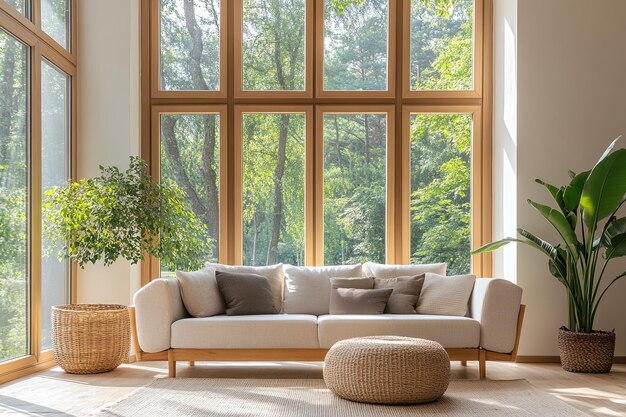
Brighter, Smarter Homes: How Skylights and Natural Light Solutions Can Transform Your Interior and Reduce Energy Use
Walk into a dim room, switch on a single overhead bulb, and everything looks flat and a little lifeless. Now picture the same room filled with soft daylight from above: colors look richer, surfaces feel warmer, and the whole space seems larger and more inviting. That is the quiet power of skylights and natural light solutions.
For many homeowners, bringing more daylight inside is about more than aesthetics. It can influence comfort, mood, and long-term energy use. This guide explores how skylights and other daylight strategies can reshape your home interior, while also supporting more efficient use of heating, cooling, and electricity.
Why Natural Light Matters So Much Indoors
Before diving into skylights and specific products, it helps to understand why natural light is such a central design element in home interiors.
The visual and emotional impact of daylight
Daylight tends to:
- Make colors appear more accurate and vibrant
- Highlight texture in wood, stone, and fabrics
- Add a sense of openness and depth to rooms
- Create a connection to the outdoors and changing seasons
Many people describe naturally lit spaces as calmer, more uplifting, or less claustrophobic than artificially lit rooms. While experiences vary from person to person, there is a broad preference for interiors that feel bright during the day without relying solely on electric lights.
Natural light and daily routines
Daylight exposure is also closely tied to:
- Sleep–wake cycles: Bright days and darker nights help support natural rhythms.
- Productivity and focus: Many individuals feel more alert and engaged in softly daylit spaces.
- Visual comfort: Good natural light can reduce the need for harsh overhead fixtures during the day.
These are general tendencies, not guarantees, but they help explain why so many homeowners prioritize windows, skylights, and open layouts when renovating or buying.
How Skylights Transform Interior Spaces
Skylights bring daylight from above, which is very different from light entering through vertical windows.
The unique qualities of light from above
Light that comes through the roof:
- Reaches deeper into the floor plan, especially in central areas far from exterior walls
- Reduces harsh contrasts between bright windows and darker interiors
- Provides more even illumination across horizontal surfaces like kitchen counters and tables
Because skylights admit light from the sky rather than the horizon, they can brighten spaces even when nearby buildings, trees, or fences limit side views.
Where skylights make the biggest difference
Skylights often have the most impact in:
- Hallways and stairwells that lack exterior walls
- Interior bathrooms or closets with no windows
- Kitchens where overhead light improves task visibility
- Living rooms and family rooms at the center of the home
- Attics and lofts converted into living spaces
In these areas, even a small skylight or tubular daylight device can shift the feel of a room from “artificially lit” to “naturally bright.”
Types of Skylights and Natural Light Solutions
Natural light solutions extend beyond the basic rectangular skylight. Understanding the main options can help you picture what might fit different rooms and roof types.
Traditional skylights
These are usually glazed units installed directly in the roof.
Common forms include:
Fixed skylights
- Do not open; designed only for light.
- Often used in hallways, stairwells, and double-height spaces.
Venting skylights
- Can be opened manually or with a control system.
- Help with natural ventilation in kitchens, bathrooms, and attics.
Roof windows
- Often larger, installed within reach for direct operation.
- Common in lofts and converted attic spaces with sloped ceilings.
Tubular daylighting devices (solar tubes)
Tubular daylight devices (sometimes called solar tubes or light tubes) use a small roof dome connected to a reflective tube that channels daylight down into the ceiling of your room.
They are often used when:
- The area to be lit is far from the roof surface
- There is limited roof space or structural obstacles
- A full skylight would be too large or visually overwhelming
They work especially well in narrow corridors, small bathrooms, walk-in closets, and windowless utility rooms.
Roof lanterns and light wells
In some architectural styles, roof lanterns or glazed roof extensions create a central glass structure on a flat roof, acting like an elevated skylight. Light wells are vertical or sloped openings that bring daylight down through upper floors to ground level.
These solutions can:
- Turn interior spaces into dramatic focal points
- Flood multi-story areas with light
- Work well over dining areas or internal courtyards
Sun tunnels vs. skylights: quick comparison
| Feature | Traditional Skylight | Tubular Sun Tunnel |
|---|---|---|
| Opening size | Larger, more view and sky exposure | Smaller aperture, compact footprint |
| View outside | Direct view of the sky and surroundings | Limited or no direct view |
| Best location | Larger rooms, open areas | Small rooms, corridors, interior zones |
| Installation | More structural impact | Typically less intrusive |
Both approaches bring in daylight; the choice often comes down to space, budget, roof layout, and the desired visual effect.
Energy Benefits: How Daylighting Supports Efficiency
Beyond aesthetics, many homeowners are interested in saving energy and managing utility costs. Natural light solutions can support this goal in several ways.
Reducing dependence on electrical lighting
In a well-designed daylit space:
- Lights may stay off for much of the day
- Fewer fixtures are needed for basic illumination
- Task lighting can be used more selectively (for detail work at night, for example)
This can lower electricity usage associated with lighting. Over time, even moderate reductions can have a noticeable impact on energy consumption patterns.
Supporting passive solar heating (and when that’s helpful)
In cooler climates or during colder seasons, sunlight entering through skylights and windows can contribute to passive solar gains, slightly warming interior air and surfaces.
Some design principles related to skylights and heat:
- South-facing roofs (in the northern hemisphere) often receive more winter sun.
- Double- or triple-glazed skylights with appropriate coatings can balance light and heat entry.
- Operable skylights can be opened in warmer months to release hot air that rises to the ceiling.
Homeowners sometimes pair skylights with insulated shades or blinds to fine-tune heat gain and loss throughout the year.
Managing heat gain to avoid over-warming
Skylights can also admit unwanted heat in warmer climates or seasons if not chosen and positioned carefully. To manage this:
- Glazing can include low-emissivity coatings that reduce solar heat gain.
- Shading systems (internal blinds, external shades) help limit direct sun at peak hours.
- Roof orientation and skylight size are often chosen to balance brightness with comfort.
The overall energy impact depends on local climate, roof orientation, insulation quality, and glazing type, so approaches can vary from one home to another.
Design Strategies to Maximize Daylight and Minimize Glare
Bright interiors are appealing, but uncontrolled light can create glare or harsh contrasts. Thoughtful design can make daylight both beautiful and comfortable.
Placing skylights for balanced light
Some general design trends that often work well:
- Multiple smaller skylights can distribute light more evenly than a single large one.
- Positioning near interior walls can bounce light deeper into the room.
- Aligning skylights with circulation areas (hallways, stair finishes) keeps paths well-lit.
Angles and roof shape matter too. On sloped roofs, placing skylights higher or lower on the pitch affects how sunlight travels across the room at different times.
Controlling brightness with shades and diffusers
To soften or control daylight:
- Interior blinds or blinds integrated into the skylight help adjust brightness throughout the day.
- Diffusing glazing scatters light, reducing sharp shadows and glare.
- Frosted or prismatic elements allow privacy while maintaining brightness in bathrooms or neighbors-facing roofs.
Some homeowners choose motorized blinds for skylights out of reach, allowing quick adjustment without ladders or poles.
Coordinating with interior finishes
Indoor surfaces influence how daylight feels:
- Light-colored walls and ceilings reflect more light, making rooms appear larger and brighter.
- Matte finishes reduce glare compared with highly glossy surfaces.
- Reflective elements such as mirrors can bounce light into darker corners, especially in combination with a skylight.
Small changes like repainting a ceiling or choosing lighter flooring can often boost the perceived effect of a skylight or sun tunnel.
Natural Light Solutions Beyond Skylights
Skylights are powerful tools, but they are only one part of a daylighting strategy. Other additions can complement or, in some cases, substitute for roof openings.
Larger or repositioned windows
Expanding or relocating windows can:
- Increase the spread of lateral daylight
- Provide views, which many people find as important as brightness
- Complement overhead light by illuminating vertical surfaces
Pairing high windows (clerestories) with skylights often creates a pleasing combination of soft top light and views to the outdoors.
Glass doors and interior openings
Natural light can travel through a home if given pathways, such as:
- Glazed patio doors or balcony doors bringing in large amounts of side light
- Interior transom windows above doors to transmit light between rooms
- Glass panels in interior doors that share daylight between spaces while maintaining separation
These elements can reduce the need for multiple roof penetrations while still brightening interior zones.
Reflective surfaces and light shelves
Architectural features known as light shelves (horizontal surfaces that reflect light deeper into a space) are sometimes used below high windows. Even simpler strategies, like placing mirrors opposite windows or using glossy but controlled finishes, can enhance daylight penetration.
Practical Planning: Key Considerations Before Adding Skylights
Adding skylights or daylight solutions touches on structure, moisture control, and long-term durability. Here are some practical aspects homeowners commonly consider.
Roof type and structure
Roof characteristics influence skylight options:
- Sloped roofs (gable, hip, shed, etc.) usually work well with a wide range of skylights.
- Flat roofs often favor curb-mounted skylights or roof lanterns with careful drainage detailing.
- Truss roofs may limit skylight width, as cutting structural members is typically avoided.
Structural framing, roofing material (shingle, tile, metal, membrane), and attic configuration (vented vs. unvented) can shape what’s feasible.
Weather, climate, and orientation
Location affects:
- Potential for leaks or moisture issues in heavy rain or snow regions
- Heat gain in hot climates, especially with large, unshaded skylights
- Snow buildup in areas with significant snowfall, which can temporarily block light or add weight
Orientation also matters:
- North-facing (northern hemisphere) usually brings in more even, softer light and less direct sun.
- South-facing captures more sun, which can be beneficial or excessive depending on climate.
- East- and west-facing can be bright and directional during morning or evening.
Choosing glazing and shading that reflect local conditions is often more effective than a one-size-fits-all approach.
Moisture management and condensation
Proper sealing and insulation around skylights help minimize:
- Air leaks that can increase energy loss
- Condensation on cold surfaces, especially in humid rooms like bathrooms and kitchens
Attention to flashing (the metal or membrane system that seals the skylight to the roof) and to interior air barriers helps reduce the risk of water penetration and moisture problems.
Common Myths and Balanced Realities About Skylights
Homeowners sometimes have strong feelings about skylights, shaped by older installations or anecdotal stories. It can be helpful to separate myths from more nuanced realities.
Myth 1: “All skylights leak.”
Older skylight designs and poorly installed units have led to that reputation. In practice:
- Well-designed skylights with modern flashing systems are developed to resist water intrusion.
- Proper installation, including integration with the roofing system, is crucial.
- Roof age and maintenance also influence performance over time.
While no building component is completely risk-free, leaks are often linked to aging roofs, incorrect installation, or lack of maintenance, rather than to the concept of skylights themselves.
Myth 2: “Skylights always make rooms too hot.”
Skylights can increase solar gain, especially older units with clear, single glazing. More recent strategies use:
- Insulated glazing units
- Solar control coatings
- Built-in blinds or external shading
These features are commonly chosen to suit climate and orientation and can make daylight more manageable and comfortable.
Myth 3: “Skylights don’t save energy.”
The energy impact of skylights is not identical in every climate or home. Observed patterns include:
- Reduced daytime use of electric lighting in daylit rooms
- Some additional heat loss or gain through the roof opening, depending on glazing and insulation
- Potential benefits from passive solar gain in colder seasons and natural ventilation in warmer seasons
The net effect depends on design choices, quality of installation, and how consistently residents adjust blinds and ventilation.
Styling Your Interiors Around Natural Light
Once more daylight enters your home, you can emphasize it through thoughtful interior design choices.
Furnishing to work with light, not against it
Some strategies that often suit daylit interiors:
- Low or open-back furniture near skylit areas so light can spread across the room
- Avoiding tall, dark cabinets directly under or beside skylights when possible
- Using open shelving or glass-front cabinets in kitchens to reflect light
In living rooms, placing reading nooks or seating areas under or near skylights can create cozy but bright zones that naturally become favorite spots.
Color palettes that complement daylight
Daylight can change the appearance of color throughout the day. Common approaches include:
- Soft neutrals that adapt well as the light shifts from cool morning to warm evening tones
- Accent colors positioned where sunbeams might occasionally highlight them
- Cooler tones (blues, grays) that can feel refreshing in strong sunlight, balanced with warmer textiles or wood.
Testing paint swatches or sample materials at different times of day in a skylit room can prevent surprises later.
Highlighting architecture and art
Skylights often:
- Emphasize architectural features, such as exposed beams, columns, or textured walls.
- Draw attention to artwork or statement pieces placed in wash zones of daylight.
- Create dynamic shadow patterns that change throughout the day, giving the space a sense of movement.
Designers sometimes use wall-washing daylight from above to flatter textures like brick, stone, or plaster.
Quick-Glance Guide: Making the Most of Skylights and Natural Light 🌞
Use this summary as a practical reference while planning or updating your home.
Key Takeaways and Tips
- 🌤 Think whole-house daylighting, not just one skylight. Combine roof, window, and interior strategies.
- 🏠 Match solutions to spaces:
- Skylights for larger, central rooms
- Sun tunnels for small or interior rooms
- Larger windows and glass doors for views and side light
- 🔍 Plan for comfort: choose glazing, blinds, and orientation with both light and temperature in mind.
- 🎨 Use interiors as light amplifiers: lighter finishes, reflective elements, and thoughtful furniture placement.
- 🛠 Consider structure and climate: roof type, weather patterns, and local temperature ranges all matter.
- 💡 Balance brightness and control: incorporate shades, diffusers, and sometimes multiple smaller openings instead of one very large one.
- ♻️ Aim for efficient use of energy: rely more on daylight during the day, and complement it with targeted, efficient electric lighting at night.
Integrating Natural Light Into Long-Term Home Plans
Bringing more daylight into your home is rarely just a cosmetic choice. It connects to:
- How you use each room during the day
- How much electric light and cooling you rely on
- How your home feels and functions over many years
Some homeowners choose to incorporate skylights and daylight strategies in stages, for example:
- Starting with small, high-impact areas such as interior bathrooms or dark hallways.
- Observing how daylight changes their routines, comfort, and use of electric lights.
- Expanding to larger spaces like kitchens, living rooms, or lofts with more complex solutions.
- Fine-tuning interiors with paint, furnishings, and blinds to make the most of the new light.
This gradual approach allows room for experience and adjustment, helping ensure that any skylight or natural light solution feels like a natural extension of the way you live.
A home filled with thoughtful, well-managed daylight often feels more alive. Color, texture, and space reveal themselves differently when sunlight from above and from the sides replaces an overreliance on artificial lighting. When paired with attention to energy use, glazing choices, and shading, skylights and natural light solutions can help your home become brighter, more welcoming, and more efficient—day after day, season after season.