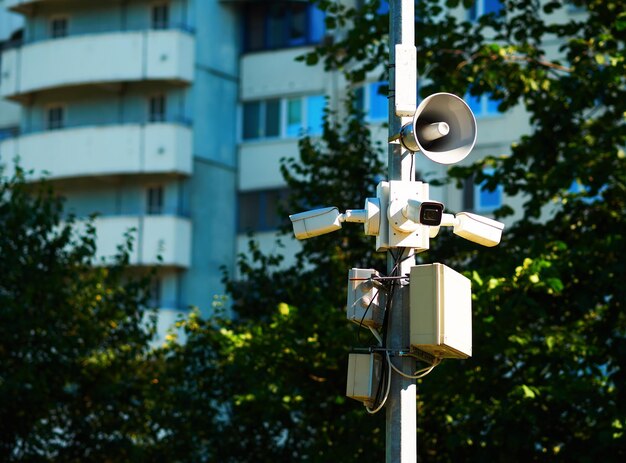
How Smart Community Surveillance Can Make Neighborhoods Safer (Without Turning Them Into Fortresses)
Walk down any modern street and you’ll probably spot them: discreet cameras on porches, shared driveway monitors, or a small security sign at the entrance to a cul-de-sac. Community surveillance used to mean a neighbor peeking through the curtains. Today, it often involves shared security cameras, smart doorbells, and neighborhood watch apps that connect people and information in real time.
For many homeowners, the goal is simple: reduce crime, increase peace of mind, and protect property. But what does community surveillance actually do for crime prevention and security—and how can it be integrated into everyday home and garden life in a balanced, responsible way?
This guide explores how community surveillance solutions work, the ways they can help prevent crime, how they affect home security, and what to consider if your neighborhood is thinking about using them.
What Are Community Surveillance Solutions?
Community surveillance solutions are shared tools and systems that help neighbors, property owners, and sometimes local authorities monitor and respond to activity in and around a neighborhood.
They typically combine:
- Hardware: cameras, sensors, lights, and sometimes alarms
- Software: apps, cloud storage, alerts, and community discussion platforms
- People: neighbors who share information and stay observant
Common Types of Community Surveillance
1. Shared Security Cameras
These may include:
- Cameras at neighborhood entrances and exits
- Cameras covering shared driveways, alleys, or parking areas
- Systems installed on condo or apartment buildings
- Cameras placed by homeowner associations on clubhouses, pools, or parks
2. Smart Doorbells and Home Cameras
Individual homes may have:
- Video doorbells that record visitors and package deliveries
- Outdoor cameras monitoring front yards, backyards, and side pathways
- Driveway cameras focused on vehicles and entry points
Often, homeowners opt to share certain clips (for example, porch thefts or suspicious behavior) with neighbors through apps or local groups.
3. Neighborhood Watch Apps and Platforms
Digital platforms now act as hub spaces for:
- Posting camera clips
- Sharing alerts about break-ins, suspicious vehicles, or lost items
- Coordinating with neighbors, and sometimes with local law enforcement in an informational way
4. Integrated Community Security Systems
In some gated communities or planned neighborhoods, security may be more structured:
- Central monitoring for shared areas
- Access control systems (gates, fobs, keypads)
- Lighting schedules aligned with camera coverage
These setups are often part of a broader community security strategy, not just a collection of individual devices.
How Community Surveillance Helps Prevent Crime
Community surveillance is rarely a stand‑alone solution. Instead, it works best as part of a layered approach to security. A front yard camera, good lighting, attentive neighbors, and careful daily habits all interact.
Here’s how surveillance commonly contributes to crime prevention.
1. Acting as a Visible Deterrent
Many potential offenders prefer low-risk, low-visibility environments. When they see:
- Cameras at neighborhood entrances
- Doorbell cameras on multiple houses
- Motion-triggered lights and visible signs
they may choose to avoid that area entirely. This effect is often most noticeable when a neighborhood visibly upgrades its security—adding cameras, lights, and clear signage around the same time.
Key idea: Cameras don’t guarantee safety, but visible layers of security can signal that a neighborhood pays attention and is willing to share information if something goes wrong.
2. Helping Detect Suspicious Activity Early
Recorded footage can show:
- Unfamiliar vehicles repeatedly circling a block
- Individuals checking door handles or looking over fences
- Package thieves targeting porches during daytime
When neighbors share this information through common channels, it becomes easier to identify patterns and stay alert—sometimes before a major incident occurs.
3. Providing Evidence After an Incident
Community surveillance can be especially valuable after a crime, such as:
- Burglary
- Vandalism
- Car break-ins
- Porch package theft
Footage from one home might show the suspect approaching, while another might capture the vehicle or the escape route. With multiple angles and timestamps, it can be easier to:
- Narrow down timeframes
- Identify vehicles or distinguishing features
- Reconstruct how an incident unfolded
This can help residents, insurance providers, and in some cases legal processes understand what happened.
4. Supporting a Culture of Awareness
When people know that their community is watchful, habits often shift:
- Doors and gates may be locked more consistently
- Outdoor lights might be used more strategically at night
- Packages may be picked up more promptly after delivery
Over time, this awareness contributes to an atmosphere where carelessness is reduced, which can indirectly lower opportunities for crime.
The Benefits for Homeowners and Everyday Life
Even though community surveillance sounds like a broad, neighborhood-level concept, its effects are deeply personal and tied to home and garden spaces.
1. Increased Sense of Security at Home
Knowing that:
- Your porch is monitored
- Your driveway is recorded
- Your neighbors also have cameras and share information
can give many homeowners greater peace of mind, especially at night or when they are away.
For families, it can feel reassuring to check live feeds and see:
- Children arriving home from school
- Pets safely in the yard
- Deliveries left in their expected spot
2. Protection of Outdoor Spaces and Gardens
Community surveillance doesn’t just protect front doors. It extends to:
- Front yards and landscaping: helping discourage vandalism or theft of decor, tools, or plants
- Backyards and side passages: often more hidden but vulnerable areas
- Sheds and outdoor storage: where bikes, gardening equipment, and seasonal items may be kept
Well‑placed, appropriately aimed cameras, combined with strong garden lighting and clear sightlines, can help homeowners keep a better eye on outdoor investments.
3. Support for Deliveries and Home Services
With many households receiving frequent deliveries or using in‑home services, cameras can:
- Confirm that packages were delivered
- Show when gardening or maintenance crews arrived and left
- Capture if items were moved, damaged, or removed from the property
In communities where neighbors share footage, a package that goes missing from one porch may be spotted leaving on another camera down the street, clarifying what occurred.
How Community Surveillance Actually Works in Practice
Understanding how these systems function day-to-day can help clarify their role in crime prevention and home security.
Typical Components of a Community Surveillance Setup
A typical neighborhood might have a mix of:
Individual home devices
- Video doorbells
- Wi‑Fi cameras covering entry points
- Motion-activated lights
Shared or community devices
- Cameras at main roads or gates
- Cameras in shared courtyards or garages
- Lighting for alleys or paths
Digital coordination tools
- Messaging groups or apps
- Cloud video storage
- Notification settings for motion alerts or shared posts
The real strength lies in how these elements are used together, not just in their existence.
How Neighbors Commonly Use Surveillance Day to Day
Common uses include:
- Sharing clips when a crime or suspicious activity has occurred
- Alerting others about potential issues, such as someone trying car doors overnight
- Comparing timelines across different cameras to piece together events
- Coordinating responses like contacting authorities or checking on vulnerable neighbors
In many places, this has modernized the traditional neighborhood watch, which used to rely solely on in‑person observation and word of mouth.
Balancing Security With Privacy and Respect
As surveillance becomes more common, so do questions about privacy, fairness, and appropriate use. Many communities find it helpful to think practically about these concerns from the start.
1. Avoiding Overreach
While cameras can help with security, they can also create discomfort if they:
- Point directly into a neighbor’s windows or private yard
- Record shared spaces where people reasonably expect some privacy, such as secluded patios
- Are used to monitor personal behavior rather than actual security concerns
Thoughtful homeowners typically choose angles and placements that focus on their own property and public approaches, not on other people’s private lives.
2. Setting Clear Community Expectations
Some communities choose to discuss and agree on basic norms, such as:
- Where shared cameras will be placed
- What types of incidents are appropriate to share
- How long footage is typically kept
- How to handle mistakes or misunderstandings respectfully
This kind of open conversation can build trust and reduce tension, especially in dense neighborhoods where cameras from multiple homes overlap.
3. Being Mindful With Shared Footage
When sharing clips or images with others, many residents choose to:
- Avoid public shaming or accusations without clear evidence
- Focus on documenting actions, not labeling people
- Take care with recognizable details such as children’s faces, house numbers, or license plates, depending on context
This more thoughtful approach helps keep the focus on safety and problem-solving, not on gossip or blame.
Designing a Safer Home Environment Around Surveillance
Cameras alone don’t secure a home or neighborhood. Their value grows when combined with good physical design and everyday habits, especially in home and garden areas.
1. Using Lighting and Landscaping Together
For most properties, the goal is simple: improve visibility around entry points without making the yard look harsh or unwelcoming.
Consider how these elements often work together:
- Pathway and porch lighting: Makes it easier to see who is approaching and helps cameras capture clearer images.
- Motion-activated lights: Can surprise and discourage someone trying to move around unnoticed.
- Thoughtful landscaping:
- Low or trimmed shrubs near windows and doors
- Avoiding dense hedges that create deep shadowed hiding spots
- Using plants to guide the eye toward entrances, rather than block them from view
In many neighborhoods, residents find that improved lighting plus visible cameras significantly changes how safe an area feels at night.
2. Positioning Cameras for Practical Coverage
Homeowners often choose to focus on:
- Main entry door
- Driveway and vehicles
- Back entrances, side gates, and common access points
For community impact, angles that also cover:
- Shared sidewalks in front of the home
- Alley entrances
- Street parking directly outside the property
can be especially helpful when piecing together incidents that affect multiple homes.
A simple principle guides many camera placements: capture pathways, not private spaces.
Common Advantages and Challenges of Community Surveillance
Here is a simple overview of how community surveillance commonly supports safety, along with the trade‑offs and challenges it can bring.
| Aspect 🧩 | Potential Advantages ✅ | Common Challenges ⚠️ |
|---|---|---|
| Deterrence | May discourage opportunistic crime when visible | Determined offenders may not be deterred |
| Evidence | Provides timelines, visuals, and context after incidents | Footage quality or angles may be limited |
| Community awareness | Encourages neighbors to watch out for each other | Can sometimes lead to over-reporting or anxiety |
| Property security | Supports protection of homes, gardens, vehicles, and sheds | May give a false sense that cameras alone are enough |
| Convenience | Helps track deliveries, visitors, and service providers | Requires device maintenance and management |
| Privacy | Can be managed thoughtfully with good placement and norms | Poor placement or misuse can raise concerns |
This balance is one reason many homeowners and communities take time to plan their approach, instead of adding cameras randomly.
Practical Considerations for Homeowners in a Surveillance‑Active Community
For those living in or considering a community with shared surveillance, several day‑to‑day questions tend to come up.
1. Storage and Access to Footage
People often ask:
- Who has access to shared recordings?
- How long are videos kept?
- Are videos stored locally (on a device at home) or in the cloud?
Understanding these basics can help homeowners decide how comfortable they are and how much they want to participate.
2. Maintenance and Reliability
Cameras, lights, and apps are still devices, and they need:
- Occasional cleaning (for lenses exposed to the elements)
- Periodic checks to make sure they are actually recording
- Updates or adjustments when Wi‑Fi setups or power change
In many communities, having multiple households with devices creates redundancy—if one system fails, another may still capture important activity.
3. Coordinating With Neighbors
Some neighborhoods choose informal patterns over rigid rules, like:
- Creating a group chat for urgent alerts (e.g., break-ins, suspicious vehicles)
- Using community bulletin boards or apps for non‑urgent information
- Sharing clips when they seem broadly relevant, rather than posting every minor motion detection
This kind of coordination can help maintain a useful signal-to-noise balance, so that genuinely important alerts don’t get lost.
Key Takeaways for Homeowners 🏡
Below is a quick reference summary of core ideas about how community surveillance supports crime prevention and home security:
Community surveillance works best in layers
Cameras are most effective when combined with good lighting, secure locks, and everyday awareness.Visible security can discourage some crime
Knowing an area is monitored often reduces opportunistic attempts, especially at unlit or hidden entry points.Shared footage helps reconstruct events
Multiple home cameras around a neighborhood can piece together movements, vehicles, and timelines that a single camera might miss.Outdoor spaces benefit directly
Gardens, driveways, sheds, and patios can be easier to safeguard when part of a neighborhood‑level monitoring culture.Privacy and respect matter
Thoughtful camera placement and community norms can help balance security with everyday comfort and mutual respect.Technology is a tool, not a cure‑all
Surveillance adds clarity and accountability, but doesn’t replace basic safety habits like locking doors, bringing valuables inside, and getting to know your neighbors.
How Home & Garden Design Supports Safer Communities
Increasingly, people are blending security thinking into everyday home and garden design, rather than treating it as an afterthought.
1. “Defensible Space” Around the Home
Many homeowners find it useful to think in zones:
- Public zone: sidewalk, street, and front verge
- Semi‑public zone: front yard, visible to neighbors and passersby
- Semi‑private zone: side paths, driveways, and visible backyard edges
- Private zone: inside the home and secluded backyard areas
Cameras, lights, and landscaping often align with these zones:
- Public and semi‑public areas get the most visibility and camera coverage.
- Semi‑private areas may rely more on lighting plus strategic cameras.
- Private areas are usually kept shielded from outside view, respecting privacy while still being secure through locks and fencing.
2. Choosing Garden Elements With Security in Mind
Some garden elements can indirectly support security goals:
- Open, low plantings near windows and doors maintain sightlines
- Pathways and entry gates guided toward well‑lit, visible points
- Sturdy fencing and locking gates at side and rear access areas
Combined with community surveillance, these details help create a clear, well‑observed environment, which generally feels less attractive to someone looking for easy opportunities.
Why Community Surveillance Is Becoming Part of “Everyday” Home Life
Community surveillance once felt like something reserved for high‑risk areas or commercial sites. Now, it shows up in everyday neighborhoods for several reasons:
- Affordable technology has brought cameras and smart doorbells into reach for many households.
- People value the ability to check in remotely on their homes, pets, and gardens.
- Communities increasingly recognize that shared awareness can complement individual security measures.
As this shift continues, community surveillance is gradually becoming a standard part of how people think about home and garden security, rather than a rare or specialized feature.
Bringing It All Together
Community surveillance solutions are ultimately about visibility, awareness, and shared responsibility. When neighbors use cameras, lighting, and communication tools together, they often create environments where:
- Opportunistic crime is harder to carry out unseen
- Evidence is more available when incidents do occur
- Home and garden spaces feel more secure, both by day and by night
At the same time, the most sustainable approaches keep privacy, respect, and balance in view. Cameras are pointed at pathways rather than private windows, footage is shared thoughtfully, and neighbors remain mindful that technology is just one part of a larger safety picture.
For homeowners, understanding how community surveillance operates—and how it fits with lighting, landscaping, and everyday habits—can make it easier to participate in neighborhood safety efforts in a way that feels both effective and considerate.