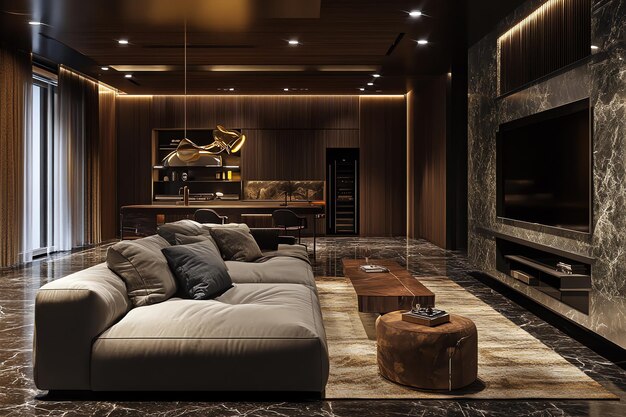
Home Lighting Fixtures Guide: Styles, Wall Sconces, Decorative Ideas & Easy Maintenance
Walk into any room with great lighting and you feel it immediately: it’s warmer, more welcoming, and more functional. Walk into a room with harsh, dim, or poorly placed lights, and even beautiful furniture can look flat and uninviting.
Thoughtful home lighting fixtures turn a house into a comfortable, stylish space. This guide walks through popular styles, the special role of wall sconces, decorative options, and simple maintenance tips so your lights always look and perform their best.
Understanding the Basics: How Home Lighting Works Together
Before choosing fixtures, it helps to understand how different types of lighting work as a team.
The three layers of home lighting
Most well-lit rooms use a mix of three layers:
Ambient lighting
This is your main, overall light source—the “base layer” that lets you move around safely.
Common examples:- Ceiling-mounted fixtures
- Recessed lights
- Large pendants or chandeliers
Task lighting
This layer focuses light where you need to see clearly for a specific activity.
Common examples:- Under-cabinet lights in a kitchen
- Desk lamps in a home office
- Reading sconces beside a bed
- Vanity lights around a bathroom mirror
Accent lighting
Accent lights highlight architectural features or decor and create mood or drama.
Common examples:- Picture lights over artwork
- Wall sconces that wash light up and down a wall
- LED strips in shelves or behind a TV
A comfortable room usually combines at least two of these layers, and often all three.
Color temperature and brightness basics
Two lighting terms frequently appear on bulb packaging:
Color temperature (Kelvin scale)
- Warm white (lower Kelvin value) tends to feel cozy and inviting—common in bedrooms and living rooms.
- Neutral to cool white (higher Kelvin value) can feel bright and crisp—often used in kitchens, bathrooms, and work areas.
Brightness (lumens)
Lumens describe how bright a bulb appears. Higher lumens = brighter light.
For most rooms, people use a mix of brighter bulbs for task areas and softer bulbs for accent or mood lighting.
Matching the fixture style, color temperature, and brightness to each room’s purpose can dramatically change how the space feels.
Popular Lighting Fixture Styles and Where They Work Best
Different rooms benefit from different fixture types. Here are the most common categories and how they’re often used.
Ceiling-mounted fixtures
These are the workhorses of home lighting.
Flush-mount and semi-flush fixtures
- Sit close to the ceiling, making them practical for rooms with low or standard ceiling heights.
- Work well in:
- Hallways
- Bedrooms
- Entryways
- Closets
Chandeliers
- More decorative and often a focal point.
- Common in:
- Dining rooms (over the table)
- Foyers or stairwells
- Large living rooms or great rooms
A large chandelier can anchor a space, while a smaller one can add a touch of elegance without overwhelming the room.
Recessed lights
- Installed inside the ceiling for a clean, minimal look.
- Often used for:
- General ambient lighting in open-plan spaces
- Highlighting artwork or architectural details
- Task lighting over kitchen counters (when spaced correctly)
Recessed fixtures offer a modern feel and can be aimed or spaced to avoid shadows and dark corners.
Hanging and suspended fixtures
These fixtures bring light down closer to the action.
Pendant lights
- Single hanging fixtures, sometimes installed in multiples.
- Common placements:
- Over kitchen islands
- Above dining tables
- In entryways
- Over bedside tables as an alternative to lamps
Pendants can be subtle or statement-making, and they help visually define zones in open spaces.
Linear suspensions
- Long, narrow hanging fixtures.
- Often used over:
- Long dining tables
- Kitchen islands
- Home office desks
These spread light evenly along a surface and can feel sleek and contemporary.
Portable fixtures
These are flexible and easy to reposition.
Table lamps
- Ideal for living rooms, bedrooms, and home offices.
- Provide targeted, soft light and are easy to swap if you change your decor.
Floor lamps
- Fill in dark corners or provide extra task lighting near a chair or sofa.
- Arched or adjustable-arm styles can direct light exactly where it’s needed.
Specialty and decorative fixtures
These add personality and character beyond basic illumination.
- Picture lights highlight artwork, photos, or wall decor.
- LED strip or rope lights accent cabinets, bookshelves, stair treads, or cove ceilings.
- Track lighting offers adjustable heads that can be aimed at different features or work zones.
These elements are especially useful in living rooms, hallways, and entertainment spaces where atmosphere matters.
Spotlight on Wall Sconces: Versatile, Stylish & Space-Saving
Wall sconces are among the most versatile home lighting fixtures. They combine function and style while saving precious floor and table space.
What are wall sconces?
Wall sconces are fixtures mounted directly to the wall. Unlike lamps, they are usually hardwired into your electrical system (though some plug-in models also exist). They can cast light:
- Upward (uplight)
- Downward (downlight)
- Both directions (up/down)
- All around (diffused)
The light pattern depends on the shade style, fixture design, and bulb choice.
Best places to use wall sconces
Because they’re compact and can be placed exactly where light is needed, sconces are useful in many locations:
Hallways and corridors
- Provide safe, even lighting without cluttering the floor.
- Often installed at a regular interval along the wall for consistency.
Beside beds
- Free up nightstand space.
- Adjustable arm sconces can direct light for reading without lighting up the entire room.
Living rooms
- Flank a fireplace, mirror, or large piece of art.
- Create warm pools of light that make the room feel layered and inviting.
Bathrooms
- Placed on either side of a mirror at about eye level, sconces can help create flattering, even face lighting.
- Often combined with an overhead vanity light for brightness.
Staircases
- Enhance safety by lighting steps while adding architectural interest.
Entryways
- Set a welcoming tone and highlight details like console tables or artwork.
Styles of wall sconces to know
Wall sconces come in many designs to suit different interiors:
Traditional
- Often feature curved arms, fabric shades, and classic metal finishes.
- Complement formal or vintage-inspired spaces.
Modern and minimalist
- Emphasize clean lines, simple shapes, and limited ornamentation.
- Work well in contemporary or Scandinavian-style interiors.
Industrial
- May include visible hardware, exposed bulbs, and darker metals.
- Pair well with lofts, rustic spaces, or mixed-material decor.
Transitional
- Blend traditional and modern elements.
- Versatile choice for many homes that don’t lean strongly in one design direction.
Decorative sculptural designs
- Act as “wall jewelry,” doubling as art even when the light is off.
- Can be useful as statement pieces in entryways and feature walls.
Decorative Lighting Options That Elevate Your Space
Beyond basic function, lighting can act as a design element in its own right.
Statement fixtures as focal points
A single statement light can anchor a room much like a rug or artwork:
- Oversized pendants over a dining table
- Bold chandeliers in an entryway or stairwell
- Dramatic wall sconces framing a fireplace
When using a statement piece, many people keep surrounding fixtures simpler so the main piece remains the visual focus.
Layering and dimming for mood
Decorative lighting is as much about control as it is about fixtures.
- Dimmers allow one fixture to serve multiple roles—from bright functional light to soft evening glow.
- Multiple light sources (e.g., ceiling lights + table lamps + wall sconces) let you tailor the atmosphere for:
- Relaxing
- Entertaining
- Working from home
- Watching movies
Different combinations can transform the same room throughout the day.
Decorative bulbs and shades
The bulb and shade can be just as decorative as the fixture frame:
- Exposed filament-style bulbs can lend an industrial or vintage air.
- Frosted or milky bulbs soften glare and give a more diffuse, gentle light.
- Colored or patterned shades add texture and personality, casting interesting shadows and hues.
Choosing shades and bulbs thoughtfully can subtly influence both the look and feel of your rooms.
Room-by-Room Lighting Ideas
Each room has its own demands. Here are common patterns homeowners use to create balanced lighting.
Living room and family room
Goals: Comfortable, flexible space for relaxing, reading, and entertaining.
Common approach:
- Ambient: Ceiling fixture or recessed lights
- Task: Floor lamps and table lamps near seating, reading sconces by armchairs
- Accent: Wall sconces, picture lights, or LED strips in shelving
Dimmers are especially useful here to transition from bright daytime use to soft evening lighting.
Kitchen
Goals: Safe food prep, clear visibility, and pleasant everyday ambiance.
Common approach:
- Ambient: Ceiling fixtures or a grid of recessed lights
- Task:
- Under-cabinet lighting over counters
- Pendants over an island or peninsula
- Accent:
- Lights inside or atop cabinets
- Small wall sconces in breakfast nooks or near open shelving
Many homeowners prefer slightly brighter, neutral-to-cooler light in kitchens to help make tasks easier.
Dining room
Goals: Comfortable social gatherings and meals.
Common approach:
- Ambient & focal: Chandelier or linear pendant hung over the table
- Accent: Wall sconces or buffet lamps, especially on sideboards
- Optional: Recessed lights on dimmers for flexible brightness
A dimmer on the main fixture can help create a soft, inviting glow during meals.
Bedroom
Goals: Restful atmosphere with adequate light for dressing and reading.
Common approach:
- Ambient: Ceiling fixture or recessed lights
- Task:
- Table lamps or wall sconces beside the bed
- Floor lamp or wall sconce in a reading corner
- Accent: LED strips behind headboards or in coves, especially in contemporary designs
Many people prefer warmer bulbs in bedrooms for a calm, relaxing vibe.
Bathroom
Goals: Safety, grooming visibility, and a comfortable spa-like feel.
Common approach:
- Task at mirror: Sconces on either side of the mirror or a fixture above it
- Ambient: Ceiling light, sometimes with recessed lighting in showers
- Accent: Soft lighting around mirrors or under floating vanities
Lighting placed near face level on both sides of the mirror can help reduce shadows and provide more even illumination.
Hallways, entries, and stairs
Goals: Safety, navigation, and a welcoming first impression.
Common approach:
- Ambient: Flush or semi-flush ceiling lights along halls
- Accent:
- Wall sconces at regular intervals
- Stair lighting built into risers or walls
- Pendant or chandelier in the entryway
These areas benefit from consistent, non-glaring light that avoids dark patches.
Quick Reference: Common Fixtures & Where They Shine
Here’s a simple overview of popular fixture types and typical uses:
| Fixture Type | Primary Role | Typical Locations 🏠 |
|---|---|---|
| Flush/Semi-flush | Ambient | Bedrooms, halls, closets, entryways |
| Chandelier | Focal + ambient | Dining rooms, foyers, living rooms |
| Pendant | Task + focal | Kitchen islands, tables, bedsides, entries |
| Recessed light | Ambient + accent | Living rooms, kitchens, hallways |
| Wall sconce | Task + accent | Hallways, bedsides, bathrooms, staircases |
| Table lamp | Task + accent | Living rooms, bedrooms, home offices |
| Floor lamp | Task + ambient | Living rooms, reading corners, bedrooms |
| Picture light | Accent | Over artwork, photos, shelving |
| LED strip/rope light | Accent | Cabinets, shelves, cove ceilings, stairs |
Practical Tips for Choosing Home Lighting Fixtures
When browsing fixtures, a few practical points can make decisions easier.
Match fixture size to room and furniture
A fixture that’s too small can feel lost; too large can overwhelm a space.
- In dining rooms, the main fixture is often chosen so that:
- Its width feels in proportion to the table
- It hangs at a height that doesn’t block views when people are seated
- In hallways or small rooms, low-profile fixtures avoid crowding the space.
Checking how a fixture looks compared to surrounding furniture and ceiling height helps maintain balance.
Consider style consistency (but not rigidity)
Many homes feel cohesive when fixtures:
- Share similar finish tones (for example, mostly warm metals or mostly cool metals)
- Echo certain shapes or lines (curved vs. angular, ornate vs. simple)
At the same time, mixing a few contrasting pieces—such as one bold statement light among simpler fixtures—can add character without cluttering the visual field.
Think about control: switches, zones, and dimmers
How you turn lights on and off affects comfort and convenience:
- Grouping different zones (for example, island pendants separate from main kitchen lights) gives more control.
- Dimmers can be especially helpful in:
- Living rooms
- Dining rooms
- Bedrooms
- Media rooms
Thoughtful switch placement (such as three-way switches at both ends of a hallway or stairs) also improves daily ease of use.
Lighting Maintenance Tips: Keep Your Fixtures Looking Their Best
Regular, gentle care can keep fixtures attractive and functional over time.
Routine cleaning by material
☑️ General guidance
- Turn off power and allow bulbs to cool before cleaning.
- Dust lightly first so particles don’t scratch surfaces.
Glass shades and diffusers
- Remove if possible and wash with mild soap and water.
- Dry thoroughly before reinstalling to avoid spots or moisture issues.
Metal surfaces
- Wipe with a soft, slightly damp cloth, then dry.
- Avoid abrasive pads or harsh chemicals that might damage finishes.
Fabric shades
- Use a lint roller, soft brush, or vacuum brush attachment for dust.
- Spot clean gently following any care tags or manufacturer instructions.
Wood or natural materials
- Dust with a soft cloth.
- Avoid excess moisture that could warp or stain.
Bulb care and replacement
Regular checks can improve both safety and comfort:
- Replace flickering or dimming bulbs to maintain consistent light.
- Choose bulbs with:
- Color temperatures that suit each room’s mood
- Brightness levels appropriate for the fixture’s location and purpose
- Check that bulbs don’t exceed the maximum wattage indicated on the fixture.
LED bulbs are commonly used for their long life and efficiency, but all bulb types benefit from proper handling and installation.
Wall sconce–specific maintenance
Because sconces are often at eye level, smudges and dust show more easily.
- Gently clean shades and back plates to keep them looking crisp.
- Ensure any adjustable arms or joints remain secure and aligned.
- If a sconce has an open top, dust can accumulate inside; a soft brush or cloth can help keep the interior clean.
Safety-conscious upkeep
Homeowners often take simple steps to keep lighting safe:
- Turning off power at the switch (and, when doing anything more involved, at the circuit breaker).
- Checking that fixture mounts and screws remain secure over time.
- Avoiding overloading outlets with too many plug-in fixtures.
- Keeping cords away from walkways and heat sources.
If any wiring looks damaged or a fixture behaves unpredictably, many people choose to consult a qualified professional rather than handling electrical work themselves.
Common Lighting Mistakes to Avoid
A few frequent missteps can make even a well-decorated room feel “off.”
Relying on a single overhead light
Using only one ceiling fixture can lead to:
- Harsh shadows
- Glare
- A flat, uninteresting atmosphere
Adding table lamps, floor lamps, or wall sconces helps create a softer, more layered look.
Ignoring dimmers and flexibility
Fixed, non-dimmable lighting can make rooms feel either too bright or too dark for certain situations. Dimmers and multiple light sources give more flexibility and comfort.
Choosing style over functionality
A striking fixture that doesn’t provide enough light—or casts light uncomfortably—can become frustrating. Checking both the light output and coverage helps ensure beauty and practicality line up.
Forgetting about maintenance
Intricate fixtures with lots of small parts, hard-to-reach installations, or delicate materials can be beautiful but more demanding to maintain. Considering how and how often you’re comfortable cleaning and caring for fixtures can guide choices.
Handy Cheat Sheet: Quick Lighting Wins for Any Home
Here’s a compact list of practical ideas that many homeowners find helpful:
💡 Layer your lighting
Combine ambient, task, and accent lighting instead of relying on a single source.🕯️ Use wall sconces strategically
Add sconces to hallways, beside beds, or around mirrors to save space and create ambiance.🎚️ Install dimmers where possible
Especially in living rooms, dining rooms, and bedrooms to adjust mood and brightness.🛏️ Warm up restful spaces
Consider warmer bulbs in bedrooms and living rooms for a softer, cozier feel.🍽️ Treat dining and kitchen fixtures as focal points
Choose pendants or chandeliers that complement your table or island and define the space.🧹 Clean fixtures regularly
Dust shades, wipe glass, and check bulbs; clean fixtures often look brighter without changing bulbs.🧩 Keep styles coordinated, not identical
Use related finishes or shapes to unify your home, but allow some variety for interest.🚶 Prioritize safety in traffic zones
Light staircases, halls, and entries evenly so steps and transitions are easy to see.
Thoughtful lighting can highlight your favorite features, support everyday tasks, and create a welcoming atmosphere in every room. By understanding fixture types, making the most of wall sconces, exploring decorative options, and keeping up with simple maintenance, you can shape a home that feels comfortable, functional, and visually balanced day and night.