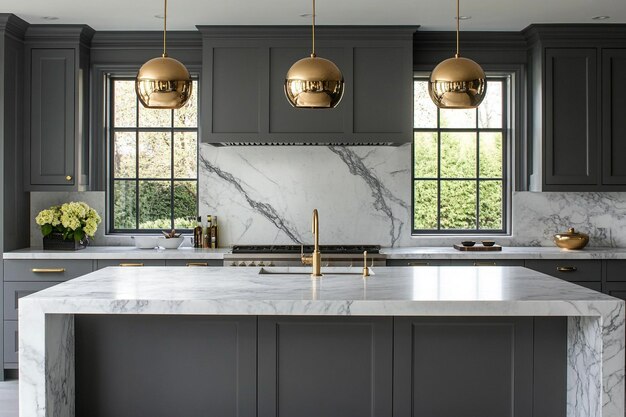
Choosing High‑Quality Surface and Countertop Materials for Interior Design and Architecture
The surfaces you touch every day—kitchen counters, bathroom vanities, dining tables, built‑ins—quietly shape how a home feels and functions. They take the heat from your pans, the spills from your coffee, the scratches from your keys, and still have to look good under bright daylight and soft evening lamps.
Selecting high‑quality surface and countertop materials is about much more than picking a pretty slab. It’s a balance of durability, maintenance, sustainability, budget, and style. Understanding your options makes it easier to create interiors that feel cohesive, comfortable, and long‑lasting.
This guide walks through the most common and design‑forward materials used in homes and small architectural projects, explaining what they are, how they behave in real life, and where they tend to work best.
How to Think About Surface and Countertop Materials
Before diving into specific materials, it helps to see how designers often evaluate surfaces. Most decisions center around a few key questions.
Core factors to consider
1. Function and location
Where will the surface live?
- Kitchen countertops: exposed to heat, moisture, stains, sharp objects, and frequent cleaning.
- Bathroom vanities: frequent water contact, cosmetics, cleansers, and humidity.
- Laundry and utility rooms: detergents, abrasion, potential heavy items.
- Bars and dining areas: spills from wine, citrus, oils; frequent wiping.
- Desks and built‑ins: less exposure to harsh conditions, more focus on look and touch.
The harsher the environment, the more important stain resistance, heat tolerance, and durability become.
2. Aesthetic and design style
Different materials naturally align with different interior styles:
- Sleek, minimal, contemporary: quartz, solid colors, porcelain, stainless steel.
- Warm, natural, organic: wood, soapstone, honed marble, granite, terrazzo.
- Industrial or loft: concrete, stainless steel, textured stone.
- Classic and timeless: marble, granite, quartz with subtle veining.
Textures (polished, honed, leathered, brushed) and edge profiles also influence how “formal” or “relaxed” a surface feels.
3. Maintenance and lifestyle
Some people are happy to wipe spills quickly and embrace a bit of patina; others want surfaces that remain nearly unchanged with minimal effort.
- Low‑maintenance: quartz, porcelain, many solid surfaces, some granites.
- Moderate maintenance: sealed natural stone, engineered stone, treated concrete.
- High‑patina / character materials: unsealed or lightly sealed stone, wood, untreated metals, concrete.
Thinking about how you actually live—cooking style, kids, pets, routines—helps narrow down choices.
4. Sustainability and environmental impact
Homeowners and designers increasingly consider:
- Recycled content (e.g., some quartz, terrazzo, recycled glass).
- Responsible quarrying or forestry practices.
- Longevity (long‑lasting surfaces can reduce waste).
- Low‑emission binders and resins.
There isn’t one “greenest” choice, but it’s possible to prioritize materials that align with your values.
5. Budget and total cost over time
Cost isn’t just the price per square foot. It also includes:
- Fabrication and installation (cutouts, edges, support).
- Long‑term maintenance (sealing, refinishing, repairs).
- Lifespan and potential replacement.
Sometimes a slightly higher upfront cost on a durable, low‑maintenance surface reduces future spending and disruption.
Natural Stone Countertops: Beauty with Character
Natural stone remains one of the most sought‑after high‑end surfaces in interior design. Each slab is unique, which appeals to homeowners who value individuality and natural variation.
Granite
Granite is a hard, igneous stone often chosen for its combination of strength and visual interest.
Typical characteristics:
- Durability: Resists scratches and can handle normal kitchen activities well.
- Heat: Often tolerates brief contact with hot pots better than many engineered surfaces, though trivets are still generally encouraged.
- Stain resistance: Many granites resist staining when properly sealed.
- Appearance: Comes in a wide range of colors and patterns—speckled, flowing, or relatively uniform.
Best suited for:
- Busy family kitchens and utility rooms.
- Outdoor kitchens where climate allows (some stones are more UV‑stable and weather‑resistant than others).
- Traditional to transitional interiors seeking natural depth and movement.
Marble
Marble is associated with luxury and classic architecture—from historic buildings to modern, high‑end kitchens.
Typical characteristics:
- Beauty: Soft veining, subtle color shifts, and a luminous quality that’s difficult to replicate with engineered materials.
- Softness: Softer and more porous than granite; more prone to scratching, etching, and staining.
- Reactivity: Acids like lemon juice or vinegar can leave dull marks (etches) on polished marble if not wiped quickly.
Best suited for:
- Bathroom vanities, where heavy cooking acids and oils are less common.
- Baking stations—some cooks like marble’s naturally cool surface for pastry work.
- Design‑forward kitchens where patina is embraced as part of the material’s story.
People who choose marble for kitchens often accept a lived‑in look rather than expecting a pristine surface over decades.
Quartzite (Natural)
Not to be confused with engineered quartz, quartzite is a natural stone that forms from sandstone under heat and pressure.
Typical characteristics:
- Hardness: Generally harder than marble, often closer to or exceeding many granites in scratch and wear resistance.
- Appearance: Can resemble marble with dramatic veining, but with a different crystalline sparkle and structure.
- Porosity: Many quartzites benefit from sealing to help resist staining.
Best suited for:
- Homeowners who want the look of marble with generally higher durability.
- High‑end kitchens and baths where striking stone is a design focal point.
Because quartzite varies, professionals often test small samples for etching and staining before committing.
Soapstone
Soapstone is a dense, talc‑rich stone with a smooth, almost “soft” feel to the touch.
Typical characteristics:
- Heat resistance: Handles heat very well and has been used historically in stoves and sinks.
- Stain resistance: Naturally non‑porous; spills tend to sit on the surface rather than soaking in.
- Softness: Can scratch more easily than granite or quartz, but light scratches may be sanded or blended.
- Appearance: Often dark gray to black, sometimes with white veining; deepens in color when oiled.
Best suited for:
- Farmhouse or cottage‑inspired kitchens.
- Sinks and drainboards integrated from the same slab.
- Homeowners who enjoy a slightly weathered, evolving look.
Engineered Stone and Composite Surfaces: Control and Consistency
Engineered materials offer consistency in color and performance, which appeals to many contemporary designers and homeowners.
Quartz (Engineered Stone)
Quartz countertops are made from ground natural stone (often quartz) bound with resins and pigments.
Typical characteristics:
- Consistency: Available in many colors and patterns, from subtle and uniform to marble‑inspired veining.
- Low maintenance: Typically non‑porous and resistant to many common household stains when cleaned promptly.
- Scratch resistance: Often strong under normal kitchen use, although direct, forceful cutting can damage most surfaces.
- Heat: Prolonged or extreme heat can affect resins, so trivets or pads are commonly used.
Best suited for:
- Busy kitchens where low maintenance and predictable performance matter.
- Rental properties where durability and easy cleaning are priorities.
- Modern interiors that call for precise tones and patterns.
Solid Surface (Acrylic or Polyester‑Based)
Solid surface materials are man‑made sheets that can be cut, molded, and seamlessly joined.
Typical characteristics:
- Seamless appearance: Joints can be nearly invisible, enabling long runs and integrated sinks.
- Repairability: Minor burns, scratches, and stains can often be sanded or refinished.
- Non‑porous: Typically resistant to many types of staining.
- Heat: Direct high heat can damage the surface, so protection is important.
Best suited for:
- Bathrooms and laundry rooms where integrated sinks and backsplashes simplify cleaning.
- Healthcare or hospitality settings where seamless, easy‑to‑clean surfaces are prioritized.
- Minimalist kitchens with long, unbroken expanses of counter.
Terrazzo and Recycled Composite
Terrazzo and recycled composite surfaces blend chips of stone, glass, or other materials in a cementitious or resin binder.
Typical characteristics:
- Visual interest: Speckled, playful, or refined, depending on chip size and color.
- Customization: Color mixes and aggregates can be tailored in many projects.
- Sustainability potential: Some products incorporate recycled content.
Best suited for:
- Design‑led spaces, entryways, and bathrooms.
- Floors and counters where a bold, graphic surface is desired.
- Projects with a strong emphasis on material storytelling and sustainability.
Performance varies by binder type (cement vs. resin), so expectations around sealing and maintenance should align with the specific product.
Porcelain, Sintered Stone, and Ultra‑Compact Surfaces
Thin, dense porcelain slabs and related sintered stone products have become popular in both residential and commercial design.
What makes porcelain slabs different?
These surfaces are typically made from refined clays and minerals fired at high temperatures, creating a dense, hard material.
Typical characteristics:
- Scratch resistance: Often performs well against everyday abrasion.
- Heat and UV tolerance: Generally stable under heat and sunlight, which supports indoor–outdoor continuity.
- Stain resistance: Surface is typically non‑porous, helping resist many common stains when cleaned promptly.
- Thickness and weight: Available in thin large‑format slabs that can be used as cladding as well as countertops.
Best suited for:
- Kitchens and baths where a thin, sleek aesthetic is desired.
- Wall cladding, shower surrounds, and fireplace facades matching countertops.
- Outdoor kitchens and spaces where UV stability is important.
Fabrication requires specific tools and experience due to slab thinness and hardness, so installer expertise is particularly relevant.
Wood Countertops and Surfaces: Warmth and Tactility
Wood instantly warms interiors and introduces natural variation that many people find comforting and welcoming.
Types and uses of wood countertops
Wood can appear as:
- Butcher block: End‑grain or edge‑grain boards glued together, often used for prep zones or islands.
- Solid planks: Wider boards for bar tops or desks.
- Veneered tops: A thin layer of wood over a stable substrate, more common in furniture.
Typical characteristics:
- Warmth and feel: Pleasant to the touch and visually softens stone and metal.
- Repairability: Scratches and stains can often be sanded and refinished.
- Sensitivity to water and heat: Prolonged moisture can cause swelling or stains; high heat can burn.
- Movement: Solid wood expands and contracts with humidity, so proper installation is important.
Best suited for:
- Kitchen islands that double as dining or work surfaces.
- Breakfast bars, desks, and home office built‑ins.
- Spaces where a layered mix of natural materials is desired.
Many homeowners use wood selectively—pairing it with a more water‑resistant material in heavy prep or sink areas.
Concrete Countertops: Raw, Custom, and Expressive
Concrete brings an industrial, sculptural quality to interiors and can be cast in custom shapes and dimensions.
Typical characteristics:
- Customization: Color, aggregate, edge detail, and thickness can be tailored to the project.
- Texture: Can be smooth, lightly textured, or more rugged.
- Weight: Heavier than many alternatives; cabinetry and structure need to accommodate.
- Porosity: Typically requires sealing; can be prone to hairline cracks and patina over time.
Best suited for:
- Modern and industrial kitchens and baths.
- Large islands, integrated sinks, and monolithic surrounds.
- Projects where some variation, hairline lines, and aging are seen as character, not defects.
Many people who choose concrete appreciate its evolving surface rather than expecting it to remain static.
Metal Surfaces: Stainless Steel, Zinc, Copper, and More
Metal countertops and worktops appear in both professional kitchens and expressive residential spaces.
Stainless steel
Stainless steel is commonly seen in commercial kitchens for its hygienic, easy‑to‑clean surface.
Typical characteristics:
- Heat and water tolerance: Handles hot pans and constant moisture well.
- Stain resistance: Resists many types of staining when cleaned regularly.
- Scratching: Fine scratches and scuffs are normal and eventually create an even, brushed patina.
- Reflectivity: Reflects light, helping brighten darker kitchens.
Best suited for:
- Serious home cooks who value function and easy sanitizing.
- Modern, industrial, or restaurant‑inspired interiors.
- Zones around cooktops and sinks where performance is key.
Zinc, copper, and brass
These living metals develop a patina over time, changing color and sheen as they react with air, water, and handling.
Typical characteristics:
- Visual richness: Warm, evolving colors and subtle texture.
- Softness: More prone to dents and scratches than stone or quartz.
- Reactivity: Acids and certain foods can leave marks that blend into the overall patina over time.
Best suited for:
- Bar tops, islands, and accent surfaces where aging is part of the design story.
- Spaces that embrace an old‑world, bistro, or artisanal character.
Because they evolve visibly, these metals suit homeowners comfortable with surfaces that will not stay uniform.
Matching Materials to Rooms and Uses
Different rooms call for different performance priorities. Seeing materials in context can make choices clearer.
Kitchens
In most homes, the kitchen is the most demanding environment.
Common priorities include:
- Durability under daily use.
- Resistance to staining and etching from food and drink.
- Ease of cleaning after cooking.
Frequently chosen options:
- Quartz and porcelain: For low‑maintenance, consistent performance.
- Granite and quartzite: For natural beauty with robust usability.
- Soapstone or wood accents: On islands or small zones to add warmth.
- Stainless steel: Near cooktops or sinks for a professional feel.
Many kitchens mix materials—for example, durable stone or quartz along the perimeter with wood or a distinctive stone on the island as a focal point.
Bathrooms
Bathrooms have different stressors: water, humidity, cosmetics, and cleansers.
Suitable choices often include:
- Quartz and solid surface: Non‑porous and easy to wipe down.
- Marble and other stones: For a spa‑like, luxurious feel, especially when homeowners accept some patina.
- Porcelain slabs: For vanities and shower walls, minimizing grout lines.
Because there is usually less heavy cutting and food prep, some people feel more comfortable using softer, more delicate stones in bathrooms than in kitchens.
Laundry, Mudrooms, and Utility Spaces
These workhorse areas often prioritize practicality.
Commonly used materials:
- Laminate or solid surface: For budget‑conscious, easy‑to‑clean counters.
- Quartz or durable natural stone: When longevity and resilience are top of mind.
- Porcelain: Especially where counters meet tiled walls or floors.
Surfaces in these rooms often see detergents, dirt, and heavy items, so impact and stain resistance are helpful.
Living Areas, Home Offices, and Built‑Ins
In less demanding spaces, visual and tactile qualities often come to the forefront.
Popular options:
- Wood: For desks, window seats, and shelving, adding warmth to living and work spaces.
- Stone or quartz: For fireplace mantels, media units, and coffee tables.
- Metal accents: On bar tops or console tables for a focal point.
Where surfaces are lightly used, material choices can lean more toward aesthetics than extreme performance.
Comparing Major Countertop Materials at a Glance
Below is a simplified, generalized overview. Actual performance varies by specific product, finish, and maintenance.
| Material | Look & Style | Typical Maintenance Level | Common Uses |
|---|---|---|---|
| Granite | Natural, varied, sometimes bold | Moderate (sealing often) | Kitchen counters, islands, utility rooms |
| Marble | Classic, elegant, veined | Higher (etching, patina) | Baths, baking stations, statement islands |
| Quartzite | Natural, often marble‑like | Moderate (sealing often) | High‑end kitchens and baths |
| Soapstone | Soft, matte, dark, organic | Moderate (oiling, patina) | Farmhouse kitchens, sinks, islands |
| Quartz | Consistent, versatile, modern | Low | Kitchens, baths, laundry rooms |
| Solid Surface | Seamless, clean, customizable | Low–moderate | Baths, laundry, minimalist kitchens |
| Porcelain | Thin, sleek, very versatile look | Low | Kitchens, baths, walls, outdoor areas |
| Wood | Warm, natural, tactile | Moderate (oiling, care) | Islands, bars, desks, built‑ins |
| Concrete | Industrial, sculptural | Moderate (sealing) | Islands, modern kitchens, feature areas |
| Stainless Steel | Industrial, reflective, professional | Low–moderate (visible wear) | Pro‑style kitchens, work zones |
| Zinc/Copper | Warm, evolving, character‑rich | Patina‑oriented | Bars, islands, accent counters |
Surface Finishes, Edges, and Details That Matter
Material is just one part of the story. Finishes and edge profiles change both performance and perception.
Common finishes
- Polished: Shiny, reflective, emphasizes color and pattern; often more resistant to some staining but shows fingerprints and etches more readily.
- Honed: Matte or satin; softer look, often preferred in contemporary and understated designs. Can show marks differently than polished.
- Leathered / brushed: Textured; soft sheen with tactile variation that can hide fingerprints and small crumbs more easily.
- Matte / velvet (engineered surfaces): Low‑gloss finish that reads modern and understated.
Some stones behave differently depending on finish—for example, etching may be less visually obvious on honed marble than on polished.
Edge profiles
Edges influence both aesthetics and practicality:
- Straight / eased: Clean, simple, popular in modern designs.
- Beveled: Angled cut that catches light, often considered more traditional.
- Bullnose / half‑bullnose: Rounded edges that feel soft to the touch.
- Mitered: Two pieces joined at an angle to create a thicker‑looking edge, common in contemporary islands.
- Ogee and decorative profiles: More ornate, often used in classic or traditional interiors.
Edges near high‑traffic areas (like around dishwashers or tight corridors) benefit from profiles that are comfortable to bump into and less prone to chipping.
Practical Tips for Choosing the Right Surface
Here are some concise, reader‑friendly tips to keep in mind when planning your project.
Quick decision checklist ✅
🧩 Match to lifestyle:
Heavy cooking, kids, and frequent entertaining often pair best with low‑maintenance options like quartz, certain granites, or porcelain.🎨 Prioritize what you see most:
Islands and vanity tops are highly visible; many people choose their favorite material here and something more budget‑friendly or utilitarian on secondary surfaces.🧪 Test real samples:
Place samples where they’ll be used and spill coffee, oil, and citrus (with permission if they’re loaned). Observing how they react over a short period can clarify expectations.💧 Ask about sealing and care:
Some natural stones benefit from periodic sealing; understanding what that involves helps avoid surprises.🧱 Consider mixing materials:
Combining wood with stone, or quartz with a statement slab of natural stone, can create both visual interest and practical work zones.🌿 Think long‑term:
Materials that age gracefully—or that can be repaired and refinished—may feel more sustainable and satisfying over many years.
Integrating Countertops into the Broader Interior Design
High‑quality surfaces don’t exist in isolation. They interact with cabinetry, flooring, lighting, and architectural structure.
Color and contrast
Some common strategies designers use:
- Light counters, dark cabinets: Creates contrast and can make counters feel more expansive.
- Dark counters, light cabinets: Grounds the lower half of the room while keeping walls bright.
- Tone‑on‑tone palettes: Subtle shifts in color create a calm, cohesive space.
Natural light also plays a role: glossy surfaces reflect more, which can brighten dim rooms but may introduce glare under strong overhead lighting.
Texture and layering
Rooms often feel more interesting when multiple textures work together:
- Pair polished stone or quartz with matte cabinets and natural wood accents.
- Combine concrete or honed stone with soft textiles and warm metals.
- Set sleek porcelain against textured wall tile or plaster for depth.
Surfaces are a major contributor to the “feel” of a room when you run your hand along an edge or set down a mug.
Architectural continuity
In architecture and whole‑home design, consistent material choices can tie spaces together:
- Using the same stone or quartz in the kitchen and adjacent bar or living room surfaces.
- Continuing a porcelain or stone slab from the countertop up the backsplash for a monolithic look.
- Echoing a bathroom’s vanity material in a shower bench or window ledge.
Repeating materials in thoughtful ways can make the home feel more intentionally designed.
Bringing It All Together
High‑quality surface and countertop materials sit at the intersection of design and daily life. They must be:
- Visually compelling, supporting the style of the home.
- Physically resilient, standing up to the way you cook, clean, and live.
- Comfortable to maintain, matching your tolerance for patina, upkeep, and change over time.
There is no single “best” material. Instead, each option—natural stone, engineered quartz, porcelain, wood, concrete, metal—offers its own blend of strengths, trade‑offs, and character. Thoughtful selection means understanding those trade‑offs and choosing the surfaces that align with your priorities, not just in the first weeks after installation, but in the years ahead.
When counters and surfaces are chosen with both heart and pragmatism, they quietly support everyday routines, elevate the architecture around them, and age in ways that feel intentional rather than accidental. In that sense, the right material choice is not only a design decision; it’s a long‑term investment in how a home looks, feels, and functions.