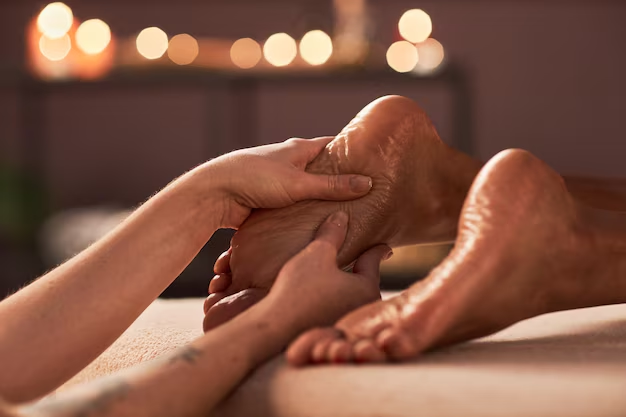
Discovering the World of Reflexology Spas: An In-Depth Guide
Have you ever felt that your feet deserved a little more appreciation for the hard work they do daily? Imagine walking into a tranquil spa, the faint scent of essential oils in the air, and the promise of a soothing session that will rejuvenate not just your feet but your entire body. Welcome to the world of reflexology spas, where ancient techniques meet modern wellness to deliver an experience unlike any other.
🌟 What is Reflexology?
Reflexology is a therapeutic practice rooted in the belief that different areas of the feet, hands, and ears correspond to specific organs and systems in the body. By applying pressure to these areas, reflexologists aim to promote relaxation, improve circulation, and assist in overall well-being. While reflexology is often associated with traditional Chinese medicine, similar practices can be found in multiple cultures worldwide.
👣 The Origins and Principles
The history of reflexology is intriguing, with origins dating back thousands of years. Though the exact origins are debated, many believe that the practice was used in ancient Egypt and China. Reflexology is built on several core principles:
- Zone Theory: The body is divided into ten vertical zones, and pressure on a single point influences the entire zone.
- Energy Pathways: Reflexology stimulates energy zones in the body, enhancing relaxation and healing.
- Holistic Approach: Recognizing the interconnectedness of body systems, reflexology views the body as a whole rather than isolated organs.
🌿 The Reflexology Spa Experience
Setting the Scene
When you visit a reflexology spa, you're entering a sanctuary designed for relaxation. Soft lighting, calming music, and a comfortable environment help set the tone for your session. Reflexology spas differentiate themselves from regular spas by focusing primarily on the reflex zones of the feet, though hand and ear reflexology are also offered.
A Typical Session
- Consultation: Begin with a brief discussion with your reflexologist to understand your specific needs and any areas of concern.
- Foot Bath: Often, sessions start with a warm foot bath infused with soothing salts and oils to cleanse and relax.
- Pressure Application: The reflexologist will apply expert techniques on your feet, targeting reflex points with varied pressure to stimulate energy flow.
- Finishing Touch: Some sessions conclude with a relaxing massage, extending to the ankles and calves for a complete experience.
🧘♀️ Benefits of a Reflexology Spa Visit
Though reflexology is not a substitute for medical treatment, many people report various benefits, such as:
- Enhanced relaxation: Alleviates stress and tension, promoting overall calmness.
- Improved circulation: Stimulates better blood flow and energy distribution.
- Increased energy levels: Rebalancing body systems can lead to improved vitality.
- Relief from discomfort: Some find relief from headaches, muscle pain, and digestive issues.
🌍 Exploring Global Reflexology Practices
While reflexology has roots in ancient traditions, contemporary practices have evolved with regional variations. Different countries have interpreted and adapted reflexology to meet local wellness philosophies.
Traditional Chinese Reflexology
Traditional Chinese reflexology focuses intensely on meridian points that correlate with various body functions, often incorporating herbal treatments and acupuncture.
Western Reflexology
Western reflexology frequently emphasizes scientific research into physiology, often incorporating Swedish massage techniques for a relaxing experience.
Thai Reflexology
Thai reflexology integrates elements of traditional Thai massage, using wooden sticks for specific pressure points and broader body stretching techniques.
🏢 Starting your Reflexology Journey: Choosing a Spa
Selecting the right reflexology spa can enhance your experience. Here are some tips to guide your choice:
- Research: Look for spas with certified and experienced reflexologists.
- Read Reviews: Customer feedback can provide insights into the spa's quality and atmosphere.
- Visit the Spa: Inspect the facilities to ensure cleanliness and ambiance meet your expectations.
- Ask Questions: Don’t hesitate to inquire about techniques, duration, and prices.
✨ Reflexology Myths Busted
It's easy to encounter a few myths surrounding reflexology. Here are some clarifications:
- Myth: Reflexology cures ailments: Reflexology is meant to complement, not replace, medical treatments.
- Myth: It's just a foot massage: Reflexology involves targeted pressure on reflex points, not just massaging.
- Myth: It should be painful: While some discomfort might be experienced due to sensitivity, sessions should generally be relaxing.
🧑🏫 Learning to Practice Reflexology at Home
For those interested in dabbling in reflexology at home, here are some simple tips:
- Learn the Basics: Familiarize yourself with reflexology charts to understand pressure points.
- Create a Relaxing Environment: Set a calming atmosphere with soft music and comfortable seating.
- Gentle Techniques: Start with gentle pressure using your thumb or a reflexology tool.
- Listen to Your Body: Stay aware of any discomfort and adjust pressure as necessary.
🔍 Frequently Asked Questions
Is reflexology right for everyone? Reflexology is generally safe for most people, but it's always best to consult with a healthcare provider, especially if you have specific health conditions.
How often should I visit a reflexology spa? Frequency depends on personal wellness goals, preferences, and financial considerations. Some enjoy weekly sessions, while others find monthly visits sufficient.
What should I wear to a reflexology session? Comfortable, loose clothing is ideal. Since reflexology primarily involves the feet, wearing easily removable footwear is recommended.
📝 Key Takeaways from Your Reflexology Spa Experience
Here are some important points to remember as you consider exploring reflexology:
- 🧘♂️ Relaxation: A reflexology spa offers a unique environment to unwind and recharge.
- 🔗 Holistic Approach: Emphasizes the interconnectedness of the body and mind.
- 🔍 Tailored Services: Personalized sessions to meet individual needs and preferences.
- 🤔 Informed Choices: Educate yourself on reflexology techniques and practices for a well-rounded perspective.
Remember, while reflexology can offer profound relaxation benefits, it works best as a complement to traditional healthcare practices. Approach your reflexology journey with an open mind, ready to experience the soothing and holistic advantages it can provide.