Exploring Pain Relief Patches: A Comprehensive Guide to Comfort and Ease
Imagine this: After a long day of physical activity or stress, you find yourself yearning for relief from persistent aches and pains. Pain relief patches, an innovative solution in the health industry, promise precisely that—comfort and ease without the inconvenience of ingesting medication. In this guide, we delve into the practical world of pain relief patches, exploring their benefits, types, and practical tips for use. Whether you're new to patches or looking for alternative pain management options, this article provides a well-rounded insight into this rapidly popular pain relief method.
What Are Pain Relief Patches?
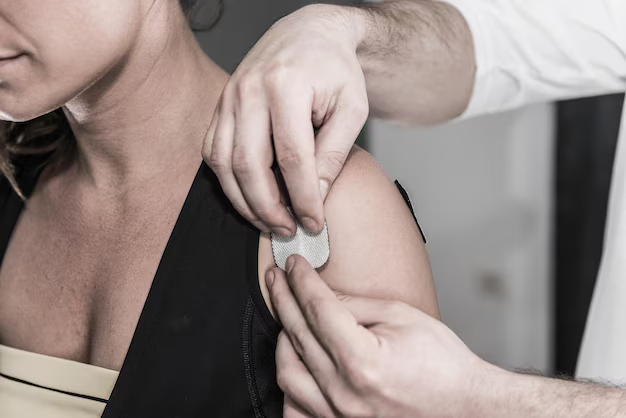
Pain relief patches are topical patches infused with medication that can penetrate the skin to provide targeted pain relief. Unlike oral pain medication, these patches deliver active ingredients directly where you need them, which can be beneficial for those who experience pain in specific areas of the body. This localized action makes pain relief patches a favored choice among people seeking immediate, focused relief.
Key Benefits of Pain Relief Patches
- Localized Treatment: Offers direct application to the pain source, potentially reducing systemic side effects compared to oral medications.
- Prolonged Release: Many patches provide a sustained release of medication over a period, offering longer relief with a single application.
- Ease of Use: Simply apply to clean, dry skin and move on with your day—no need to schedule doses or deal with pills.
Types of Pain Relief Patches
Understanding the different types of pain relief patches can help you choose one that best suits your needs. Here are some common varieties available:
1. Non-Prescription Patches
- Menthol and Camphor Patches: These provide a cooling effect that can soothe sore, tense muscles.
- Capsaicin Patches: Derived from chili peppers, capsaicin patches create a warming sensation that may reduce the intensity of the pain signals in your body.
2. Prescription Patches
- Lidocaine Patches: Often used for nerve-related pain, these patches help to numb a specific area.
- Diclofenac Patches: A non-steroidal anti-inflammatory drug (NSAID) often used for joint pain relief.
3. Natural and Herbal Patches
- Essential Oil Infused Patches: Such patches may include ingredients like lavender or eucalyptus for both pain relief and aromatherapy benefits.
- Herbal Extracts: Some patches may use traditional herbal remedies, offering a natural alternative for pain management.
How to Use Pain Relief Patches Safely
While effective, knowing how to use pain relief patches correctly is crucial to ensuring their safety and efficacy. Here, we outline some general tips to keep in mind:
Application Tips
- Start with Clean Skin: Ensure the skin is dry and free from lotions or oils before applying the patch for optimal adhesion.
- Placement Matters: Follow the instructions regarding where to place the patch on your body; incorrect placement could reduce its effectiveness.
- Patch Duration: Pay attention to the recommended duration for wearing the patch and do not exceed it to avoid skin irritation.
Important Considerations
- Check for Allergies: If you're sensitive to any ingredients, opt for hypoallergenic options.
- Consult Professionals: If you're pregnant, nursing, or have underlying health conditions, seeking medical advice before use is crucial.
- Monitor Skin Reactions: Discontinue use if you experience excessive redness, itching, or irritation.
Transitioning to Natural Alternatives
For those interested in moving away from synthetic medications, natural pain relief patches offer a viable alternative. Natural pain relief solutions focus on harnessing herbal and plant-based ingredients. Here are reasons why they might appeal to you:
Benefits of Natural Pain Relief Patches
- Fewer Chemicals: These patches tend to use fewer harsh chemicals and synthetic drugs.
- Aromatherapy Potential: The infusion of essential oils can enhance the sensory experience and potentially improve mood.
- Eco-friendliness: Many natural patches are crafted with environmentally friendly practices, appealing to those conscious of their ecological footprint.
Practical Tips for Choosing and Using Pain Relief Patches
Facing a shelf full of choices may feel daunting, but choosing the right pain relief patch involves considering several factors:
Factors to Consider
- Type of Pain: Identify whether your pain is muscular, joint-related, or nerve-oriented, and select a patch designed to address that specific type of discomfort.
- Duration and Strength: Evaluate how long you need relief for and choose patches accordingly—some may last several hours, while others are designed for all-day use.
- Ingredient Sensitivities: Check ingredient lists if you have sensitivities or allergies to ensure you select a suitable option.
Consumer Tips 🔍
- Test Before Commitment: If possible, sample a small portion of the patch on your skin to test for any adverse reactions.
- Storage and Disposal: Store patches in a cool, dry place and dispose of them responsibly after use to maintain safety and effectiveness.
Common Questions About Pain Relief Patches
Can Pain Relief Patches Be Used Daily?
Daily use depends on the specific patch and the manufacturer's guidelines. Some patches are designed for daily use, while others are intended for use as needed. Always adhere to the recommended guidelines provided with the product.
Are There Side Effects?
Like any medication or treatment, side effects are possible with pain relief patches. These might include skin irritation or allergic reactions. Using the patch as directed and monitoring your body's response can minimize these risks.
How Do Pain Relief Patches Compare to Other Pain Management Methods?
This comparison largely depends on personal preference and pain level. Patches provide localized relief and extended medication release, which can be beneficial for those preferring not to take oral medication regularly.
Summarizing Key Insights 📌
Below is a quick summary of essential takeaways regarding pain relief patches:
- Pain Type: Choose patches based on the specific type of pain—muscular, joint, or nerve-related.
- Application: Apply on clean, dry skin and follow duration guidelines.
- Sensitivity: Be mindful of ingredient sensitivities and test patches where possible.
- Environmental Considerations: Opt for natural patches if eco-friendliness is a priority.
- Consultation: Seek professional advice, especially if pregnant, nursing, or have existing health conditions.
These practical pointers aid in navigating choices in pain relief patches, empowering you to make informed decisions suitable to your health needs.
As the world of pain management continues to evolve, pain relief patches offer an innovative yet accessible option. By providing direct and prolonged comfort, they stand as a testament to the advancements in health-related technology, promoting ease and relief in everyday life.