Unlocking the Secrets: Expert Tips for Aspiring Massage Therapists
Embarking on a career as a massage therapist is both rewarding and challenging. Whether you're just setting out on this path or looking to deepen your expertise, mastering the nuances of wellness and relaxation is crucial. Here, we dive into tips and strategies that could help refine your practice and elevate the service you provide to your clients. From honing techniques to managing a sustainable business, these insights can illuminate your journey in the health and wellness sector.
Understanding the Core of Effective Massage Therapy
The Essence of Touch
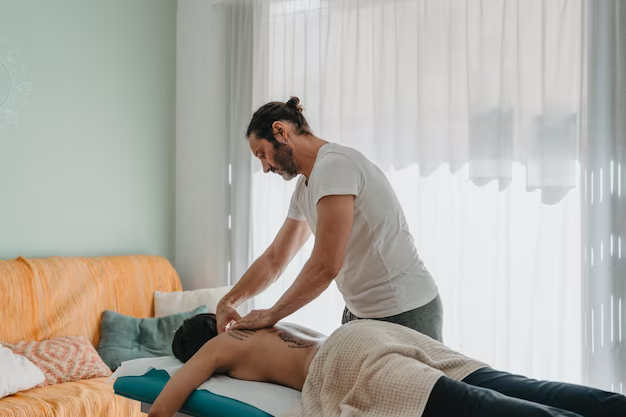
Massage therapy is not merely about applying pressure to various points on the body. It's about understanding the art of touch, which involves intuition, knowledge, and empathy. Successful massage therapists often emphasize that being in tune with the client's body and emotional state is paramount. This means being sensitive to the client's needs, whether they stem from physical soreness or mental stress.
The Importance of Communication
One of the pivotal skills in massage therapy is effective communication. Before engaging in any session, it's critical to understand the client's needs and expectations. Here are some communication tips:
- Listen actively: Encourage clients to express their concerns and preferences.
- Clarify intentions: Explain your intended techniques and what clients can expect.
- Feedback loops: Regularly check in during sessions to ensure client comfort and satisfaction.
Mastering Massage Techniques
Basic Techniques Every Therapist Should Know
- Effleurage: Often the starting point of a massage, involving long, sweeping strokes to warm up the muscles and prepare the body for deeper work.
- Petrissage: Kneading and squeezing techniques to increase circulation and relieve muscle tension.
- Tapotement: Rhythmic tapping that can invigorate muscles and is sometimes used towards the end of a session to re-energize the client.
- Friction: Deep, circular rubbing against a muscle to loosen knots and increase blood flow.
Advanced Techniques to Consider
- Myofascial Release: Focusing on relieving tension in the connective tissues.
- Trigger Point Therapy: Targeting specific tight spots to relieve pain elsewhere in the body.
- Deep Tissue Massage: Using firm pressure to reach deeper layers of muscle tissue.
Tips for Perfecting Techniques
- Continuous Learning: Attend workshops and seek mentorship to refine your skillset.
- Peer Practice: Regularly practice with fellow therapists to receive constructive feedback.
- Mind-Body Connection: Cultivate mindfulness and presence during sessions to enhance the quality of touch.
Creating a Comfortable Environment
Setting the Stage for Relaxation
Creating a serene and welcoming environment is integral to a successful massage therapy session. Consider the following elements:
- Ambiance: Use soothing colors, gentle lighting, and calming scents.
- Music: Soft, instrumental music can help clients relax and enhance their experience.
- Temperature: Ensure the room is comfortably warm to keep muscles relaxed.
Maintaining Professionalism and Hygiene
Hygiene cannot be overstressed in massage therapy:
- Sanitize tools and surfaces after every session.
- Wash hands thoroughly before and after contact.
- Use fresh linens for each client.
Ensuring a clean, professional environment fosters trust and comfort.
Navigating Client Relationships
Building a Rapport
Building a strong rapport with your clients can lead to a more successful and fulfilling practice:
- Be trustworthy: Keep all client information confidential.
- Show empathy: Acknowledge your client's pain and work collaboratively towards their wellness goals.
- Follow-Up: Check in after sessions to ensure continued satisfaction and address any concerns.
Handling Difficult Client Situations
Even the most seasoned therapists encounter challenging client situations. It's important to handle these professionally:
- Set boundaries: Be clear about your policies and respect both your and your client’s limits.
- Stay calm: If a client becomes difficult, remain composed and address the situation without judgment.
- Seek support: Consult colleagues or supervisors for advice when dealing with complex client interactions.
Business Aspects of Massage Therapy
Building and Retaining Clientele
For many therapists, client acquisition and retention are key to building a successful practice:
- Word of Mouth: Encourage satisfied clients to refer friends and family.
- Social Media Presence: Maintain an active presence on platforms like Instagram or Facebook to attract new clients.
- Client Loyalty Programs: Offer incentives for returning clients to encourage repeat business.
Pricing Your Services
Pricing services appropriately can be a delicate balance of valuing your time and expertise while remaining competitive:
- Do market research: Understand what others in your area are charging.
- Reflect experience and specialization: Charge more as your skills and certifications increase.
- Offer tiered services: Provide different packages to cater to varying client budgets.
Continuing Education and Professional Development
Commitment to professional growth sets you apart:
- Certification and Licensure: Stay updated on the latest requirements in your field.
- Specialized Training: Pursue additional certifications in areas like sports massage or prenatal massage to widen your service offerings.
- Conferences and Seminars: Attend industry events to network and learn about the latest trends.
Self-Care for Therapists
The physical demands of massage therapy can be taxing, making self-care not just beneficial but essential.
Physical Well-being
- Posture and Ergonomics: Use good body mechanics to prevent injury.
- Regular Massage: Schedule regular sessions for yourself to understand the client perspective and relieve your own tension.
- Exercise: Engage in regular physical activity to maintain stamina and strength.
Emotional and Mental Health
- Set boundaries: Manage your schedule to prevent burnout and maintain a healthy work-life balance.
- Mindfulness practices: Incorporate meditation or yoga to alleviate stress.
- Seek support: Join therapist group discussions or support networks to share experiences and advice.
Summary Table: Key Takeaways for Aspiring Massage Therapists 🌟
| Aspect | Key Tip |
|---|---|
| Effective Communication | Actively listen and continuously engage with clients. |
| Technique Mastery | Pursue ongoing education and practice regularly. |
| Creating Environment | Focus on ambiance, hygiene, and client comfort. |
| Building Clientele | Leverage word of mouth and social media. |
| Self-Care | Prioritize your own physical and emotional health. |
Embarking on a career in massage therapy offers a journey filled with continuous learning and personal growth. By focusing on perfecting your craft, creating nurturing environments, and building strong client relationships, you can make a significant impact on the wellness and relaxation of your clients. Stay committed to your professional development and remember to care for your own well-being along the way—the synergy of these elements will guide you to a fulfilling and successful practice.