What You Need to Know About Massage Therapists: A Comprehensive Guide
In recent years, awareness around personal health and wellness has led to a growing interest in alternative therapies, and massage therapy stands out as a beloved option. Whether you're looking to alleviate stress, address chronic pain, or simply indulge in relaxation, a massage from a qualified therapist can offer numerous benefits. But what does it truly mean to be a massage therapist, and how should potential clients engage with this healing practice? Let’s explore this world from several angles, revealing insights that will benefit anyone interested in learning about massage therapists and their craft.
The Role of a Massage Therapist
Behind the Hands: Who Are Massage Therapists?
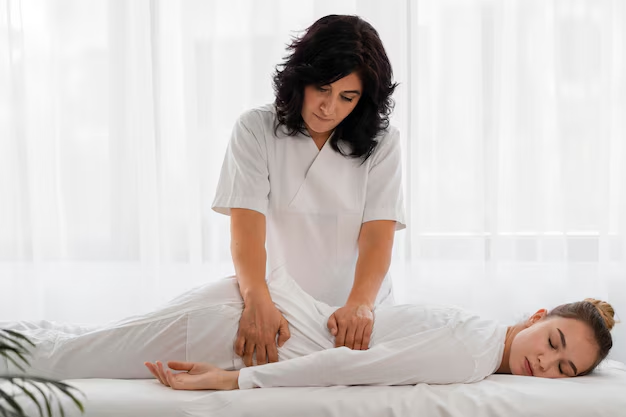
Massage therapists are skilled professionals trained to manipulate the muscles and soft tissues of the body to promote relaxation and alleviate pain. The primary aim of massage therapy is to enhance both physical and emotional well-being, utilizing various techniques like Swedish massage, deep tissue, sports massage, and others to cater to individual needs.
Massage therapists operate in diverse settings, from luxury spas to clinical environments such as physical therapy centers and hospitals. Regardless of where they work, their goal remains the same: to support a client's journey to holistic health through targeted touch.
Essential Skills and Training
The journey to becoming a massage therapist requires specific education and hands-on practice. Professionals typically complete certification programs that cover anatomy, physiology, and various massage techniques. Continuing education is commonplace, as therapists strive to keep up with new methods and industry standards.
Key Skills for Massage Therapists Include:
- Empathy and Communication: Understanding a client’s needs and concerns.
- Anatomical Knowledge: Knowing how the body moves and heals.
- Technical Prowess: Proficiency in diverse massage techniques.
- Professional Ethics: Maintaining client confidentiality and professional boundaries.
Massage Therapy Techniques
Traditional Techniques and Their Benefits
Swedish Massage is perhaps the most well-known technique, characterized by long, flowing strokes designed to relax and energize the body. It can be a good choice for beginners or those seeking stress relief.
Deep Tissue Massage targets deeper layers of muscle and connective tissue. It is often used to address chronic pain and injury, with many finding its intensity beneficial over time.
Sports Massage focuses on specific areas affected by athletic activity. This style enhances flexibility, reduces fatigue, and can help prevent injuries.
Emerging Techniques on the Horizon
New and innovative techniques continue to emerge within the field of massage therapy. For instance, some practitioners are incorporating integrative approaches that combine massage with mindfulness practices to boost overall wellness.
Cupping and Gua Sha are techniques borrowed from traditional Chinese medicine, gaining popularity for their potential to improve circulation and reduce muscle tension.
Health Benefits of Massage Therapy
Physical Health Improvements
Massage therapy can assist with various physical ailments. It's not uncommon for people experiencing chronic back pain, arthritis, or muscle injuries to report improvements. By improving circulation, massage can also aid in faster recovery for athletes.
Mental and Emotional Well-being
Aside from physical benefits, massage therapy is noted for reducing stress and anxiety, contributing to substantial improvements in one’s mental health. Many people find massage to be a critical component of their self-care routine, assisting them in managing daily stressors.
Immune System Support
Through research, it is noted that regular massage therapy may offer support to the immune system. By reducing stress hormones and improving circulation, massage can assist in bolstering the body's natural defenses, making it a valuable practice for overall resilience.
Choosing the Right Massage Therapist
Factors to Consider
Finding the right massage therapist requires consideration of several factors. It's essential to ensure that the therapist is licensed and certified to provide massage therapy in your area. Reviews and recommendations from friends or family can offer insights into the therapist’s professionalism and technique.
Key Considerations When Choosing a Therapist:
- Experience and Specialization: Seek those who specialize in techniques relevant to your needs.
- Environment: The setting should be calming, clean, and professional.
- Cost and Accessibility: Ensure the services are within your budget and easy to access geographically.
Communication is Key
Effective communication ensures that the therapist understands your specific needs, preferences, and any health conditions that could influence your session. Open dialogue regarding pressure preferences and areas of concern will contribute to a more personalized and beneficial experience.
FAQs About Massage Therapy
Common Questions Answered
How often should you get a massage? This varies widely based on individual needs and goals. Some individuals may benefit from weekly sessions, while others may find monthly visits sufficient.
Does massage therapy hurt? The sensation can vary based on the type of massage. Deep tissue and therapeutic massages can be more intense, but clear communication with your therapist about any discomfort can enhance the experience.
Can everyone receive massage therapy? While most people can benefit from massage, some conditions may require caution or even contraindicate massage. For example, individuals with certain circulatory issues or recent surgeries should consult healthcare providers before proceeding.
[Summary Table: Benefits of Different Massage Techniques]
| Technique | Primary Benefits | Best For |
|---|---|---|
| Swedish | Relaxation, stress reduction | Relaxation, general well-being |
| Deep Tissue | Pain relief, injury recovery | Chronic pain, tension |
| Sports Massage | Flexibility, performance enhancement | Athletes, physically active individuals |
| Cupping and Gua Sha | Improved circulation, soft tissue release | Tension relief, recovery boost |
Enhancing Your Experience
To get the most out of a massage session, arrive a few minutes early to decompress, discuss any specific concerns with your therapist, and focus on deep, relaxing breaths during the session. Post-massage, hydrating and avoiding strenuous activities can maximize the benefits of the treatment. 💧
The Future of Massage Therapy
As awareness of holistic health continues to grow, massage therapy is likely to expand its reach. New technologies, such as AI and virtual reality, could one day personalize the massage experience even further by allowing clients to explore relaxation techniques before ever stepping foot in the spa.
Ultimately, the role of massage therapists remains pivotal in guiding clients through both therapeutic and relaxing journeys. Their work is not just about the technical application of touch but about fostering a greater understanding of the body's capabilities and limitations—a true partnership in the pursuit of health and well-being.
With the right insights and tips, anyone can dive into the world of massage therapy and find the right path to personal wellness. Whether you're a seasoned spa-goer or exploring options for the first time, embracing the expertise and artistry of a skilled massage therapist could be your next step towards a healthier you.