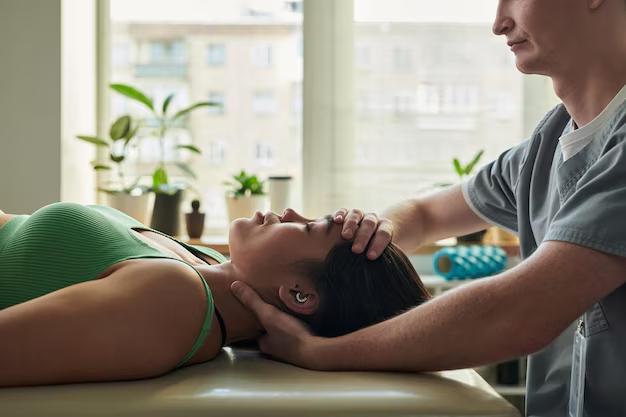
Unveiling the World of Massage Therapy: Expert Insights You Need to Know
Massage therapy has long been seen as a pillar of health and wellness, offering numerous benefits to those who indulge in its comforting embrace. But what exactly do massage therapists see, know, and understand that makes this practice so cherished across the globe? In this article, we'll dive deep into the insights shared by seasoned massage therapists, highlighting what makes their role so crucial in today's fast-paced world.
The Role of a Massage Therapist
To truly appreciate the insights of a massage therapist, it's essential to understand their role. At its core, massage therapy involves the manipulation of soft tissues to enhance a person's health and wellbeing. But there's much more beneath the surface.
More Than Just Physical Relief
Massage therapists are not just experts at kneading knots and easing muscle tension; they are skilled practitioners who possess a keen understanding of human anatomy, physiology, and the body's interconnected systems. They often spend years gaining the knowledge required to tailor each session to the specific needs of their clients, whether it's stress relief, pain management, or enhancing athletic performance.
Building a Therapeutic Relationship
The relationship between a massage therapist and their clients often transcends a simple service transaction. It's about trust, communication, and understanding. A therapist listens with their hands and pays attention to verbal and non-verbal cues to ensure that their client's experience is as beneficial as possible. This therapeutic alliance can lead to improved treatment outcomes and overall client satisfaction.
Insights from the Massage Table
Every client's body tells a unique story, and massage therapists have the privilege of interpreting these personal narratives through touch.
Stress Manifestation in the Body
One of the common observations by therapists is how stress manifests physically. Clients often come with tense shoulders, neck stiffness, or lower back pain—clear signs that stress isn't just mental but also physical. Massage therapies designed to alleviate stress can help release these tensions, fostering both physical relaxation and mental clarity.
Understanding Chronic Pain
For those suffering from chronic pain conditions, massage therapists can often identify patterns and areas of discomfort. By recognizing these, they can guide clients on the best types of massage for their specific condition, such as deep tissue, Swedish, or neuromuscular therapy. Their insights are invaluable for those seeking non-invasive pain management strategies.
Tailoring Techniques for Specific Needs
Every client is different, and what works for one person might not work for another. Whether it's their pressure preferences, pain tolerance, or particular areas of concern, therapists must adapt their techniques. This flexibility is why it's crucial for clients to communicate openly about what they feel during a session.
🔑 Key Takeaways from Massage Therapy
- Communication is Crucial: Always inform your therapist about any discomfort or areas of focus.
- Regular Sessions: Consistent therapy can enhance benefits and address root causes of tension.
- Therapist's Intuition: Trust in the therapist's experience to guide treatment plans.
- Complementary Approach: Massage should be part of a holistic health regimen, not a standalone solution.
- Self-Care Immersion: Follow therapist's after-care advice for hydration and rest. 🧘♀️
The Science Behind the Soothe
Massage therapy is steeped in a combination of ancient traditions and modern science. Understanding the physiological impact of massage can enhance appreciation for its healing potential.
How Massage Influences Hormones
Massage and hormone levels often go hand in hand. Therapists frequently note the positive changes observed in clients struggling with hormonal imbalances. Massage is known to contribute to the reduction of cortisol—the stress hormone—while potentially boosting serotonin and dopamine levels, which are associated with happiness and relaxation.
Boosting the Body's Natural Healing
Massage therapy also plays a supportive role in enhancing the body's natural healing processes. Through improved circulation, it increases the supply of nutrients to body tissues and helps dispose of waste products, further enhancing recovery and health maintenance.
Receiving a Massage: Tips for First-Timers
If you're considering booking your first massage, here are some insights to make the experience smooth and beneficial.
Selecting the Right Type of Massage
There are various types of massages to choose from, and it's essential to pick one that aligns with your goals. Swedish massages, for example, are renowned for relaxation, whereas deep tissue sessions target chronic muscle tension more effectively.
Preparing for Your Appointment
Communicate your needs and concerns beforehand. When booking your session, let the therapist know if you have specific areas to focus on or conditions that might need attention. This information allows the therapist to plan a session aligned with your personal requirements.
During and After the Massage
During the massage, communicate any discomfort immediately to your therapist to adjust pressure or technique. After your session, drink plenty of water to help flush out toxins that massages can release from muscle tissue.
📌 Tips for Massage Newbies
- Research Types: Learn about different massage styles to find what suits you.
- Health Considerations: Inform your therapist of any chronic conditions or injuries.
- Comfort is Key: Speak up about room temperature, pressure, or music volume.
- Post-Massage Practices: Enhance results with stretching or gentle exercises.
The Future of Massage Therapy
As healthcare continues to evolve, the integration of massage therapy as part of a comprehensive wellness routine becomes ever more significant.
Technology and Innovation
The adoption of technology in massage therapy is on the rise. Innovative tools and modalities are being introduced to enhance the efficacy of treatments. While traditional hands-on therapy remains at the core, new gadgets aimed at pain relief and muscle recovery are becoming part of mainstream practices.
Broader Acceptance in Healthcare
The recognition of massage therapy's benefits by the broader healthcare community is another promising trend. With increasing validation from scientific studies, more health professionals are advocating for its inclusion as a complementary treatment alongside conventional medicine.
Conclusion
Massage therapy is much more than just a soothing experience; it is a complex and insightful practice that enhances the quality of life. By appreciating the keen understanding and dedication that therapists bring to their craft, clients can better utilize the therapeutic potential that massage offers. Whether you're seeking relief from physical tension or simply looking to unwind from the daily grind, massage therapy provides a touch of healing that resonates throughout the body and spirit.
Explore this world with openness and curiosity, and remember, your massage therapist is there to not only relax tired muscles but also guide you toward a healthier, more balanced life. 👐