Unveiling the World of Massage Therapy: What You Need to Know
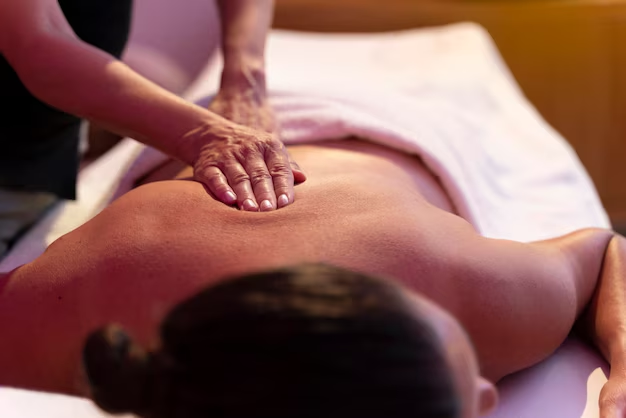
Imagine walking into a tranquil room, dimly lit with soothing music playing in the background. The scent of essential oils fills the air as you prepare to embark on a journey of relaxation and healing. This is the world of massage therapy, a field that combines the art of touch with therapeutic practices to enhance well-being. In this comprehensive guide, we'll explore the ins and outs of massage therapy, shedding light on the roles, techniques, and benefits of a massage therapist.
What is a Massage Therapist?
Massage therapists are trained professionals who use various techniques to manipulate the soft tissues of the body. These techniques can include pressing, rubbing, and stretching to improve circulation, relieve pain, reduce stress, and promote relaxation. Often perceived as luxury service, massage therapy has been recognized as a beneficial practice for overall health.
The Role of a Massage Therapist
The primary role of a massage therapist is to cater to the unique needs of their clients. This includes understanding the client’s health background and specific issues to tailor the massage experience effectively. They work in a variety of settings, from spas and wellness centers to clinical environments and private practices, each offering diverse approaches to massage.
Educational Requirements
To become a licensed massage therapist, one must complete a program that includes anatomy, physiology, pathology, and hands-on practice. After finishing their educational requirements, therapists usually obtain state licensure or certification, which often involves passing an exam.
Different Types of Massage Techniques
Massage therapy is not a one-size-fits-all service. Various techniques exist, each targeting different outcomes and health benefits. Here’s a breakdown of some popular styles:
Swedish Massage
Swedish massage is one of the most widely recognized forms and focuses on relaxation through long strokes, kneading, and circular movements.
Deep Tissue Massage
This technique is ideal for addressing muscle tension and is more intense. It targets deeper layers of muscle tissue, providing relief from chronic pain.
Sports Massage
Designed for athletes, sports massage can help improve performance, prevent injury, and reduce recovery time. It’s often geared toward specific areas based on athletic activity.
Trigger Point Massage
Targeting knots or tight areas in the muscles, trigger point massage applies specific pressure to release tension and alleviate pain.
Shiatsu
Rooted in traditional Chinese medicine, Shiatsu involves applying finger pressure on various points to enhance energy flow and balance within the body.
Hot Stone Massage
As the name suggests, this type involves heated stones that are strategically placed on the body to aid in relaxation and tension reduction.
The Benefits of Massage Therapy
Massage therapy extends beyond immediate relaxation. Here are some key benefits:
- Stress Reduction: Regular sessions can decrease stress hormones and increase endorphins.
- Pain Management: Effective for chronic pain conditions such as arthritis, fibromyalgia, and back pain.
- Improved Circulation: Helps in enhancing blood flow, which is vital for organ function and overall health.
- Increased Flexibility: Loosens muscles and joints, improving range of motion.
- Enhanced Sleep Quality: Promotes relaxation, making it easier to fall and stay asleep.
How to Choose the Right Massage Therapist
Selecting the right massage therapist can significantly impact your experience. Here are some tips:
1. Define Your Goals: Determine what you want to achieve with massage therapy—relaxation, pain relief, or rehabilitation.
2. Research Qualifications: Ensure your therapist is certified and experienced in the technique you’re interested in.
3. Read Reviews: Look at feedback from previous clients to gauge the therapist’s abilities and customer service.
4. Consultations Matter: A reputable therapist should offer a consultation to discuss your goals, preferences, and health history.
5. Comfort is Key: Trust and comfort with your therapist will enhance the relaxation and effectiveness of the treatment.
When to Consider Massage Therapy
While massage can be beneficial for everyone, there are specific situations where it may be particularly advantageous:
- Recovering from Injury: Assists in reducing pain, swelling, and improving mobility.
- Managing Stressful Periods: Can help manage life stressors by promoting relaxation.
- Regular Wellness Routine: Incorporate as a preventative measure for physical and mental health maintenance.
Summary of Practical Tips & Key Takeaways
- 🧘 Identify your needs: Determine the reason for seeking massage therapy.
- 📖 Do your homework: Research therapist qualifications and areas of expertise.
- 👥 Client reviews: Check feedback for insights into others’ experiences.
- 🗣️ Communicate openly: Discuss any health concerns or preferences beforehand.
- 🕊️ Value comfort: Ensure a sense of trust and comfort with your therapist.
Myths and Misconceptions About Massage Therapy
Like many practices within the health industry, massage therapy is not without its myths. Here are common misconceptions and clarifications:
“Massage is Just for Relaxation”
While massage is indeed relaxing, it also plays a significant role in pain management, rehabilitation, and overall physical health improvement.
“Massage Therapy Isn’t Scientific”
Advancements in research have increasingly validated the physiological and psychological benefits of massage, supporting its use in clinical and therapeutic settings.
“Anyone Can Give a Good Massage”
Though many might enjoy giving casual massages, professional therapists undergo extensive training to provide safe and effective treatments suited to individual needs.
The Future of Massage Therapy
As interest in holistic health practices grows, massage therapy continues to evolve. New techniques and technologies are being integrated, and there’s a rising trend in specialized massages, such as prenatal and geriatric massage, which cater to niche needs.
With a focus on sustainable well-being, the future promises more personalized, adaptive massage experiences, better research-backed practices, and an increased presence in integrative health settings.
Navigating the world of massage therapy can be complex, but it's an investment in your health that often pays dividends in relaxation and revitalization. Whether you're new to massage or a seasoned enthusiast, understanding the nuances of what massage therapists do can enrich your experience and help you unlock new realms of physical and mental wellness.