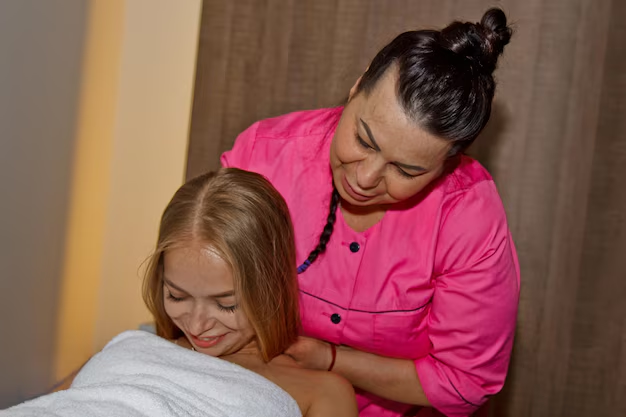
The Art and Science of Massage Therapy: A Comprehensive Guide
In a world that's increasingly aware of wellness and self-care, massage therapists play a vital role in enabling people to achieve physical well-being and mental tranquility. This guide will delve into the nuances of massage therapy and explore how these skilled professionals can contribute to overall health.
Discovering the Role of a Massage Therapist
Massage therapy has been practiced for thousands of years, embodying a blend of art and science. Massage therapists are trained professionals who manipulate the body’s soft tissues, employing various techniques to provide many benefits. The primary goal is often to relieve stress, reduce pain, and improve circulation, but the scope extends much further.
The Science Behind Massage Therapy
Massage therapy affects the body not just superficially but at multiple levels:
- Physiological Impact: Encourages improved circulation, enhances oxygen and nutrient flow to tissue, and aids in detoxification.
- Neurological Benefits: Stimulates nerves, potentially boosting endorphin production, which generally balances stress hormones.
- Psychological Wellness: Reduces anxiety and stress, promoting mental clarity and emotional relaxation.
Training and Certification
Becoming a competent massage therapist requires extensive training and certification. This typically includes:
- Study of Anatomy: Understanding the body’s musculoskeletal structure is fundamental.
- Different Techniques: Ranging from Swedish massage, deep tissue, trigger point therapy, to specialized practices like Shiatsu.
- Ethics and Communication: Maintaining professional ethics and learning effective client communication is critical.
Exploring Types of Massage Therapy
Massage therapy is not a one-size-fits-all solution; different types are tailored to meet specific needs. Here are a few widely recognized modalities:
Swedish Massage
This is perhaps the most popular and can be a perfect introduction to massage therapy for beginners. It utilizes a combination of long strokes, kneading, deep circular movements, and gentle tapping.
Key Benefits: Relaxation, improved circulation, and relief from muscle tension.
Deep Tissue Massage
Focuses on layers of muscles and deep tissue. It's ideal for those who have been severely stressed or suffer from chronic pain.
Key Benefits: Reduces chronic muscle tension, breaks down adhesions in tissue, and augments mobility.
Sports Massage
Tailored for athletes, this type of massage enhances performance, prevents injuries, and aids recovery.
Key Benefits: Improves flexibility, reduces risk of injuries, and accelerates recovery time.
Shiatsu
An ancient Japanese technique using finger pressure on acupuncture points. It's both invigorating and relaxing.
Key Benefits: Balances energy (Qi), enhances circulation, and supports holistic well-being.
What to Expect During a Massage Therapy Session
Visiting a massage therapist can be both an exciting and nerve-wracking experience for the uninitiated. Here's what typically happens:
Initial Consultation
- Assessment: Understanding your health history and discussing any specific areas of concern.
- Goal Setting: What you hope to achieve from the session, be it relaxation, relief from pain, or enhanced flexibility.
During the Massage
- Comfort: Sessions are typically conducted in tranquil settings with dim lighting and soothing music.
- Techniques: The therapist will use techniques like effleurage (long, sweeping strokes), petrissage (kneading), and tapotement (rhythmic tapping).
- Communication: Ongoing feedback to ensure optimal pressure and comfort.
Post-Massage Care
- Hydration: Water intake is advised to assist in the elimination of toxins.
- Rest: Allowing the body to digest the session and further enjoy its benefits.
- After-care Advice: Guidance on stretches or exercises to sustain the benefits of the massage.
Benefits and Considerations for Massage Therapy
Massage therapy is lauded for numerous benefits but it's important to understand both sides of the coin.
Health Benefits
- Stress Reduction: Activates the parasympathetic nervous system, fostering relaxation.
- Pain Relief: Alleviates chronic pain conditions like fibromyalgia or arthritis.
- Enhanced Immunity: Some believe regular massages might improve immune function.
- Improved Sleep: Many find that it promotes deeper, more restful sleep.
Things to Consider
- Medical Conditions: Always inform your therapist about any medical conditions or allergies.
- Limitations: Massage therapy might not be suitable for certain acute injuries or conditions without medical guidance.
- Frequency: While beneficial, overdoing it may lead to soreness or fatigue. Balance is key.
Choosing the Right Massage Therapist
Selecting the right massage therapist is essential for a rewarding experience:
Factors to Consider
- Credentials: Verify certifications and trainings.
- Area of Expertise: Ensure they offer the specific type of therapy suited to your needs.
- Reputation: Word-of-mouth recommendations or online reviews can be valuable.
- Compatibility: Personal comfort with the therapist adds immeasurably to the experience.
Questions to Ask
- "What is your approach to addressing specific goals, such as stress relief or muscle tension?"
- "Can you share some examples of how you've helped others with similar concerns?"
Consumer Tips: Finding a Therapist 📝
- Research: Look for accredited professionals with legitimate certifications.
- Initial Consultation: Use this time to communicate your specific needs clearly.
- Trial Sessions: Consider having a trial session to determine compatibility.
The Future of Massage Therapy
With increasing interest in complementary and alternative medicine, the future of massage therapy looks promising.
Trends on the Horizon
- Integration with Technology: Use of tech advancements like AI-driven massage chairs.
- Holistic Packages: Integration with other wellness services like yoga and meditation.
- Increased Focus on Mental Health: Greater recognition of its role in mental well-being alongside physical health.
Staying Informed
For those interested in pursuing or utilizing massage therapy, staying informed about these trends can offer valuable insights into making the most of this evolving field.
Quick Takeaways 📌
- Broad Techniques: Massage therapy encompasses various techniques tailored to specific needs.
- Holistic Benefits: Offers both physical and mental health benefits, from pain relief to stress reduction.
- Professional Guidance: Ensure to opt for certified therapists to get the best care.
- Evolving Field: Stay updated on new trends and advancements in practice.
Massage therapy bridges the gap between physical health and mental well-being, offering a holistic approach to enhancing life quality. As you explore the vast world of massage therapy, remember it’s about finding the right fit for your specific needs and trusting a skilled professional to guide you through the journey.