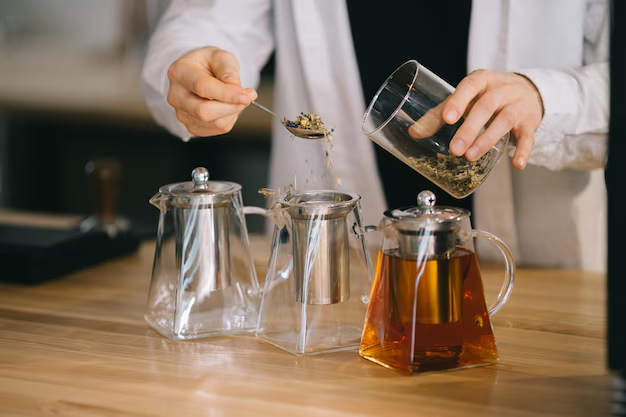
The Rise of Botanicals: Enhancing Wellness with Tea and Tinctures
In today's fast-paced world, many individuals are seeking natural ways to improve their well-being. Enter botanicals: nature’s potent gifts harnessed for centuries in various forms, particularly teas and tinctures. These plant-based solutions are celebrated not just for their flavors but for the potential health benefits they may impart. Whether you're steeped in the tradition of herbal teas or curious about the nuances of tinctures, this guide aims to explore the enriching world of botanicals from diverse angles.
Understanding Botanicals: A Natural Approach to Wellness
Botanicals refer to substances obtained from plants and their various parts – flowers, seeds, leaves, roots, and barks. These components are often used in complementary and alternative medicine to support health organically. Instead of focusing on a specific ailment, botanicals generally aim to support overall wellness.
Types of Botanicals Commonly Used
- Herbs: These include culinary staples like basil and oregano, as well as medicinal herbs such as echinacea and ginseng.
- Teas: Often derived from the Camellia sinensis plant, teas can be purely herbal or a mix of botanicals.
- Tinctures: Alcohol-based extractions that concentrate the active components of plants for ease of use.
The Revitalizing World of Tea
Tea, in its various forms, has been cherished across cultures for its calming and invigorating properties. From the gentle herbal infusions to robust black teas, the variety is extensive.
Herbal Teas: More Than Just a Beverage
- Chamomile: Known for its calming effects, chamomile is often recommended for relaxation and to promote restful sleep.
- Peppermint: Often associated with aiding digestion, peppermint tea is refreshing and aromatic.
- Rooibos: A caffeine-free tea from South Africa, rooibos is noted for its rich flavor and high antioxidant content.
Benefits of Tea Consumption
Drinking tea can offer a tranquil ritual to break the day’s stress. Beyond relaxation, certain teas are linked with digestive support, enhanced cognitive function, and higher antioxidant intake, which may aid in reducing oxidative stress and supporting overall cellular health.
Preparing the Perfect Cup
- Selection: Choose organically sourced botanicals to reduce exposure to pesticides.
- Water Temperature: Different teas require specific temperatures to maintain their unique flavors and benefits.
- Brew Time: Steeping time can vary. While black teas may need a few minutes, herbal teas can steep longer for richer taste.
Tinctures: Concentrated Potency in a Bottle
Tinctures present a fantastic way to utilize the concentrated essence of botanicals. They offer a different administration method and can be more convenient for those on the go.
How Tinctures Work
Tinctures are made by soaking botanicals in an alcoholic base for several weeks. This process extracts the active ingredients, resulting in a highly concentrated liquid. They’re typically taken by placing a few drops under the tongue, ensuring quick absorption into the bloodstream.
Popular Tinctures and Their Uses
- Echinacea: Often used to potentially support the immune system, especially during the cold season.
- St. John’s Wort: Known for its potential mood-enhancing properties, particularly in supporting emotional health.
- Valerian Root: Traditionally used as a natural remedy to promote sleep and relaxation.
Incorporating Tinctures into Daily Routine
- Dosage: Typically, tinctures require only a small dosage, often in drops. Always follow the recommended guidelines.
- Convenience: Their portability makes them ideal for busy lifestyles. Simply drop them into water or consume directly for a quick intake.
- Storage: Store tinctures in a cool, dark place to preserve their efficacy.
Choosing Between Tea and Tinctures: Factors to Consider
When deciding whether to opt for tea or tinctures, consider the following:
- Lifestyle Needs: If you appreciate the ritualistic aspect, tea might be your preference. If you're after quick absorption and convenience, tinctures may be more suitable.
- Flavor Profile: Tea offers a wide range of flavors, while tinctures may have a more neutral or bitter taste.
- Intended Effects: Some botanicals might be more effective in specific forms. For instance, the soothing effects of chamomile are profound in tea form, while the concentrated form of Echinacea in a tincture might be preferred for immune support.
Top Botanicals: Benefits and Uses
🌿 A Quick Botanical Guide 🌿
- Lavender: Known for its calming properties. Ideal in teas for promoting relaxation.
- Ginger: Often used in teas for digestive support thanks to its warming properties.
- Ashwagandha: Traditionally considered to enhance energy levels; commonly found in tincture form.
A Journey Through Time: Historical Context of Botanicals
Botanicals have been integral to human healing traditions for millennia. From the ancient Egyptians to traditional Chinese medicine, plants have been pivotal in addressing health concerns. Understanding historical usage can provide insight into contemporary practices and renewed interest in natural remedies.
Practical Tips for Using Botanicals Safely
- Research: Always start with knowledge about the botanical's effects and potential interactions with other treatments or conditions.
- Source Quality: Prioritize buying from reputable suppliers to ensure product integrity.
- Consult Professionals: While a holistic path is often beneficial, it’s crucial to consult healthcare providers if integrating botanicals into existing health regimens.
🌱 Key Takeaways 🌱
- Customization: Choose botanicals that align with personal wellness goals.
- Diverse Forms: Experiment with both teas and tinctures to find your preference.
- Mindful Consumption: Balance and moderation are essential for optimal benefits.
Concluding Insight
The enchanting world of botanicals offers a vast landscape of aromas, flavors, and potential health benefits that can enhance our daily lives. Whether through the soothing sip of an herbal tea or the quick dose of a tincture, embracing these natural wonders allows us to reconnect with nature’s legacy and support our wellness journey. By staying informed and intentional, we open doors to a lifestyle enriched by the timeless power of plants.