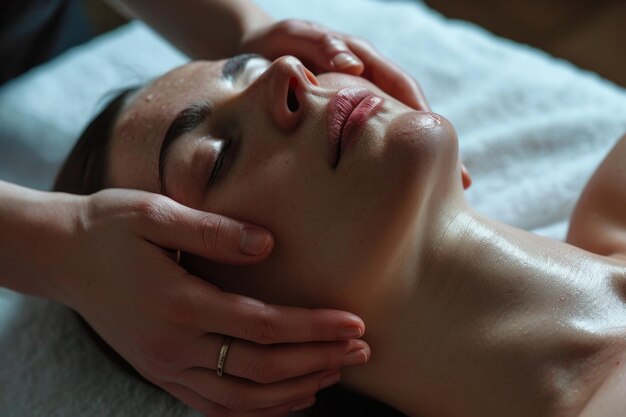
The Best Spa Facial Treatments for Deep Cleansing, Anti-Aging, and Skin Rejuvenation
If your skin looks dull, congested, or tired no matter what you do at home, a professional spa facial can feel like a reset button. From deep cleansing facials that help clear pores to anti-aging and skin rejuvenation treatments that target fine lines and texture, the right option can support what you’re already doing in your daily routine.
This guide walks through the most popular spa facial treatments, what typically happens during each one, who they’re often used for, and what to ask before you book—so you can choose a treatment that aligns with your skin’s needs and your comfort level.
Understanding What Spa Facials Can (and Can’t) Do
Spa facials are designed to support skin health and appearance, not to diagnose conditions or replace medical care. They usually focus on:
- Deep cleansing: Helping remove surface buildup, excess oil, and impurities.
- Exfoliation: Smoothing skin by lifting away dead skin cells.
- Hydration and nourishment: Supporting the skin barrier with moisturizers and soothing ingredients.
- Rejuvenation: Encouraging a fresher, brighter look and smoother feel.
- Relaxation: Reducing stress, which can indirectly influence how the skin behaves.
Most spa facial treatments are non-invasive and centered on cleansing, massage, and topical products. Some more advanced offerings, such as certain peels or device-based treatments, may be closer to medical spa services and can involve stronger ingredients or technologies. These typically require more screening and aftercare.
The “best” facial is not one specific treatment—it depends on:
- Your skin type (dry, oily, combination, sensitive)
- Your primary goals (deep cleansing, anti-aging, brightening, calming)
- Your tolerance for downtime or temporary redness
- Your budget and how often you plan to visit
Deep Cleansing Facials: Clearing Congestion and Refreshing Skin
Deep cleansing facials are often the starting point for people who feel their skin is clogged, dull, or unbalanced. They aim to create a clean slate so the skin can better absorb products and look more refined.
What Is a Deep Cleansing Facial?
A typical deep cleansing facial focuses on:
- Thorough surface cleansing
- Exfoliation (physical or chemical, depending on the spa)
- Steam to soften debris in the pores (when appropriate)
- Extractions of blackheads and certain non-inflamed clogged pores
- A mask chosen for your skin type (clarifying, soothing, or hydrating)
- Light massage and finishing products (toner, serum, moisturizer, SPF if daytime)
Who Commonly Chooses Deep Cleansing Facials?
People frequently seek these facials if they:
- Notice visible blackheads or congestion, especially around the nose and chin
- Wear heavy makeup or live in environments with pollution or humidity
- Feel their skin looks dull or uneven despite regular cleansing
- Want a maintenance treatment between more advanced facials or peels
Individuals with very sensitive or reactive skin often talk with their esthetician before agreeing to steam or extractions, as these steps may be adjusted or skipped based on comfort and skin response.
What to Expect During Extractions
Extractions are often the most intense part of a deep cleansing facial. The esthetician may:
- Use manual techniques with gloved fingers and cotton to gently press out debris
- Occasionally use small tools designed for professional extraction
- Work within a limited area and time to avoid over-stimulating the skin
Some people report mild discomfort or temporary redness afterward, which usually settles within a short period. It is common for estheticians to avoid extracting very inflamed blemishes and instead focus on more accessible congestion.
Exfoliating Facials: Smoother Texture and Brighter Tone
Exfoliation is a key element of both deep cleansing and anti-aging facials. Spa exfoliating treatments go beyond what most people do at home, but they are still tailored to be safe and manageable for the skin.
Types of Exfoliation in Spa Facials
Most spas use one or more of these approaches:
1. Enzyme Facials
Enzyme masks, often derived from fruits like papaya or pineapple, are frequently used to:
- Gently dissolve dead skin cells
- Help refine skin texture
- Leave a smoother, more radiant surface
They are commonly chosen for people who want mild exfoliation without strong acids or abrasives.
2. Chemical Exfoliation (Mild Peels)
Many spa facials use low- to moderate-strength alpha hydroxy acids (AHAs) or beta hydroxy acids (BHAs) as part of the treatment. These can:
- Support skin renewal by loosening dull, dead surface cells
- Help smooth the look of fine lines and roughness
- Assist in clearing clogged pores and reducing the appearance of oiliness
These peels may cause a tingling sensation. Strength and contact time are usually adjusted based on skin type and tolerance.
3. Mechanical Exfoliation
This can include:
- Gentle scrubs with fine particles
- Soft brushes or sponges used by the esthetician
Mechanical exfoliation is often kept mild in professional settings to reduce the risk of over-scrubbing or irritation.
Anti-Aging Facials: Targeting Fine Lines, Firmness, and Radiance
Anti-aging facials aim to support skin that is showing loss of elasticity, fine lines, uneven tone, or dryness. Many of these treatments combine exfoliation with hydrating and nourishing steps.
Classic Anti-Aging Facial
A traditional anti-aging facial typically includes:
- Deep yet gentle cleansing
- Exfoliation (enzyme or mild chemical)
- Facial massage, sometimes including neck and décolletage
- A custom mask (firming, hydrating, or brightening)
- Application of serums with ingredients chosen to support smoother, more radiant skin
The massage element is a major part of these facials. It’s often used to:
- Encourage relaxation and tension release
- Support a temporary look of plumper, refreshed skin
- Improve the overall facial experience
Collagen-Boosting or Firming Facials
Some spas offer facials marketed around firmness or “collagen support.” These often include:
- Intensive hydration to help skin appear more supple
- Masks or serums featuring peptides, botanical extracts, or other actives associated with firmness and elasticity
- Targeted massage techniques, sometimes with tools like rollers or gua sha stones
While no topical facial can replace structural changes that come with age, many people enjoy the smoother, more nourished look they see immediately afterward.
Advanced Skin Rejuvenation Facials
When people seek skin rejuvenation, they are often thinking about more visible changes in:
- Texture and tone
- The appearance of pores
- Early signs of aging
- Lingering dullness or roughness
Some of these options are considered more advanced and may be offered in medical spa settings or under supervision, depending on your region and the specific technology used.
Microdermabrasion Facials
Microdermabrasion uses a handheld device to gently “sand” the skin’s surface with fine crystals or a diamond-tipped wand while vacuuming away debris. In a spa facial context, it is often used to:
- Smooth uneven texture
- Diminish the appearance of dullness and superficial roughness
- Support better absorption of skincare products applied afterward
Microdermabrasion can sometimes cause temporary redness or sensitivity, especially on thinner or reactive skin. Estheticians usually adjust intensity based on how the skin responds.
Oxygen Facials
Oxygen facials typically involve:
- Gentle cleansing and exfoliation
- A device that delivers a pressurized oxygen stream, sometimes combined with lightweight serums
- Cooling, calming steps to leave skin feeling refreshed
People often choose oxygen facials before events because the skin may look dewy, hydrated, and plump right afterward, with little to no downtime.
LED Light Therapy Facials
Many spas incorporate LED (light-emitting diode) therapy into facials. Different light colors (such as red or blue) are used with various goals, such as:
- Supporting overall skin rejuvenation and calmness (often associated with red or near-infrared light)
- Targeting the appearance of blemish-prone skin (often with blue light)
LED is non-invasive and usually painless. Clients typically lie under a panel or wear a mask-style device for several minutes while light is delivered at controlled intensities.
Hydration and “Glow” Facials
Some rejuvenation treatments focus heavily on hydration and barrier support, which can make a dramatic difference in how lively and smooth skin appears. These facials might involve:
- Layered serums and ampoules
- Rich creams or gel masks
- Gentle massage to help products spread evenly
People often report skin feeling bouncier and more comfortable afterward, especially if they tend to be dry or dehydrated.
Chemical Peel Facials: A Deeper Level of Exfoliation
Chemical peels are sometimes included under the umbrella of spa facials, although stronger peels are more commonly found in dermatology or medical spa environments.
What Are Chemical Peel Facials?
A chemical peel facial uses controlled application of an acid solution—commonly AHAs (like glycolic or lactic acid), BHAs (like salicylic acid), or blended formulas—to:
- Help shed built-up dead skin cells
- Smooth the look of fine lines and rough patches
- Brighten the appearance of uneven tone or dullness
Light peels typically result in minimal visible peeling, while stronger peels can cause more noticeable flaking and require specific aftercare and sun protection.
Things People Commonly Consider Before a Peel
- Skin sensitivity: Those with easily irritated skin usually start with very mild peels.
- Downtime: Some peels cause flaking for several days.
- Sun exposure: Post-peel skin is often more sun-sensitive, so protection becomes especially important.
- Timing: People often plan peels around quieter periods, not immediately before major events.
Spas usually screen clients and may recommend patch testing or delaying a peel if the skin is compromised or recently exposed to other strong treatments.
Facials for Different Skin Types and Concerns
The same facial technique can feel very different on two people with different skin types. Many spas customize treatments based on a brief consultation.
Oily or Congested Skin
Facials for oilier or congested skin often prioritize:
- Thorough cleansing and balanced exfoliation
- Judicious extractions where appropriate
- Lighter, non-greasy hydration
- Masks marketed for clarifying or mattifying
Over-drying is generally avoided, as stripping too much oil can leave skin uncomfortable and unbalanced.
Dry or Dehydrated Skin
For dry or dehydrated skin, facials typically emphasize:
- Creamy, non-stripping cleansers
- Gentle, non-abrasive exfoliation
- Rich moisturizers and hydrating serums
- Masks aimed at moisture replenishment and barrier support
Massage and warm towels are often integrated, though intense heat and overly strong exfoliants may be dialed back.
Sensitive or Reactive Skin
Sensitive skin often benefits from a minimalist approach:
- Very mild cleansing with soothing formulas
- Little to no strong exfoliation
- Cooling masks and gentle products without heavy fragrance
- Shorter or lighter massage to avoid overstimulation
Estheticians usually monitor closely for redness or discomfort and simplify the treatment if needed.
Mature or Aging Skin
Facials for mature skin commonly combine several elements:
- Gentle deep cleansing
- Exfoliation chosen to support cell turnover without excessive irritation
- Massage to enhance relaxation and the look of smoothness
- Hydrating and firming serums and masks
These treatments often focus on comfort and a cared-for, revitalized appearance rather than dramatic, instantaneous transformations.
How to Choose the Best Spa Facial for Your Goals
With so many names and variations—“detox facial,” “glow facial,” “youth renewal facial”—the spa menu can feel overwhelming. It can help to translate marketing terms into simple goals.
Match Your Main Goal to Facial Types
| Your Primary Goal 🧭 | Commonly Chosen Facial Types 💆♀️ | What They Often Focus On ✨ |
|---|---|---|
| Deep pore cleansing & congestion | Deep cleansing facial, clarifying facial, light peel | Cleansing, extractions, clarifying masks |
| Texture & dullness | Enzyme facial, microdermabrasion, mild chemical peel | Exfoliation, smoothing, brightening |
| Fine lines & early aging signs | Anti-aging facial, firming facial, LED-inclusive facial | Exfoliation, massage, hydrating/firming serums |
| Hydration & glow | Hydrating facial, oxygen facial, “radiance” or “glow” facial | Moisture, soothing, plumping appearance |
| Sensitive, easily irritated skin | Sensitive-skin facial, calming or soothing facial | Gentle cleansing, minimal exfoliation, calmness |
Names vary by spa, so reading the description and talking to the esthetician usually gives more clarity than the marketing label alone.
Questions You Might Ask Before Booking
A brief conversation can make a big difference. Common questions include:
- “Which facial is usually best for [oily/dry/sensitive/etc.] skin?”
- “Does this treatment include extractions, and can they be adjusted?”
- “Is there any downtime or visible peeling afterward?”
- “Are there any products I should avoid before and after this facial?”
- “Can you customize the facial if my skin reacts during the treatment?”
Most professionals are happy to explain how they customize facials and what you might reasonably expect.
What Typically Happens During a Spa Facial
While menus and techniques vary, many facials share a general structure:
Consultation and Skin Assessment
- Discussion of your skin type, concerns, and comfort level
- Visual inspection under light or magnification
Cleansing
- Removal of makeup and surface impurities
- Sometimes a double cleanse for heavier buildup
Exfoliation
- Enzyme, gentle scrub, light peel, or another method
- Chosen to match your skin’s tolerance
Steam and Extractions (if included)
- Warm steam to soften skin (often optional, especially for sensitive types)
- Manual or tool-assisted extractions, usually focused and time-limited
Massage
- Facial, neck, and sometimes shoulder massage
- Aimed at relaxation and improving the feeling of circulation
Mask
- Selected based on whether your skin needs clarity, moisture, calm, or brightness
- Left on for several minutes while you rest
Finishing Products
- Toner, serum, eye cream, moisturizer
- SPF if the treatment is performed during the day
Throughout, estheticians usually check in about your comfort—whether a product stings too much, whether the massage pressure feels right, and whether temperature and lighting are okay.
Preparing for a Spa Facial
A little preparation can help you get more out of your appointment and reduce the likelihood of irritation.
Common Pre-Facial Considerations
Here are some practices many people find helpful before a facial:
⏳ Allow buffer time
Try not to schedule a new or more intensive facial right before a major event, in case your skin is temporarily flushed or reactive.💊 Mention medications and treatments
Let the spa know if you are using topical retinoids, exfoliating acids, or have had recent cosmetic procedures. This helps them select appropriate products and strengths.🌞 Avoid strong sun exposure
Arriving with a sunburned or very irritated face may limit what the esthetician can safely do.🧴 Be honest about your home routine
Sharing what you use (even if it feels “imperfect”) gives the professional context for how your skin behaves day to day.
After a Facial: What People Commonly Experience
Post-facial skin responses vary, but there are some typical patterns.
Right After the Treatment
Many people notice:
- Skin looks more hydrated, smooth, and radiant
- A feeling of lightness and relaxation
- Temporary pinkness or sensitivity, especially after extractions, exfoliation, or devices
It’s common for pores to appear more refined immediately after deep cleansing, though pore size is also influenced by genetics and other factors.
In the Following Days
- After mild facials, skin may simply feel soft and comfortable.
- After treatments like microdermabrasion or mild chemical peels, some experience slight flaking or dryness as the old surface layer sheds.
- A small number of people may notice purging-like breakouts if deeply clogged pores start to clear. This is not universal and can vary widely.
Spas often provide basic aftercare guidance, such as easing off strong exfoliants for a short period, minimising heat exposure (like hot saunas) for the rest of the day, and being mindful of sun exposure.
Putting It All Together: Choosing a Facial with Confidence
To make the most of spa facial treatments for deep cleansing, anti-aging, and skin rejuvenation, it can help to look at the bigger picture of your skin habits and goals.
Quick Takeaways for Spa Facial Success ✨
🎯 Clarify your main goal
Decide whether you’re mostly seeking cleaner pores, smoother texture, visible radiance, or relaxation. Share this clearly with your esthetician.🧬 Know your skin type and tendencies
Oily, dry, combination, or sensitive skin often responds differently to the same treatment. Mention if you’ve reacted strongly to products in the past.🗣️ Communicate during the facial
Say something if a product burns, stings intensely, or feels uncomfortable. Professionals are used to adjusting on the spot.🧴 Think in terms of a routine, not a one-off fix
Spa facials tend to work best as support for a consistent home routine, not as a substitute.💸 Consider maintenance over miracles
Many people find that periodic facials, even if simple, help their skin look and feel better over time than a single intensive visit.☀️ Be mindful of sun and strong actives afterward
Recently exfoliated skin often prefers gentler care and sun protection while it settles.
Well-chosen spa facial treatments can be a powerful complement to everyday skincare, offering deeper cleansing, targeted anti-aging support, and a sense of rejuvenation that goes beyond the surface. By understanding the main types of facials and how they interact with different skin needs, you can walk into your next appointment informed, confident, and ready to enjoy the experience.