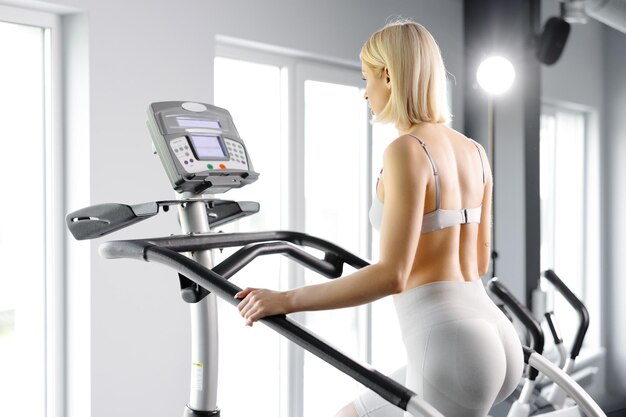
Building Your Ideal Home Gym: A Practical Guide to NordicTrack and At‑Home Workout Equipment
You want to work out more consistently, feel stronger, and support your long-term health—but driving to a crowded gym at the end of a long day can feel like an impossible task. That’s where home gym equipment comes in, and brands like NordicTrack have become popular options for people who want structured workouts without leaving the house.
This guide walks through the main types of NordicTrack and home gym equipment, what they’re generally used for, and how to choose the pieces that fit your space, goals, and budget. The aim is to help you make sense of the options so you can build a setup that you’ll actually use.
Why Home Gym Equipment Belongs in Health & Beauty
A home gym is not just about muscles or personal records. It plays into broader health and beauty goals:
- Physical health: Regular movement can support heart health, mobility, and energy levels.
- Body composition: Strength and cardio training can help shape and tone the body in ways many people find aesthetically pleasing.
- Skin and mood: Many people notice changes in skin appearance and mood when they move more and sleep better.
- Confidence and posture: Stronger muscles and better posture often translate into a more confident presence.
Rather than chasing quick fixes, a home gym supports a sustainable routine that aligns with long-term well-being.
Understanding the Main Categories of Home Gym Equipment
Before focusing on NordicTrack, it helps to see where its products fit into the broader landscape.
Big Picture: Cardio vs. Strength vs. Recovery
Most home gym gear falls into three main groups:
Cardio equipment
- Treadmills
- Exercise bikes
- Ellipticals
- Rowers
- Climbers / incline trainers
Strength equipment
- Adjustable dumbbells and kettlebells
- Benches and racks
- Cable machines and functional trainers
- Resistance bands and suspension systems
Recovery and support tools
- Yoga mats and blocks
- Foam rollers and massage tools
- Balance boards and stability balls
NordicTrack is best known for cardio equipment and interactive training, but many routines combine NordicTrack machines with simple strength and mobility tools to create a more complete home gym experience.
NordicTrack Cardio Equipment: What Each Machine Is Best For
NordicTrack has become closely associated with connected, guided workouts that use screens, virtual coaching, and scenic routes. While features vary by model and year, there are some recurring patterns in how each type of machine is generally used.
Treadmills: For Walkers, Joggers, and Runners
Treadmills are often considered the centerpiece of a home gym because walking and running feel familiar and require no special learning curve.
Common features to expect:
- Adjustable speed and incline
- Cushioned deck aimed at reducing impact compared to outdoor pavement
- Built-in workout programs (intervals, hill training, fat-burn–style sessions, etc.)
- Many NordicTrack models include screens for guided workouts or scenic runs
Who typically gravitates toward treadmills:
- Walkers who want structured, low-barrier movement
- Runners who want convenience regardless of weather
- People focused on calorie burn, weight management, or endurance
Things to consider:
- Space: Treadmills are longer and often heavier than other machines. Folding models can help but still require floor area and ceiling height.
- Noise: Even cushioned, motorized treadmills can be noticeable in apartments or upper floors.
- Impact: Walking is generally lower impact than running, but both still involve foot strikes. Some prefer elliptical trainers or bikes if they want to limit impact.
Exercise Bikes: Low‑Impact and Joint‑Friendly
Exercise bikes (particularly spin-style and upright bikes) are popular for their low-impact cardio and compact footprint.
Typical features on NordicTrack-style bikes:
- Adjustable resistance (manual or digital)
- Height and saddle adjustments for comfort
- Built-in classes or scenic rides on certain models
- Options for interval training, steady-state rides, or off-bike strength add-ons
Who often prefers bikes:
- People with sensitive knees or hips who want lower-impact options
- Anyone who enjoys cycling or wants a quieter cardio machine than a treadmill
- Those who like structured, music-driven classes
Considerations:
- Seat comfort: Some riders add padded covers or adjust positioning to stay comfortable.
- Posture: A properly adjusted bike helps many people avoid neck or back strain.
- Space: Usually smaller than treadmills, making them easier to fit in bedrooms or living rooms.
Ellipticals: Full‑Body, Low‑Impact Movement
Ellipticals combine arm and leg movement in a fluid, gliding motion, offering a full-body workout with less impact than running.
Common features:
- Forward and backward motion options
- Moving and stationary handlebars
- Various resistance and sometimes adjustable incline levels
- Built-in or connected workouts
Best for people who want:
- Cardiovascular training with very low joint impact
- A mix of upper and lower body engagement
- Exercise that feels smoother than running
Points to think about:
- Stride length: Models differ; taller users often need a longer stride for comfort.
- Foot placement: Some users adjust foot positioning to reduce numbness or strain.
- Size: Ellipticals can be long and tall, so measuring ceiling height is important.
Rowers: Compact, Total‑Body Cardio and Strength
Rowers provide a pulling-based workout that engages legs, back, arms, and core in one motion.
Features commonly seen:
- Controlled resistance (magnetic, air, or hybrid)
- Folding frames for easier storage
- Screens offering coached rows, intervals, or scenic water routes on some models
Why some users like rowers:
- They combine elements of cardio and strength, especially for the back and legs.
- Rowers are often quieter than treadmills.
- They usually have a smaller footprint when folded and stored upright.
Things to remember:
- Rowing technique takes a bit of learning to feel smooth and comfortable.
- Users often benefit from setting foot straps and damper/resistance carefully.
- People with certain back or hip sensitivities may experiment with form and intensity.
Incline Trainers and Climbers: Hill-Focused Training
Incline trainers and step/climber machines emphasize steep gradients that simulate hiking or stair climbing.
Common characteristics:
- Very high incline ranges compared to typical treadmills
- Intense focus on glutes, hamstrings, and calves
- Scenic routes (like mountain or hiking paths) on some connected models
Best suited for:
- People who like hiking or climbing-style workouts
- Users who want to focus on the lower body and cardiovascular fitness at once
- Those aiming to increase intensity without necessarily running faster
Considerations:
- Steep inclines can feel intense quickly, so many users start conservatively.
- Machines can be taller than standard treadmills and may require more vertical clearance.
- Handling the machine safely (especially stepping on and off) matters in smaller rooms.
Strength Training at Home: Beyond the Cardio Machines
While NordicTrack is largely recognized for cardio equipment, a well-rounded routine usually includes strength training, which supports:
- Muscle tone and shape
- Joint support and posture
- Everyday tasks like lifting, carrying, and climbing stairs
You can combine NordicTrack cardio with simple, versatile strength tools that fit almost any home.
Essential Strength Tools for Most Home Gyms
Here are commonly used options that pair well with a cardio machine:
- Adjustable dumbbells: Replace multiple pairs of fixed dumbbells, saving space.
- Kettlebells: Used for swings, squats, and full-body power movements.
- Resistance bands: Lightweight, portable, and gentle on joints.
- Adjustable bench: Supports presses, rows, step-ups, and core moves.
- Pull-up bar: Fits in a doorway or mounts securely for back and arm strength.
- Suspension trainer: Uses body weight and straps for a wide range of exercises.
Many people find that one solid cardio machine + a small collection of strength tools is enough for a balanced home gym.
Matching Equipment to Your Goals and Lifestyle
Choosing “the best” NordicTrack or home gym setup is highly personal. There is no single machine or tool that works for everyone. Instead, it helps to match equipment to how you live and what you enjoy.
1. Clarify Your Primary Fitness Focus
Ask yourself what you care about most right now:
- Overall health and energy: Look for equipment you can use at moderate intensity most days—treadmills, bikes, or ellipticals are common choices.
- Weight management and body composition: Many users combine cardio (for calorie burn) and strength (for muscle maintenance).
- Strength and toning: A treadmill or bike plus free weights, bands, or a bench can cover most major muscle groups.
- Endurance or performance: Runners often prefer treadmills; cyclists gravitate toward bikes; rowers like rowing machines.
📝 Tip: If you genuinely enjoy using the machine, you’re more likely to stay consistent. Enjoyment often matters more than tiny differences between models.
2. Measure Your Space and Noise Tolerance
Equipment that looks compact in a showroom can feel huge in a bedroom.
Consider:
- Floor space:
- Measure length, width, and a bit of clearance around the machine.
- Ceiling height:
- Especially important for treadmills, ellipticals, and incline trainers—add your height plus the max deck rise.
- Doors and hallways:
- Check whether the machine can be carried in and assembled where you want it.
- Neighbors and housemates:
- Bikes and rowers are often quieter than running on a treadmill.
- Mats can dampen noise and protect floors.
3. Decide How Much Tech Integration You Want
NordicTrack is known for connected training through touchscreens and guided workouts. Some people love this; others prefer simple consoles or their own entertainment.
Higher-tech experience often includes:
- Large screens with trainer-led sessions and scenic routes
- Automatically adjusted speed, incline, or resistance based on the workout
- Training plans organized into programs or series
- Metrics tracking over time
Lower-tech or simpler setups might include:
- Basic digital display for time, distance, and calories
- Manual adjustment of speed/resistance
- External devices (TV, tablet, or phone) for music or independent instruction
Neither is “better” in absolute terms—it’s about what keeps you moving.
4. Consider Budget and Long-Term Value
Home gym equipment ranges widely in price. Some people prefer to invest in a single, durable machine; others start with basic tools and upgrade over time.
Ways people stretch their budget:
- Choosing one versatile cardio machine instead of multiple specialized ones
- Starting with a bike or rower, which may cost less than high-end treadmills
- Adding bands, a mat, and a pair of adjustable dumbbells to cover strength training
🧩 Balanced starter setup example:
- One cardio machine (e.g., a treadmill, bike, elliptical, or rower)
- 1–2 resistance bands
- A pair of adjustable dumbbells
- A yoga or exercise mat
This combination supports cardio, strength, and flexibility without overwhelming space or budget.
Sample Home Gym Setups for Different Needs
Here are illustrative setups that combine NordicTrack-style machines with basic gear. These are not strict prescriptions, just common patterns that many people find practical.
1. Small Apartment Setup
Focus: Minimal space, low noise, multi-purpose equipment.
- Compact exercise bike or folding treadmill
- Resistance bands with door anchor
- Yoga mat and foam roller
Why it works:
Lightweight tools are easy to store; a bike can be quieter than running. Bands and bodyweight exercises cover strength.
2. Balanced Family Home Gym
Focus: Shared space with options for different preferences.
- Mid-size treadmill or elliptical
- Set of adjustable dumbbells
- Adjustable bench
- A few kettlebells
- Storage rack or corner station
Why it works:
Multiple family members can walk, jog, or cross-train, while dumbbells and kettlebells support both basic and advanced strength routines.
3. Performance-Focused Endurance Corner
Focus: People who enjoy structured training for running, cycling, or rowing.
- Higher-end treadmill or cycling bike with guided workouts
- Rowing machine for cross-training
- Foam roller and massage ball
- Mat for mobility and stretching
Why it works:
Cardio variety helps manage training load and reduce monotony, while recovery tools help support flexibility and comfort.
Quick Comparison: Which Type of Equipment Fits You?
Use this simple table as a starting point for matching your preferences to a main machine type:
| If you want… | You might look at… | Why it often fits |
|---|---|---|
| Familiar walking or running | Treadmill | Natural movement, easy to start, adjustable speed and incline |
| Very low-impact, joint-friendly cardio | Bike or Elliptical | Smooth motion with less impact than running |
| Compact, full-body cardio + some strength feel | Rower | Works legs, back, and arms in one movement |
| Intense lower-body focus, hiking feel | Incline trainer / climber | Emphasizes glutes and legs with steep gradients |
| Basic strength and toning | Bands, dumbbells, bench | Versatile, space-conscious, supports whole-body resistance training |
Creating a Simple, Sustainable Workout Routine at Home
Once you have your equipment, the next question is how to use it consistently. The most effective setups are the ones that blend into your life instead of feeling like a separate chore.
1. Combine Cardio, Strength, and Mobility
Many people aim for a mix of:
- Cardio sessions on a treadmill, bike, elliptical, or rower
- Strength sessions using dumbbells, bands, or bodyweight
- Mobility or stretching time using a mat, blocks, or foam roller
A common, manageable pattern might look like:
- 3–4 days per week of moderate cardio
- 2–3 days per week of strength training (full-body or split)
- Short stretching sessions before or after workouts or on rest days
This mix helps support heart health, muscle maintenance, and flexibility.
2. Use Guided Workouts Strategically
NordicTrack-style guided workouts can help with:
- Motivation on days when you feel uninspired
- Structured progression toward goals (e.g., beginner to intermediate)
- Variety in intensity, terrain, and style
Some people find that mixing guided sessions with unguided, lower-intensity days keeps them engaged without burnout.
Example pattern:
- 🧭 2 days/week: Trainer-led or class-style cardio workouts
- 🌿 1–2 days/week: Easy, self-paced walks or rides while listening to music or a podcast
- 💪 2 days/week: Strength or circuit workouts using weights and bands
3. Make Your Environment Work for You
Physical setup has a big impact on whether you use your equipment:
- Keep your main cardio machine visible and accessible (not hidden behind boxes).
- Store dumbbells and bands in an easy-to-reach basket or rack.
- Lay out a mat in advance when you plan to exercise in the evening.
- Keep a water bottle and towel nearby to reduce friction.
Small conveniences reduce the number of decisions you need to make and can help you stick with your plan.
Safety, Comfort, and Personalization
Home equipment often feels more comfortable than public gyms because you control the environment. At the same time, it’s useful to keep a few general guidelines in mind.
Safety and Comfort Basics
- Start gradually: New movements or intensities can feel challenging. Many people find it helpful to build up slowly over days and weeks.
- Pay attention to posture: Neutral spine, relaxed shoulders, and comfortable joint alignment can support more comfortable movement.
- Use handrails and supports when learning: On treadmills and incline trainers, gripping side rails while you get used to the motion can enhance balance.
- Footwear and clothing: Supportive shoes and breathable fabrics often improve comfort and reduce irritation.
If anything causes sharp discomfort or feels concerning, many people find it helpful to pause, adjust, or consult a qualified professional before continuing.
Maintaining Your Equipment
Well-maintained equipment often feels smoother and lasts longer.
Common maintenance habits include:
- Wiping sweat off surfaces after use
- Checking moving parts periodically for unusual noises
- Keeping the area around the machine clear of clutter
- Following any manufacturer guidelines on belts, lubrication, or calibration
Even small maintenance steps can keep your home gym feeling inviting and reliable.
Key Takeaways for Choosing NordicTrack and Home Gym Equipment
Here’s a quick, skimmable summary to help you pull it all together:
✅ Top considerations before you buy
- 🎯 Clarify your primary goal: health, weight management, performance, or general strength.
- 📏 Measure your room, ceiling height, and doorways.
- 🔊 Think about noise and neighbors (bikes and rowers are often quieter).
- 💻 Decide how much tech and guided training you actually want.
- 💰 Set a realistic budget that you feel comfortable with long-term.
🏋️ Building a flexible home gym
- 🧠 Start with one main cardio machine that you enjoy using.
- 🧱 Add bands, dumbbells, and a mat for full-body strength and stretching.
- 🔁 Aim for a mix of cardio, strength, and mobility each week.
- 🎧 Use guided workouts when you’d like structure; go self-paced on lighter days.
🏡 Making it part of your lifestyle
- 👀 Keep your equipment visible and easy to access.
- ⏰ Schedule short, realistic sessions that fit into your day.
- 🧴 Maintain your equipment so it stays smooth, quiet, and ready to use.
- 🌱 Adjust gradually as you learn what feels best for your body and routine.
Bringing NordicTrack and other home gym equipment into your space is ultimately about more than machines. It’s about creating a personal environment where movement feels natural, accessible, and sustainable. When your equipment aligns with your goals, space, and preferences, it becomes much easier to build a routine that supports both your health and your sense of confidence and well-being over time.