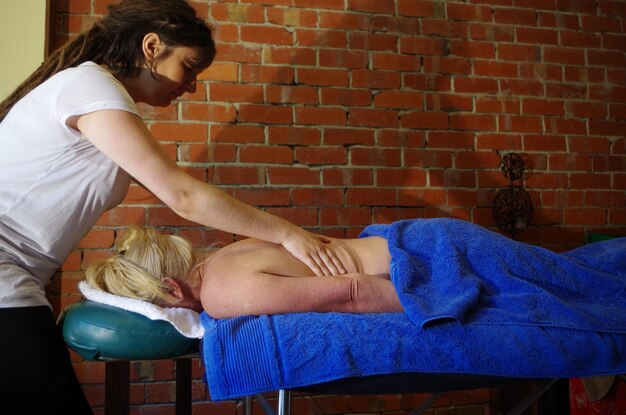
Massage Techniques & Wellness Practices: Your Practical Guide to Therapy Resources and Professional Growth
Touch is one of the body’s most direct ways to communicate comfort, safety, and relief. Whether you’re a massage professional, a wellness practitioner, or simply curious about how massage fits into a healthy lifestyle, understanding massage techniques and supportive wellness practices can help you make more informed choices.
This guide explores how different massage styles work, how they fit within broader wellness routines, and what to know about education, therapy resources, and ongoing professional development in the field.
The Role of Massage in Modern Health & Beauty
Massage sits at the intersection of health, beauty, and wellbeing. Many people seek massage to:
- Support relaxation and stress management
- Complement fitness or physical activity
- Help prepare for or recover from athletic performance
- Feel more comfortable and at ease in their bodies
- Integrate mind–body practices into daily life
Massage is not a substitute for medical care, and it does not diagnose or treat medical conditions. Instead, it is often used as a supportive practice alongside other wellness and healthcare approaches.
Understanding what each massage technique offers—and how it pairs with lifestyle habits like movement, sleep, and mindfulness—can make sessions more meaningful and aligned with individual goals.
Core Massage Techniques and What They Aim to Do
Massage therapy includes many modalities, each with its own focus and methods. Below are some of the most commonly discussed techniques and their general characteristics.
Swedish Massage: Foundational Relaxation
Swedish massage is one of the most widely recognized styles. It typically uses:
- Long, gliding strokes (effleurage)
- Kneading (petrissage)
- Rhythmic tapping or percussion
- Gentle joint movement and stretching
People often choose Swedish massage to support:
- General relaxation
- A sense of calm and ease
- A gentle introduction to massage for beginners
For professionals, Swedish techniques form a foundation that can be adapted or blended with other styles.
Deep Tissue Massage: Focus on Deeper Layers
Deep tissue massage uses slower, more focused pressure aimed at deeper layers of muscle and connective tissue. Practitioners generally:
- Work more slowly and precisely
- Spend extra time on specific areas of tension
- Use forearms, elbows, or knuckles in addition to hands
Clients may consider this style when they want:
- Comprehensive work on long-held muscle tightness
- A more intense, structured experience
It is important for receivers to communicate clearly about comfort levels, since pressure that is too intense can feel counterproductive.
Sports Massage: Supporting an Active Lifestyle
Sports massage is often associated with athletes, but it can be relevant for anyone who trains regularly or has a physically demanding lifestyle. It typically includes:
- Techniques similar to Swedish and deep tissue
- Joint mobilizations and stretching
- Sessions tailored to training phases (pre-event, post-event, maintenance)
People commonly use sports massage to:
- Prepare muscles for activity
- Support recovery between workouts
- Address areas that feel overused or tight
For professionals, understanding sports massage principles can open opportunities in fitness centers, athletic teams, and performance-focused environments.
Trigger Point Work and Myofascial Techniques
Some massage styles focus on specific points or areas:
- Trigger point work: Gentle pressure applied to sensitive areas in muscle tissue that may feel like “knots.”
- Myofascial techniques: Slow, sustained contact aimed at the fascia (the connective tissue surrounding muscles).
Receivers often describe these methods as helpful when they notice localized areas of tightness or restriction. Sessions usually require clear communication to find a pressure level that is effective yet tolerable.
Relaxation-Focused and Spa Massage
In spa and beauty settings, massage often emphasizes:
- Relaxation and sensory experience
- Aromatherapy, warm stones, or soothing music
- A tranquil environment that supports mental unwinding
While some spa massages still incorporate technical depth, the primary focus is often on overall comfort, pampering, and stress relief, which many people find supports their sense of wellbeing and self-care.
Integrating Massage with Broader Wellness Practices
Massage tends to be most effective as part of a holistic wellness routine rather than as an isolated event. Several lifestyle practices commonly complement massage therapy.
Movement and Stretching
Gentle movement before or after massage can support body awareness and comfort. Common approaches include:
- Walking: A light walk can be a simple way to reconnect with the body after a session.
- Stretching or mobility routines: Simple, non-strenuous stretching may help people notice changes in flexibility or comfort.
- Mind–body movement: Practices such as yoga, Pilates, or tai chi place attention on posture, breathing, and alignment.
Professionals often encourage receivers to listen to their own comfort levels and avoid overexertion around massage sessions.
Breathwork and Mindful Awareness
Breath and touch often work well together. Many people report that breath awareness helps them:
- Settle into the table at the beginning of a session
- Release unnecessary muscle tension
- Notice how their body responds to different techniques
Some practitioners incorporate brief breath cues, while others may suggest mindfulness or relaxation practices that clients can explore on their own.
Sleep, Stress, and Daily Rhythms
Massage can fit naturally into broader stress-management routines, especially when paired with:
- Consistent sleep and wake times
- Relaxing evening wind-down rituals
- Screen-time boundaries before bed
- Gentle self-massage, like massaging the hands or feet before sleep
Individuals often notice that when massage sessions are combined with healthier daily rhythms, the sense of relaxation can feel more sustained.
Skin, Body Care, and Beauty Rituals
In the context of health and beauty, massage often appears alongside:
- Facial massage techniques in skincare routines
- Lymphatic-style body massage for a sense of lightness and tone
- Scalp, hand, and foot massage as part of self-care rituals
While people sometimes report that massage leaves their skin appearing more vibrant—possibly due to increased local circulation and hydration effects—such observations are general and vary widely.
Choosing a Massage Style That Fits Your Goals
Each massage style has its own emphasis. Matching expectations with technique can make sessions more satisfying.
Clarifying Your Priorities
Before booking, it can help to consider:
- Primary goal: relaxation, recovery, body awareness, or specific areas of discomfort
- Preferred pressure: light, medium, or firm
- Environment: spa-like, clinical, athletic, or home-based
- Time: full body or targeted session
Sharing these priorities with a practitioner helps them adjust techniques and create a more personalized experience.
Questions You Might Ask a Practitioner
People often feel more comfortable when they understand what to expect. Common questions include:
- What techniques do you typically use?
- How do you adapt pressure or style based on client feedback?
- Are there any areas you avoid or work with more gently?
- How should I communicate if something feels uncomfortable?
Clear two-way communication usually leads to better outcomes for both client and practitioner.
Safe, Informed Use of Massage and Wellness Practices
Responsible massage and wellness practices prioritize safety, consent, and comfort.
Consent and Boundaries
Key elements of a safe session generally include:
- Clear explanation of what the session will involve
- Draping practices that protect privacy and comfort
- Respect for client boundaries, including the option to opt out of any technique or area
- Opportunity to pause or stop the session at any time
Many clients find it reassuring to know they can speak up if they need adjustments.
Understanding Limitations
Massage is one part of a broader healthcare picture. It does not:
- Diagnose health conditions
- Replace medical evaluation or prescribed treatment
- Guarantee specific outcomes
When individuals have ongoing pain, injuries, or medical concerns, they typically consult with qualified healthcare professionals. Many massage therapists are used to collaborating within such multidisciplinary contexts when appropriate.
Professional Pathways: Education and Training in Massage
For those drawn to massage as a career or as part of a wider wellness practice, education and professional development form the foundation of safe, effective work.
Core Massage Education
Massage training programs often include:
- Anatomy and physiology: Understanding muscles, joints, and body systems
- Pathology basics: Familiarity with conditions that may require modifications or referrals
- Hands-on technique practice: Swedish, deep tissue, and other modalities
- Professional ethics and boundaries: Informed consent, draping, communication
- Business skills: Scheduling, record keeping, basic marketing
Requirements for practice vary by region, including licensing, certification, or registration. Prospective students typically research local regulations and recognized schools.
Continuing Education and Specialization
After initial training, many massage professionals pursue continuing education to deepen or broaden their skills. Common specialty areas include:
- Sports massage and performance support
- Prenatal and postpartum massage
- Geriatric or elder-focused massage
- Myofascial release or neuromuscular techniques
- Lymphatic-style or gentle touch methods
- Facial, scalp, and head massage integrated with skincare
Continuing education can help practitioners serve specific populations and stay current with evolving approaches and professional standards.
Building a Sustainable Massage & Wellness Career
A fulfilling massage career usually blends technical skill, self-care, and professional planning.
Balancing Hands-On Work with Self-Care
Massage is physically and mentally demanding. Many professionals pay close attention to their own wellbeing by:
- Developing efficient body mechanics to protect joints and posture
- Scheduling breaks between sessions
- Incorporating their own movement, stretching, or strength training
- Using supportive tools, tables, and ergonomically designed equipment
Sustainable self-care can extend a practitioner’s career and improve the quality of presence they bring to each session.
Blending Modalities and Services
Some professionals combine massage with other wellness services, such as:
- Yoga or movement instruction
- Mindfulness or relaxation coaching
- Skin and body care services within the beauty sector
- Wellness workshops or group classes
This type of blended practice can create diverse income streams and help clients experience more integrated care, as long as each service is offered within appropriate training and scope of practice.
Ethics, Professionalism, and Client Trust
In massage and wellness, trust is central. Practitioners typically maintain professionalism by:
- Being clear about their training and credentials
- Respecting confidentiality and privacy
- Working within the boundaries of their role and region’s regulations
- Referring clients to other professionals when needs fall outside their scope
These practices help build long-term client relationships and a strong professional reputation.
Therapy Resources and Tools for Massage Professionals
Beyond hands-on skills, many resources support massage practitioners in growing their knowledge and managing their work.
Educational Resources
Massage professionals often use a range of learning tools, including:
- Textbooks and anatomy atlases for deeper understanding of the body
- Professional magazines or industry publications for current trends and practice insights
- Workshops and in-person trainings to refine palpation skills and technique quality
- Online courses that fit around busy schedules
These resources can be helpful for staying engaged, inspired, and informed.
Practice Management Tools
Running a massage or wellness practice usually involves:
- Appointment scheduling systems
- Note-taking or SOAP charting for client sessions
- Basic accounting and income-expense tracking
- Clear policies for cancellations, late arrivals, and payment
Organized systems often reduce stress and create smoother experiences for both practitioner and client.
Quick Reference: Massage & Wellness Essentials 🧾
Below is a concise table summarizing key ideas from this guide:
| Topic | Key Points |
|---|---|
| Swedish Massage | Gentle, flowing strokes; commonly used for relaxation and general stress relief. |
| Deep Tissue Massage | Slower, focused pressure; often chosen for long-standing muscle tightness or tension. |
| Sports Massage | Geared toward active individuals; supports training cycles and recovery routines. |
| Trigger/Myofascial Work | Targets specific tension areas and connective tissue; benefits from clear client feedback. |
| Spa & Relaxation Massage | Emphasizes comfort, atmosphere, and sensory experience within health & beauty contexts. |
| Complementary Practices | Movement, stretching, breathwork, sleep routines, and mindful self-care support massage. |
| Client Safety & Consent | Clear communication, boundaries, and respect for comfort are central to responsible practice. |
| Education & Training | Anatomy, technique, ethics, and business basics form the foundation for professionals. |
| Continuing Education | Specializations (sports, prenatal, elder care, etc.) expand skills and opportunities. |
| Career Sustainability | Good body mechanics, self-care, and sound business systems support long-term practice. |
Practical Tips for Clients and Practitioners ✨
For people receiving massage:
- 🧭 Clarify your goal before booking: relaxation, recovery, or targeted work.
- 💬 Speak up during the session if pressure or techniques feel too intense or uncomfortable.
- 🛏️ Give yourself transition time after a massage—rushing back into stress can blunt the benefits.
- 🧴 Notice patterns over time: which techniques, times of day, or practitioners feel most supportive.
For massage and wellness professionals:
- 📚 Keep learning: periodic training can refresh skills and prevent stagnation.
- 🧍♂️ Protect your body: refine ergonomics and body mechanics early and often.
- 🗂️ Stay organized with scheduling, notes, and policies to reduce administrative strain.
- 🤝 Build collaborative networks with other health and wellness professionals where appropriate.
Bringing It All Together
Massage techniques and wellness practices offer many people a way to reconnect with their bodies, create moments of calm, and support an overall sense of wellbeing. When paired thoughtfully with movement, rest, mindful awareness, and responsible self-care, massage can become a meaningful part of a balanced approach to health and beauty.
For clients, understanding the differences between Swedish, deep tissue, sports, and other methods helps align expectations and experiences. For professionals, ongoing education, ethical practice, and sustainable self-care shape a resilient and rewarding career.
Whether you step into the massage room as a receiver, a practitioner, or both, staying informed, curious, and attentive to your own needs lays the groundwork for safe, supportive, and enriching touch-based therapy.