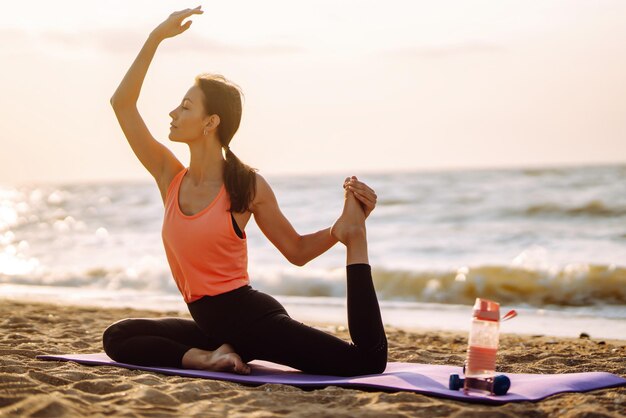
Transforming Your Daily Life: A Practical Guide to Personal Development, Mindfulness, and Wellness
Most people want to “live better” — feel calmer, look healthier, and show up as their best self. Yet in everyday life, it often feels like there’s no time, no energy, and no clear starting point.
This is where personal development, mindfulness, and wellness practices come together. Instead of quick fixes or dramatic overhauls, they offer simple, repeatable habits that gradually shift how you think, feel, and live.
This guide breaks down how to improve your lifestyle in a realistic, sustainable way — focusing on health, beauty, and overall wellbeing without promising miracles or making medical claims.
What “Lifestyle Improvement” Really Means
Before diving into routines and tools, it helps to redefine what “a better lifestyle” actually is.
Moving beyond surface-level changes
Many people think of lifestyle improvement as:
- Losing weight
- Getting clear skin
- Waking up early and being “productive” all day
These can be part of it, but on their own, they’re incomplete. A more grounded view of a better lifestyle includes:
- Physical wellbeing: Steady energy, comfortable movement, and basic body care
- Emotional balance: Recognizing feelings and coping with stress more calmly
- Mental clarity: Ability to focus and make decisions without constant overwhelm
- Self-respect: Treating yourself with kindness instead of constant criticism
When these areas shift, outer changes (like posture, skin appearance, and facial expression) often follow naturally — contributing to how you feel and how others perceive your health and beauty.
The Three Pillars: Personal Development, Mindfulness, and Wellness
Think of lifestyle improvement as a three-legged stool. Each leg supports the others:
- Personal Development – how you grow as a person
- Mindfulness – how you pay attention to the present
- Wellness Practices – how you care for your body and daily life
All three can be started in very small, manageable ways.
1. Personal Development: Growing Into Your Best Self
Personal development is about building self-awareness, skills, and habits that make life feel more aligned with what matters to you.
Key elements often include:
- Self-reflection (understanding what you really want and need)
- Goal-setting (choosing realistic, meaningful changes)
- Skill-building (emotional skills, communication, time management, etc.)
- Self-compassion (speaking to yourself as you would to a friend)
This growth tends to reduce stress, improve relationships, and indirectly support your overall health and appearance.
2. Mindfulness: Training Your Attention
Mindfulness means intentionally paying attention to the present moment, with curiosity rather than judgment.
In everyday terms, it might look like:
- Noticing your breath when you feel tense
- Eating without scrolling or watching something
- Feeling emotions without instantly reacting
Over time, regular mindfulness practice can support:
- A calmer nervous system response
- Greater awareness of unhelpful habits (like stress eating or skin picking)
- More deliberate choices in how you respond to situations
3. Wellness Practices: Caring for Your Body and Daily Life
Wellness is the practical side of lifestyle improvement. It includes the routines and behaviors that influence how you feel and look day to day:
- Movement and exercise
- Nutrition and hydration
- Sleep routines
- Stress management
- Skin, hair, and body care
- Social connection and boundaries
Wellness practices do not have to be extreme. Gentle, consistent routines often support more stable energy, mood, and appearance than intense, short-lived efforts.
How These Three Work Together
A helpful way to see the connection:
- Personal development helps you understand why you want to change and what truly matters.
- Mindfulness helps you notice your thoughts and habits in real time so you can choose differently.
- Wellness practices are what you actually do with your body and time each day.
They reinforce each other. For example:
- You use personal development to decide you want better sleep.
- You use mindfulness at night to notice the urge to keep scrolling.
- You build a wellness routine of putting your phone away 30 minutes before bed.
Each small cycle like this improves your lifestyle from the inside out.
Step 1: Clarify What “Better” Looks Like For You
Lifestyle improvement is most powerful when it’s personal. Instead of copying someone else’s routine, define what you genuinely want.
Reflect on your current reality
You might ask yourself:
- Energy: When do I feel most drained? When do I feel most alive?
- Mood: What tends to trigger stress or irritation? What brings calm or joy?
- Body: How does my body feel most days — heavy, tense, restless, sluggish, energized?
- Appearance: In what ways do I want to feel more confident in my own skin?
- Time: Where does my time go each day? Does it match what I say I value?
Writing down honest answers can bring patterns into focus.
Choose one or two focus areas
Instead of trying to change everything at once, choose up to two focus areas for the next month. Examples:
- “I want to feel less rushed and more grounded in the morning.”
- “I want my skin to look more refreshed and my body to feel less tense.”
- “I want to react less harshly when I’m stressed.”
These focus points guide your personal development, mindfulness, and wellness choices.
Step 2: Build Simple Personal Development Habits
Personal development doesn’t have to be complicated or time-consuming. A few small, regular practices can create noticeable shifts.
Daily self-check-in
A brief self-check-in can become a cornerstone of your growth. It can be as simple as:
- “What am I feeling right now?”
- “What do I need today — physically, mentally, emotionally?”
- “What is one small thing I can do to support myself?”
This habit trains you to listen to yourself before reacting or numbing out with distractions.
Set process-based goals, not just results
Instead of only aiming for outcomes like “look younger” or “lose weight,” shift toward process goals such as:
- “Stretch for 5 minutes after waking up.”
- “Drink a glass of water before my morning coffee.”
- “Write for 3 minutes about what I’m grateful for.”
Process goals are more under your control and build confidence by being achievable.
Practice self-compassion
Many people speak to themselves far more harshly than they realize, especially about appearance or productivity.
A simple self-compassion practice:
- Notice critical thoughts: “I look terrible,” “I’m lazy.”
- Gently rephrase: “I’m tired today, and that’s understandable,” or “I had a tough day; I’m still learning.”
Over time, kinder inner dialogue often leads to healthier choices and more relaxed body language — both linked to perceived beauty and attractiveness.
Step 3: Make Mindfulness Part of Your Everyday Life
Mindfulness doesn’t require long meditation sessions. It can be woven into ordinary moments.
Micro-mindfulness moments
Try incorporating short pauses into key parts of your day:
- Morning: Before getting out of bed, feel your breath for 5–10 slow inhales and exhales.
- Before eating: Take 3 breaths, notice the smell and appearance of your food.
- During work: Once an hour, relax your shoulders and unclench your jaw.
- Evening: Name three things that went well, even if they’re small.
These micro-practices gently retrain your nervous system to shift out of constant tension.
Mindful breathing for stress
A basic mindful breathing approach:
- Sit or stand comfortably.
- Inhale through your nose, noticing the air entering.
- Exhale slowly, following the breath out.
- Repeat for several breaths, gently redirecting your attention when your mind wanders.
Some people find that extending the exhale (for example, breathing out a bit longer than they breathe in) helps their body feel calmer. The key is comfort and consistency, not perfection.
Mindfulness and beauty
Mindfulness can indirectly support your appearance and beauty routines by:
- Helping you notice how your skin responds to certain products or environments
- Reducing tendencies like picking at skin or biting lips when anxious
- Encouraging you to remove makeup gently and consistently
- Bringing awareness to posture, expressions, and tension in the face and neck
When your face and body are less tense, many people appear more rested and approachable.
Step 4: Create a Wellness Routine That Supports Your Health and Beauty
Wellness practices are the tangible actions that support your body and mind. They don’t need to be extreme or expensive.
Movement: Gentle, Regular Activity
Movement plays a major role in how you feel, function, and look.
Common accessible options include:
- Walking (indoors or outdoors)
- Light stretching or yoga-inspired flows
- Simple bodyweight exercises at home
- Dancing to a favorite song
- Taking the stairs when possible
Regular movement can support:
- Joint comfort and flexibility
- Muscle tone and posture
- Circulation, which in turn can influence skin’s natural radiance
- Mood and stress levels
Choose activities you actually enjoy, not what you think you “should” do.
Sleep: Your Quiet Beauty Ritual
Sleep is often described as one of the most basic forms of self-care, with visible effects on skin, eyes, mood, and energy.
Helpful sleep-friendly habits might include:
- Keeping a relatively consistent sleep and wake time
- Dimming lights in the evening to signal “wind down” to your body
- Reducing stimulating screen use shortly before bed
- Creating a simple nighttime ritual (washing your face, gentle stretching, reading a few pages)
People often notice that when their sleep improves, their face looks more rested and their mood becomes more stable.
Nutrition and hydration: Supporting your body from within
Without making diet claims or prescriptions, certain broad patterns are widely recognized as supportive for overall health:
- Including a variety of colorful plant foods over time
- Consuming protein and fiber sources that help you feel satisfied
- Drinking water regularly throughout the day
- Being mindful of how often very sugary or heavily processed foods appear in your routine
Hydration, in particular, is often mentioned in connection with skin appearance, energy levels, and digestion. Even small shifts, like keeping water nearby, can make a difference in how you feel.
Skin and body care: Simple, consistent routines
Skin and body care routines don’t need to involve complicated products to be effective. Useful principles include:
- Consistency over complexity: Gentle cleansing, moisturizing, and sun protection where appropriate are common basics.
- Respect your skin barrier: Avoid over-scrubbing or overusing harsh products.
- Body care as self-respect: Showering, brushing hair and teeth, and basic grooming support both hygiene and self-confidence.
As routines become consistent, many people notice their skin and overall appearance more reliably reflect the care they are taking.
A Sample Daily Routine Combining All Three Pillars
Here’s an example of how personal development, mindfulness, and wellness can fit together in a realistic day. This is a template, not a prescription — adjust based on your life and needs.
| Time of Day | Personal Development | Mindfulness | Wellness & Beauty |
|---|---|---|---|
| Morning | Set 1 intention for the day | 5 slow breaths before getting up | Glass of water, gentle stretch, basic skincare |
| Midday | Brief check-in: “How’s my energy?” | 1–2 minutes feeling your breath | Short walk or movement break, light meal |
| Afternoon | Notice self-talk during work | Mindful pause before responding to messages | Posture check, roll shoulders, relax jaw |
| Evening | Reflect on 1 thing you did well | Name 3 moments of gratitude | Unplug 30 minutes before bed, night skincare, simple stretching |
Even following this loosely a few times a week can start to shift how you feel in your body and with yourself.
Small Beauty-Boosting Habits That Start From the Inside
Outer beauty often reflects inner habits. Here are a few subtle, realistic shifts that tend to support both:
1. Relaxing your face and jaw
Many people hold tension in their forehead, jaw, and neck without realizing it. Periodically:
- Soften your forehead
- Unclench your jaw
- Drop your shoulders away from your ears
Over time, this can help your expression look more open and relaxed.
2. Standing and sitting with gentle alignment
You don’t need a “perfect” posture, but small adjustments can change how you feel and appear:
- Imagine a string gently lifting the crown of your head
- Keep your shoulders slightly back and down
- Let your weight be balanced between both feet when standing
This kind of alignment can affect how clothes fit, how you move, and how confident you appear.
3. Breathing into your belly
Shallow chest breathing is common under stress. From time to time, place a hand on your belly and:
- Inhale so your hand gently rises
- Exhale so your hand falls
Many people find this kind of breathing makes them feel more grounded and centered.
4. Building a simple “reset ritual”
Choose one short activity that helps you reset after a long day:
- Washing your face slowly and gently
- Changing into comfortable clothes
- Lightly massaging your scalp while washing your hair
- Applying lotion with care to your hands, arms, or legs
These rituals can become daily reminders that you deserve care, not just productivity.
Mindful Technology Use for Mental Clarity and Emotional Beauty
How you interact with technology influences your nervous system, mood, and even self-image.
Signs your tech habits may be affecting your lifestyle
- Frequently comparing your appearance or life to others online
- Mindless scrolling late at night affecting sleep
- Feeling more anxious or irritable after certain apps
Gentle steps toward more mindful use
- Set “digital sunsets”: Choose a time in the evening when you lower usage or switch to less stimulating content.
- Curate your feeds: Follow accounts that make you feel inspired or informed instead of drained or inadequate.
- Single-task: Try doing one thing at a time (e.g., eat without scrolling) a few times each day.
A calmer mind and less comparison often bring more natural confidence, which many people perceive as deeply attractive.
Emotional Wellness: How You Feel Shapes How You Show Up
Emotional wellness is a key part of both inner peace and outer presence.
Allowing, not suppressing, emotions
Emotional wellness doesn’t mean never feeling upset. It often looks more like:
- Acknowledging: “I feel anxious/sad/angry right now.”
- Observing: Noticing where you feel it in your body (tight chest, tense throat, etc.).
- Soothing: Choosing a calming activity (breathing, journaling, walking, talking to a friend).
Over time, this can reduce emotional outbursts and internal pressure, leading to calmer expressions and more ease in social situations.
Building supportive connections
Human connection is consistently recognized as important for wellbeing. Supportive relationships can:
- Offer perspective during stressful times
- Provide encouragement for lifestyle changes
- Increase feelings of belonging and safety
Even small gestures — brief messages, short calls, or shared walks — can help nurture emotional wellness.
Quick-Start Checklist: Practical Ways to Begin Today
Here is a simple, skimmable list of steps you can start right away. Pick a few that feel realistic, not all at once.
🌱 Mind & Personal Growth
- 📝 Write down one area of life you want to gently improve this month
- 💬 Notice one self-critical thought and rephrase it more kindly
- 🧭 Set a daily intention each morning (e.g., “Move slowly,” “Be gentle with myself”)
🧘 Mindfulness & Calm
- 🌬 Take 5 slow breaths before checking your phone in the morning
- 🍽 Eat the first 5 bites of one meal with full attention (no screens)
- ⏸ Pause for 10 seconds before responding when you feel triggered
💪 Wellness & Body Care
- 🚶♀️ Add a 5–10 minute walk or stretch break to your day
- 💧 Keep a glass or bottle of water nearby and sip consistently
- 🛏 Choose 1 small bedtime ritual (wash face, stretch, read) and repeat it nightly
💄 Health, Beauty & Confidence
- 🙂 Relax your forehead, jaw, and shoulders once every hour
- 🪞 Treat your skincare routine as a mini self-care ritual, not a chore
- 👗 Wear one item that makes you feel comfortable and confident, even at home
Choosing even two or three of these and doing them consistently can start to shift your experience of daily life.
Making Your Lifestyle Changes Last
Lifestyle improvement is not a 30-day challenge; it’s an ongoing relationship with yourself.
To keep your progress sustainable:
- Think in seasons, not days: Allow your routines to adapt as your life changes.
- Celebrate small wins: Notice and acknowledge tiny shifts in your energy, mood, or habits.
- Expect setbacks: Off days, stressful weeks, or skipped routines are normal. They are part of the process, not proof of failure.
- Revisit your “why”: Regularly remind yourself why you care about feeling calmer, healthier, and more at ease in your body.
Over time, the combination of personal development, mindfulness, and wellness practices forms a solid foundation. You may notice that you:
- Respond to stress more thoughtfully
- Feel more at home in your own skin
- Move through your days with a bit more grace and a bit less rush
- Appear more rested, open, and confident to others
These changes are usually gradual — but they are real. Each small choice in how you think, breathe, move, and care for yourself shapes the lifestyle you’re living, and the person you’re becoming, day by day.