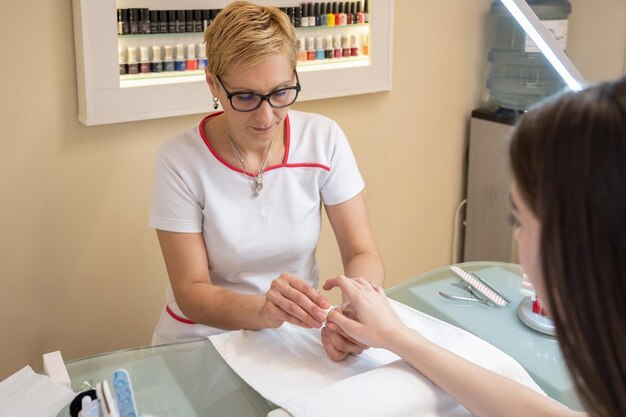
How To Choose The Best Nail Salon For Gel Nails, Extensions, Manicures, and Pedicures
You sit down for a “quick” manicure and walk out with lifting gel, uneven extensions, or worse—red, irritated skin. Many people have had at least one disappointing nail salon experience, which makes choosing the right place feel surprisingly high stakes.
The good news: there are clear, practical ways to tell a high-quality nail salon from one that just looks good on social media. By focusing on hygiene, training, products, technique, and communication, you can find a salon that consistently gives you beautiful gel nails, extensions, manicures, and pedicures—without unnecessary stress.
This guide walks through what to look for, what to ask, and subtle warning signs you can spot before you sit in the chair.
Why The Right Nail Salon Matters
A nail appointment is more than a beauty treat. It involves:
- Your skin and nails (which can react to products or filing)
- Sharp tools (cuticle nippers, razors, drills)
- Shared spaces (foot baths, files, work surfaces)
- Chemical products (monomers, gels, acrylics, acetone)
A well-run salon aims to:
- Keep the environment clean and hygienic
- Use appropriate techniques for different nail types
- Choose suitable products (including options for sensitive clients)
- Offer transparent pricing and communication
A rushed or careless environment can increase the risk of:
- Skin irritation or sensitivity
- Over-filing or damaged nail plates
- Lifting, chipping, or premature breakage
- Unpleasant experiences during or after the service
Understanding these basics makes it easier to evaluate salons with confidence.
Knowing Your Nail Services: Gel, Extensions, Manicures, and Pedicures
Before choosing a salon, it helps to understand the main service types. That way, you can match the salon’s specialties to what you actually want.
Gel Nails
Gel nails are a broad category and can mean:
Soft gel / gel polish
- Thin, flexible coating
- Usually applied like regular polish and cured under a UV/LED lamp
- Commonly used for long-lasting manicures on natural nails
Hard gel / builder gel
- Thicker, stronger gel that can be used to build structure or add length
- Generally requires filing off rather than soaking off
When comparing salons, notice whether they:
- Distinguish between gel polish and builder/hard gel
- Offer soak-off options for gel polish
- Explain how they remove gel (e.g., foil wraps vs. aggressive filing)
Nail Extensions
Nail extensions provide added length and structure. Common types include:
- Acrylic extensions – Created from liquid monomer and powder; hard and durable
- Hard gel extensions – Built with gel products and cured under a UV/LED lamp
- Gel-X or “full cover” tips – Pre-formed tips adhered with gel-like products
- Polygel / hybrid gels – Putty-like gels that combine features of acrylic and gel
When choosing a salon for extensions, consider:
- Do they offer more than one type of extension?
- Do they ask about your nail history (biting, previous damage, overlays)?
- Can they explain which option tends to be thinner, stronger, or more flexible?
Classic Manicures and Pedicures
Even if you’re focused on gel or extensions, basic services matter:
- Manicure – Shaping, cuticle work, buffing, polish or gel application
- Pedicure – Soaking, exfoliating, cuticle care, nail trimming, hard skin reduction, polish or gel
Well-executed manicures and pedicures typically involve:
- Gentle, non-aggressive cuticle care
- Appropriate tools for hands vs. feet
- Thoughtful handling of calluses or rough skin (not overly aggressive shaving)
A salon that pays attention to these details is more likely to handle advanced services carefully as well.
First Impressions: What To Notice As Soon As You Walk In
You can learn a lot about a nail salon within the first few minutes, even before you sit down.
Cleanliness and Organization
Look around and quietly scan the environment:
- Floors and work surfaces – Are they reasonably clean and free from dust piles, used tissues, or product spills?
- Towels and linens – Do they look freshly laundered, or reused between clients?
- Trash bins – Are they emptied regularly or overflowing?
- Ventilation – Does the air feel heavy with chemical fumes, or is there some airflow?
A professional salon usually appears neat, orderly, and regularly wiped down. Some dust and product on workstations can be normal during busy times, but surfaces should not look consistently neglected.
Tools and Sterilization Habits
Pay attention to how tools are managed:
Are metal tools (clippers, cuticle pushers, nippers) taken from:
- Sealed pouches
- Closed sterilization containers
- Or are they pulled from a random drawer or shared tray?
Are disposable items actually disposed of after each client?
Examples:- Wooden cuticle sticks
- Nail files and buffers (unless clearly labeled as personal/reusable for you)
Are foot baths:
- Drained, cleaned, and refilled between clients?
- Wiped or sprayed with visible cleaning products?
These visible cues help indicate how seriously the salon treats cross-contamination and basic hygiene practices.
Safety, Hygiene, and Skin-Friendly Practices
Nail services interact closely with skin and nails, so careful hygiene is central to a safe experience.
What Good Hygiene Usually Looks Like
Responsible salons generally:
- Use fresh or sanitized tools for each client
- Change:
- Towels
- Table covers
- Pedi liners (if used)
between clients
- Clean:
- Foot basins
- Work surfaces
- Lamps and armrests
with appropriate cleaning agents
- Maintain good hand hygiene:
- Technicians washing hands or using sanitizer between clients
- Offering hand/foot cleansing for clients before starting
Some salons also offer personal nail kits or allow you to bring your own tools, which can be useful if you are particularly cautious.
Questions You Can Politely Ask
If you are unsure, it is reasonable to ask questions such as:
- “How do you clean and disinfect your metal tools?”
- “Are the nail files and buffers new for each client or reused?”
- “Do you use disposable liners for pedicure tubs?”
A professional salon often answers calmly and clearly, without defensiveness.
Evaluating Skills, Training, and Professionalism
Even the cleanest salon needs skilled technicians to provide high-quality gel nails, extensions, manicures, and pedicures.
How to Assess Skill Without Being an Expert
Some practical signs of technical strength:
- Nail prep is thorough but not harsh
- Cuticle work is gentle
- Surface buffing is controlled, not aggressive
- Gel or polish application
- Looks smooth, not streaky
- Stays within the nail, not flooded onto skin
- Nail shaping
- Symmetrical on both hands
- Free edges look even from multiple angles
- Time management
- The service feels efficient but not rushed
- The technician is not juggling multiple clients in the middle of your service
If you see technicians frequently using excessive electric filing on natural nails, scraping off product roughly, or filing the natural nail until it appears visibly thin or tender, these may be warning signs of improper technique.
Communication Style and Professional Attitude
Professional technicians often:
- Ask what you want and clarify your expectations
- Explain if a design or length might be unrealistic for your nail type
- Offer alternatives rather than just saying “no”
- Are honest about:
- Maintenance
- Durability
- Possible limitations
You can also observe how they handle:
- Miscommunication or misunderstandings
- Client concerns about discomfort
- Questions about product choices
Calm, respectful communication often reflects a customer-centered approach.
Products, Allergies, and Sensitivities
Nails services rely heavily on chemical-based products. While many people tolerate them well, some experience sensitivities or allergies.
What To Look For in Product Use
Many salons work with a variety of:
- Gel polishes and builders
- Acrylic systems
- Monomers and powders
- Primers, dehydrators, and bonders
You might notice:
- Whether bottles are properly labeled
- If the salon avoids decanted products in unmarked containers
- Whether they follow manufacturer instructions, such as curing times
Some salons offer:
- Low-odor or “sensitive skin” options
- A focus on HEMA-free or specific-ingredient-free gels (for those with known sensitivities)
How To Communicate About Your Skin or Nail History
If you have known allergies or sensitivities, it can help to mention:
- Past reactions to:
- Acrylates
- Certain gels
- Adhesives or glues
- History of:
- Eczema or dermatitis on hands or feet
- Previous irritation around the nail area
You can ask:
- “Do you have options for sensitive skin or people who reacted to gel before?”
- “Can you avoid getting product on the skin around my nails?”
If a salon dismisses your concerns or discourages questions, it may be worth considering another option.
Matching The Salon To Your Style, Budget, and Lifestyle
The “best” nail salon for you is not necessarily the most glamorous or expensive. It is the one that fits your personal needs.
Style and Specialization
Different salons cater to different aesthetics:
- Minimalist, natural look – Short gel manicures, sheer colors, subtle designs
- Elaborate nail art – Hand-painted designs, 3D decorations, encapsulated art
- Structured extensions – Long-lasting builder gels, precise shaping, advanced sculpting
Browse their:
- Social media galleries
- In-salon lookbooks
- Display designs
Check whether their real clients’ nails match the style you love. Many salons have a clear specialty.
Price vs. Value
Price ranges can vary widely based on:
- Location
- Technician experience
- Time and complexity of services
- Nail art level (simple vs. detailed)
Instead of chasing the lowest price, consider:
- How long their work typically holds up for you
- How your nails feel after removal or between sets
- The overall experience—comfort, scheduling, cleanliness, and communication
A slightly higher fee may reflect:
- More time allocated per client
- Higher-grade products
- More experienced staff
Ultimately, what matters is whether the salon’s pricing and quality feel aligned with your expectations.
Practical Checklist: Quick Ways To Compare Nail Salons ����
Use this as a simple side-by-side comparison tool when evaluating options.
| Area | What to Look For ✅ | Possible Red Flags ⚠️ |
|---|---|---|
| Cleanliness | Tidy surfaces, fresh towels, clean floors | Visible dust, reused towels, clutter |
| Tool Hygiene | Sealed pouches, sanitized tools, new files/buffers | Shared files, unclear sanitizing practices |
| Pedicure Area | Clean tubs, liners, visible cleaning between clients | Murky water, no cleaning between appointments |
| Smell & Ventilation | Mild product smell, some airflow or ventilation | Strong, overwhelming fumes, no visible airflow |
| Technician Skill | Even shapes, tidy cuticles, neat polish application | Over-filing, flooded cuticles, burning sensations |
| Communication | Listens, explains options, answers questions politely | Dismissive, rushed, avoids answering questions |
| Product Transparency | Labeled products, can describe brands/types used | Unmarked bottles, vague about product types |
| Pricing Clarity | Clear menu, upfront about extras and add-ons | Surprise charges, unclear about pricing |
| Aftercare Guidance | Basic tips for care and maintenance are offered | No discussion of maintenance or follow-up |
Red Flags To Watch For (Before and During Your Appointment)
Some signs may indicate that a salon’s standards are not aligned with best practices.
Before You Sit Down
- Overcrowded schedule – Multiple clients waiting while technicians are visibly behind
- Rushed cleaning – Minimal downtime between clients at the same station
- Strong, sharp chemical smell with no visible ventilation or extraction
During The Service
Notice what happens as they work:
Excessive pressure or pain
- Filing the natural nail until it feels hot or sore
- Aggressive cuticle cutting that causes bleeding
Persistent burning under the lamp
- Slight warmth can happen with some gels, but intense burning may indicate:
- Overly thick application
- An unsuitable product for your nails
- Inadequate control of curing times
- Slight warmth can happen with some gels, but intense burning may indicate:
Product regularly touching your skin
- Gel or acrylic flowing onto the cuticle and not being cleaned off before curing
- Repeated contact with surrounding skin may increase the chance of irritation or sensitivity in some individuals
If you feel uncomfortable, you can calmly say something like:
- “That feels a bit too hot/tender; could you go more gently?”
- “Can we keep the length a bit shorter?”
- “Could you please remove the product from my skin before curing?”
Your comfort and safety are part of the service.
Making the Most of Reviews, Photos, and Word-of-Mouth
Online and word-of-mouth information can be helpful if you know how to read it critically.
Reading Reviews With Context
When browsing reviews, look for patterns rather than focusing on a single comment.
Pay attention to mentions of:
- Cleanliness and tool hygiene
- Longevity of gel or extensions (chipping, lifting)
- Customer service – how the salon responds to issues or complaints
- Consistency – whether people mention “every time” rather than a one-off visit
One negative review in a sea of positive, well-detailed ones may not be decisive. However, repeated mentions of the same problem (e.g., rushed work, rough drilling, unclear pricing) can be more significant.
Evaluating Photos Honestly
Photos can sometimes be filtered or staged, but you can still look for:
- Nail shapes that match the caption (e.g., “short square” that actually looks short and square)
- Cuticles that look:
- Clean, not red or inflamed
- Free from product buildup
- Surfaces that appear:
- Smooth and even
- Not bulky or lumpy
You can also look at client-submitted photos or tagged images, which often show nails in more realistic lighting and angles.
Word-of-Mouth
Friends, family, or coworkers can provide very practical insights:
- How long their nails tend to last
- How the salon handles:
- Repairs
- Mistakes
- Last-minute issues
- Whether scheduling is generally smooth or stressful
If someone has a nail style similar to what you want, asking where they go and what they like about it can be particularly helpful.
Questions To Ask Before Booking
A brief phone call or message can reveal a lot about how the salon operates.
Here are some useful questions:
- “Do you specialize in gel, acrylic, or both?”
- “What types of extensions do you offer?”
- “Roughly how much time do you book for a gel manicure? For extensions?”
- “Can you do [simple description of design]?”
- “How do you usually remove gel or extensions?”
- “Are there any extra charges for nail art, repairs, or shape changes?”
Their responses may show:
- Whether they understand different systems and techniques
- How realistic they are about timing and complexity
- How transparent they are about pricing and add-ons
Simple Pre-Visit Prep To Get Better Results
A bit of preparation can help the salon deliver your ideal outcome.
Have a Clear Idea of What You Want
It helps to bring:
- Photos of colors and designs you like
- A clear sense of:
- Desired length
- Preferred shape (e.g., oval, almond, square, coffin)
You can say, for example:
- “I’d like short natural-looking oval gel nails, in a sheer pink.”
- “I want medium-length almond extensions with simple French tips.”
Clear guidance helps the technician:
- Choose the right products and techniques
- Estimate the proper time needed for your set
Consider Your Daily Routine
Your lifestyle affects what will realistically work:
- Typing all day? You might prefer shorter lengths.
- Frequent gym or manual work? You might want:
- Stronger structures
- Rounded corners rather than sharp points
Sharing a bit about your daily activities can help the technician adapt the design and shape to something more practical.
Key Takeaways for Choosing the Best Nail Salon 💡
Here’s a quick, skimmable recap of the most important points:
🧼 Prioritize hygiene
- Look for clean stations, fresh towels, and visibly sanitized tools.
🛠️ Watch tool and product handling
- New or properly disinfected items for each client; labeled products; careful application.
💬 Notice communication quality
- Technicians should listen, explain options, and respect your questions and concerns.
💅 Match the salon to your style
- Check that their photos and portfolio align with the shapes, lengths, and designs you want.
💰 Evaluate value, not just price
- Consider durability, comfort during service, and overall experience along with cost.
⚠️ Stay alert to red flags
- Over-filing, pain, harsh cuticle cutting, strong fumes, or unclear pricing may signal poor practices.
🧠 Be clear about your needs
- Share your nail history, sensitivities, desired look, and lifestyle to help the tech tailor your service.
Bringing It All Together
Finding the best nail salon for gel nails, extensions, manicures, and pedicures is less about luck and more about knowing what to look for. When you pay attention to hygiene, technical skill, communication, product use, and ambiance, patterns start to emerge quickly.
Instead of hoping your next appointment turns out well, you can walk in with a clear checklist in mind, ask informed questions, and recognize early cues about whether a salon is a good fit for you. Over time, this helps you build a relationship with a salon—or even a specific technician—who understands your preferences and respects your wellbeing.
Healthy nails and beautiful results can go hand in hand. With a bit of observation and preparation, your next gel manicure, set of extensions, or relaxing pedicure can feel less like a gamble and more like a reliably enjoyable part of your self-care routine.