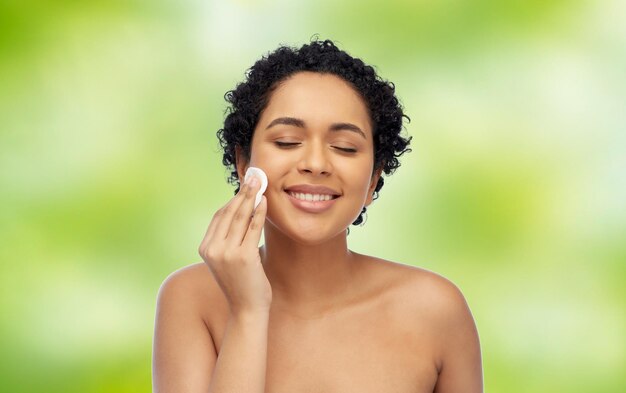
How to Create a Natural, Cruelty‑Free Skincare Routine for Healthier Skin and Fewer Wrinkles
If you care about what goes on your skin and what happens to animals and the planet, skincare can feel like a maze. Labels say “clean,” “natural,” “vegan,” or “anti‑aging” — but which of these actually matters for healthier skin and wrinkle reduction? And how do you build a routine that’s genuinely natural, cruelty‑free, and effective without becoming a full‑time ingredient detective?
This guide walks step by step through how to design a simple, natural, cruelty‑free skincare routine that supports skin health and helps soften the look of fine lines over time. It focuses on practical choices, ingredient awareness, and everyday habits, not miracle fixes or hype.
Why a Natural, Cruelty‑Free Routine Can Be Worth the Effort
Choosing natural and cruelty‑free skincare is often about more than appearance — it reflects personal ethics, health priorities, and a desire for transparency.
What “natural” usually means in skincare
There’s no single universal definition, but “natural” products commonly:
- Emphasize plant‑derived, mineral, or naturally occurring ingredients
- Avoid or minimize certain synthetic fragrances, dyes, and harsh preservatives
- Highlight botanicals like aloe, chamomile, green tea, or plant oils
Natural does not automatically mean:
- Safer for every skin type
- Gentler (some natural extracts can be highly irritating)
- More effective at wrinkle reduction
The main appeal is often a shorter, more recognizable ingredient list and fewer potentially sensitizing additives.
What “cruelty‑free” usually means
“Cruelty‑free” generally describes products that:
- Are not tested on animals at any stage of product development
- Aim to avoid ingredient suppliers that test on animals
However, different companies and regions may use this term with varying standards. Symbols like leaping animals on packaging can indicate third‑party verification, but each symbol is backed by different criteria.
For many consumers, cruelty‑free skincare is one way to align daily routines with values around animal welfare and ethical consumption.
How this connects to wrinkle reduction
Wrinkles and fine lines tend to develop due to:
- Repeated facial movements
- Gradual loss of collagen and elastin
- Sun exposure and environmental stressors
- Dehydration and changes in skin’s natural barrier
A consistent routine that:
- Protects from UV exposure,
- Maintains moisture and barrier strength, and
- Minimizes unnecessary irritation
can support skin in looking smoother, more supple, and more radiant over time. A natural, cruelty‑free approach can absolutely fit into this framework.
Step 1: Understand Your Skin Before You Buy Anything
Before building any skincare routine — natural, cruelty‑free, or otherwise — it helps to understand how your skin behaves.
Common skin types and what they tend to need
You can use this as a starting point rather than a strict label:
| Skin Type | Typical Traits | Common Needs |
|---|---|---|
| Normal | Few breakouts, not very oily or dry | Gentle maintenance, basic hydration |
| Dry | Feels tight, flaky, rough, dull | Richer moisturizers, barrier support |
| Oily | Shiny, prone to breakouts or enlarged pores | Light textures, non‑comedogenic hydration |
| Combination | Oily T‑zone, drier cheeks | Mixed approach by area |
| Sensitive | Easily reddened, stings with many products | Fragrance‑light, minimal ingredient lists |
Skin can change with age, hormones, climate, and lifestyle, so it’s completely normal if you don’t fit neatly into one box.
Observing how your skin responds
Over a few days, pay attention to:
- How skin feels first thing in the morning (tight, oily, balanced)
- How it looks midday without makeup (shiny? flaky? red?)
- How it reacts to fragranced or heavily foaming products
These observations can guide what kind of natural ingredients and textures you might look for, and which formulas to treat with extra caution.
Step 2: Build a Simple, Natural Cruelty‑Free Routine Core
A routine does not need to be complicated to support healthier skin and wrinkle reduction. Many people find that a handful of well‑chosen steps, done consistently, work better than a cupboard full of unused products.
A practical cruelty‑free routine often includes:
- Gentle cleanser
- Hydrating toner or mist (optional but helpful)
- Targeted serum (for hydration, brightness, or firmness)
- Moisturizer
- Daily sunscreen (daytime)
Below is how each step supports skin health and how to keep it natural and cruelty‑free.
Step 3: Cleansing Without Stripping the Skin
Cleansing is where many people unintentionally damage their skin barrier.
What to look for in a gentle, natural cleanser
A cruelty‑free, skin‑friendly cleanser typically aims to:
- Remove sunscreen, makeup, and daily buildup
- Avoid leaving skin squeaky‑tight or burning
- Use milder surfactants and possibly plant‑derived cleansers
Common gentle features include:
- Cream, milk, oil, or balm textures
- No heavy synthetic fragrance or colorants
- Added soothing botanicals like aloe, chamomile, oat, or calendula
For natural and cruelty‑free routines, some people also prefer:
- Plant oils such as jojoba, sunflower, or squalane for oil cleansing
- Minimal ingredient lists with recognizable components
Cleansing tips that support wrinkle reduction
Over‑cleansing can dry out the skin and contribute to a dull, tight look. To support skin that appears smoother and plumper:
- Cleanse once or twice daily, depending on oiliness and makeup use
- Use lukewarm (not hot) water to avoid moisture loss
- Pat skin dry gently with a soft towel instead of rubbing
Consistent, non‑stripping cleansing helps maintain the lipid barrier, which plays a role in how supple and healthy skin looks.
Step 4: Hydration Layers — Toners, Essences, and Mists
Hydrating toners and mists can help skin look more bouncy and fresh, especially when paired with good moisturizers.
The role of a hydrating toner in a natural routine
Hydrating toners in a cruelty‑free routine often:
- Provide an extra layer of water‑based moisture
- Prepare skin to better absorb subsequent products
- Include humectants (water‑attracting ingredients) and soothing botanicals
Look for:
- Glycerin, aloe vera, hyaluronic acid, betaine
- Gentle plant extracts like green tea, cucumber, rose, or oat
- Minimal alcohol content, especially if your skin is dry or sensitive
Fragrance — whether synthetic or naturally derived from essential oils — can be irritating for some skin types, so those with sensitive skin often prefer low‑fragrance or fragrance‑free options.
How to use
- Apply with clean hands or a reusable cotton pad after cleansing.
- Gently press into the skin rather than rubbing.
- Layer once or twice if your skin feels particularly thirsty.
Well‑hydrated skin tends to show fewer fine surface lines because plumpness can make them less apparent.
Step 5: Serums that Support Smoother, Healthier‑Looking Skin
Serums are where many people focus their wrinkle‑reduction goals. They usually contain concentrated active ingredients in a lightweight base.
Common natural‑leaning, cruelty‑free serum ingredients
Key ingredient categories often used to support skin smoothness and overall health include:
Antioxidants
- Examples: vitamin C derivatives, vitamin E, green tea extract, resveratrol
- Antioxidants are widely used to help protect skin from the visible effects of environmental stressors and can support a brighter, more even‑toned look over time.
Hydrating agents
- Examples: hyaluronic acid, aloe, glycerin, panthenol
- These help attract and hold water in the upper layers of the skin, which can make fine lines appear softer.
Gentle exfoliating components
- Examples: fruit enzymes (like papaya or pineapple enzymes), lactobionic acid, lower‑strength lactic acid
- Used sparingly, exfoliating components can help skin look smoother and more radiant by encouraging the removal of dead surface cells. Sensitive skin may need extra care and lower‑frequency use.
Peptides
- Small chains of amino acids frequently used in products that aim to support firmer‑looking skin. Different peptides are formulated with different goals, and effects tend to rely on consistent long‑term use.
Choosing a serum based on your main goal
For early fine lines and dullness:
- A hydrating + antioxidant serum can help support overall brightness and suppleness.
For uneven texture:
- A gentle exfoliating serum, used a few times per week, may help surface texture appear smoother.
For mature or very dry skin:
- A serum focused on rich hydration and barrier support (with hydrating agents and soothing plant oils) can visibly plump and soften the appearance of wrinkles.
Since every skin behaves differently, many people find it helpful to introduce one serum at a time so it’s easier to tell how skin responds.
Step 6: Moisturizing for Barrier Strength and Plumpness
Well‑chosen moisturizers can significantly influence how wrinkles look from day to day.
What a natural, cruelty‑free moisturizer can provide
A moisturizer generally combines three main component types:
- Humectants – draw water into the outer skin layers (e.g., glycerin, aloe, hyaluronic acid)
- Emollients – smooth and soften skin (e.g., plant oils like jojoba, sunflower, squalane, shea butter)
- Occlusives – help reduce water loss (e.g., certain butters, waxes, plant‑derived esters)
A natural‑leaning formula might emphasize:
- Plant oils and butters for nourishment
- Botanicals like calendula, chamomile, green tea, or centella
- Less reliance on heavy synthetic fragrance or strong alcohols
Matching texture to your skin type
- Oily or combination skin:
- Lightweight gel‑creams or emulsions with humectants and light emollients
- Normal skin:
- Creams with a balanced mix of humectants and plant oils
- Dry or mature skin:
- Richer creams or balms with more emollients and occlusives to help skin feel cushioned
Keeping moisture levels more stable can help skin appear firmer and more elastic, which may soften how established wrinkles present.
Step 7: Daily Sun Protection — A Key Step for Wrinkle Prevention
Among skin professionals and informed consumers, there is wide agreement that UV exposure is one of the strongest external contributors to visible aging, including wrinkles, sagging, and uneven tone.
Why sunscreen matters in a natural, cruelty‑free routine
Even naturally focused and cruelty‑free routines benefit from daily UV protection, because:
- UV rays can penetrate glass and reach skin indoors near windows.
- Cumulative exposure over time is strongly linked with more prominent wrinkles and spots.
- Many antioxidants and brightening ingredients are used with the assumption that sun protection is also in place.
Choosing a sunscreen that fits your values
For a routine that emphasizes natural and cruelty‑free principles, many people:
- Look for mineral (physical) filters like zinc oxide or titanium dioxide
- Prefer formulas marketed as broad‑spectrum, meaning they help protect against both UVA and UVB
- Check brand information for animal testing policies
Both mineral and synthetic filters are used in modern sunscreens. Preference for one or the other often comes down to individual skin response, comfort, and personal philosophy.
Practical sunscreen habits
- Apply generously to all exposed skin (face, neck, ears).
- Use daily, not just in sunny weather.
- Reapply as appropriate if you are spending extended time outdoors.
In the context of wrinkle reduction, consistent sunscreen use is often regarded as one of the most impactful long‑term steps for helping skin maintain a more youthful appearance.
Step 8: Gentle Exfoliation for a Smoother Surface
Exfoliation removes dead surface skin cells, which can:
- Help products absorb more evenly
- Make skin look brighter
- Soften the appearance of fine, flaky lines
However, it is also an area where “more” frequently becomes too much, leading to redness, sensitivity, and barrier disruption.
Natural and cruelty‑free ways to exfoliate
You’ll commonly see:
- Enzyme exfoliants
- From ingredients like papaya or pineapple
- Often used in masks or gentle exfoliating cleansers
- Low‑strength acids
- Lactic, mandelic, or polyhydroxy acids in lotions or serums
- Very soft physical exfoliation
- Using finely milled powders or soft cloths rather than harsh grains
People with sensitive or reactive skin often benefit from less frequent, milder exfoliation, whereas more resilient skin may tolerate slightly more frequent use.
Tips for exfoliating without harming your barrier
- Start with once a week, observe your skin, and only then consider adjusting frequency.
- Avoid combining too many strong products in one day.
- If your skin stings, looks very red, or feels tight and hot, reduce frequency or choose gentler options.
Healthy exfoliation should leave skin looking fresh and comfortable, not inflamed.
Step 9: Spot‑Treating Concerns Like Deep Wrinkles or Dark Spots
Some people like to add targeted products to focus on specific signs of aging.
Types of targeted products in natural‑leaning routines
Rich eye creams or balms
- Often include hydrating agents, plant oils, and soothing extracts around the delicate eye area.
- These can make fine lines look less pronounced by boosting moisture and softness.
Brightening treatments
- May use vitamin C derivatives, licorice root, niacinamide, or botanical extracts associated with more even‑looking tone.
Firming or “age‑support” creams
- Often rely on peptides, antioxidants, and nourishing oils or butters that aim to keep skin comfortable and plump.
These products do not erase wrinkles, but consistent use may help skin look smoother, more even, and better hydrated, which many people find refreshing and confidence‑boosting.
Step 10: Reading Labels and Verifying Cruelty‑Free Claims
With growing interest in ethical skincare, packaging can sometimes be confusing or vague.
How to interpret common terms
- “Cruelty‑free” – Usually indicates no animal testing, but standards vary. Some consumers look for a recognizable cruelty‑free logo from a certifying organization.
- “Vegan” – Typically means no animal‑derived ingredients (like beeswax, lanolin, or carmine). This is distinct from cruelty‑free, although many products aim to be both.
- “Natural” or “Naturally derived” – May still include synthetics; the ratio of natural to synthetic ingredients isn’t always specified.
Ingredients that may not be considered vegan
If avoiding animal‑derived substances is important to you, you might watch for:
- Beeswax
- Lanolin (from wool)
- Carmine (often used in red pigments)
- Certain collagen or elastin sources
Reading ingredient lists can initially feel overwhelming, but over time you’ll likely learn to recognize patterns that align with your preferences.
Lifestyle Habits that Support Natural, Wrinkle‑Friendly Skincare
Skincare products are only one piece of the puzzle. Several everyday habits can strongly influence how skin looks and feels.
Here’s a quick overview you can skim and refer back to:
🌿 Everyday habits that support healthier‑looking, smoother skin
🥤 Hydration
- Drinking adequate fluids and eating water‑rich foods (like fruits and vegetables) support overall hydration, which can indirectly influence skin plumpness.
🥗 Nutrient‑dense diet
- Many people find that diets rich in colorful vegetables, healthy fats, and protein support skin that looks more vibrant and resilient over time.
😴 Consistent, good‑quality sleep
- During sleep, the body carries out many repair and maintenance processes. People often notice that sufficient rest is linked to a brighter complexion and less puffiness.
🚭 Avoiding or limiting smoking
- Smoking is widely associated with accelerated skin aging, including deeper wrinkles and dullness.
🧘 Managing stress
- Ongoing stress can influence hormones and inflammation, which may show up as flare‑ups or increased sensitivity for some people. Stress‑management habits like breathing exercises, movement, or quiet time can indirectly benefit your skin.
🌤️ Regular sun protection and shade
- Hats, sunglasses, and seeking shade add a layer of physical protection on top of sunscreen.
While no single habit is a magic fix, small, sustained changes across several areas tend to add up in how your skin looks and feels.
Sample Natural, Cruelty‑Free Skincare Routine (Morning & Night)
Below is an example template you can adapt. It is not a prescription, just a structure that many people find helpful.
Morning
Gentle cleanse
- Optional if your skin is dry and you cleansed at night; some people simply rinse with lukewarm water.
Hydrating toner or mist
- Pat or press into skin.
Serum
- Hydrating + antioxidant formula for glow and environmental support.
Moisturizer
- Lightweight or medium cream depending on skin type.
Sunscreen
- Broad‑spectrum mineral or hybrid sunscreen, applied generously.
Evening
First cleanse (if you wear sunscreen or makeup)
- Oil or balm cleanser to dissolve sunscreen and cosmetics.
Second cleanse
- Gentle water‑based cleanser to remove residue.
Hydrating toner or essence
- Optional but often pleasant for drier or mature skin.
Serum
- Choice based on goal: hydrating, gentle exfoliating (only on selected nights), or peptide‑rich.
Moisturizer
- Cream or balm tailored to your dryness level; some people like a slightly richer product at night.
Targeted treatment (optional)
- Eye cream, spot brightening product, or nourishing oil, if desired.
You can simplify or expand this template depending on your lifestyle and comfort. The most crucial piece is not how many products you use, but how consistently and gently you care for your skin.
Quick Reference: Key Takeaways for a Natural, Cruelty‑Free, Wrinkle‑Friendly Routine
Here’s a summary you can glance at when planning or shopping:
✅ Natural & Cruelty‑Free Skincare Checklist
🌱 Start simple:
- Cleanser, moisturizer, and sunscreen form the core. Add serums and extras only as needed.
🐰 Confirm cruelty‑free:
- Look for brand statements and recognizable logos that match your standards.
🧴 Choose gentle cleansers:
- Avoid harsh foaming agents if your skin feels tight or stings after washing.
💧 Layer hydration:
- Hydrating toners and serums help skin look smoother by supporting moisture levels.
🌞 Use sunscreen daily:
- Broad‑spectrum protection is one of the most effective ways to slow the visible signs of aging.
🍃 Prioritize soothing botanicals:
- Aloe, oat, chamomile, and green tea are commonly used for comfort and calmness.
❌ Avoid over‑exfoliation:
- Once or twice a week is often plenty; more isn’t always better.
🔍 Read ingredient lists:
- Learn to spot animal‑derived ingredients if you prefer vegan, and be mindful of fragrance if your skin is sensitive.
🧘 Support your skin from the inside out:
- Hydration, nutrition, sleep, and stress care all show up in your skin over time.
A natural, cruelty‑free skincare routine does not need to be perfect to be powerful. What matters most is consistency, gentleness, and alignment with your values. By choosing products that respect your skin, animals, and your personal comfort level, you create a routine that feels good in more ways than one — and your skin is more likely to respond with the resilience, softness, and radiance you’re aiming for.