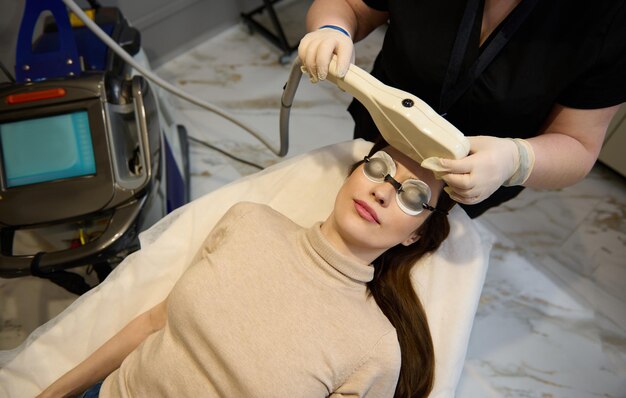
Your Essential Guide to Laser Hair Removal, Tattoo Removal, and Skin Resurfacing Clinic Services
Smooth skin, faded tattoos, and a more even complexion are common goals in the world of health and beauty. Modern laser clinics now bring together laser hair removal, tattoo removal, and skin resurfacing under one roof, offering options that can be tailored to different skin types, lifestyles, and comfort levels.
This guide walks you through how these treatments work, what to expect in a clinic setting, and how to approach them with realistic expectations and informed questions.
Understanding Modern Laser Clinic Services
Laser and energy-based treatments are used for three broad goals:
- Reducing unwanted hair
- Lightening or removing unwanted tattoos
- Improving skin tone, texture, and visible signs of aging or sun damage
Even though these procedures share technology, they differ in key ways: the type of laser, energy settings, treatment depth, and number of sessions. Clinics usually personalize these settings based on your skin tone, hair or ink color, and treatment area.
A typical clinic visit includes:
- A consultation to discuss goals and medical background
- Skin and hair or tattoo assessment
- A treatment plan outlining the number of sessions, spacing, and expected response
- Pre- and post-care guidance to support safe healing
Laser Hair Removal: What to Know Before You Start
Laser hair removal is designed to reduce hair growth over time by targeting the pigment (melanin) in hair follicles. Many people experience long-lasting reduction, but it is usually described as ��hair reduction” rather than permanent, total removal.
How Laser Hair Removal Works
- A focused light beam is directed at the treatment area.
- The light is absorbed by the pigment in the hair shaft and travels down to the follicle.
- This energy heats and damages the follicle, disrupting its ability to regrow hair.
The process works best when there’s a clear contrast between hair and skin color (for example, darker hair on lighter skin), but there are devices and settings designed for darker skin tones and finer hair as well.
Common Treatment Areas
Typical areas include:
- Face (upper lip, chin, sideburns)
- Underarms
- Bikini or Brazilian area
- Legs
- Back and chest
- Arms and hands
Clinics often group areas into “small,” “medium,” and “large,” which can affect pricing and session times.
Number of Sessions and Maintenance
Hair grows in cycles, and lasers usually target hair in the active growth phase. Not every follicle is in this phase at the same time, which is why multiple sessions are commonly used. People typically return every few weeks, depending on the area.
Many individuals notice:
- Gradual thinning of hair
- Slower regrowth
- Patchiness, where some areas stop producing visible hair sooner
Some may choose maintenance sessions once or twice a year (or as recommended) to address scattered regrowth over time.
Who Might Consider Laser Hair Removal?
People commonly explore laser hair removal when they:
- Want to reduce time spent shaving or waxing
- Experience razor bumps, ingrown hairs, or skin irritation from other hair removal methods
- Prefer smoother skin for personal, cultural, or aesthetic reasons
Not everyone is an ideal candidate. Factors that often come up in consultations include:
- Hair color and thickness (very light blond, gray, or red hair can be harder for some lasers to target)
- Skin tone and risk of pigment changes
- Medications or conditions that may increase light sensitivity
What a Typical Session Feels Like
Experiences vary, but many describe:
- A quick, snapping sensation on the skin
- A feeling of warmth or heat in the treated area
- Sessions lasting from several minutes (for small areas) up to an hour or more (for multiple large areas)
Clinics may use cooling air, cooling gel, or chilled applicators to help with comfort.
Tattoo Removal: Lightening Unwanted Ink
Tattoo removal can be more complex than hair removal because it must deal with different ink colors, depths, and densities. Some tattoos can be faded significantly, while others may be more resistant.
How Laser Tattoo Removal Works
- A laser delivers very short pulses of light energy into the skin.
- The ink absorbs this energy and breaks into smaller particles.
- Over time, the body’s natural processes gradually clear these particles from the treated area.
Different wavelengths are used to target different colors. For example:
- Dark inks like black and dark blue are often more responsive
- Lighter colors like yellow, light green, or certain reds may be more challenging and require specialized wavelengths
Professional vs. Amateur Tattoos
Clinics often differentiate between:
- Professional tattoos: Usually deeper in the skin, with dense and even pigment
- Amateur tattoos: Often shallower and less uniformly applied
Professional tattoos may take more sessions to significantly lighten, while some amateur tattoos may respond more quickly due to shallower placement.
What Influences Tattoo Removal Outcomes
Several factors can shape the course of treatment:
- Tattoo age: Older tattoos may have already faded somewhat
- Location on the body: Circulation and skin thickness vary by area
- Ink density and layering (cover-ups often contain multiple layers of pigment)
- Skin tone and risk of pigment changes
Clinics typically space sessions several weeks apart to allow the body time to respond and the skin to recover.
What to Expect During Sessions
Many people describe the sensation as more intense than laser hair removal, often compared to:
- A rubber band snap
- A quick, hot “sting” on each pulse
Clinics may:
- Use cooling devices before and after pulses
- Adjust settings gradually over time
- Provide detailed aftercare guidance (for example, how to keep the area clean and protected as it heals)
The treated area may temporarily appear whiter (frosting), red, or slightly swollen immediately afterward, which generally settles as the skin recovers.
Skin Resurfacing: Renewing Texture, Tone, and Clarity
Laser and energy-based skin resurfacing aim to improve the appearance of:
- Fine lines and wrinkles
- Uneven texture
- Enlarged pores
- Acne scarring
- Sun spots and pigmentation irregularities
- Dull or rough skin
Clinics may use different technologies, including ablative, non-ablative, and fractional lasers, as well as other energy-based devices.
How Skin Resurfacing Works
Although specific devices vary, the general idea is to:
- Create controlled micro-injuries in the skin surface or deeper dermal layers
- Stimulate the body’s natural repair and renewal processes
- Encourage new collagen and elastin production
- Gradually reveal smoother, more even-looking skin over time
Some treatments remove very thin layers of skin (ablative), while others create columns of micro-damage leaving surrounding skin intact (fractional) or focus mainly on heating deeper layers (non-ablative).
Types of Skin Resurfacing Approaches
1. Ablative Lasers
- Remove the top layer of skin in a controlled way
- Often associated with more noticeable short-term downtime
- Aim to improve texture, deeper wrinkles, and scars
2. Non-Ablative Lasers
- Heat the deeper skin layers without removing the top layer
- Often involve milder surface recovery but may need more sessions
- Commonly used for texture, mild wrinkles, and tone
3. Fractional Technologies
- Treat only a fraction of the skin at a time, leaving surrounding tissue intact
- Designed to balance results with recovery time
- Used for scars, pigmentation changes, and general resurfacing
Comparing Laser Hair Removal, Tattoo Removal, and Skin Resurfacing
To see how these treatments differ at a glance, here is a simplified comparison:
| Service | Main Goal | Typical Target | Common Areas | General Session Experience |
|---|---|---|---|---|
| Laser Hair Removal | Reduce hair growth over time | Hair follicles | Face, underarms, legs, bikini, back | Quick pulses, warmth or snaps, multiple short sessions |
| Tattoo Removal | Lighten or remove tattoo ink | Pigment particles | Anywhere tattoos exist | Stronger snapping sensation, spaced sessions over months |
| Skin Resurfacing | Improve tone, texture, and clarity | Skin surface and deeper layers | Face, neck, chest, hands | Warmth, tingling or sunburn-like feeling, variable downtime |
Safety, Skin Types, and Realistic Expectations
Any light- or laser-based treatment should be approached with a safety-first mindset. Clinics typically evaluate:
- Skin type and color (often using recognized scales for skin tone)
- History of pigmentation issues such as hyperpigmentation or keloid scarring
- Medications or topical products that can increase sensitivity
- Recent sun exposure and tanning habits
Why Skin Tone and Hair/Ink Color Matter
Lasers target pigment, so the contrast between your natural skin tone and the target (hair or ink) is critical.
- For hair removal, dark hair on light skin has historically been easier to target, but there are devices and protocols tailored to darker skin tones as well.
- For tattoo removal, dark inks are often more responsive, while lighter or neon colors may require specific wavelengths and more sessions.
- For skin resurfacing, the intensity and depth are often adjusted for darker skin tones to support gradual improvement while aiming to minimize pigment changes.
Setting Expectations
People generally have better experiences with laser treatments when they understand that:
- Results are usually gradual, not instant
- Multiple sessions are common across all three services
- There can be plateaus, where progress slows over time
- Maintenance or touch-up sessions may be part of long-term planning
Clinics often show before-and-after photos under good lighting to help illustrate potential outcomes, while emphasizing that individual responses vary.
What to Ask During a Laser Clinic Consultation
A consultation is your chance to clarify how a clinic approaches safety, customization, and follow-up.
Here are some helpful questions to consider:
General Questions
- Which laser or device types do you use for hair removal, tattoo removal, or resurfacing?
- How do you determine settings for my skin type and concern?
- Who performs the treatment, and what training or qualifications do they have?
For Laser Hair Removal
- How many sessions are typically planned for my hair type and area?
- How do you approach darker skin tones or sensitive areas?
- What is your typical maintenance plan after the initial series?
For Tattoo Removal
- Based on my tattoo’s color, size, and age, what range of sessions might I expect?
- Are there colors in my tattoo that may be harder to remove?
- How much time should I leave between sessions for my skin to recover?
For Skin Resurfacing
- Which type of resurfacing do you recommend for my concerns (texture, pigmentation, scars, fine lines)?
- What kind of downtime should I anticipate (redness, flaking, time off social activities)?
- How soon might I see visible changes, and how long can they continue to evolve?
Safety and Aftercare
- What steps do you take to reduce risk of burns or pigment changes?
- What are your aftercare instructions, and how long should I follow them?
- How do you handle any unexpected skin reactions?
Pre- and Post-Treatment Care: Supporting Your Skin
Laser-based treatments interact directly with your skin’s pigment and structure, so clinics often highlight before and after care as part of the process.
Common Pre-Treatment Guidance
Depending on the treatment type and your skin, clinics may suggest:
- Avoiding recent tanning or self-tanner on the area
- Pausing certain exfoliating or irritating products in the days before (such as strong acids or retinoids)
- Arriving with clean skin (no makeup, lotions, or deodorant on the treatment area)
- Shaving the area before hair removal sessions, if requested
Common Post-Treatment Themes
Aftercare steps vary by treatment intensity, but often include:
- Keeping the area clean and dry initially
- Avoiding picking, scratching, or aggressive exfoliation
- Minimizing sun exposure and using sun protection as directed
- Following any specific topical product guidance provided by the clinic
With more intensive resurfacing, there may be more detailed instructions about cleansing, moisturizing, and protecting the area as it heals.
Practical Tips for Choosing and Planning Treatments
Here is a quick, skimmable list of practical points to keep in mind when exploring laser clinic services:
🔍 Before You Book
- Clarify your goals: hair reduction, fading a tattoo, smoother texture, more even tone—or a combination.
- Gather your history: note any past reactions to cosmetic procedures, existing skin conditions, or medications.
- Ask about technology: different lasers suit different skin tones and concerns.
- Discuss your schedule: consider events, holidays, or work demands when planning sessions and recovery.
💡 During Consultation
- Share photos: if you have older pictures of your tattoo or skin condition, they may help with planning.
- Be honest about sun exposure: this influences safety and timing.
- Ask about all options: including non-laser alternatives that might complement or substitute for certain treatments.
- Request a plan outline: number of sessions, estimated duration, and potential adjustments.
🧴 After Your First Session
- Note how your skin responds in the first few days: redness, sensitivity, or swelling patterns.
- Follow given aftercare closely to support healing.
- Keep a simple record of session dates, settings (if shared), and recovery, so you can track what works well.
Frequently Overlooked Details That Can Make a Difference
Combination Approaches
Some individuals explore combining services over time, such as:
- Laser hair removal followed by milder resurfacing to improve ingrown-prone areas
- Tattoo removal followed by texture-focused treatments if there is scarring from the original tattoo
- Skin resurfacing paired with topical skincare routines recommended by the clinic
Clinics often separate these into distinct phases to allow proper healing between types of treatment.
Lifestyle and Habits
Certain habits can influence both safety and results over time:
- Consistent sun protection can help maintain resurfacing improvements and support safer laser sessions.
- Managing expectations about tanning is important, since many clinics avoid treating recently tanned skin.
- Stable routines (regular sleep, balanced nutrition, stress management) are often highlighted as supportive to skin health in general, even though they are not direct replacements for procedural treatment.
Quick Takeaways for Laser Clinic Services 📝
Use this mini-checklist as you explore clinics and treatment options:
- ✅ Know your primary goal: hair reduction, tattoo lightening, or skin rejuvenation.
- ✅ Understand that multiple sessions are common and results are gradual.
- ✅ Ask how the clinic adapts treatments for your skin tone and specific concerns.
- ✅ Plan around your calendar, since some procedures involve visible redness or flaking.
- ✅ Follow pre- and post-care instructions from the clinic for safer, smoother recovery.
- ✅ Keep expectations realistic: think in terms of improvement, not perfection.
Bringing It All Together
Laser hair removal, tattoo removal, and skin resurfacing sit at the intersection of health and beauty, offering ways to align your outer appearance more closely with how you want to feel in your own skin.
Understanding how these treatments work—what they can do, what they cannot guarantee, and how they are tailored to different skin types—allows you to approach any clinic with clear questions and grounded expectations.
When you view these services as longer-term journeys instead of one-time fixes, it becomes easier to evaluate plans, compare options, and decide what fits your comfort level, lifestyle, and personal goals. Informed, thoughtful choices—supported by transparent communication with your clinic—are the foundation of a positive experience with any advanced skin or laser treatment.