How To Confidently Source and Order Organic Bread and Cakes From Local and Wholesale Bakeries
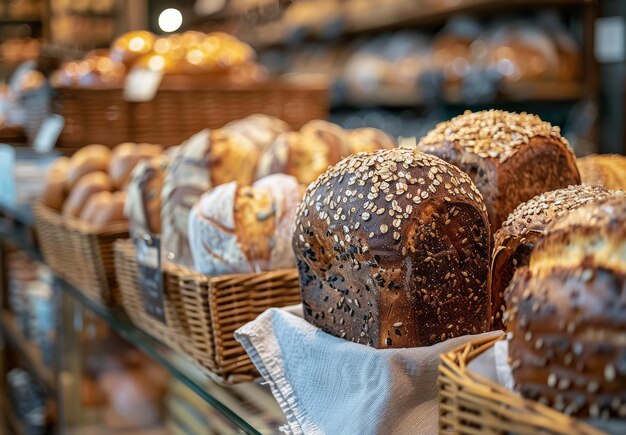
Freshly baked sourdough that actually tastes of grain. A cake that’s rich, tender, and made without synthetic additives. For many people, that’s the appeal of organic bread and cakes—real ingredients, careful sourcing, and flavors that feel closer to home cooking than factory food.
Still, figuring out where to buy organic baked goods—and how to order them confidently from both local and wholesale organic bakeries—can feel confusing. Labels vary, standards differ by country, and ordering in bulk adds another layer of decisions.
This guide walks through the entire process step by step: from understanding what “organic” really means in baked goods, to choosing a bakery, comparing local vs. wholesale options, and placing smooth, stress-free orders for everything from weekday loaves to large event cakes.
What “Organic” Really Means for Bread and Cakes
Before choosing a bakery or placing an order, it helps to understand what “organic” typically covers in the world of baking.
Core ideas behind organic baked goods
In most regions, organic standards for bread and cakes generally focus on:
- How ingredients are grown or produced (e.g., wheat, sugar, eggs, butter)
- Which additives and processing aids are allowed or restricted
- Animal welfare requirements for dairy and eggs
- Traceability in the supply chain
For baked goods, that often translates into:
- Organic grains and flours: Wheat, rye, spelt, oats, or other grains grown under organic farming practices
- Organic dairy and eggs: Milk, butter, cream, and eggs sourced from certified organic farms
- Restricted additives: Many synthetic colors, flavors, and preservatives are limited or not used in certified organic baking
Certification details vary by country or region, but most systems involve regular inspection and documentation.
“100% organic” vs. “made with organic”
On labels and menus, wording matters. You might see:
- “100% organic”: Almost all ingredients are certified organic, with only a small set of allowed non-organic processing aids (depending on local rules).
- “Organic”: A high percentage of ingredients (often most of them) are organic, with some permitted non-organic ingredients.
- “Made with organic ingredients”: Only certain components are organic; the product as a whole may not meet the stricter “organic” threshold.
Bakeries may not always list these exact phrases on a loaf or cake box, especially when selling in-store, but asking what portion of ingredients are organic can clarify what you’re buying.
Ingredients to look for (and ask about)
When sourcing organic bread and cakes, many people focus on:
- Flours: Whole wheat, white wheat, rye, spelt, or gluten-free flours like buckwheat or rice flour
- Sweeteners: Organic cane sugar, coconut sugar, honey, maple syrup
- Fats: Organic butter, ghee, olive oil, sunflower oil, coconut oil
- Leavening: Natural sourdough starter, yeast, or baking powder/baking soda
- Flavorings: Real vanilla, cocoa, spices, fruit, nuts
It can also be helpful to ask whether a bakery avoids highly artificial colors, flavors, and preservatives, even if they are not strictly prohibited in all organic standards.
Finding Local Organic Bakeries: Where and How to Search
The easiest place to start sourcing organic bread and cakes is usually close to home. Local bakeries often have more transparency, more flexibility, and simpler logistics than distant suppliers.
Places to look for local organic bakeries
You can often find organic bakeries through several routes:
- Neighborhood bakery shops: Many independent bakeries specialize in naturally leavened or organic breads and pastries.
- Farmers’ markets: These often host bakers who use locally milled organic flour or organic eggs and dairy.
- Food co-ops and organic grocery stores: Co-ops often feature breads from nearby organic or “natural” bakeries on their shelves.
- Community notice boards: Local cafés, yoga studios, or health-focused grocers may display flyers for cottage bakers or subscription bread services.
- Word of mouth: Asking neighbors, coworkers, or local social groups can surface cottage bakers or micro-bakeries not visible online.
Questions to ask when you discover a new bakery
Once you’ve found a potential spot, a quick conversation can tell you a lot. Helpful questions include:
- “Which of your breads and cakes are fully organic?”
- “Are all of your flours organic, or only some of them?”
- “Do you use organic dairy, eggs, and sweeteners?”
- “Do you bake in a facility that also handles non-organic products?”
- “How do you handle allergens like gluten, nuts, or dairy?”
If the bakery is certified organic, staff can usually explain what that certification covers. Some small bakers choose not to be certified due to cost but still use organic or locally grown ingredients; in those cases, transparency and consistency become especially important.
Evaluating Organic Bakeries: Quality, Ethics, and Fit
Once you’ve found some options, the next step is deciding which bakery (or bakeries) are a good fit for your needs.
Factors to consider when choosing a bakery
🔍 Key evaluation points
Ingredient sourcing
- Are primary ingredients (flour, sugar, eggs, dairy) organic?
- Do they use local mills or farms where possible?
- Are flavorings (vanilla, chocolate, fruits) also organic or high quality?
Baking methods
- Do they use long fermentation for sourdough or rustic breads?
- Are cakes made from scratch or from premixes?
- Do they avoid unnecessary stabilizers, colorants, and artificial flavors?
Transparency
- Is the ingredient list easily available for each product?
- Can they explain which items are fully organic vs. partially organic?
- Are they open about allergen handling and cross-contact risks?
Freshness and consistency
- How often do they bake? (Daily, several times per week, only by order?)
- Are breads and cakes consistently similar in structure and flavor?
Ethical and environmental choices
- Do they minimize packaging or use recyclable or compostable materials?
- Do they support local farmers, fair-trade chocolate, or similar initiatives?
Doing a “taste and texture” trial
Before committing to regular orders or large quantities, many people like to do an informal test:
Buy a variety of items:
- One or two everyday breads (e.g., sourdough, whole wheat)
- One specialty loaf (e.g., rye, seed loaf, gluten-free option)
- One or two cakes or pastries
Evaluate at home:
- Crumb and crust for bread: springiness, moisture, structure
- Flavor balance: sweetness, saltiness, sourness
- Shelf life: how the bread or cake holds up over one or two days
Note what you enjoy most and where you would like adjustments (less sweet, less dense, different grains, etc.). Many small bakeries can tweak future orders based on feedback, especially for recurring or wholesale customers.
Local vs. Wholesale Organic Bakeries: What’s the Difference?
As your needs grow—from weekly loaves to event catering or business supply—you might start comparing local retail bakeries with wholesale organic bakeries. Both have advantages, and some businesses operate in both spaces.
Typical differences at a glance
| Aspect | Local Retail Organic Bakery | Wholesale Organic Bakery |
|---|---|---|
| Primary customers | Individuals, households, small events | Cafés, restaurants, caterers, shops, institutions |
| Order size | Single loaves, cakes, small custom orders | Bulk loaves, large pastry batches, multiple cakes |
| Pricing | Higher per item, flexible for small quantities | Lower per unit with minimum order or contract |
| Customization | High for one-off cakes, occasional custom recipes | High for recurring orders; may require volume |
| Lead time | 1–7 days for special orders | Often 3–14 days, plus regular standing orders |
| Delivery | Pick-up focused, limited delivery | Structured delivery routes and schedules |
| Packaging | Consumer-ready, decorative for cakes | Bulk boxes, trays, simple protective packaging |
Some wholesale bakeries also offer retail storefronts or “factory shops.” Others only sell through business accounts, so you may encounter them indirectly via cafés or grocery shelves.
How to Order From a Local Organic Bakery
Once you’ve identified a bakery you trust, ordering becomes much simpler. Here’s how to approach both everyday and special-occasion orders.
Ordering everyday organic bread and pastries
For your weekly bread, breakfast pastries, or weekend treats:
Check the baking schedule
- Many bakeries have specific days for certain loaves or pastries.
- If your favorite organic rye is only baked twice a week, planning ahead helps.
Pre-order where possible
- Calling or ordering in advance often ensures availability.
- Some bakeries offer bread subscriptions or standing weekly orders.
Clarify any ingredient preferences
- If you prefer fully organic items, ask which products meet that standard.
- If you avoid certain oils or sweeteners, clarify this at the time of ordering.
Confirm pick-up and storage instructions
- Check when your items will be ready.
- Ask how best to store the bread or cake to maintain quality (room temperature vs. refrigeration, freezing options).
Ordering organic cakes for birthdays and celebrations
Special-occasion cakes often involve more decisions. Key steps include:
Define your basics
- Size and servings: how many people you want to serve.
- Shape: round, square, sheet cake, or tiered.
- Flavors: cake flavor (vanilla, chocolate, carrot, lemon, etc.), fillings, frostings.
Ask which elements are organic
- Confirm whether the cake layers, fillings, and decorations all use organic ingredients.
- Some decorations (e.g., vivid colored sprinkles, certain fondants) may be non-organic even in an otherwise organic cake.
Discuss dietary needs
- If you need egg-free, dairy-free, gluten-free, or nut-free options, clarify what is possible and what is not.
- If cross-contact is a concern, ask about their environment (shared equipment, ovens, etc.).
Set timelines and approvals
- Many bakeries prefer at least 5–14 days’ notice for custom cakes, especially during busy seasons.
- Provide reference photos for design style, but be open to the bakery’s own decoration approach.
Confirm pricing and payment
- Discuss price ranges for organic ingredients, custom designs, and delivery (if available).
- Some bakeries request deposits for large or detailed cake orders.
How to Work With Wholesale Organic Bakeries
If you run a café, restaurant, catering service, workplace canteen, or food retail business, a wholesale organic bakery can become a long-term partner. The ordering process is more structured but can be very efficient once established.
Identifying suitable wholesale partners
Businesses typically look for wholesale bakeries that:
- Offer a consistent line of organic breads and cakes that match their menu or retail niche
- Can supply reliable quantities on a regular schedule
- Provide clear ingredient and allergen information for menu labeling
- Have certifications aligned with your region’s organic standards, if required
You might discover such bakeries by:
- Contacting manufacturers listed on organic bread or cake packaging in stores
- Asking other local businesses which bakeries they use
- Checking business directories or trade organizations focusing on food or hospitality
Setting up a wholesale relationship
Once you’ve found a potential bakery, the process often looks like this:
Initial conversation or inquiry
- Introduce your business, expected volume, and type of products needed.
- Ask for a product list including which items are organic, partially organic, or conventional.
Sampling and trial orders
- Request samples or place a small paid trial order of a variety of baked goods.
- Evaluate taste, appearance, shelf life, and packaging suitability for your setting.
Discuss logistics
- Minimum order quantities and frequency (daily, several times weekly, weekly).
- Delivery schedule and areas served; cut-off times for next-day orders.
- Lead times for custom breads or bespoke cakes.
Clarify pricing and terms
- Unit prices, volume discounts, standing order arrangements.
- Payment terms and methods (e.g., monthly invoicing vs. prepayment).
Agree on labeling and documentation
- Ingredient lists and allergen declarations for each product.
- Proof of organic certification where applicable.
Set up communication channels
- Establish how to place orders (online portal, email, phone).
- Decide who the main contacts will be on both sides.
Benefits and trade-offs of wholesale ordering
✅ Potential benefits:
- Cost efficiency at higher volumes
- Consistency in flavor and appearance across locations or events
- Predictable delivery schedules that align with your service times
- Access to special products not widely available to retail consumers
⚖️ Potential trade-offs:
- Minimum order sizes that may exceed very small needs
- Less flexibility for last-minute changes
- More basic packaging compared to decorative retail presentation
Planning Quantities: How Much Organic Bread and Cake to Order
Whether you’re feeding a family, planning a party, or serving customers, estimating how much to order helps avoid waste or shortages. These are general planning ideas rather than rules.
Everyday and family use
For household bread:
- Many people find one medium loaf supplies bread for several days for a small household, depending on how often it’s used.
- If you like maximum freshness, you can order smaller loaves more frequently instead of a large order once a week.
- If you plan to freeze, slice the bread first so you can toast or thaw only what you need.
For treats:
- Single-layer 8–9 inch cakes often suit small family gatherings.
- A few pastries per person is usually enough for a relaxed weekend brunch or special breakfast.
Parties, events, and catering
When planning organic baked goods for events, people often think in terms of servings per person:
- Cake: Depending on slice size, a standard two-layer round cake may serve a small group, while a sheet cake can serve a medium to large group.
- Bread for buffets (e.g., for sandwiches or cheese boards):
- A single full-size loaf can often provide enough slices for several people, but the actual number depends on slice thickness and appetite.
- For mixed bread baskets, variety usually matters more than precise numbers; ordering several types in moderate quantities often works well.
When working with a bakery, describing the type of event and style of serving (formal sit-down, casual buffet, light refreshments) helps them suggest appropriate quantities and formats.
Shipping, Delivery, and Storage Considerations
Organic bread and cakes are perishable and typically contain fewer preservatives than industrial products. That makes delivery and storage especially important.
Delivery and shipping options
Local bakeries may offer:
- In-store pickup only
- Local delivery within certain zones, often for a fee and with minimum order values
Wholesale bakeries may offer:
- Regular delivery routes for business customers
- Early morning deliveries for cafés and restaurants
If ordering from farther away:
- Some bakeries ship bread partially baked (“par-baked”) to be finished on-site.
- Cakes are more sensitive; long-distance shipping is often limited to specific designs that travel well, or to frozen products.
Storage tips for organic bread
General trends people notice with organic bread:
- Room temperature is usually better than refrigeration for fresh artisan loaves, as chilled bread can become stale more quickly.
- Paper bags or breathable bags help maintain crust texture; sealing in plastic can soften the crust but keep the crumb moist.
- Freezing is common for longer storage:
- Slice the bread first.
- Wrap tightly, or place in a sealed freezer bag.
- Toast or reheat slices directly from frozen as needed.
Storage tips for organic cakes
Storage depends strongly on ingredients and decoration:
- Buttercream or ganache cakes: Often kept at cool room temperature for short periods, then refrigerated if holding longer.
- Fresh fruit, whipped cream, or cream cheese frostings: Usually require refrigeration.
- Naked or semi-naked cakes (with less frosting) may dry out more quickly and often benefit from careful wrapping or cake boxes.
Bakeries typically provide specific storage guidance with each cake. Following their instructions tends to preserve texture and flavor best.
Key Questions to Ask Any Organic Bakery (Cheat Sheet)
Here’s a quick reference you can use when contacting a bakery in person, by phone, or by email.
📝 Handy question list
Ingredients & sourcing
- Which of your breads and cakes are 100% organic?
- Are your flours, sweeteners, dairy, and eggs all certified organic?
- Do you use any artificial colors, flavors, or preservatives?
Production and certification
- Are you certified organic, or do you simply use organic ingredients?
- Do you produce both organic and non-organic items in the same facility?
Allergens and special diets
- How do you handle gluten, nuts, dairy, eggs, and soy?
- Can you provide options that are gluten-free, vegan, or allergen-friendly?
- Is there a risk of cross-contact with allergens?
Ordering and logistics
- How far in advance should I order custom cakes or large bread orders?
- What are your minimum order quantities for wholesale or bulk?
- Do you offer delivery, and to which areas?
Storage and serving
- How should I store this bread or cake once I take it home?
- How long does it usually stay at its best quality?
Having these questions ready helps you quickly understand whether a particular bakery aligns with what you need.
Quick Takeaways for Sourcing and Ordering Organic Baked Goods
To make this practical, here’s a concise summary of key points you can apply right away.
🎯 At-a-glance tips
Clarify what “organic” means at each bakery
- Ask if all major ingredients are organic or only some.
- Look for transparency in ingredients and sourcing.
Start local when you can
- Visit neighborhood bakeries, farmers’ markets, and co-ops.
- Taste a variety of items before committing to regular orders.
Match the bakery to your needs
- Use local retail bakeries for household use and special-occasion cakes.
- Consider wholesale bakeries for cafés, restaurants, or large events.
Plan ahead for larger orders
- Give bakeries several days’ notice for custom cakes or bulk bread.
- Discuss flavors, sizes, dietary needs, and serving style in detail.
Understand logistics
- Confirm delivery options, time windows, and any minimums.
- Ask for guidance on storing bread and cakes once you receive them.
Build ongoing relationships
- Provide feedback on taste, texture, and presentation.
- Long-term collaboration often leads to better customization and more reliable supply.
Bringing more organic bread and cakes into your life or your business does not require guesswork or blind trust. With a clear understanding of what “organic” can mean in baking, a few targeted questions, and some thoughtful planning around quantities and timing, you can source baked goods that align with your values, taste preferences, and scale—whether you are feeding a family of four or a full dining room.
Over time, the connection you build with local and wholesale organic bakeries can become more than a supply arrangement. It often evolves into a collaborative partnership, where your feedback helps shape new breads, pastries, and cakes, and their craft brings reliable, thoughtfully made food to your table.