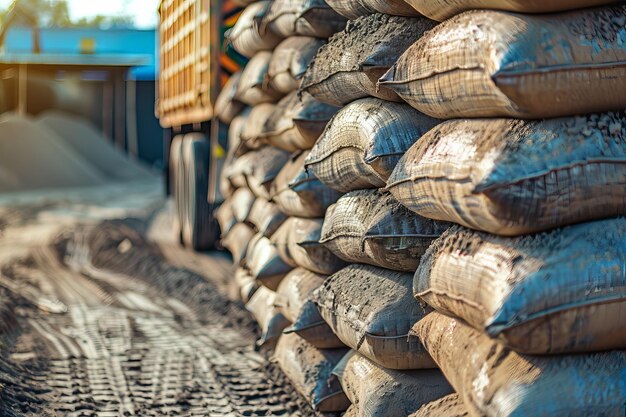
Buying Raw Sugar in Bulk From Brazil: A Practical Guide for Food & Beverage Buyers
If you work in food and beverage, sugar is rarely just “another ingredient.” It affects your product cost, flavor profile, labeling, and even your supply-chain risk. Because Brazil is one of the world’s largest raw sugar producers and exporters, many manufacturers, traders, and distributors look there first when sourcing bulk sugar.
Yet moving from idea to action—actually sourcing and buying raw sugar in bulk from Brazil sugar exporters—can feel complex. There are questions about quality, contracts, logistics, regulations, and payment terms, all layered over international trade.
This guide walks through the process in clear, practical steps, so you understand how the trade typically works and what experienced buyers often look for.
Understanding Brazilian Raw Sugar and Why It Matters
What “raw sugar” from Brazil usually means
In international trade, raw sugar generally refers to unrefined cane sugar that has been extracted, partially purified, and crystallized, but not processed into white refined sugar. It often looks brownish or golden and still contains some molasses.
Common trade references you may encounter include:
- VHP raw sugar (Very High Polarization) – often around 99+ degrees polarization, low moisture. This is a common export grade.
- ICUMSA descriptions – a color classification system that may be referenced in contracts for refined sugar. For raw sugar, texture, polarization, ash, and moisture are more central than “bright white” color.
For food and beverage manufacturers, raw sugar can be:
- A feedstock for refineries, which then produce white sugar.
- An ingredient in beverages, bakery items, confectionery, and processed foods, where the mild molasses flavor and color can be part of the product’s character.
Why Brazil is a key origin for bulk raw sugar
Brazil is known globally for sugarcane cultivation and export. From a buyer’s perspective, that typically means:
- Large, consistent volumes are available.
- There is a developed logistics infrastructure—ports, terminals, storage—for sugar exports.
- A relatively competitive pricing environment, influenced by global markets, currency swings, and crop conditions.
- A wide network of exporters, mills, and trading houses, from large multinationals to specialized Brazilian sugar exporters.
For food and beverage buyers, this combination makes Brazil a natural focus when planning medium- to long-term sugar sourcing strategies.
Step 1: Clarify Your Own Requirements Before Contacting Exporters
Before approaching any Brazilian sugar exporter, it is useful to clearly define your needs. This reduces back-and-forth and helps you assess which suppliers are a good fit.
Key specifications to define
Sugar type and quality
- Raw cane sugar (often VHP) vs. other grades.
- Desired polarization (e.g., “very high polarization raw sugar suitable for refining”).
- Moisture limits.
- Ash content and other technical parameters.
- Any specific quality certificates you need (e.g., kosher, halal, non-GMO, organic).
Intended use
- Refining and further processing.
- Direct use in beverages, confectionery, bakery, or industrial food applications.
Volume and delivery pattern
- One-off bulk shipment vs. contracted volumes over 6–12 months.
- Minimum and maximum tonnage per shipment you can handle.
- Preferred shipment schedule (monthly, quarterly, etc.).
Packaging and handling
- Bulk shipments in vessel holds.
- Containerized bulk (e.g., in lined containers).
- Bags (e.g., 50 kg or 1,000–1,200 kg big bags) if you need easier downstream handling.
Destination details
- Final destination port (or nearest seaport).
- Any specific port restrictions (draft limits, handling equipment, fumigation requirements).
Compliance and documentation needs
- Certificates needed for import clearance in your country.
- Specific labeling or origin requirements.
- Any sustainability or traceability criteria.
Having this information ready makes your first contacts with Brazilian exporters more productive and helps filter suppliers who cannot meet your basic needs.
Step 2: Map Out the Types of Brazilian Sugar Exporters You May Work With
Not all sugar exporters operate in the same way. Understanding the categories can help you decide who you want to approach.
1. Sugar mills and producer-exporters
Some sugar mills in Brazil export directly. They:
- Have direct control over production, from cane processing to raw sugar output.
- May offer longer-term supply arrangements due to their control of physical capacity.
- Can sometimes be more flexible on technical specifications if they adjust processes at the mill.
However, they may have:
- More limited commercial structures abroad.
- A specific focus on certain ports and logistics chains.
2. Trading houses and commodity traders
Global and regional trading companies often play a significant role. They:
- Aggregate sugar from multiple mills.
- Provide risk management tools (such as hedging via sugar futures, where allowed and relevant).
- Offer logistics solutions, including storage and multiple delivery options.
- Sometimes maintain inventories near destination markets, enabling shorter lead times.
For buyers, traders can be useful for:
- Smoothing supply if one mill faces production issues.
- Navigating international contracts and standard trading terms.
- Accessing market intelligence about price trends and regional availability.
3. Sugar brokers and agents
Brokers and intermediaries typically:
- Match sugar buyers with Brazilian exporters.
- Assist in communication, negotiation, and sometimes contract execution.
- Charge a commission, often from the seller side.
They can be helpful when:
- You are new to the market and need introductions.
- There is a language or cultural gap between your team and Brazilian producers.
However, it is still useful to clearly understand who the actual contractual counterparty will be and what due diligence you need to perform.
Step 3: Identify and Vet Potential Brazil Sugar Exporters
Where buyers often start the search
Food and beverage buyers commonly:
- Use industry directories and trade listings to find sugar exporters.
- Attend food, beverage, and commodities trade fairs with strong Latin American or Brazilian participation.
- Approach banks or logistics providers familiar with Brazil, who may know reputable exporters.
- Rely on existing business networks—referrals from other manufacturers, co-packers, or distributors.
Once you have a shortlist, the next step is structured vetting.
What to review during exporter due diligence
When evaluating Brazilian sugar exporters, buyers frequently look at:
Company background
- Years in operation.
- Core products and export markets.
- Whether they are mill-owned, part of a trading group, or independent.
Certification and compliance
- Food safety management systems (such as widely recognized standards).
- Organic, kosher, halal, or other voluntary certifications, if relevant.
- Evidence of compliance with Brazilian regulations and export controls.
Operational capability
- Export volumes handled annually.
- Main ports of loading (e.g., Santos, Paranaguá, Maceió, etc.).
- Availability of quality control labs or third-party inspection arrangements.
Financial stability and reputation
- Trade references from other buyers, where available.
- Bank references or credit information, if obtainable.
- General reputation within the sugar trade community.
Communication and transparency
- Responsiveness to specifications, questions, and documentation requests.
- Clarity on pricing formulas and terms.
- Willingness to agree on inspection and quality verification.
This kind of background work helps reduce risk before you commit to a large-volume contract.
Step 4: Understand Pricing, Incoterms, and Contract Basics
How raw sugar pricing is often structured
Bulk raw sugar pricing from Brazil typically reflects:
- A reference price linked to international sugar markets (where legally and commercially appropriate).
- A premium or discount based on:
- Quality and specifications.
- Origin and port.
- Packaging type.
- Volume, contract length, and credit terms.
- Logistics and Incoterms®, which define who pays for what.
Pricing is usually quoted per metric ton. For planning, it is useful to look at:
- The base price (e.g., FOB main Brazilian port).
- Additional freight cost for CFR/CIF terms.
- Any surcharges (e.g., for bags, special packaging, or small lots).
Common Incoterms® used in sugar exports
While any Incoterm can be used by agreement, some are particularly common in sugar trade:
- FOB (Free On Board) – Seller loads the sugar on the vessel at the Brazilian port. Buyer pays for freight, insurance, and later costs.
- CFR (Cost and Freight) – Seller pays for sugar and ocean freight; risk usually passes upon loading. Buyer arranges insurance.
- CIF (Cost, Insurance and Freight) – Similar to CFR, but seller also arranges marine insurance.
Containerized shipments may also use:
- FCA (Free Carrier) or CPT (Carriage Paid To) for multimodal transport.
📝 Quick Incoterm tip:
- FOB can offer more control over freight and insurance but requires you to manage shipping.
- CFR/CIF can simplify operations for buyers newer to maritime logistics, while still requiring clarity on risk transfer and responsibilities.
Key elements often included in sugar purchase contracts
Typical raw sugar contracts between buyers and Brazilian exporters include:
Product description
- Type (e.g., raw cane sugar, VHP).
- Detailed specifications and tolerances.
- Allowed variation in weight and quality.
Quantity and shipment schedule
- Total contract tonnage.
- Shipment windows and any allowable +/- tolerance.
Price and payment terms
- Price per metric ton and currency.
- Incoterm and named port.
- Payment method (e.g., letter of credit, documentary collection, bank transfer).
- Timelines for payment relative to shipping and documentation.
Quality and inspection
- Which party appoints inspection companies.
- When and where quality is determined (e.g., at loading port).
- Process for handling quality disputes.
Documentation
- Commercial invoice.
- Packing list, weight certificates.
- Bill of lading.
- Certificates of origin and quality.
- Any special certificates required by the importing country.
Force majeure and default clauses
- How unforeseen events affecting production or shipment are handled.
- Remedies and procedures if either party fails to perform.
Understanding these terms helps you compare offers from different exporters more effectively.
Step 5: Navigate Quality Control and Technical Specifications
Raw sugar is a technical product, and consistent quality is important for manufacturing.
Typical quality parameters for Brazilian raw sugar
While every contract is specific, buyers and exporters often refer to:
- Polarization – Indicates sucrose content and purity.
- Moisture – Affects shelf life, caking, and handling.
- Ash content – Relates to mineral and non-sugar components.
- Color and appearance – While less critical than for refined sugar, may matter for some applications.
- Solubility and impurity levels.
- Odor and foreign matter – Should be clean and free from off-odors or contaminants.
Technical data sheets and samples can help align expectations before any long-term agreement.
Inspection and testing practices
To ensure that sugar matches contract specifications, buyers and exporters often arrange:
Independent inspection companies to:
- Supervise weighing and sampling at loading.
- Perform laboratory analysis on representative samples.
- Issue a certificate of quality and weight.
Retained samples stored by both sides (or a third party) for a set period, in case of quality disputes.
Clear agreement on:
- Which certificate is binding for payment and claims.
- The tolerances for deviations in quality parameters.
…helps reduce misunderstandings and delays.
Step 6: Plan Logistics From Brazil to Your Destination
Brazilian export logistics basics
Brazil’s sugar exports are typically handled through major ports with specialized infrastructure. Practical aspects include:
Port of loading
- Common sugar ports may include major hubs in the Southeast, Northeast, or Center-South regions.
- Port selection affects freight rates, transit times, and seasonal congestion.
Storage and loading
- Sugar can be held in warehouses, silos, or terminals before loading.
- Bulk sugar is usually loaded via conveyor systems or grabs, depending on port facilities.
Vessel type
- Bulk carriers for large shipments.
- Container ships if sugar is shipped in bags or containerized bulk.
Buyer-side logistics considerations
From your side, key questions include:
Port handling capability at destination
- Can your receiving port handle bulk raw sugar?
- Do you need bagged or containerized sugar due to port limitations?
Inland transport
- Truck, rail, or barge options from port to your facility.
- Handling equipment for unloading and storage.
Storage conditions
- Dry, well-ventilated facilities to prevent caking or microbial growth.
- Pest control and hygiene practices suitable for food ingredients.
Lead times and planning
- Typical ocean transit times can vary widely based on region.
- Seasonal weather patterns, such as rainy seasons or storms, may affect schedules.
For many food and beverage buyers, working closely with freight forwarders or logistics providers helps to coordinate these moving parts.
Step 7: Understand Regulatory, Customs, and Food Safety Requirements
Import regulations for sugar in your country
Rules differ by destination, but importers of Brazilian raw sugar commonly encounter:
- Tariffs and duties
- Some countries apply specific tariffs or quotas on sugar imports.
- Licensing and quotas
- Import licenses, tariff quota allocations, or similar controls.
- Food safety rules
- Maximum residue limits, contaminant thresholds, and microbiological criteria.
- Documentation requirements
- Specific forms of certificate of origin.
- Health or sanitary certificates if required.
Prior consultation with a customs broker or trade compliance specialist in your country is often used to clarify:
- Which documents customs will expect.
- Whether there are special labeling or reporting requirements.
- Any restrictions on genetically modified organisms, if relevant.
Food safety and traceability expectations
Raw sugar is usually considered a relatively stable shelf-stable ingredient, but food safety requirements still apply. Buyers may look for:
- Supplier adherence to recognized food safety management systems.
- Clearly defined traceability, from mill to shipment.
- Procedures for recall or quality issue management, should something go wrong.
This becomes particularly important for brands that emphasize transparency or sustainable sourcing.
Step 8: Payment, Risk, and Relationship Management
Common payment methods used with Brazil sugar exporters
In international sugar trade, payment methods often include:
- Irrevocable letters of credit (L/C)
- A bank commitment to pay the seller upon presentation of conforming documents.
- Often used when the parties are building trust or dealing with large values.
- Documentary collections
- Seller’s bank forwards shipping documents against payment or acceptance from buyer.
- Open account or bank transfer
- Sometimes used in long-established relationships with trust and stable credit.
Each method involves:
- Different risk levels for buyer and seller.
- Different costs and administrative complexity.
Many buyers discuss payment structures with their banking partners to align cash flow, risk tolerance, and trade finance options.
Managing currency and price risk
Because sugar is usually priced in international currencies (often USD) and affected by commodity markets:
- Exchange rate movements can impact your local currency cost.
- Sugar market fluctuations can affect future contract pricing.
Companies often:
- Spread purchases over time.
- Consider contract structures that provide predictable pricing for specific periods.
- Monitor exchange rates and, where appropriate, consult financial advisors or internal treasury teams about hedging.
Building long-term exporter relationships
Beyond a single transaction, many food and beverage firms benefit from long-term sugar supplier relationships, which can:
- Improve supply reliability during tight markets.
- Make it easier to collaborate on quality improvements or specification changes.
- Facilitate smoother logistics and clearer communication.
Open, consistent communication—including feedback on deliveries, documentation, and performance—helps maintain these relationships.
Quick Reference: Key Steps to Source Bulk Raw Sugar From Brazil
Below is a simplified overview you can use as a checklist.
🧾 Buyer’s action checklist
✅ Define your needs
- Target sugar type (e.g., VHP raw cane sugar).
- Quality parameters, certifications, and intended use.
- Volume, delivery schedule, packaging, and destination port.
✅ Shortlist potential suppliers
- Mills, traders, or brokers that focus on Brazilian raw sugar.
- Confirm certifications, export experience, and port access.
✅ Conduct due diligence
- Review reputation, references, and operational capacity.
- Align on technical specifications and documentation capabilities.
✅ Negotiate commercial terms
- Price basis and Incoterms® (FOB, CFR, CIF, etc.).
- Payment terms and type (L/C, collection, transfer).
- Quality, inspection, and dispute mechanisms.
✅ Set up logistics and compliance
- Confirm port handling and inland transport.
- Coordinate with customs brokers about import requirements.
- Ensure suitable storage and food safety practices.
✅ Execute and monitor
- Track shipment milestones and documentation flow.
- Review quality certificates versus specs.
- Gather feedback for future contract improvements.
Practical Tips for First-Time Buyers of Brazilian Raw Sugar
For organizations new to this market, a few practical points often make a difference:
Start with a pilot shipment where possible
A smaller initial cargo (within feasible economic limits) can:- Test logistics from Brazilian port to your facility.
- Validate that quality parameters meet your process needs.
- Reveal any documentation or customs challenges.
Be precise in specifications, but realistic in tolerances
Very tight tolerances can increase cost or limit the pool of potential suppliers. Experienced buyers balance:- The technical needs of their applications.
- The commercial feasibility of what exporters can consistently deliver.
Give attention to moisture and storage design
Raw sugar can caking or degrade if stored under high humidity or poor ventilation. Planning:- Appropriate warehouse conditions.
- Handling practices that minimize moisture exposure.
Align legal and commercial teams early
Contracts for bulk sugar often include specialized terms. Coordinating:- Procurement, legal, logistics, and finance teams internally.
- Helps identify potential issues before signing.
Maintain a clear communication line with your exporter
Regular updates on:- Vessel bookings.
- Shipment timelines.
- Documentation progress. …allow you to anticipate delays rather than react to them.
Bringing It All Together
Sourcing and buying raw sugar in bulk from Brazil sugar exporters is a multi-step process involving technical specifications, supplier vetting, pricing and contract negotiation, logistics planning, and regulatory compliance. While it may seem intricate at first, the process becomes more manageable when broken into clear stages:
- Know exactly what you need in terms of product, volume, and timing.
- Identify the right type of partner—mill, trader, or broker—and evaluate them thoroughly.
- Negotiate clear, detailed contracts that define quality, responsibilities, and documentation.
- Coordinate logistics and customs so sugar moves smoothly from Brazilian port to your facility.
- Monitor performance and build relationships that support reliable long-term sourcing.
For many food and beverage companies, Brazil remains a central origin in global sugar supply chains. With structured preparation and informed decision-making, buyers can integrate Brazilian raw sugar into their ingredient strategy in a way that supports both operational needs and long-term business goals.