Finding the Best Pho Near You (and Ordering Vietnamese Food Online Like a Pro)
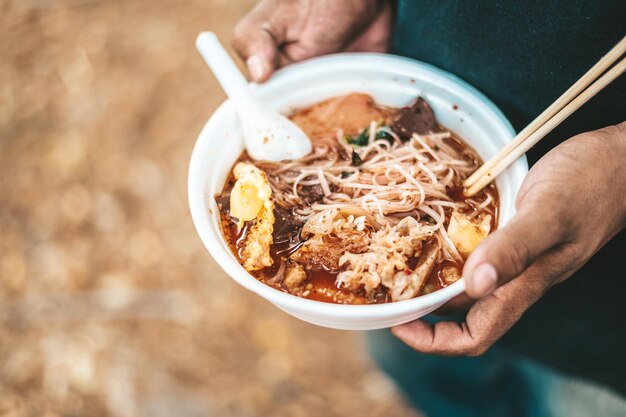
Steam rising from a fragrant bowl of broth, silky rice noodles, fresh herbs, and tender slices of beef or chicken—pho is one of those dishes that feels like comfort, adventure, and everyday food all at once. Whether you’re craving a quick lunch, a cozy dinner at home, or something warm on a rainy night, knowing how to find good pho near you and how to order Vietnamese food online or for takeout can turn an ordinary day into something memorable.
This guide walks through how to spot great pho, navigate restaurant menus and delivery apps, and order confidently—whether you’re a first-timer or a long-time fan looking to upgrade your pho game.
What Makes a Great Bowl of Pho?
Before you search for “best pho near me,” it helps to know what you’re actually looking for. Pho can vary a lot from place to place, and understanding the basics makes it easier to spot quality—even from a menu photo.
The Building Blocks of Pho
A typical bowl of pho includes:
- Broth (nước dùng) – The soul of the dish, usually beef or chicken-based, simmered with aromatics.
- Rice noodles (bánh phở) – Flat, white rice noodles that should be tender but not mushy.
- Protein – Commonly beef (pho bò) or chicken (pho gà), with variations in cut and style.
- Herbs and garnishes – Bean sprouts, Thai basil, cilantro, scallions, lime, and sometimes jalapeños or chilies.
- Condiments – Hoisin sauce, chili sauce, fish sauce, and sometimes chili oil.
Signs of High-Quality Pho
You can often judge pho quality through a few simple cues:
Broth clarity and aroma
- Clear or gently amber, not cloudy or greasy.
- Fragrant with spices (like star anise, cinnamon, clove) but not overpowering.
- Savory and deep in flavor without tasting overly salty.
Noodle texture
- Soft but springy.
- Doesn’t clump together.
- Holds shape in hot broth.
Protein freshness
- Beef or chicken looks fresh and well-sliced.
- Rare beef (if offered) is bright red before cooking in the broth, not dull.
- Meatballs (if included) are firm but not rubbery.
Clean, fresh garnishes
- Herbs are vibrant, not wilted.
- Bean sprouts are crisp.
- Lime wedges are juicy and bright.
When you’re ordering online, you can look for photos and reviews that describe these qualities—especially comments about the broth and freshness.
How to Search for the Best Pho Near You
Typing “pho near me” into a map or delivery app is just the first step. The difference between a random bowl and a great one often comes from how you read the signs before you order.
Use Location Tools (But Read Beyond Star Ratings)
Most people start with:
- Map apps
- Review platforms
- Food delivery apps
These are useful, but star ratings alone don’t tell the full story. Instead, focus on:
- Recent reviews – Look for comments from the last few weeks or months.
- Pho-specific feedback – Filter or search within reviews for “pho” or “broth.”
- Photos of the dish – They can reveal portion sizes, garnish freshness, and how the broth looks.
A pho spot with slightly lower overall ratings but glowing comments specifically about the pho might be a better choice than a general crowd-pleaser where pho is just an afterthought.
Look at the Menu for Clues
A menu can reveal how seriously a restaurant takes its pho:
- Dedicated pho section – Suggests it’s a core specialty.
- Variety of pho options – Different cuts of beef, chicken, or even regional styles.
- Other Vietnamese dishes – Fresh rolls, bún (vermicelli bowls), cơm (rice plates), and more can indicate a broader commitment to Vietnamese cuisine.
If pho is one of many pan-Asian dishes without much detail, it can still be good—but if you’re focused on finding the best pho, a more pho-focused or Vietnamese-focused menu is often promising.
Pay Attention to Turnover and Hours
From a consumer perspective, a few patterns often signal quality:
- Busy during meal times – Frequent orders and crowded tables can align with fresher broth and ingredients.
- Consistent opening hours – Restaurants that regularly serve lunch and dinner often have a steady cooking rhythm for pho.
When using delivery apps, you might notice which places are popular at peak hours or have a lot of “most ordered” pho items.
Understanding Different Types of Pho
Knowing what you’re ordering helps you get exactly the kind of bowl you want—rich or light, traditional or adventurous.
Pho by Protein
Pho Bò (Beef Pho)
The most common version outside Vietnam. Some usual options:- Tái – Rare sliced beef that cooks in the broth.
- Nạm – Brisket, often more tender and richly flavored.
- Gân – Tendon, with a soft, gelatinous texture.
- Sách – Tripe, chewy and distinctive.
- Bò viên – Beef meatballs.
Combination bowls often include a mix of these cuts.
Pho Gà (Chicken Pho)
Lighter, clearer broth with poached or shredded chicken. Many diners describe it as clean and comforting, especially if they want something less heavy.Other Variations
Some restaurants offer:- Pho chay – Vegetarian or vegan pho with vegetable broth and tofu.
- Seafood pho – Less traditional but available in some places.
Northern vs. Southern Styles
While many menus don’t label these explicitly, understanding the regional influences can help you choose:
Northern-style influence (Hanoi-style)
- Broth: Typically more subtle and clear, emphasizing beef flavor.
- Garnishes: Simpler—often just green onions, cilantro, and lime.
- Sauces: Fewer table condiments.
Southern-style influence (Saigon-style)
- Broth: Often slightly sweeter and more aromatic with spices.
- Garnishes: Large plate of herbs, bean sprouts, jalapeños, lime.
- Sauces: Hoisin, chili sauce, and often more customization.
Online photos and descriptions like “large herb plate” or “sweet aromatic broth” can hint at Southern-style influence.
How to Order Pho for Delivery or Takeout Without Ruining It
Pho travels surprisingly well if packaged thoughtfully. Still, a few simple choices can keep your pho from turning to mush on the way home.
Ask for Broth and Noodles to Be Packed Separately
Many Vietnamese restaurants already do this for takeout and delivery:
- One container for broth
- One container for noodles and meat
- A separate bag or small containers for garnishes and sauces
If the menu or notes section allows, you can add a request like:
“Please pack broth separately from noodles if possible.”
This helps prevent:
- Overcooked, soggy noodles
- Wilted herbs
- Mushy bean sprouts
Reheating and Assembling at Home
When your pho arrives:
- Heat the broth first
- Bring it to a gentle boil on the stove, or heat it carefully in the microwave until very hot.
- Warm the noodles gently
- If they’re clumped, loosen them with a bit of hot water and drain quickly.
- Place noodles and meat in your bowl
- Arrange them before pouring broth.
- Pour hot broth over everything
- This heats the meat and noodles through.
- Add herbs and garnishes last
- Toss in basil, bean sprouts, lime, and chilies to taste.
This “assemble-at-home” approach can make delivered pho feel closer to a restaurant experience.
Navigating Vietnamese Menus: Beyond Pho
If you’re already ordering pho, it’s a good chance to explore other Vietnamese dishes that travel well and complement your meal.
Popular Dishes to Pair with Pho
Gỏi cuốn (Fresh spring rolls)
Rice paper rolls with herbs, lettuce, rice vermicelli, and shrimp or pork, often served with peanut or hoisin-based dipping sauce. They’re fresh, light, and usually travel well.Chả giò (Fried spring rolls)
Crispy rolls with a savory filling, often served with fish sauce-based dip. For takeout, they may lose some crispness, but you can revive them briefly in an oven or air fryer.Bánh mì (Vietnamese sandwich)
A baguette-style sandwich with pickled vegetables, herbs, protein (such as grilled pork, chicken, or tofu), and condiments. It’s a great companion dish or next-day lunch.Bún (rice vermicelli bowls)
Bowls of rice vermicelli with grilled meats, fresh herbs, vegetables, and fish sauce dressing. They travel well and can be eaten warm or at room temperature.Cơm tấm or cơm plates (broken rice or rice plates)
Rice served with grilled meats, pickles, and sometimes egg or paté. These are hearty and often reheat nicely.
If you’re new to Vietnamese food, starting with pho + fresh rolls or bánh mì is a reliable way to sample different textures and flavors.
How to Customize Your Pho Order (and What It Says About Your Taste)
One of pho’s appeals is how customizable it is. Learning how to tweak your order lets you build a bowl that fits your preferences.
Choosing Your Protein and Add-Ons
Some personalization ideas:
- If you like leaner meat:
- Go for tái (rare steak), gà (chicken), or lean brisket.
- If you enjoy rich textures:
- Try adding gân (tendon) or sách (tripe).
- If you want a mix:
- Look for “combo pho” or “special pho” that includes multiple cuts.
You can often write in the notes section for delivery orders:
- “Extra brisket, no tendon”
- “No onions”
- “Less salt” (if you prefer a milder broth)
Adjusting Spice, Sweetness, and Salt at Home
Pho is typically served on the milder side, with customization happening at the table (or your kitchen counter):
- For more spice:
- Add chili slices, chili sauce, or chili oil.
- For a touch of sweetness:
- A light drizzle of hoisin sauce is common.
- For salt or umami:
- A dash of fish sauce deepens the savory notes.
Many people find that tasting the broth first, before adding anything, helps them appreciate the base flavor and adjust more thoughtfully.
Tips for Ordering Vietnamese Food Online (Without Getting Overwhelmed)
Online menus can feel long and unfamiliar if you’re not used to Vietnamese names. A few strategies can simplify the experience.
Use Photos and “Most Popular” Sections
Many delivery apps highlight:
- “Most ordered” or “Popular” items
- User photos of dishes
- Short descriptions in English
These can guide you toward reliable choices and help you see:
- Portion size
- How the dish is presented
- What comes on the side
If you’re unsure, starting with popular items is often a safe way to explore.
Read Descriptions, Not Just Names
Vietnamese dish names may be unfamiliar, but descriptions usually give plenty of clues:
- Look for words like “soup,” “noodle bowl,” “grilled,” “fried,” “sandwich,” “rice” to understand the format.
- Note mentions of ingredients you enjoy—such as lemongrass, garlic, pork, shrimp, tofu, herbs, etc.
If you have preferences or dietary restrictions, descriptions are especially important for spotting:
- Fish sauce or shrimp paste (common in dipping sauces)
- Eggs, dairy, or peanuts
- Wheat flour vs. rice-based noodles or wrappers
Special Considerations: Dietary Needs and Pho
Pho and Vietnamese food can often be adapted to various dietary patterns, but it’s helpful to understand general tendencies so you can ask better questions or make more informed choices.
Common Ingredients to Be Aware Of
- Gluten
- Rice noodles are typically gluten-free, but some sauces (like soy sauce) or meatballs may contain wheat.
- Fish sauce
- Widely used in broths, marinades, and dipping sauces.
- Peanuts
- Frequently appear in sauces or sprinkled on dishes like bún or fresh rolls.
- Eggs and dairy
- Less central in many Vietnamese dishes compared with some other cuisines, but can appear in specialties or desserts.
When ordering online, some menus allow you to note:
- “No peanuts”
- “Sauce on the side”
- “No fish sauce if possible”
Restaurants may or may not be able to change everything, but clear notes help them understand your needs.
Quick-Reference: Smart Tips for Ordering Pho and Vietnamese Takeout 🍜
Here’s a compact cheat sheet you can refer to when you’re hungry and scrolling fast:
| ✅ Tip | Why It Helps |
|---|---|
| 🗺️ Search beyond “pho near me” | Check recent, pho-specific reviews and photos to judge broth and freshness. |
| 🍲 Ask for separate broth & noodles | Prevents soggy noodles and wilted herbs during delivery. |
| 🔥 Reheat broth, not noodles | Keeps texture of noodles and meat while ensuring the soup is hot. |
| 🌿 Taste before adding sauces | Lets you enjoy the base broth and avoid overpowering it. |
| 🍖 Try a combo bowl once | Helps you discover which cuts of beef you prefer. |
| 🥢 Add a side dish | Fresh rolls, bánh mì, or bún make your order more varied and satisfying. |
| 📝 Use order notes | Request no onions, no peanuts, or separate sauces when needed. |
| 📸 Use photos as a guide | Real dish photos give a better sense of portion, garnish, and presentation. |
Making the Most of Your Pho Experience at Home
Ordering pho is not just about filling up—it can be a small ritual that breaks up a busy week or comforts you on a tired evening.
Turn Takeout Into a Mini Ritual
A few simple touches can make delivery feel more special:
- Use your own bowls and chopsticks
Plating pho in a deep bowl makes it easier to eat and aesthetically more pleasing. - Lay out herbs and condiments
Arrange basil, lime, and sauces around the bowl so you can customize while you eat. - Take your time
Sip the broth slowly at first. Notice the heat, aroma, and balance of flavors before diving into the noodles.
This kind of intentional eating can make an ordinary weeknight meal feel more like a treat.
Exploring Beyond Your Usual Order
Once you’ve found a few places that make pho you like, you might want to explore more of the menu or try different restaurants.
Rotate Styles and Dishes
Some ideas for expanding your experience:
- Alternate between pho bò and pho gà to see which broth style you prefer.
- Try a vegetarian pho to experience how restaurants handle plant-based versions.
- On warmer days, order bún or fresh rolls instead of a hot soup.
- On colder days, go for pho with richer cuts like brisket and tendon.
Keeping a mental (or written) note of which places excel at which dishes can help you build your own personal map of local Vietnamese favorites.
Compare Broths Between Restaurants
Over time, you may notice:
- Some broths lean toward rich and beefy.
- Others emphasize aromatics and spices.
- Some are lighter and cleaner, ideal when you want something gentle.
These differences are part of what makes exploring pho so enjoyable. You may find one place you love for deep, hearty broth, and another that’s your go-to for light, clear chicken pho.
Key Takeaways: How to Find and Order Great Pho Near You 🌟
To bring everything together, here’s a final recap:
- Know what good pho looks and tastes like. Clear, fragrant broth; tender noodles; fresh garnishes.
- Search smart. Look beyond ratings—read recent, detailed reviews about pho specifically.
- Use the menu as a map. A robust pho section and other Vietnamese dishes can hint at quality and focus.
- Order for travel. Ask for separate broth and noodles, and reheat thoughtfully at home.
- Customize with intention. Choose cuts of meat you enjoy and adjust spice, sweetness, and salt at the table rather than in the kitchen.
- Explore the wider cuisine. Pair pho with fresh rolls, bánh mì, or vermicelli bowls to discover more flavors.
- Respect your needs. Use notes and descriptions to navigate ingredients and potential allergens.
- Treat it like an experience, not just a meal. Plating, garnishes, and a slower pace can make delivery feel special.
With a bit of knowledge and a few small habits, “pho near me” becomes less of a gamble and more of a reliable route to a satisfying, comforting bowl—whether you’re slurping noodles at a busy table or enjoying them quietly at home from a takeout container you’ve transformed into something that feels almost homemade.