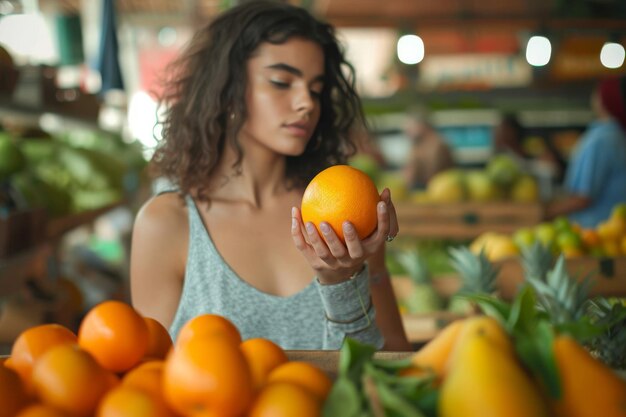
How to Choose the Best Online and Local Grocery Stores for Fresh Produce and Everyday Food
Standing in a supermarket aisle (or scrolling through an app) and wondering, “Is this really the best place to buy my groceries?” is more common than ever. With more online grocery options, local markets, specialty stores, and big-box chains, the question isn’t where to shop—it’s how to choose well.
This guide walks through how to evaluate both online and local grocery stores so you can consistently find fresh produce and quality food products that fit your budget, lifestyle, and values.
Why the Store You Choose Matters More Than You Think
Where you buy your groceries can shape:
- The freshness of your fruits, vegetables, meat, and dairy
- The variety of products you have access to (including cultural, organic, or specialty foods)
- Your overall food costs and ability to stick to a budget
- How easy and convenient it is to shop, especially if you have a busy schedule
- Your food waste, if items spoil quickly or are poor quality
Choosing the “best” grocery store isn’t about one perfect answer. It’s about understanding your priorities—freshness, price, convenience, sustainability, local sourcing, or all of the above—and then matching those priorities with what different stores actually offer.
Key Factors to Evaluate Any Grocery Store (Online or Local)
Before diving into specific store types, it helps to know what to look for anywhere you shop.
1. Freshness and Quality of Produce
For most shoppers, fresh produce is the top concern.
Signs that a store takes produce seriously:
- Visual quality: Bright colors, minimal bruising, no slimy leaves or moldy berries
- Turnover rate: Bins are being refilled frequently; you see staff checking dates and rotating stock
- Seasonal variety: Produce selection changes with the season rather than looking identical all year
- Storage conditions: Leafy greens aren’t wilted, herbs aren’t dried out, and refrigerated items are cold to the touch
Online, freshness is harder to judge directly. Look instead for:
- Clear produce quality policies (e.g., replacements or refunds for damaged items)
- Ability to add notes (“green bananas only,” “firm avocados,” etc.)
- User reviews and ratings on individual items
2. Food Safety and Cleanliness
Food safety standards are widely regulated, but day-to-day cleanliness and care can still vary.
In physical stores, observe:
- Floors and shelves that are clean and dry
- Refrigerators and freezers that are cold, with doors closing properly
- Perishable foods within safe-looking conditions (no strong off-odors from meat or fish sections)
For online shopping, safety is about:
- Packaging quality (insulation, ice packs for perishables, leak-proof containers)
- Delivery timeframes that keep food out of the “temperature danger zone” for as little time as possible
- Clear return or replacement policies if something arrives spoiled
3. Product Variety and Availability
The “best” store is one that actually has what you need.
Consider:
- Range of produce: Do they have both staple items (onions, carrots, apples) and variety (different greens, herbs, seasonal fruits)?
- Dietary and cultural needs: Halal, kosher, vegan, gluten-free, lactose-free, regional or international foods
- Staple foods: Whole grains, beans, pantry basics, healthy oils, spices
- Specialty items: Organic, fair trade, local brands, small-batch or artisanal products
Online stores often list stock availability in real time, which can be a benefit. Some local stores may offer fewer items but excel in quality or specialty products.
4. Price, Value, and Transparency
Not all low prices are equal if products spoil quickly or portions are small.
Look for:
- Unit pricing (price per kilogram, pound, or liter), which makes it easier to compare
- Clear labels on sales and promotions, so you can tell which items are genuinely discounted
- Options for bulk buying where it makes sense for your household
- Whether the store offers store brands that might be more affordable but still reliable
- For online orders: service fees, delivery costs, substitutions, and minimum order amounts
5. Convenience and Overall Experience
Convenience can be just as important as cost.
Ask yourself:
- How long does it take you to get there, shop, and return?
- Are checkout lines usually manageable?
- Is the store layout intuitive, or is it confusing and stressful?
- For online: Is the app or website easy to use, and are product descriptions clear and detailed?
- Are delivery windows realistic for your schedule?
6. Values: Sustainability, Local Sourcing, and Waste
Many shoppers care about where their food comes from and how it’s handled.
Ways a store may align with these values:
- Clear origin labels (country, region, or farm)
- Availability of local or regional produce when in season
- Options to reduce packaging, such as bulk bins or minimal packaging choices
- Store policies that reduce waste, such as donating unsold food or discounting near-date items
Understanding Your Options: Types of Grocery Stores and What They Offer
Different store formats excel at different things. Knowing their strengths and limitations helps you mix and match.
1. Traditional Supermarkets
Typical strengths:
- Wide selection of staples and brand-name products
- Competitive pricing through sales and loyalty programs
- Multiple departments (bakery, deli, meat, produce, frozen, household goods)
Considerations:
- Produce quality can vary between locations
- Some focus more on packaged goods than fresh, seasonal variety
Supermarkets can be a strong all-purpose option, especially if you combine them with other sources (like farmers’ markets) for peak-season produce.
2. Discount and Warehouse Stores
These stores focus on lower prices, often by reducing overhead and selling in larger quantities.
Pros:
- Lower unit prices on many items
- Good for bulk purchases (rice, oats, canned goods, frozen vegetables)
- Some offer fresh produce and meat at relatively lower costs
Watch for:
- Bulk sizes that may not be practical for small households
- Limited selection of specialty or niche items
- Inconsistent stock of specific produce varieties
3. Specialty and Health-Focused Stores
These might emphasize organic, natural, international, or gourmet foods.
Strengths:
- Wider choice of organic or minimally processed foods
- Better selection of allergen-friendly products or particular cuisines
- Sometimes closer relationships with smaller producers or local farms
Trade-offs:
- Higher average prices on many items
- Smaller overall selection for standard, non-specialty goods
4. Farmers’ Markets and Farm Shops
Farmers’ markets, roadside stands, and on-farm shops can be excellent for ultra-fresh local produce.
Benefits:
- Seasonal fruits and vegetables often picked shortly before sale
- Ability to talk directly with growers about how food was grown
- Opportunities to try unique or heritage varieties
Limitations:
- Seasonal and weather-dependent availability
- Limited hours, often only on certain days
- May not cover all your grocery needs (like household items or packaged staples)
5. Online Grocery Retailers and Delivery Apps
Online options range from supermarket delivery services to dedicated grocery apps and meal-focused platforms.
Advantages:
- Convenience of shopping from home
- Helpful for people with limited mobility, time constraints, or transportation challenges
- Easy to compare prices and track spending as you shop
- Search tools allow you to filter for dietary or ingredient needs
Challenges:
- You can’t personally inspect produce before buying
- Substitutions may not always match your preferences
- Delivery windows and fees can add complexity and cost
6. Local Neighborhood Stores and Ethnic Markets
Smaller neighborhood grocers and culturally specific markets can be surprising sources of fresh and affordable produce.
Strengths:
- Often carry specialty items and ingredients used in specific cuisines
- Fresh herbs, spices, and produce that may be hard to find elsewhere
- Can offer good value on certain products, especially staples and in-season items
Considerations:
- Limited overall selection and space
- Payment options and store hours may vary more than large chains
How to Evaluate Local Grocery Stores for Fresh Produce
When you walk into a local store, you can use your senses and some quick checks to decide if it’s right for you.
1. Do a “Freshness Walkthrough”
Take a slow lap through the produce section and notice:
- Are leafy greens crisp and vibrant, or limp and discolored?
- Are fruits firm without bruises? Any signs of mold?
- Are cut fruits and prepared salads chilled and well sealed?
- Is there a strong, unpleasant smell near the produce, meat, or fish areas?
If you consistently see wilted greens, shriveled fruits, or damaged items left out, that’s a sign freshness may not be the store’s priority.
2. Check Date Labels and Rotation
Look at best-before or use-by dates on:
- Dairy products
- Packaged salads
- Ready-to-eat foods
A store that routinely has items close to expiry without marking them down or rotating stock may not be managing inventory carefully.
3. Ask Simple Questions
Store staff can provide useful insight. You might ask:
- “When do you usually get your fresh produce deliveries?”
- “Do you carry local produce in season?”
- “Is there a day or time when selection is best?”
Patterns like early morning deliveries or particular weekdays may help you plan when to shop.
4. Notice How Staff Handle Food
Observe:
- Whether gloves or clean tools are used where appropriate
- How often areas around produce and fresh food are wiped and tidied
- Whether products that clearly look spoiled are promptly removed
These small details offer a sense of how the store treats food safety and quality.
How to Evaluate Online Grocery Stores for Freshness and Reliability
With online shopping, you trade direct inspection for convenience—so the decision process is a bit different.
1. Read Product Descriptions Carefully
Look for:
- Clear details on origin (local, imported, regionally sourced)
- Descriptions like “ripe,” “ready to eat,” “firm,” or “suitable for cooking/freezing”
- Information on whether items are organic, conventional, or specialty grown
Some platforms let you choose between ripeness levels or specify preferences in notes.
2. Check Ratings, Reviews, and Photos
User feedback can help identify patterns, such as:
- Complaints about produce often arriving overripe or damaged
- Praise for certain items (“stays fresh for several days,” “great flavor”)
- Mentions of how the store handles replacements or refunds
While opinions vary, repeated comments in the same direction are worth noticing.
3. Review Delivery and Packaging Practices
Key considerations:
- Does the store pack cold items with insulation or ice packs?
- Are delivery times short enough to keep food safe during transit?
- Are there options like “leave at door,” time windows, or refrigerated vehicles in some areas?
If you order once and notice that cold items are warm or packaging is crushed, that’s an indicator to reassess.
4. Test with a Small Trial Order
Instead of shifting your entire grocery routine online immediately, you could:
- Place a small order that includes:
- A few perishable items (berries, leafy greens, milk, or yogurt)
- Some pantry staples
- Evaluate:
- How the produce looks and feels
- Whether anything arrives damaged
- How quickly customer service responds if you report an issue
Online grocery stores that are responsive and willing to correct mistakes tend to be more reliable long term.
Balancing Freshness and Budget: Practical Strategies
Fresh, high-quality food doesn’t always have to mean overspending. A balanced approach can combine different store types and buying habits.
1. Mix and Match Store Types
Many shoppers find a hybrid approach works well:
- Use farmers’ markets or local produce stores for seasonal fruits and vegetables
- Use supermarkets or discount stores for pantry staples, dairy, and household items
- Use online services for heavy, bulky items or when time or travel is an issue
This lets you benefit from each store’s strengths without relying on a single place for everything.
2. Prioritize Freshness for Certain Items
Some foods benefit more from being ultra-fresh than others.
You might choose to prioritize freshness (and possibly pay a bit more) for:
- Leafy greens and herbs
- Berries and soft fruits
- Fresh fish and seafood
- Delicate vegetables like asparagus, green beans, and peas
Meanwhile, items like:
- Root vegetables (potatoes, onions, carrots)
- Frozen vegetables and fruits
- Canned beans and tomatoes
- Grains and dried legumes
often keep well and can be bought wherever is convenient and cost-effective.
3. Understand Seasonal Shopping
Buying in-season can offer advantages:
- Produce is often more flavorful when grown in season
- Prices can be more favorable when supply is higher
- Local options may be easier to find
When items are out of season locally, frozen versions can be an alternative. Frozen fruits and vegetables are often packaged shortly after harvest and can be a consistent option when fresh quality or price is less favorable.
Quick Comparison: Local vs. Online Grocery Shopping
Here’s a simple overview to help you think through what might work best for you.
| Aspect | Local Grocery Stores | Online Grocery Stores |
|---|---|---|
| Freshness control | You personally inspect items before buying | Relies on store pickers and policies |
| Convenience | Travel + time in store | Order from home, delivery or pickup options |
| Product discovery | Explore aisles, impulse discoveries | Searchable, filtered, but less tactile |
| Price transparency | Shelf tags, but mental math needed | Cart total visible as you add items |
| Specialty items | Depends on store type and size | Often wider variety across multiple vendors |
| Immediate access | Walk out with items the same day | Depends on delivery slots and timing |
| Social and local feel | Chance to support neighborhood businesses | Depends on whether you choose local suppliers |
Neither option is universally better. Many people combine them depending on their schedule, access, and priorities.
Practical Checklist: How to Choose the Best Grocery Options for You
Use this as a quick decision guide when comparing different stores.
🛒 Store Selection Checklist
Freshness & Quality
- [ ] Produce looks vibrant, not wilted or bruised
- [ ] Refrigerated items feel properly chilled
- [ ] Meat, fish, and dairy sections are clean and odor-free
- [ ] For online: good feedback on produce quality
Variety & Fit
- [ ] Regular access to foods you use weekly
- [ ] Options that meet dietary needs (allergen-friendly, cultural, or personal preferences)
- [ ] Sufficient seasonal and staple options
Price & Value
- [ ] Unit prices are reasonable compared to other local options
- [ ] Deals or loyalty programs fit your shopping habits
- [ ] For online: delivery fees and minimum orders are clearly stated and manageable
Convenience
- [ ] Location or delivery works with your routine
- [ ] Store hours or delivery windows are practical
- [ ] Experience (in-store or online) feels efficient, not stressful
Trust & Transparency
- [ ] Clear labels on origin and product details
- [ ] Staff or support are approachable and responsive
- [ ] Refund or replacement policies are straightforward
Tips for Getting the Best Out of Any Grocery Store
Even once you’ve chosen where to shop, how you shop affects what you bring home.
1. Shop at Strategic Times
Some shoppers find better results when they:
- Visit shortly after restocking (often mornings or specific days) for the best selection
- Avoid times of heavy crowding, when stock may be picked over
Asking staff about typical delivery days can help.
2. Learn Basic Signs of Quality for Key Foods
A few general indicators can make quick decisions easier:
- Leafy greens: Look for firm stems, crisp leaves, no slimy spots
- Tomatoes: Slightly firm but not rock-hard, no large cracks or sunken spots
- Citrus: Feels heavy for its size, skin relatively smooth
- Fish (if shopping in person): Clear eyes, firm flesh, mild smell
Each type of produce has its own cues, and noticing them over time helps refine your choices.
3. Use Notes and Preferences in Online Orders
If your online platform allows notes, they can make a difference:
- “Please choose green bananas, no spots.”
- “Avocados for use in 3–4 days.”
- “Firm peaches only.”
Some users report better outcomes when they regularly use this feature, as it guides staff toward more suitable selections.
4. Be Willing to Adjust Stores Over Time
Grocery stores change:
- Management can shift
- Suppliers may vary seasonally
- Product lines are updated regularly
If a store’s quality declines or no longer meets your needs, it can be helpful to revisit other options or rotate where you shop for certain categories.
Simple, Actionable Takeaways 🧾
Here’s a compact summary of ideas you can use right away:
- Define your priorities: freshness, price, convenience, specialty items, or sustainability.
- Evaluate both online and local options against the same core criteria: quality, variety, value, and transparency.
- Visit or trial multiple stores: do a small in-person or trial online shop before committing.
- Use a mixed strategy: consider local markets for produce, supermarkets or warehouse stores for staples, and online services for bulk or time-saving.
- Pay attention over time: if you notice consistent issues (damaged produce, unclear pricing, unhelpful service), reassess your choices.
Bringing It All Together
Finding the best online and local grocery stores for fresh produce and food products is less about discovering one perfect place and more about building a reliable personal network of options.
When you understand:
- How to evaluate freshness and quality
- What each store type is naturally good at
- How to balance convenience, cost, and values
you can create a grocery routine that feels dependable, flexible, and aligned with how you actually live.
Over time, paying attention to where your food comes from and how it reaches your kitchen can turn grocery shopping from a chore into a more intentional, informed part of your daily life—supporting not just what you eat, but how you feel about the choices behind it.