How to Find the Best Clam Bar and Seafood Restaurant Menus – And What to Order
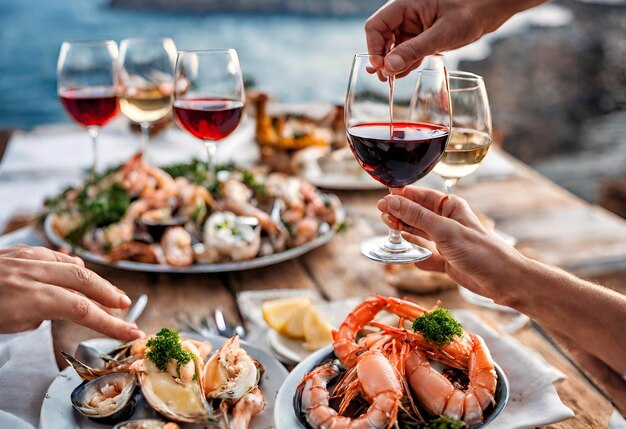
The moment a server hands you a seafood menu, it can feel like standing at the edge of the ocean: exciting, a bit overwhelming, and full of possibilities. Raw bar or fried platter? Classic clam chowder or a whole grilled fish? And how do you know which clam bar or seafood spot is actually worth your time (and your appetite)?
This guide walks through how to find the best clam bars and seafood restaurants, how to read their menus like a pro, and what to actually order—whether you love briny raw clams or prefer your seafood crispy, buttery, and cooked through.
Understanding What Makes a Great Clam Bar or Seafood Restaurant
Before getting into specific dishes, it helps to know what separates an average seafood place from a standout one.
Freshness First: Clues Before You Even Sit Down
Seafood quality starts with freshness. While diners usually can’t see the supply chain, there are telltale signs:
- Smell: A good clam bar should smell like the ocean—clean, salty, and mild, not fishy or sour.
- Display: If there’s a raw bar or seafood on ice, it should be:
- Nicely packed in ice
- Moist and shiny, not dull or dried out
- Shells closed tightly or closing when tapped (for clams, mussels, oysters)
- Turnover: Busy raw bars with active shucking often indicate high product turnover, which supports freshness.
Menu Design as a Quality Signal
The menu itself can reveal a lot about the restaurant:
- Seasonal items: Rotating specials such as “local catch of the day” or “seasonal shellfish” suggest the restaurant is buying with the seasons, not relying only on frozen stock.
- Focused, not overloaded: A shorter, well-curated menu often indicates the kitchen is confident in a core set of dishes rather than trying to do everything at once.
- Clarity: Menus that briefly describe origin (“local littlenecks,” “North Atlantic cod,” “Gulf shrimp”) provide helpful transparency.
💡 Quick quality check:
If nearly everything is deep-fried, with very few grilled, steamed, or raw options, the kitchen might be leaning more on breading and frying than on showcasing fresh seafood flavor.
Service and Knowledge
Staff behavior can also be revealing:
- Servers or bartenders who can:
- Explain the difference between varieties of clams or oysters
- Suggest pairings and preparations (grilled vs fried vs steamed)
- Answer basic questions about where seafood comes from
…often reflect a restaurant that takes its seafood program seriously.
How to Research and Choose a Seafood Spot Before You Go
Choosing well starts before you walk in.
Look for Location and Proximity to Water (But Don’t Overrate It)
Being near the coast or a harbor often helps with access to fresher seafood, but it’s not an absolute rule. Inland cities and even landlocked regions can still offer excellent seafood if they:
- Emphasize frequent deliveries
- Highlight reputable sourcing on their menu
- Are known locally for quality seafood
Nearby water can be a bonus, but it’s not your only indicator.
Use Reviews Strategically (Not Blindly)
Online reviews and local guides can help, especially if you look for patterns instead of obsessing over single comments:
- Common themes to look for:
- “Best clam bar in the area”–type wording
- Mentions of raw bar, chowder, lobster rolls, grilled fish, or other specialties
- Repeated praise (or concern) about freshness
Focus on detailed reviews that mention specific dishes and experiences rather than vague praise or complaints.
Ask Locals – Especially in Coastal Areas
People living in coastal towns, working on boats, or frequenting seafood markets often know which clam bars handle seafood well. Some diners find that:
- Waterfront workers
- Local bartenders at non-touristy spots
- Staff at fish markets
…can offer grounded, practical recommendations about where to find good clams, oysters, chowder, or fried seafood.
How to Read a Clam Bar Menu Like a Pro
Clam bar menus can look simple—clams, oysters, chowder, a few fried baskets—but there’s more nuance once you know what to look for.
Types of Clams You Might See
Clams are often grouped by size and type—these names can signal texture and best uses:
- Littleneck clams: Small, tender, often served raw on the half-shell or lightly steamed.
- Topneck / cherrystone clams: Medium size, good for raw, baked, or stuffed preparations.
- Quahog (chowder clams): Large, tougher; often used in chowder, stuffed clams, or fritters.
- Steamers (soft-shell clams): Commonly served steamed with broth and melted butter; more delicate shells.
Knowing this helps you order based on your preference for tender vs chewier and raw vs cooked.
Raw Bar Basics: Clams, Oysters, and Beyond
A raw bar typically includes:
- Raw clams on the half shell – briny, slightly sweet, firmer than oysters
- Oysters – range from intensely briny to mild and creamy
- Shrimp cocktail
- Ceviche or crudo (raw fish marinated or dressed)
Key menu hints of a strong raw bar:
- Clear listing of varieties and origins (for oysters and sometimes clams)
- Seasonal rotations
- Simple accompaniments: lemon, mignonette, cocktail sauce, perhaps fresh horseradish
If the raw bar has many varieties and the server can describe differences, it often reflects attention to product quality and selection.
Chowder, Bisques, and Broths
Seafood soups tell you a lot about a kitchen:
- Clam chowder
- New England style: rich, creamy, often with potatoes and salt pork or bacon.
- Clear or “Rhode Island” style: broth-based, lighter, more purely clam-forward.
- Manhattan clam chowder: tomato-based, often with vegetables.
- Fish chowders or stews: can be creamy, tomato-based, or broth-based with chunks of fish and shellfish.
- Lobster or seafood bisques: smooth, often more concentrated in flavor.
A chowder that highlights tender clams, good texture, and balanced seasoning often indicates care in preparation.
Decoding a Seafood Restaurant Menu: Sections and What They Reveal
Beyond the clam bar, full seafood restaurants may have diverse menu sections. Understanding each one helps you choose wisely.
Starters: Where to Test the Waters
Appetizers let you sample the kitchen’s style and skill without committing your whole meal:
Common seafood starters:
- Clam chowder or seafood soup
- Fried calamari
- Crab cakes
- Steamed mussels or clams
- Shrimp cocktail
- Ceviche or crudo
Helpful signals:
- Starters that emphasize simple, clean preparations (like lightly grilled shrimp, steamed shellfish, or raw bar items) often showcase the ingredient quality.
- If an appetizer features overly heavy breading or relies mainly on sauces for flavor, it sometimes suggests the kitchen is more focused on coating than on the seafood itself.
Mains: Grilled, Fried, Baked, or Steamed
Seafood entrées usually fall into a few broad categories.
1. Grilled or roasted fish
Often listed as:
- “Grilled salmon with…”
- “Whole grilled branzino…”
- “Roasted cod with…”
These dishes:
- Highlight the fish’s natural flavor and texture
- Often come with seasonal vegetables, grains, or simple sauces (lemon, herb butter, olive oil, herbs)
2. Fried platters and baskets
These might include:
- Fried clams
- Fried shrimp
- Fish and chips
- Mixed seafood platters
They can be very satisfying, and many diners consider them classic choices at clam bars. The quality is reflected in:
- Breaded but not overly thick or greasy coatings
- Moist, not dried-out, seafood inside
- Fresh oil and crisp texture
3. Steamed or boiled seafood
Such as:
- Steamed clams or mussels
- Boiled or steamed lobster
- Crab legs
Here, the seafood is more exposed, so freshness and cooking precision are crucial.
4. Baked and broiled dishes
Examples:
- Baked stuffed clams
- Broiled scallops
- Baked cod with crumbs
These can be excellent when the toppings or crumbs enhance rather than overwhelm the seafood.
Sides and Sauces: Supporting Players That Matter
Side dishes and sauces can make or break a meal:
- Classic sides: coleslaw, fries, baked potatoes, corn on the cob, rice, seasonal vegetables
- Sauces: tartar sauce, cocktail sauce, melted butter, aioli, lemon butter, mignonette, remoulade
Balanced menus will include:
- Lighter options (steamed vegetables, salads) alongside heavier ones
- Sauces that complement, not smother, the seafood flavor
What to Order at a Clam Bar: From Beginner to Adventurous
Once you’ve picked a clam bar that looks promising, the fun part begins: ordering. Here are some structured suggestions.
If You’re New to Clam Bars
For diners who are curious but cautious:
- Clam chowder (New England or clear)
- Comforting, familiar, and a low-pressure way to enjoy clams.
- Fried clam strips or fried seafood combo
- Mild in flavor, crunchy, and often served with familiar sides.
- Steamed clams (if you like gently cooked shellfish)
- Typically served with broth and butter; flavorful but less intense than raw.
These options tend to be approachable because textures and flavors are gentle and often familiar.
If You Enjoy Bold Flavors or Are Open to Raw Seafood
For diners ready to explore more intensely oceanic flavors:
- Raw clams on the half shell
- Littlenecks or topnecks, served chilled with lemon and sauces.
- Raw oysters from different regions
- Can vary widely in brininess and texture—trying a mix can be interesting.
- Steamed soft-shell clams (steamers)
- Often dipped in broth to clean, then in butter; can be richly flavored.
People who appreciate briny, mineral, or slightly sweet ocean flavors often enjoy experimenting here.
Classic Clam Bar Combinations
Many diners find that building a small sampler works well:
- A cup of chowder
- Half-dozen raw clams or oysters
- A fried clam basket or steamed clams
This combination gives a range of textures and preparations without committing to one style.
What to Order at a Seafood Restaurant: Matching Dishes to Your Tastes
Seafood menus can feel overwhelming, but a few guiding questions help narrow things down.
1. Do You Prefer Mild or Stronger Seafood Flavors?
If you prefer mild flavors:
- White fish like cod, haddock, or flounder, especially fried or lightly baked
- Shrimp dishes (grilled, sautéed, or fried)
- Salmon if you enjoy richer but not overly “fishy” tastes
If you enjoy stronger, brinier flavors:
- Sardines, mackerel, or certain bluefish preparations
- Anchovy-based sauces or pastas
- Shellfish-heavy stews with clams, mussels, and richer broths
2. How Do You Feel About Texture?
Texture shapes many people’s seafood preferences:
- Prefer firm, flaky textures
- Grilled or baked white fish
- Firm shrimp, grilled octopus (if prepared well)
- Prefer tender, silky textures
- Poached or gently roasted fish
- Raw or lightly cured fish (like crudo or ceviche)
- Prefer crunchy textures
- Fried fish or seafood baskets
- Panko-crusted, breaded, or tempura-style items
3. Are You Looking for Something Classic or More Adventurous?
Classic choices (familiar and widely liked):
- Fish and chips
- Shrimp scampi
- Clam chowder
- Crab cakes
- Lobster roll (hot with butter or cold with light dressing, depending on region)
More adventurous or nuanced choices:
- Whole grilled fish with head and tail
- Mixed shellfish platters (mussels, clams, shrimp, sometimes crab or lobster pieces)
- Ceviche or marinated raw fish
- Seafood paella, cioppino, or bouillabaisse-style stews
Quick-Glance Guide: What to Order at a Clam Bar or Seafood Spot 🦪🐟
Here’s a simple table to match your preferences to menu choices:
| Your Preference | Good Clam Bar Choices | Good Seafood Restaurant Choices |
|---|---|---|
| Mild flavors, familiar dishes | New England clam chowder, fried clam strips | Fried fish, shrimp scampi, baked cod |
| Briny, ocean-forward flavors | Raw clams, steamed clams, steamers | Raw oysters, shellfish platters, fish crudo |
| Comfort food, hearty and filling | Chowder, fried seafood baskets, fries | Fish and chips, creamy chowders, seafood pastas |
| Lighter, fresher, less heavy | Raw bar, steamed shellfish, clear broths | Grilled fish, ceviche, broiled seafood with vegetables |
| Adventurous, willing to explore | Mix of raw and cooked clams, daily specials | Whole grilled fish, mixed shellfish stews, seasonal catch |
| Texture-sensitive, prefer firm/flaky | Steamed clams, fried clams (not overcooked) | Grilled fish, roasted fillets, seared scallops (properly cooked) |
How to Judge Quality Once the Food Arrives
When your order hits the table, a few general signs can help you evaluate what you’re getting.
Visual and Aromatic Checks
- Seafood should look moist, not dried out.
- Clams, mussels, and oysters in the shell should:
- Be tightly closed before cooking, or
- Open after cooking (and you typically set aside any that remain tightly closed after steaming or boiling).
- Smell should be clean and ocean-like, not harsh or overly “fishy.”
Texture and Taste
- Properly cooked fish:
- Flakes easily
- Remains moist, not chalky or rubbery
- Shellfish such as clams, mussels, and scallops:
- Should be tender, not overly chewy or tough
Seasoning should enhance, not mask, the underlying flavor of the seafood.
Reading Between the Lines: Menu Red Flags and Green Flags
Certain patterns on a menu can serve as informal signals about a seafood restaurant’s approach.
Potential Red Flags (Taken in Context)
One or two of these on their own do not automatically mean poor quality, but several together could be worth noticing:
- Overly generic descriptions like “fish” everywhere without species names.
- Very long, unchanging menu with little sign of seasonality or rotation.
- Almost everything fried, with very few grilled, steamed, or raw options.
- Extreme reliance on heavy sauces and cheese for most seafood dishes.
Positive Signs (Green Flags)
- Clear species names and sometimes regions (e.g., Atlantic cod, Gulf shrimp).
- Seasonal specials, catch-of-the-day, or daily raw bar lists.
- Mix of light and hearty preparations: grilled, steamed, raw, fried, and baked.
- Simple dishes—like grilled fish with lemon and herbs—featured prominently.
How to Build a Balanced Seafood Meal
Whether at a clam bar or a full seafood house, balancing your choices can lead to a more satisfying experience.
Sample Clam Bar Meal Plans
🧾 Option 1 – Classic and Comforting
- Starter: Cup of New England clam chowder
- Main: Fried clam strips with fries and coleslaw
- Add-on: Side of steamed clams to share, if you’re curious
🧾 Option 2 – Briny and Lighter
- Starter: Half-dozen raw littleneck clams
- Main: Steamed soft-shell clams with broth and butter
- Side: Simple salad or vegetables, if available
Sample Seafood Restaurant Meal Plans
🧾 Option 3 – Familiar and Crowd-Pleasing
- Starter: Shrimp cocktail
- Main: Fish and chips or grilled salmon with a side of vegetables and potatoes
- Dessert: Something light if you prefer to balance out the richness
🧾 Option 4 – Adventurous Taster’s Meal
- Starter: Mixed raw bar sampler (oysters, clams, maybe shrimp)
- Main: Whole grilled fish or mixed shellfish stew
- Beverage choice: Something crisp and refreshing (sparkling water, citrusy soft drinks, or other personal preferences)
Practical Tips for Ordering Seafood with Confidence
A few simple habits can help you get the most from any clam bar or seafood menu.
1. Ask a Few Targeted Questions
Well-informed servers and bartenders are often happy to share insight. Consider asking:
- “What’s especially good right now?”
- “Is there a local catch on the menu today?”
- “Which dish best shows off your clam bar or raw bar?”
This often steers you toward what the kitchen is proud of and serving in strong condition.
2. Start Small, Then Build
If you’re unsure about raw or strongly flavored shellfish:
- Order a small portion first (a few clams or oysters, a cup instead of a bowl of chowder).
- If you enjoy it, you can expand that choice next time or order more.
3. Respect Your Own Preferences
There is no requirement to love raw clams, whole fish, or strong-tasting species. Many diners find they prefer:
- Mild white fish, shrimp, and chowder
- Occasional forays into raw bar or grilled whole fish
Your experience is more enjoyable when you lean into what you like while exploring gradually.
Key Takeaways for Finding and Enjoying Great Clam Bars and Seafood Menus 📝
Here is a quick, skimmable summary of the most practical points:
- 🧊 Look for freshness clues: clean ocean smell, shiny seafood, active raw bar, and closed shells before cooking.
- 📜 Read menus carefully: clear species names, seasonal specials, and varied preparations often reflect care.
- 🧾 Use the raw bar as a quality test: well-described clams and oysters with changing selections are a good sign.
- 🍲 Try chowder first if you’re new: it’s comforting, flavorful, and a low-pressure way to enjoy clams.
- 🍤 Match dishes to your comfort zone: fried and baked white fish are milder; raw bar and whole fish are more intense.
- 🧠 Ask informed questions: let staff guide you toward what’s freshest or most representative of the kitchen.
- ⚖️ Balance your meal: combine richer items (fried, creamy) with lighter ones (grilled, steamed, raw) for variety.
- 🌊 Trust your senses: clean aroma, moist texture, and well-seasoned but not overwhelming flavors are positive signs.
A thoughtfully chosen clam bar or seafood restaurant offers more than just a meal; it can feel like a small journey to the coast, even if you’re nowhere near the ocean. By learning how to read the menu, recognize quality cues, and align your order with your tastes, you turn that sea of options into something clear, enjoyable, and repeatable.
Each visit becomes a chance to refine your preferences—maybe starting with chowder and fried clams, then moving on to raw littlenecks, grilled whole fish, or a brimming shellfish platter. With a bit of knowledge and curiosity, the best clam bar or seafood restaurant isn’t just the one with the trendiest name; it’s the one where you know exactly what to order and why you’ll love it.