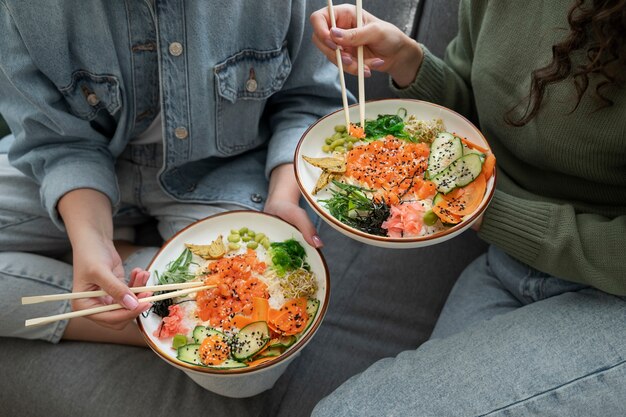
How To Discover Amazing Chinese Noodle and Fusion Restaurants Near You (For Takeout or Dine-In)
You’re hungry, you’re craving noodles, and you want something better than just “okay.” Maybe a fragrant bowl of beef noodle soup, spicy dan dan noodles, or a playful noodle-burrito mashup from a modern fusion spot. But how do you actually find the best Chinese noodle and fusion restaurants near you—for both takeout and dine-in—without wasting time and money?
This guide walks through how to search, what to look for on menus and in reviews, how to judge authenticity and quality, and how to pick between classic noodle shops and creative fusion spots. By the end, you’ll be able to confidently narrow down your options and enjoy a great meal that matches your taste, budget, and mood.
Understanding Your Options: Chinese Noodles vs. Fusion Noodles
Before searching, it helps to know what you’re looking for. “Chinese noodle restaurant” can mean many things, and “fusion” adds another layer.
Classic Chinese Noodle Styles
Chinese noodles vary by region, shape, and cooking method. Knowing a few keywords helps you recognize promising places and read menus more easily.
Common noodle types you might see:
- Lamian (hand-pulled noodles) – Often associated with northwest Chinese cuisines. Noodles are stretched by hand, giving them a chewy, bouncy texture. Common in beef noodle soups and stir-fries.
- Knife-cut noodles (dao xiao mian) – Thick, irregular ribbons shaved from a block of dough. Usually hearty and chewy.
- Rice noodles (mi fen / he fen) – Made from rice instead of wheat. Can be thin (vermicelli-like) or wide and flat; common in soups and stir-fries.
- Egg noodles – Yellowish from eggs or egg yolks, used in many stir-fry and soup dishes.
- Glass noodles (fen si) – Translucent noodles often made from mung beans or sweet potatoes, used in soups and hot pots.
Popular noodle dishes include:
- Beef noodle soup – Rich broth, braised beef, and wheat noodles.
- Dan dan noodles – Spicy, often with chili oil, ground meat, and preserved vegetables.
- Chow mein / lo mein – Stir-fried or mixed wheat noodles with vegetables and protein.
- Cold sesame noodles – Chilled, often with a nutty, savory sauce.
Understanding these names helps you spot specialized noodle shops when scanning search results or menus.
What “Fusion” Noodle Restaurants Typically Offer
Fusion noodle restaurants combine Chinese flavors or techniques with other cuisines. Examples might include:
- Noodles with Italian-style sauces but Sichuan peppercorns or chili oil.
- Ramen-like bowls that borrow from Chinese broths and toppings.
- Noodle tacos, burritos, or bowls mixing Chinese stir-fries with Mexican-style formats.
- Vegan or gluten-conscious twists on classic Chinese noodle dishes.
Fusion spots can be creative and fun, but styles and quality vary widely. Knowing whether you want traditional comfort or experimental flavors will guide where you look and how you evaluate options.
Step 1: Define What “Best” Means For You
“Best” is personal. Clarifying your priorities makes your search more targeted.
Ask yourself:
What’s my main goal?
- A quick, affordable lunch?
- A cozy sit-down meal?
- A stylish fusion spot for a date or group?
- Reliable takeout for a busy night?
Do I want traditional or fusion?
- Craving a classic beef noodle soup or hand-pulled noodles?
- Curious about mashups like mala pasta or noodle rice bowls with global toppings?
What are my dietary needs?
- Vegetarian, vegan, halal, or gluten-conscious preferences?
- Desire for lighter options vs. hearty dishes?
What format do I need today?
- Takeout / delivery: Food should travel well and still taste good.
- Dine-in: Ambience, service, noise level, and seating matter more.
Spending one minute on these questions makes the rest of your search far more efficient and satisfying.
Step 2: Use Smarter Online Searches (Without Getting Overwhelmed)
Most people start with map apps or search engines, but many stop at the first page of results. With a few tweaks, you can make those tools work much better for you.
Search Terms That Actually Help
Instead of just typing “Chinese food near me,” try more specific phrases that match what you want:
- “hand-pulled noodles near me”
- “Chinese noodle house [your neighborhood or city]”
- “dan dan noodles takeout near me”
- “Chinese fusion restaurant near me”
- “noodle bar [your city]”
Add extra filters when needed:
- “late night Chinese noodles near me”
- “Chinese noodle vegan options [city]”
- “noodle restaurant outdoor seating [city]”
These more detailed searches often surface smaller, more specialized restaurants that generic terms miss.
Reading Map Listings Beyond the Star Rating
When you open a map app:
Zoom in on your actual area
Center the map on neighborhoods you’re willing to travel to, then search. Sometimes, nearby gems hide just outside the central marker.Scan place categories and photos
- Look for words like “noodle house,” “noodle bar,” “hand-pulled noodles,” “Sichuan,” “Lanzhou,” “Asian fusion,” or “modern Chinese.”
- Check user-uploaded photos of noodle dishes, not just the storefront.
Don’t judge by rating alone
A slightly lower rating with many detailed reviews can sometimes indicate a busy, popular spot that attracts strong opinions. A higher rating with very few reviews may just be new or less tested.
Step 3: How To Read Reviews Like a Pro
Reviews are useful, but they’re also subjective. Instead of focusing on single complaints or glowing praise, look for consistent patterns.
Key Signals To Look For in Reviews
Skim reviews with specific questions in mind:
Noodle quality
- Do people describe noodles as chewy, springy, or freshly made?
- Are there mentions of hand-pulled noodles or watching staff make noodles?
Broth and sauces
- Are broths described as rich, flavorful, or aromatic rather than bland?
- Do sauces get mentioned for balance of spice, salt, and savoriness?
Portion and value
- Are portions generally considered generous or fair for the price?
- Are there frequent comments about dishes being too small or mostly filler?
Consistency
- Do reviewers mention that their second or third visit was still good?
- Are complaints about quality isolated or clustered in a specific time frame?
Service and wait times
- For dine-in: Do people talk about friendly staff or reasonable wait times?
- For takeout: Are orders usually ready on time and accurate?
Ambience
- Is the restaurant noisy, casual, cozy, or upscale?
- Does this match your mood and purpose (date night vs. quick solo meal)?
Red Flags to Notice
Not every negative review matters, but certain repeated themes are worth considering:
- Frequent mentions of watery, bland, or oversalted broth.
- Comments about noodles being mushy, overcooked, or clearly pre-packaged.
- Recurring issues with order mix-ups or long, unexplained delays.
- Many mentions of food being cold on arrival (for takeout/delivery).
- Consistent comments about lack of cleanliness.
Patterns matter more than one-off experiences—especially when multiple recent reviews tell the same story.
Step 4: Spotting Authentic Noodle Shops vs. Trendy Fusion Spots
Many people want to balance authentic flavors with modern comfort. You don’t have to choose one or the other, but knowing the differences helps you set expectations.
Signs of a Traditional Noodle-Focused Restaurant
These spots often:
- Highlight specific noodle dishes or regional styles on their sign or menu (e.g., “Lanzhou beef noodles,” “Sichuan noodles,” “Shanxi knife-cut noodles”).
- Offer a relatively focused menu, sometimes with a few specialties and sides rather than dozens of unrelated items.
- Use terms like “lamian,” “dao xiao mian,” “Sichuan,” “northern Chinese,” or specific regional city names.
- Have photos or descriptions emphasizing:
- Noodle texture
- Broth clarity or richness
- House-made chili oil or condiments
Signs of a Fusion-Focused Restaurant
Fusion noodle bars often:
- Use contemporary names and decor with a mix of cultural references.
- Offer creative mashups:
- Noodles with Western-style proteins or sauces.
- Bowls that combine Chinese flavors with Japanese, Korean, Southeast Asian, or Western elements.
- Highlight cocktails, craft drinks, or small plates alongside noodles.
- Emphasize dietary-friendly options or customizable bowls.
Both types can be excellent. Traditional shops tend to lean toward comfort and depth of flavor, while fusion spots often prioritize novelty, presentation, and ambience.
Step 5: Evaluating Menus for Quality and Fit
Once you’ve shortlisted a few places, checking their menus can quickly tell you whether they’re worth trying.
What To Look For on a Chinese Noodle Menu
Open the menu and look for:
Clear noodle categories
Separate sections for noodle soups, dry noodles, stir-fried noodles, or cold noodles often indicate thoughtful organization.Named house specialties
Dishes labeled as “house special,” “signature,” or “chef’s recommendation” often highlight what they do best.Control of variety
A focused menu with a manageable number of noodle variations may suggest more consistent quality. Extremely long menus sometimes signal a more generic approach.Heat and customization options
Notes like “spice levels adjustable,” “add extra chili oil,” or “choose your noodles” can be helpful if you have specific preferences.
Choosing Good Dishes for Takeout vs. Dine-In
Some noodle dishes travel better than others. When choosing:
Better for takeout/delivery:
- Stir-fried noodles (chow mein, some lo mein)
- Dry noodles with sauce (dan dan, sesame noodles) if the sauce is packed separately
- Brothy noodles if the broth and noodles are separated into different containers
Better saved for dine-in:
- Dishes that rely heavily on crisp textures (fried toppings, delicate garnishes)
- Noodles that are very soft or thin, which might overcook while sitting in hot broth
- Complex dishes that are best eaten immediately for temperature and texture
Some restaurants indicate on their menu which dishes travel well, or staff can often answer questions if you call and ask.
Step 6: Considering Comfort, Convenience, and Logistics
The “best” restaurant on paper might not be the best fit for a busy weeknight or a group outing. A few practical factors make a big difference.
For Dine-In Visits
Think about:
Location and parking / transit access
A slightly less “perfect” restaurant that’s easier to reach may see more frequent visits.Wait times and crowd level
Reviews or social posts often mention if you should expect a line during peak hours.Seating and group size
Some noodle shops are compact with counter seating; others have larger tables for groups.Noise level and vibe
Do you want lively and bustling or quiet and relaxed?Accessibility
If anyone in your group has mobility needs, check mentions of stairs, narrow doors, or spacious seating.
For Takeout or Delivery
Key details include:
Ordering methods
- Phone orders
- In-house online ordering
- Third-party delivery platforms
Packaging quality
Reviews sometimes describe whether soups leak, toppings arrive separate, or noodles get soggy.Order accuracy
Look for recurring notes about items being missed or mis-labeled, especially if you have dietary preferences.Pickup environment
If you’re picking up, consider whether the entrance and waiting area feel organized and calm or crowded and confusing.
Quick Checklist: Choosing a Great Chinese Noodle or Fusion Spot 🍜
Use this as a fast filter when comparing options:
- ✅ Menu highlights noodle-focused dishes (not just one page among many unrelated items)
- ✅ Reviews consistently praise noodle texture and broth or sauce flavor
- ✅ Options for takeout-friendly dishes if you’re not dining in
- ✅ Clear signs of either regional specialization or thoughtful fusion concept
- ✅ Practical fit: location, price range, ambience, and dietary options align with your needs
Step 7: Asking the Right Questions (In Person or By Phone)
If you’re still unsure after browsing, a brief conversation with staff can offer clarity.
Consider asking:
“Which noodle dishes are the most popular?”
Staff often point to dishes that showcase the restaurant’s strengths.“Do you make your noodles in-house or source them?”
In-house noodles can be a sign of a noodle-focused operation, though not every excellent spot makes their own.“Are any broths or sauces especially mild or especially spicy?”
This helps match dishes to your heat tolerance.“Which dishes hold up best for takeout or delivery?”
Staff usually know which dishes travel well.“Do you have vegetarian / vegan / gluten-conscious options?”
Many restaurants can recommend specific dishes or modifications.
This doesn’t have to be a long conversation. A few specific questions often give a better sense of what to order and what to expect.
Navigating Dietary Preferences and Restrictions
Chinese noodle and fusion restaurants can accommodate a range of preferences, but it’s helpful to know what to look for.
Vegetarian and Vegan Considerations
Common possibilities:
- Vegetable noodle stir-fries with tofu, mushrooms, or mixed vegetables.
- Broths that may be vegetable-based or may use meat stock even if they appear vegetable-heavy.
- Sauces that sometimes contain oyster sauce, fish sauce, or meat-based flavorings.
If this matters to you, you might:
- Ask directly whether a dish can be made fully vegetarian or vegan.
- Look for notes like “meat-free broth” or “vegan option” on the menu.
- Consider stir-fried or dry noodle dishes that may be easier to adapt than complex broths.
Gluten-Conscious Choices
Traditional Chinese wheat noodles contain gluten. However, some restaurants offer alternatives:
- Rice noodles or glass noodles, which are often naturally gluten-free in their basic form.
- Dishes that rely on rice instead of wheat noodles.
Sauces and seasonings may still contain gluten (such as some soy sauces or thickening agents), so people who avoid gluten sometimes:
- Ask if tamari or gluten-free soy sauce is available.
- Request specific noodles known to be gluten-free and confirm sauces or broths.
Fusion restaurants sometimes highlight gluten-conscious options on menus more prominently, depending on their concept.
Comparing Classic vs. Fusion: Which Fits Your Craving?
If you’re still torn between a traditional noodle house and a modern fusion spot, this simple comparison can help.
| Type of Restaurant | Best For… | What You’ll Likely Find |
|---|---|---|
| Traditional Chinese Noodle Shop | Deep, comforting, regionally rooted flavors | Hand-pulled or regional noodles, focused menu, simple decor |
| Modern Fusion Noodle Bar | Creative combinations, trendy ambience | Mixed influences, playful presentations, cocktail programs |
| Casual Chinese Restaurant with Noodles | Flexible group meals, varied tastes | Noodles plus rice dishes, shared plates, familiar favorites |
| Takeout-Focused Noodle Spot | Quick, reliable meals at home or work | Streamlined menu, packaging optimized for travel |
Both styles can be “best” depending on the day. Many people enjoy a mix: a no-frills noodle bowl on a weekday and a stylish noodle fusion experience on weekends or special occasions.
Making the Most of Your Visit (Or Takeout Order)
Once you’ve chosen a restaurant, a few simple habits can make your experience more rewarding.
For Dine-In Noodle Experiences
Go with a small plan
Decide in advance whether you want brothy noodles, stir-fried noodles, or something cold and refreshing. This helps you order confidently once seated.Share and sample
If you’re with others, consider ordering different noodle styles and sharing, especially on your first visit.Ask about condiments
Many Chinese noodle restaurants offer chili oil, vinegar, pickled vegetables, or garlic. A small dash can personalize your bowl.Observe what locals order
Take note of what seems popular around you; it can guide future visits.
For Takeout or Delivery
Eat as soon as you can
Noodles and broths are at their best when still hot and before they sit in liquid for too long.Reassemble if separate
If noodles and broth are stored separately, combine them just before eating to maintain texture.Use your own bowls
Transferring food to a bowl at home can improve the experience and help with mixing sauces evenly.Keep notes for next time
If a dish was a bit too spicy or salty, remember to request adjustments in future orders if the restaurant is open to modifications.
Key Takeaways: How To Consistently Find Great Noodle Spots Near You 🍲
Here’s a quick summary of practical tips you can refer back to:
🔍 Search smarter
Use terms like “hand-pulled noodles,” “Sichuan noodles,” or “Chinese fusion restaurant” plus your city or neighborhood.📝 Read reviews for patterns, not perfection
Look for repeated comments about noodle texture, broth flavor, and service consistency.🍜 Scan the menu for focus and specialties
A clear noodle section and a few signature dishes often signal care and expertise.🧭 Match the restaurant style to your goal
- Traditional noodle house for depth and comfort
- Fusion bar for creativity and social atmosphere
- Takeout-focused spot for reliable, travel-friendly meals
🌱 Pay attention to dietary and format needs
Check whether they offer suitable vegetarian, vegan, or gluten-conscious options, and whether dishes travel well for takeout.☎️ Ask a couple of direct questions
Inquire about their most popular noodle dishes, whether noodles are made in-house, and which choices work best for takeout.🧂 Customize thoughtfully
Use condiments, spice level adjustments, and add-ons to make each bowl suit your personal taste.
Finding the best Chinese noodle and fusion restaurants near you isn’t just about chasing ratings; it’s about understanding your own preferences and reading the available clues—menus, reviews, photos, and a few simple questions—more effectively.
Once you start paying attention to noodle texture, broth depth, menu focus, and restaurant style, you’ll recognize patterns quickly. Over time, you can build your own personal “noodle map” of go-to favorites: a comforting beef noodle spot for chilly nights, a lively fusion bar for meeting friends, and a reliable takeout place for busy evenings.
From there, each new discovery becomes less of a gamble and more of a well-informed, enjoyable choice—and every bowl of noodles feels that much more satisfying.