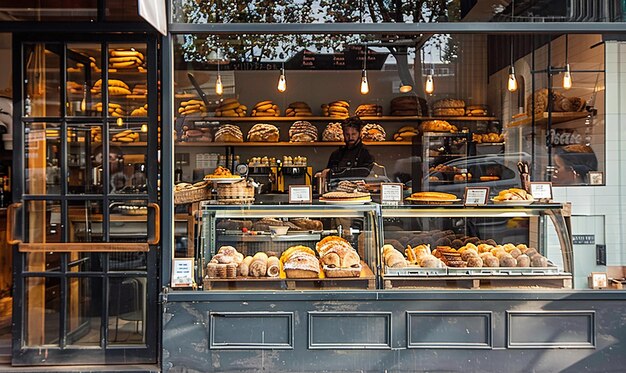
How to Discover the Best Artisan Bakeries for Gourmet Pastries, Desserts, and Takeout Food
You can usually tell when you’ve walked into a truly great artisan bakery before you even see the display case. The smell of butter and caramelizing sugar, the quiet clatter of trays, the sight of bakers dusted in flour—these small details often signal that you’re in the right place.
But with so many bakeries, cafes, and dessert shops around, how do you actually find the best artisan bakeries for gourmet pastries, desserts, and takeout food—without wasting time and money on mediocre options?
This guide walks through exactly what to look for, how to evaluate quality, and how to uncover hidden gems that might not show up in the first page of search results.
What Makes an “Artisan” Bakery Different?
Before looking for the best, it helps to understand what sets artisan bakeries apart from more conventional or industrial-style bakeries.
Key qualities of an artisan bakery
While each bakery is unique, many artisan spots share a few common traits:
Small-batch production
Items are often made in limited quantities rather than mass-produced. This allows more control over texture, flavor, and consistency.Focus on ingredients
Artisan bakers tend to care deeply about the quality, origin, and seasonality of ingredients—flour type, butterfat content, chocolate origin, fruit ripeness, and more.Craft and technique
Methods like long fermentation for breads, laminated dough for croissants, or precise temperature control for custards and ganaches are central to the final product.Distinctive style
Many artisan bakeries develop a recognizable “signature”—perhaps in their sourdough crust, their viennoiserie, or their modern entremets and plated desserts.Limited, curated menus
Instead of offering everything to everyone, they often specialize: maybe just pastries and coffee, or just bread and a few desserts.
Understanding these elements gives you a framework to judge whether a bakery is serious about craft or just using “artisan” as a label.
Step One: Choosing Where (and How) to Look
Finding great gourmet pastries and desserts is partly about strategy. Instead of relying only on proximity or advertisements, consider a layered approach.
1. Start with local search—but read between the lines
Online maps and local search tools can be a useful starting point when you search phrases like:
- “artisan bakery near me”
- “gourmet pastries and desserts”
- “French bakery takeout”
- “sourdough bakery”
Look for:
- Photos of the pastry case and bread rather than just decor
- Menu snapshots to see if they use specific terminology like kouign-amann, canelé, brioche feuilletée, pâte sucrée, etc.
- Mentions of house-made items, laminated dough, seasonal menus, or specific flour types
High ratings can be helpful, but dig into the comments: do people describe the texture, flavor, or consistency of the baked goods, or just the space and service?
2. Use social media for real-time clues
Social platforms often reveal more up-to-date information than static websites. Search by:
- Location hashtags (e.g., your city + “bakery,” “pastry,” “croissant”)
- Specific pastry names (e.g., “canelé,” “kouign amann,” “cream puff,” “entremet”) plus your city or neighborhood
Signs of a strong artisan bakery presence include:
- Close-up photos of flaky layers, even crumb structure, and shiny, well-tempered chocolate glazes
- Posts about new seasonal items, limited runs, or collaborations with local producers
- Behind-the-scenes stories or reels showing mixing, shaping, or baking processes
3. Ask people who care about food
Food-focused communities—online or offline—can be especially helpful:
- Local food groups or forums
- Culinary school communities or baking clubs
- Farmers’ market regulars or vendors
When people who pay attention to flavor and technique recommend a place, that often signals consistency and quality rather than just popularity.
How to Judge an Artisan Bakery Before You Order
Once you’ve found a potential spot, you can often tell a lot within the first few minutes—even before you bite into anything.
Visual cues inside the bakery
Walk in with a curious eye:
Display case organization
A thoughtful layout (rather than overcrowded trays) often reflects care in production.Portion sizes
In many artisan bakeries, pastries are rich but not oversized. Overly large items can sometimes signal a focus on visual impact over technique.Color and finish
- Croissants and other laminated pastries: look for deep golden-brown color, not pale or patchy surfaces.
- Tarts: check for clean edges, not collapsed or greasy crusts.
- Cakes and entremets: smooth finishes, sharp edges, and even layers often reflect good technique.
Turnover and freshness
A nearly empty case early in the day can be a red flag, but a moderately busy case with steady movement suggests fresh, frequently replenished items.
Listening for the “working bakery” atmosphere
A few subtle details can signal that baking is really happening on-site:
- Sounds of mixers, timers, or ovens in use
- The smell of freshly baked bread or pastry, rather than just reheated items
- Staff able to answer questions about ingredients and preparation
While not every bakery has an open kitchen, signs of active baking can be reassuring.
Evaluating Pastry Quality: What to Look (and Taste) For
When you’re choosing gourmet pastries and desserts, focusing on a few key indicators can help you quickly sense whether you’ve found something special.
1. Laminated pastries (croissants, pain au chocolat, kouign amann)
For items made with layered dough:
Exterior
- Even, deep golden color
- Visible layering on the sides
- A slight sheen, without visible greasiness
Interior (the crumb)
- Open honeycomb structure with irregular air pockets
- No doughy, compressed center
- Elastic but tender texture
Flavor
Balanced butter and fermentation notes, without tasting bland or overly yeasty.
2. Cakes, tarts, and plated-style desserts
For more complex desserts:
Structure and layering
- Clean, defined layers that hold their shape
- Even distribution of creams, mousses, and sponge
Glazes and finishes
- Smooth, reflective glazes (if used), without bubbles or streaks
- Neat garnishes that complement rather than overwhelm
Flavor balance
Many high-level pastries balance sweetness, acidity, texture, and aroma. For example:- Bright fruit cutting through rich creams
- Crunch or crumble contrast against mousse or curd
- Subtle use of spices, citrus zest, or liqueurs
3. Breads and viennoiserie
If the bakery also makes bread:
Crust
Crisp, well-colored crust with some blisters or bubbling can indicate long fermentation.Crumb
Open, irregular holes in sourdough; more even crumb for sandwich loaves.Aroma
Pleasant, wheaty or toasty smell rather than flat or sour-only aroma.
4. Texture and temperature
Quality pastry is not just about flavor:
- Creams and custards should be smooth, not grainy or watery.
- Mousses should be light but stable, not collapsing.
- Chilled desserts should be served at an appropriate temperature—too cold and flavors mute; too warm and structure collapses.
Signs You’ve Found a Truly Great Artisan Bakery
Over time, certain markers tend to separate good bakeries from exceptional ones.
Craft indicators to pay attention to
Here are practical signs you may have discovered a standout spot:
- The menu changes with seasons and local produce
- The baker or staff can explain:
- How long the dough ferments
- What makes their flour, butter, or chocolate different
- Why certain items are available only on specific days
- Items sell out at a reasonable pace, suggesting fresh, limited production
- Flavors are distinct but balanced, not overwhelmingly sweet
Consistency over multiple visits
One great croissant can be luck. Three great croissants on different days suggest mastery.
Look for consistency in:
- Shape and color of pastries across days
- Flavor of signature items each time you visit
- Quality of takeout (how well items hold up during transport and later consumption)
Balancing Gourmet Quality with Takeout Convenience
Artisan desserts can be delicate. If you’re planning to enjoy them at home or bring them to an event, understanding how they travel makes a difference.
Choosing pastries that travel well
Not all gourmet items handle transport equally. When you need takeout food:
Generally travel-friendly:
- Cookies and biscotti
- Financiers, madeleines, and small tea cakes
- Loaves (banana bread, pound cake, brioche loaves)
- Some tarts with sturdy crusts and firm fillings
- Sourdough and sandwich breads
More delicate or high-risk during transit:
- Tall entremet cakes with many soft layers
- Cream puffs and éclairs filled with fresh cream or custard
- Very thin, fragile pastry shells
- Desserts with meringue, spun sugar, or intricate chocolate work
If you need to transport delicate items, sturdy packaging and short travel times help preserve structure.
How to store gourmet pastries at home
Storage affects texture and flavor significantly:
Croissants and laminated pastries
Best enjoyed the day of purchase. If necessary, store in paper or loosely covered at room temperature and refresh briefly in a low oven before eating.Cream-filled or custard-based desserts
Typically kept refrigerated and consumed within a short time frame for best quality and food safety.Bread
Often best stored at room temperature in breathable wrapping rather than in the refrigerator, which may dry it out quickly. Slicing and freezing part of a loaf can be helpful if you won’t finish it soon.
When in doubt, ask the bakery staff—they usually know exactly how their products hold up over time.
Matching the Bakery to Your Occasion
The “best” artisan bakery for you may depend on what you’re looking for: a quiet morning pastry, impressive desserts for guests, or reliable takeout options for busy days.
Morning pastries and coffee
For breakfast runs:
Look for bakeries that open early and have strong viennoiserie offerings:
- Croissants
- Pain au chocolat
- Morning buns
- Savory pastries (spinach, cheese, ham and cheese)
Check if they offer quality coffee or tea, or if you’re planning to pair their pastries with beverages from somewhere else.
Dessert for gatherings and celebrations
When you need desserts that present well:
Ask about:
- Whole cakes or tarts
- Pre-order requirements and lead times
- Available sizes and portion guidelines
Consider classics like:
- Fruit tarts
- Opera-style or layered cakes
- Seasonal dessert assortments
Clear communication about pickup time, transport, and storage helps ensure desserts arrive in top condition.
Everyday treats and take-home options
For regular indulgences or simple gifts:
- Focus on stable items:
- Cookies, brownies, bars
- Individual tarts
- Packaged granola or breadsticks
- Jam, spreads, or house-made accompaniments (if available)
These are often easier to store and share, and can be a gentle introduction to a bakery’s style.
Quick Reference: How to Evaluate an Artisan Bakery 📝
Use this compact checklist when you’re exploring a new spot:
| ✅ What to Look For | Why It Matters |
|---|---|
| Deep golden croissants, visible layers | Suggests proper lamination and baking technique |
| Clean edges and even layers in cakes/tarts | Reflects precise execution and attention to detail |
| Aromatic bread with structured crumb | Often indicates long fermentation and quality flour |
| Seasonal or rotating menu | Signals creativity and ingredient awareness |
| Staff can explain ingredients/processes | Shows transparency and genuine craft focus |
| Consistent quality across items | Suggests reliable standards in the kitchen |
| Thoughtful packaging for takeout | Helps pastries and desserts travel and store well |
Questions to Ask (Without Feeling Awkward)
Engaging politely with staff can reveal a lot about the bakery’s standards and specialties.
Helpful questions
- “Which pastry are you most proud of right now?”
- “What’s your most popular item among regulars?”
- “Is there anything that’s only available certain days of the week?”
- “How should I store this if I’m not eating it until tomorrow?”
- “What’s new on your menu this season?”
These questions:
- Show interest without demanding insider secrets
- Highlight seasonal specialties or under-the-radar items
- Help you avoid common storage or transport mistakes
Most artisan bakers welcome curiosity about their craft, as long as the conversation is respectful and doesn’t interrupt busy service flow.
Recognizing Red Flags and Common Pitfalls
While personal taste varies, there are a few patterns that often align with less impressive experiences.
Potential warning signs
Overly sweet pastries with flat flavor
When sugar overwhelms everything else, it can overshadow nuance from butter, chocolate, or fruit.Greasy texture without flakiness
Especially in laminated pastries, noticeable greasiness often suggests issues with lamination or baking temperature.Identical items across many locations
If the same pastries appear in multiple unrelated shops, they may be delivered frozen or partially baked from a central facility rather than made in-house.Persistent staleness later in the day
Some slight drying is normal for baked goods over time, but consistently stale textures may indicate poor turnover or reheating of older items.
Avoiding disappointment with expectations
Not every great bakery will excel at everything. Some focus on:
- Bread and simple pastries, but not elaborate desserts
- Fine entremets and tarts, but not rustic loaves or croissants
- Regional specialties over French-style patisserie
Clarify for yourself what you’re craving—flaky breakfast pastries, sophisticated plated-style desserts, or sturdy take-home treats—and evaluate each bakery primarily on its strengths.
How to Explore Artisan Bakeries on a Budget
Gourmet pastries and desserts can feel like a luxury, but thoughtful choices help you explore widely without overspending.
Practical ways to sample more, spend less
Start with one or two signature items
Instead of ordering a whole box right away, try the bakery’s recommended specialty—often a croissant, a house cake, or a regional classic.Share with a friend
Splitting several items lets you taste more while keeping individual cost and portion sizes manageable.Choose smaller formats
Mini tarts, petits fours, or smaller slices can offer the same craftsmanship at a lower price.Visit during off-peak times
While discounts are not guaranteed, you may get more opportunity to ask questions or receive thoughtful recommendations when the bakery isn’t very busy.
Exploring Different Styles of Artisan Bakeries
Gourmet doesn’t mean just one tradition. Exploring varied baking styles can be rewarding and expand your palate.
Examples of stylistic diversity
French-inspired patisseries
Croissants, éclairs, macarons, entremets, fruit tarts.Italian bakeries
Cannoli, biscotti, panettone (seasonal), crostata, bomboloni.Central and Eastern European bakeries
Babka, strudel, kolaches, layered tortes.Middle Eastern and Mediterranean bakeries
Baklava, basbousa, ma’amoul, pistachio- and honey-forward pastries.Modern or fusion bakeries
Flavors and techniques crossing traditions: matcha croissants, miso caramel tarts, black sesame cakes, and more.
Pay attention to where a bakery places its emphasis. A shop might do a few types of pastries extraordinarily well rather than covering every style.
Simple Strategy to Build Your Own “Best Bakery” Map 🍰
To make your search more intentional and useful over time, consider a light tracking system.
Try this practical, low-effort approach
- Keep a small note on your phone for bakeries you visit.
- For each one, jot down:
- 🥐 Best pastry you tried
- 🎯 What they seem to specialize in
- 👍 Ideal use: quick breakfast, special dessert, takeout bread, etc.
- ��� Best time to go (e.g., early morning for freshest pastries)
After a few visits around your city or neighborhood, you’ll naturally create a custom guide that matches your tastes, schedule, and budget far better than generic lists.
Bringing It All Together
Finding the best artisan bakeries for gourmet pastries, desserts, and takeout food is part observation, part curiosity, and part personal preference. Paying attention to:
- The craft indicators (layers, crumb, texture, finish)
- The environment (freshness, staff knowledge, seasonal focus)
- The fit for your goal (breakfast, celebration, everyday treat, or travel-ready takeout)
helps you see beyond marketing and discover places where technique, flavor, and care genuinely come together.
As you explore, each croissant, tart, or slice of cake becomes more than just a treat—it becomes another clue in understanding what great baking looks, smells, and tastes like. And over time, you’ll know almost instantly when you’ve stepped into a bakery that’s truly worth returning to, again and again.