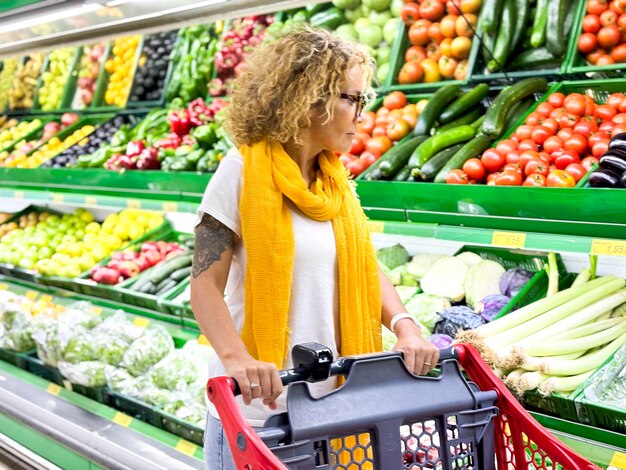
Smarter Grocery Shopping: How to Find Fresh Produce, Local Foods, and Grocery Delivery at Your Neighborhood Supermarket
You walk into your neighborhood supermarket to “grab a few things,” and suddenly you’re staring at a wall of apples, a dozen bread options, and a flyer about curbside pickup. It can feel overwhelming to figure out what’s truly fresh, which foods are actually local, and how to make sense of all the new grocery delivery choices.
Yet with a few simple strategies, your regular supermarket can become a reliable hub for fresh produce, local foods, and convenient delivery options—without spending hours researching or wandering the aisles.
This guide walks you step-by-step through how to do exactly that.
Why Your Neighborhood Supermarket Is More Powerful Than It Looks
Many people think they have to visit specialty stores or farmers markets to get high-quality, local food. Neighborhood supermarkets often look generic, but:
- They frequently partner with regional farms and producers.
- They stock a surprising range of seasonal produce alongside imports.
- They are expanding grocery delivery and pickup services.
- They often share information about sourcing, freshness, and storage—if you know where to look.
By learning to read labels, understand store systems, and ask the right questions, you can turn almost any supermarket visit into a more intentional, satisfying shopping trip.
How to Spot Truly Fresh Produce in the Produce Aisle
Freshness starts in the produce section. Instead of guessing, you can rely on a few consistent signs.
Look, Smell, and Feel: Simple Freshness Cues
Most fruits and vegetables give away their condition with a quick check:
Color
- Bright, vibrant color often indicates ripeness and quality.
- Dull or faded skin can suggest age or poor storage.
Texture & Firmness
- Leafy greens: Crisp, not wilted or yellowing.
- Tomatoes, peaches, avocados: Gently firm with slight give (depending on ripeness).
- Root vegetables: Firm, not rubbery or shriveled.
Skin & Surface
- Avoid large bruises, deep cuts, or mold.
- Minor surface blemishes (especially on local or organic produce) are generally normal and not a problem.
Smell
- Ripe fruit (like melons, pineapples, or peaches) often has a pleasant, noticeable aroma at the stem end.
- A sour or fermented smell can indicate it’s past its best.
Understand “Best By,” “Sell By,” and Rotation Practices
Freshness isn’t just about what you see—it’s also about how stores manage inventory.
- “Sell by” dates usually guide the store on how long they can display an item.
- “Best by” dates suggest quality rather than safety for many non-perishables.
- Many supermarkets use a “first in, first out” system, placing older items in front and newer items in back.
You can often find fresher items by:
- Reaching toward the back of shelves for dairy, pre-cut produce, and packaged salads.
- Picking firm, dry-packaged produce with intact packaging and no visible condensation or slime.
Choose Whole Produce When Possible
Pre-cut fruits and vegetables are convenient, but whole produce often:
- Holds flavor and texture longer.
- May be less handled.
- Is sometimes more cost-effective per serving.
If you prefer pre-cut items, look for:
- Clear packaging with minimal liquid in the bottom.
- Bright color and crisp-looking edges (no browning or sliminess).
- A “packed on” date as recent as possible.
Finding Local Foods in a Standard Supermarket
“Local” can mean different things depending on the store—sometimes within a specific radius, sometimes within the same state or region. Even without a farmer’s market, you can often find plenty of local options.
Learn How Your Store Defines “Local”
Stores often label local foods with:
- “Local” tags on shelf labels.
- Signs with maps or farm names in the produce, dairy, or meat sections.
- Seasonal bins or displays that highlight nearby farms.
If it’s not clear:
- Ask an employee in produce or customer service how they define local.
- Look closely at packaging details for city and state of origin.
Where Local Foods Often Hide in Plain Sight
Local foods are not just in the produce aisle. Common supermarket areas to explore:
Produce
- Seasonal fruits (berries, apples, stone fruits).
- Leafy greens, herbs, tomatoes, squash, root vegetables.
Dairy & Eggs
- Milk, yogurt, cheese, and eggs from regional dairies or farms.
Meat & Seafood
- Fresh meats from regional producers.
- Seafood from nearby coasts, rivers, or lakes (depending on your location).
Bakery
- Artisan breads, pastries, or tortillas made in-house or by local bakeries.
Center Aisles & Specialty Sections
- Jams, honey, nut butters, coffee, sauces, pickles, and snacks from local makers.
Look for labels or packaging that specifically mention:
- A nearby city or county.
- A statement such as “Produced in [your state]”.
- Co-branded signage between the supermarket and a local farm or company.
Seasonal Shopping: A Shortcut to Local Food
Foods that are in season in your area are often:
- More likely to be locally sourced.
- More flavorful.
- More affordable compared to out-of-season imports.
You can:
- Pay attention to special displays that change with the seasons.
- Notice when a particular fruit or vegetable suddenly appears in large quantities at lower prices.
- Ask staff, “Which fruits or vegetables are in season from nearby farms right now?”
Reading Labels and Store Signage Like a Pro
Labels and signs hold a lot of information—if you know what to look for.
Key Label Elements for Freshness and Sourcing
When checking packaged foods, focus on:
Origin information
- Look for “Product of [Country/State]” or “Grown in [Location].”
Date stamps
- “Packed on,” “Best if used by,” or “Sell by” dates.
Production details
- Phrases such as “farm-raised,” “cage-free,” or “pasture-raised” are used in different ways.
- These terms can signal certain farming practices but do not always guarantee a particular standard; they are worth noting and researching further if they matter to you.
Decoding In-Store Signs and Symbols
Many supermarkets create icon systems on shelves and signage, such as:
- Icons for local, organic, gluten-free, or plant-based.
- Color-coded price tags that mark sales, seasonal items, or store brand vs. national brand.
- Endcap signs (on the ends of aisles) that highlight special promotions or seasonal foods.
If a label or icon is unfamiliar:
- Look for a legend or explanation sign nearby.
- Check small print under or beside the shelf tag.
- Ask a staff member for a quick explanation.
Using Store Staff as a Resource
Many shoppers skip this step, but staff members often have practical insights.
Questions That Unlock Better Choices
Some helpful, low-effort questions:
- “Which apples (or other item) are the freshest right now?”
- “Do you know if these tomatoes are from a local farm?”
- “When does your store usually restock produce?”
- “Is there a local products section I should check out?”
Produce managers, butchers, and deli staff often know:
- Which shipments just arrived.
- Which items are at their peak.
- What’s coming into season next.
Ask About Special Orders or Requests
Many stores allow:
- Special orders for larger quantities (for events or meal prep).
- Requests to carry certain local items if enough customers ask.
- Pre-ordering for holiday or seasonal foods.
This can be especially useful if you’ve discovered a favorite local brand and want more consistent access to it.
Making Sense of Grocery Delivery, Pickup, and Online Ordering
Supermarkets increasingly offer multiple ways to get groceries without walking every aisle. Understanding your choices helps you pick what fits your routine.
Common Grocery Delivery Options
Neighborhood supermarkets tend to provide:
Store-operated delivery
- The supermarket directly manages ordering and delivery, often through its own website or app.
Third-party delivery platforms
- Independent services that partner with many stores; you order through their app, and they coordinate the shopping and delivery.
Hybrid systems
- You order from the store’s website, but a partnered service handles fulfillment and delivery.
Each approach generally differs in:
- Delivery fees or minimum order amounts.
- Available time slots.
- Access to in-store promotions or loyalty pricing.
For details, you can:
- Check store signage near entrances or checkout.
- Ask customer service, “Do you have your own delivery service, or is it through another company?”
Curbside Pickup vs. Home Delivery
Both options aim to save time, but they work a bit differently.
Curbside Pickup
- You order online and pick up groceries outside the store.
- Staff usually bring bags to your car or a designated pickup area.
- Can be convenient if you:
- Pass by the store on your commute.
- Want to avoid in-store browsing but don’t need home delivery.
Home Delivery
- Groceries are delivered directly to your door.
- Helpful when:
- You have limited time or transportation.
- You’re managing a busy schedule at home.
In both cases, it can be useful to:
- Check if there are specific time windows.
- Notice whether same-day or next-day options are offered.
- Look for any special notes about substitutions when items are out of stock.
How to Get Freshness and Local Foods When Ordering Online
One common concern with delivery or pickup is losing control over freshness and selection. There are ways to guide the process.
Use Notes and Substitution Preferences
Many online ordering systems allow you to:
Add notes like:
- “Please choose firm avocados for later in the week.”
- “Green bananas preferred.”
- “No heavily bruised produce, please.”
Set substitution rules:
- Allow substitutions with similar items.
- Decline substitutions for certain products.
- Indicate if you prefer store brands or specific options when your first choice is unavailable.
These simple details can make a noticeable difference in the quality of what you receive.
Look for “Local” Filters or Tags Online
Some supermarket websites and apps:
- Let you filter by “local” or “from nearby farms.”
- Mark local products with icons or badges in search results.
- Offer dedicated local sections within the produce or grocery categories.
If the platform does not offer these features:
- You can still read product descriptions for origin details.
- Search by your region or state name to find local brands.
Planning Your Trip for Maximum Freshness and Convenience
A bit of planning can help you get higher-quality food in fewer trips.
Time Your Visit
Some shoppers notice patterns like:
- Morning restocks in produce, bakery, and meat.
- Midweek or late-evening markdowns on items approaching their “sell by” dates.
While schedules vary, you can:
- Ask staff, “When is produce usually restocked?”
- Experiment with different visit times to see when displays look their best.
- Shop perishables last so they spend less time in your cart.
Shop the Store in a Smart Order
A simple route might look like:
- Non-perishables first (canned goods, dry items, household products).
- Middle-temperature items next (bread, snacks).
- Cold and frozen foods last (dairy, meat, frozen produce).
- Fresh produce at the very end so it stays cool and unbruised.
This helps maintain freshness from store to home, especially in warm weather.
Budget-Friendly Ways to Buy Fresh and Local
Eating well does not always have to mean spending more. Supermarkets offer a number of quiet opportunities to save.
Watch for Seasonal Price Swings
Local and seasonal foods are often:
- Priced more affordably when supply is high.
- More flavorful at their peak.
You might notice:
- Berry prices dropping when local farms are in full harvest.
- Winter squash or root vegetables featured heavily in colder months.
Buying more of these foods during peak season can support local producers and be easier on your budget.
Store Brands and “Ugly” Produce
Some stores:
- Offer store-brand versions of staples (like beans, oats, or frozen vegetables) that can be comparable in quality to national brands.
- Provide discounted produce that is still good but slightly misshapen or nearing peak ripeness.
Many shoppers find “ugly” produce works especially well for:
- Soups and stews.
- Smoothies.
- Baked dishes and sauces.
Simple At-Home Habits That Keep Groceries Fresh Longer
Freshness doesn’t end at checkout. A few food storage habits can extend the life of your supermarket haul.
Organize Your Fridge and Pantry
Common practical strategies include:
Front-load older items
- Place what needs to be used soon at the front where it’s easy to see.
Group similar foods together
- Keep fruits, vegetables, dairy, and leftovers in consistent zones.
Avoid overpacking
- Air needs to circulate in the fridge to maintain temperature and humidity.
Store Produce the Way It Prefers
While details vary by food, some general patterns often help:
Leafy greens and herbs
- Often last longer when kept in breathable containers or wrapped lightly in paper inside the fridge.
Counter-friendly fruits and vegetables
- Items like onions, garlic, and some whole melons can do well in a cool, dry place outside the fridge until cut.
Ethylene-sensitive produce
- Some fruits release a natural ripening gas. Keeping those separate from sensitive items can reduce premature spoilage.
Packaging, labels, or in-store signage sometimes suggest storage tips for specific items, which can be worth following.
Quick-Glance Guide: Freshness, Local Foods, and Delivery 📝
Here’s a handy overview you can keep in mind on your next supermarket trip.
| Goal | What to Look For | Simple Actions |
|---|---|---|
| 🥦 Find fresh produce | Bright color, firm texture, clean aroma, minimal damage | Check appearance, pick items from recent restocks, choose whole produce when practical |
| 🌱 Discover local foods | “Local” labels, regional maps, nearby city/state on packages | Scan signs, read packaging, ask staff where items come from |
| 🛒 Use delivery or pickup wisely | Clear notes, substitution options, labeled local items online | Add notes about ripeness, set substitution preferences, search for local products |
| ⏰ Shop at a good time | Fully stocked displays, fewer crowds | Ask when produce is restocked, experiment with weekday vs. weekend visits |
| 💸 Stay on budget | Seasonal deals, store brands, “imperfect” produce | Focus on in-season items, try store brands, consider discounted or misshapen produce |
| 🧊 Keep food fresh at home | Organized fridge, correct storage | Use older items first, avoid overcrowding, follow basic storage guidelines |
Putting It All Together
Your neighborhood supermarket can be more than just a place to “grab groceries.” With a bit of attention and a few small habits, it becomes:
- A consistent source of fresh, good-quality produce.
- A gateway to local foods that support nearby farms and makers.
- A flexible hub for delivery and pickup options that match your schedule.
Each visit is a chance to:
- Read labels and signage more carefully.
- Ask a quick question or two at the service desk or in the aisles.
- Try one new local product, seasonal ingredient, or ordering method.
Over time, these small choices add up. You become more familiar with your store, more confident in what you’re buying, and more comfortable using grocery delivery or pickup when it fits your life.
The supermarket doesn’t change—but how you use it does. And that shift can make everyday food shopping feel more intentional, satisfying, and aligned with what you value in the foods you bring home.