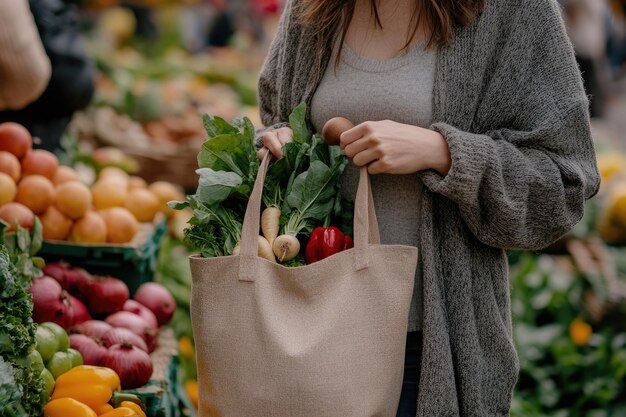
Finding the Best Local Farm Markets and Bakeries for Fresh Produce and Homemade Baked Goods
That first bite into a sun-warmed strawberry or a still-warm bakery loaf can feel completely different from what you get off a supermarket shelf. Many people notice the difference in flavor, texture, and overall experience when food comes from a local farm market or small bakery instead of a large, conventional retailer.
But how do you actually find those places nearby—and know which ones are worth visiting regularly?
This guide walks you through how to find, evaluate, and enjoy a local farm market and bakery near you, so you can bring home fresh produce and homemade baked goods with confidence.
Why Local Farm Markets and Bakeries Are Worth Seeking Out
Before diving into search tools and strategies, it helps to understand what makes these spots special and why so many people intentionally seek them out.
What makes local farm markets unique
Local farm markets (often called farmers markets or farm stands) typically feature:
- Seasonal produce picked closer to peak ripeness
- Shorter travel times from farm to table
- Direct interaction with growers and producers
- A mix of fresh fruits, vegetables, herbs, and sometimes meat, eggs, dairy, honey, and preserves
Many shoppers appreciate that:
- The produce often looks and tastes fresher than long-haul alternatives.
- They can ask questions directly about how food was grown or raised.
- The experience feels more community-oriented and personal.
These patterns are widely noted by regular visitors, even though exact benefits vary from place to place.
What sets local bakeries apart
Local bakeries—especially those that use traditional methods or small-batch baking—often emphasize:
- Homemade-style items: breads, pies, cookies, pastries, muffins, cakes
- More distinctive flavors and textures than mass-produced baked goods
- Seasonal specials that may use local fruit, herbs, or dairy
- A chance to see or talk to the people who actually baked the food
Some bakeries also collaborate with nearby farms, using local flour, eggs, or fruit where feasible. You can often spot this on signs, labels, or by asking staff.
Step 1: Clarify What You’re Looking For
Before you start searching, it helps to know what “local farm market and bakery” actually means for you. Different people prioritize different things.
Decide on your main priorities
Consider what matters most:
- Freshness and taste: Are you mainly after better-tasting fruits, vegetables, and bread?
- Specific items: Looking for organic produce, sourdough bread, gluten-free pastry, local honey, or specialty jams?
- Convenience: Do you need something near your home, work, or a transit stop?
- Budget: Are you flexible on price, or do you need to be cost-conscious?
- Experience: Do you want a bustling weekly market, a quiet farm stand, or a cozy bakery café?
Having these priorities in mind helps you quickly sort through options and focus on the best fits.
Understand the main types of places you might find
You’ll likely come across variations such as:
- Farmers markets – Multiple vendors set up on certain days and times; lots of variety in one place.
- On-farm stands or farm shops – Located directly on a farm; often very fresh and seasonal.
- Roadside stands – Small, sometimes unmanned, stands near farms or rural roads.
- Independent bakeries – Standalone bakeries with in-house baking.
- Bakery sections inside farm markets – A stall or corner run by a baker at a market.
- Hybrid farm market + bakery – Some farms or markets run both produce and a full bakery in one location.
Knowing these categories makes online and offline searches more targeted and effective.
Step 2: Use Online Tools Strategically
Many people start with search engines and digital maps, but a few extra steps can help you find better, more relevant results instead of just the most advertised ones.
Refine your search terms
Instead of a generic “bakery near me,” try more specific, intent-focused keywords such as:
- “local farm market near me”
- “farmers market [your town or region]”
- “u-pick farm and market [your region]”
- “artisan bakery [your city]”
- “homemade baked goods local bakery”
- “farm stand fresh produce [near me or city name]”
You can combine terms:
Example: “farm market and bakery [your city]” or “local produce and bakery [your region].”
Use map apps and filters
Most map apps let you:
- Search for “farmers market,” “farm stand,” “bakery,” “bakery café,” or “farm shop.”
- Zoom out a bit to see rural or suburban areas where farms might be located.
- Check photos to see if there’s produce, bread, pies, or pastry on display.
- Read reviews to learn about freshness, variety, service, and whether items are made on-site.
Look for clues in reviews and photos:
- Mentions of “local farms,” “seasonal fruit,” “from our farm,” “baked fresh daily,” “in-house bakery,” or “artisan bread.”
- Photos of produce stands, labeled local items, or bakers handling dough rather than only pre-packaged goods.
Explore local directories and community listings
Beyond basic search tools, many regions maintain:
- Local food or agriculture directories run by nonprofit groups or regional organizations
- Tourism or city websites that list farmers markets and food experiences
- Chamber of commerce listings with small businesses like bakeries and markets
Search with terms like “local food guide [your region]” or “farm and artisan market directory [your state or area].”
Step 3: Tap Into Local Knowledge (Online and Offline)
Some of the best markets and bakeries aren’t aggressively advertised. That’s where local insight is invaluable.
Ask your existing network
Start simple:
- Ask friends, neighbors, coworkers, or classmates where they get the best local produce and bread.
- Bring it up at community spaces: gyms, places of worship, libraries, or school events.
- Check message boards in community centers or grocery stores that sometimes post flyers for markets or farm events.
Many people are eager to share their favorite hidden gems.
Use community groups and social platforms
Online community spaces can be very effective:
- Local community groups or neighborhood forums often discuss farmers markets, u-pick farms, and bakeries.
- Ask questions like:
- “Where do you buy the freshest local produce?”
- “Any local bakeries that make great bread/pies with local ingredients?”
- Search within groups for keywords like “farmers market,” “farm stand,” “bakery,” “CSA,” “local produce” or “[your town] market.”
You can also look at local event listings, where seasonal markets and farm festivals are often announced.
Step 4: Understand Seasonality and Timing
Local farm markets and some bakeries operate on distinct seasonal rhythms. Knowing this helps you avoid disappointment and plan your visits.
When farm markets are usually open
Patterns commonly seen:
- Outdoor farmers markets: Often operate spring through fall, sometimes once or twice a week.
- On-farm stands: Many open during warmer months or harvest times; some have reduced winter hours.
- Indoor or year-round markets: Often appear in larger towns or cities, sometimes with both produce and baked goods.
For each place you find, check:
- Opening months or “season opening” information
- Weekly hours and days (some run only on weekends or specific weekdays)
- Any mention of “market season,” “winter market,” or “holiday market.”
Bakeries and seasonal specials
Most bakeries operate year-round, but many align certain items with seasons:
- Spring: Items with citrus, berries, or lighter pastries
- Summer: Fruit pies, shortcakes, tarts with fresh local berries and stone fruit
- Fall: Pumpkin bread, apple pies, spiced loaves, harvest breads
- Winter: Holiday cookies, rich cakes, breads for festive meals
Combining a farm market trip with a nearby bakery during peak harvest seasons can be especially rewarding if you enjoy seasonal flavors.
Step 5: Evaluate a Farm Market Before You Commit
Not every market will suit your preferences. A bit of evaluation—online and on your first visit—helps you focus on the best fits for your needs.
What to look for online
From websites, map photos, or social posts, look for:
- Vendor lists: Do they list farmers, bakers, and other producers?
- Product categories: Fruits, vegetables, meats, eggs, dairy, bread, pastry, jams, etc.
- Photos of stalls: Do the produce and baked goods appear fresh and well-presented?
- Notes on sourcing: Look for phrases like “local farms,” “regional growers,” or “producer-only market,” which often indicates vendors are selling what they grow or make themselves.
What to observe when you visit
When you go in person, pay attention to:
Freshness and quality of produce
- Are fruits and vegetables vibrant, firm, and not overly bruised?
- Does the produce match the current season for your region?
- Are items stored in a way that keeps them looking fresh (shaded, cooled where needed)?
Transparency
- Are sources clearly labeled (farm names, locations)?
- Can vendors answer basic questions about how and where items were grown or made?
- Do signs indicate when items are from their own farm vs. brought in from elsewhere?
Variety and balance
- Is there a good mix of staples (lettuce, potatoes, apples, onions) and occasional treats (berries, specialty greens, heirloom varieties)?
- Are there bakeries, jam makers, or other food artisans alongside produce vendors?
Atmosphere
- Is the environment welcoming and comfortable to browse?
- Are lines reasonable, or does the market feel consistently overcrowded for your comfort level?
- Does the layout make it easy to see what each vendor offers?
None of these elements are mandatory, but many shoppers use them to decide whether a market is worth regular visits.
Step 6: Evaluate a Local Bakery With Confidence
Not all “bakeries” mean the same thing. Some primarily sell frozen or pre-made items, while others bake everything from scratch on-site. It helps to know what you’re walking into.
Signs of a strong local bakery
When you visit or look online, consider:
Evidence of in-house baking
- Visible baking equipment, ovens, or a production area
- Staff who talk about what they bake daily and which items are house specialties
- A shorter, focused menu of items they clearly do well
Freshness
- Bread and pastries that look, smell, and feel fresh, not dry or stale
- Signs mentioning bake times (“baked every morning,” “fresh from the oven at 9 a.m.”)
- A reasonable level of turnover—popular items often sell down by the end of the day
Bread and pastry variety
- A mix of classic staples (baguettes, sandwich loaves, muffins, cookies) and specialties (sourdough, rustic loaves, fruit tarts, seasonal pies)
- Clear labeling for items that are whole grain, nut-free, or gluten-free if these matter for your household
Connection to local ingredients
- Mentions of local fruit in pies or tarts
- Notes about using regional flour, eggs, or dairy when feasible
- Seasonal rotations, such as berry pastries during local berry season
Questions you can ask
If you feel comfortable, simple questions can clarify a lot:
- “Which breads are baked here?”
- “What do you bake fresh each morning?”
- “Do you use local fruit or ingredients in any of your baked goods?”
- “If I come early/late in the day, what’s usually just out of the oven?”
The answers help you understand how closely the bakery aligns with your priorities.
Step 7: Combine Farm Markets and Bakeries Into One Trip
For many people, the ideal experience is combining fresh produce and homemade baked goods in one outing.
How to plan an efficient “local food” trip
You can:
- Find a farm market you like (or want to try).
- Search for “bakery near [market name or address]” on your map app.
- Check estimated drive or walk time between them.
- Note their hours so you can visit both comfortably.
You might:
- Start at the bakery early when bread is freshest, then head to the market.
- Or visit the market first to get produce and finish with a relaxing bakery stop for coffee and a pastry.
What to buy where
Many people use this simple breakdown:
From the farm market:
- Seasonal fruits and vegetables
- Herbs, salad greens, root vegetables
- Local eggs, honey, jams, dairy, or meat (if available)
From the bakery:
- Bread for the week (sandwich loaves, baguettes, sourdough)
- Pastries, muffins, or cookies as occasional treats
- Pies, cakes, or tarts for gatherings or special occasions
Over time, you’ll learn which spots excel at which items and plan accordingly.
Quick Reference: How to Spot a Great Local Market or Bakery 📝
Use this snapshot checklist when you’re comparing options:
| ✅ What to Look For | At a Farm Market | At a Bakery |
|---|---|---|
| Freshness | Vibrant, seasonal produce; minimal wilting or bruises | Bread and pastries look and smell fresh, not stale |
| Transparency | Clear farm names, labels, and sourcing info | Staff can explain what’s baked in-house and when |
| Local Connection | References to nearby farms or regional growers | Mentions of local fruit, flour, eggs, or seasonal items |
| Variety | Mix of staples and seasonal specialties | Range of breads plus some pastries or desserts |
| Atmosphere | Comfortable to walk, browse, and ask questions | Clean, welcoming space with clear displays |
| Timing | Hours match your schedule, within harvest seasons | Open at convenient times for fresh-baked goods |
Step 8: Plan Your Purchases for Less Waste and More Enjoyment
Once you’ve found a good local farm market and bakery, a bit of planning helps you get the most from each visit.
Buying produce wisely
A few simple habits can help:
- Think in meals: Buy produce with clear uses in mind (salads, roasted vegetables, fruit snacks, smoothies).
- Start with what’s in season: Seasonal items often taste better and may be more budget-friendly.
- Ask about storage: Many farmers can explain how long an item typically keeps and the best way to store it.
- Buy a mix of ripeness: For fruit, choose some that’s ripe now and some that will ripen in a few days.
Handling bakery items thoughtfully
Fresh-baked goods are often best within a short window:
Bread
- Many loaves are at their best within a day or two.
- Some people slice and freeze half the loaf to avoid waste, using slices as needed.
Pastries and sweets
- Many items are best eaten the same day.
- For larger households or gatherings, you can buy a variety and split items so everyone tastes a bit of each.
Larger desserts (pies, cakes)
- These are often ideal for weekends, celebrations, or when you know you’ll have help eating them.
Planning your visits around how quickly you’ll use what you buy can reduce waste and ensure you enjoy everything at its best.
Step 9: Ask Thoughtful Questions—Without Needing Expert Knowledge
You don’t need to be an expert in agriculture or baking to get more from local vendors. Simple curiosity often leads to helpful insights.
Useful questions at farm markets
You might ask:
- “When was this picked?”
- “What’s particularly good right now?”
- “How do you usually cook or use this?” (especially for unfamiliar vegetables)
- “Do you grow this yourself, or bring it in from another farm?”
- “If I store this in my fridge/pantry, how long does it usually last?”
Many growers are used to these questions and often enjoy helping shoppers make the most of their purchases.
Helpful questions at bakeries
Consider questions like:
- “Which bread holds up best for sandwiches/toasting?”
- “What’s new or seasonal right now?”
- “Which pastries are baked fresh this morning?”
- “Do you ever collaborate with local farms for your ingredients?”
Over time, you may discover a few “house favorites” that you keep returning for.
Step 10: Consider Budget, Payment, and Practical Details
Local food doesn’t always mean more expensive or less affordable, but prices and payment options do vary.
Budget-friendly approaches
To keep things practical:
- Focus on seasonal produce, which often offers strong value.
- Use local produce for key flavor items (for example, tomatoes in summer, berries in season) and buy pantry staples (rice, dry beans, flour) at regular stores.
- Ask about “seconds” or slightly imperfect produce, which is often less expensive and works well for cooking or baking.
- Buy bread that can serve multiple roles (sandwiches, toast, side with soup).
Payment and logistics
Before you go:
- Check whether the market or stand accepts cards or digital payments, or whether you’ll need cash.
- Some markets have a central info booth where you can get tokens or a card to spend at stalls.
- Bring your own reusable bags or a small cart for comfort, especially for heavier items.
- Note any parking or public transit options nearby if you’re planning a larger trip.
A little preparation smooths the experience and lets you focus more on choosing good food.
Simple Planning Checklist for Your First Visit 🧺
Use this quick list to get started on your own local food adventure:
- 🔍 Search: Look up “farmers market,” “farm stand,” and “artisan bakery” with your town or region.
- 🗺️ Map it: Identify one farm market and one bakery within a reasonable distance.
- 📅 Check hours: Confirm both are open on the day you want to go.
- 🎯 Set priorities: Decide what you want most (e.g., salad greens, berries, bread, a weekend treat).
- 💬 Prepare questions: Jot down one or two simple questions to ask vendors or bakers.
- 👜 Pack bags: Bring reusable bags or a basket, plus a small cooler if you might buy perishables.
- 🧾 Review: After the trip, note what you liked and what you’d do differently next time.
Turning Occasional Trips Into a Local Food Routine
Once you’ve found a local farm market and bakery you like, you can gradually build them into your regular routine.
Many people:
- Choose a weekly or biweekly “market day” to restock produce and bread.
- Use that day to look forward to a small treat, like a pastry or special loaf.
- Try one new item each visit—an unfamiliar vegetable, a different bread, or a seasonal dessert.
- Get to know a few vendors or bakers by name, which often makes the experience more enjoyable and informative.
Over time, these patterns can make food shopping feel less like a chore and more like a meaningful part of the week—an opportunity to connect with what you’re eating and the people who grow and make it.
Fresh produce and homemade-style baked goods don’t have to be rare luxuries. With a bit of searching, a few questions, and some planning, you can discover nearby farm markets and bakeries that fit your tastes, schedule, and budget.
Start with one outing, pay attention to what you enjoy most, and let that experience guide you to the local spots that genuinely feel like “yours.”