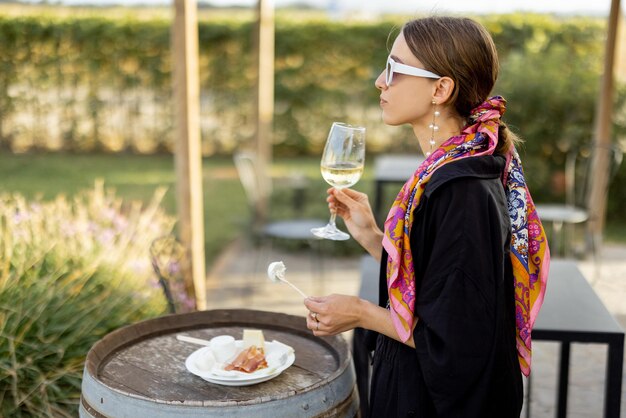
Exploring High-Altitude Wines at Home: How to Find Rare Bottles and Join the Right Wine Club for Delivery
Imagine opening a bottle of wine that tastes like cool mountain air, sun-warmed stone, and wild herbs carried on the wind. High-altitude wines offer exactly that kind of experience—yet many of the most intriguing bottles never reach supermarket shelves.
For curious wine drinkers, discovering rare high-altitude wines and joining a thoughtful, well-curated wine club for home delivery can turn casual sipping into a genuinely engaging hobby. This guide walks through what makes these wines special, how to seek them out, and how to choose an exclusive wine club that fits your taste, budget, and lifestyle.
What Makes High-Altitude Wines So Distinct?
Before searching for clubs or rare bottles, it helps to understand what “high-altitude” really means and why it matters.
What Counts as a High-Altitude Vineyard?
In wine, altitude usually refers to vineyards planted at notably higher elevations than their surrounding regions. The specific number varies by country and local climate, but many wine professionals consider vineyards in mountainous or elevated areas to be “high altitude” when they sit significantly above nearby valley floors.
These vineyards can be found in places such as:
- Mountain valleys and terraces in Europe
- Andean foothills in South America
- Upland sites in Mediterranean regions
- Elevated plateaus or hillsides in North America and beyond
The precise altitude matters less than the effects it creates: cooler temperatures, greater day–night swings, and more intense sunlight.
How Altitude Shapes a Wine’s Character
Wine enthusiasts often describe high-altitude wines as:
- Fresh and vibrant, with lively acidity
- Aromatic, with pronounced floral or herbal notes
- Structured, sometimes with firm tannins and defined texture
These characteristics come from a combination of environmental factors that tend to show up across many high-altitude regions.
Cooler Temperatures and Slower Ripening
Higher elevations are generally cooler than low-lying areas. Grapes often ripen more slowly, which can:
- Preserve acidity, giving wines brightness and lift
- Allow aroma compounds to develop more gradually
- Help avoid overly high sugar levels in many growing seasons
The result can be wines that feel lively rather than heavy, even when the fruit is ripe and flavors are intense.
Stronger Sunlight and Thicker Skins
At altitude, the atmosphere is thinner. Many growers report more intense sunlight and stronger UV exposure. Grapes respond by developing thicker skins, which can influence:
- Color – deeper in many red wines
- Tannins – more structural grip in reds, sometimes more phenolic texture in certain whites
- Aroma concentration – skins hold many flavor and aroma compounds
This combination often leads to wines with clear definition and pronounced structure.
Big Day–Night Temperature Swings
High-altitude vineyards frequently experience a marked difference between daytime warmth and nighttime coolness. This can:
- Support even ripening during the day
- Help grapes retain acidity and aromatics at night
- Encourage a balance of freshness and ripeness
Many drinkers notice these features as wines that feel both intense and refreshing.
Why High-Altitude Wines Are Often Rare and Hard to Find
Even when high-altitude wines are produced in established regions, the most distinctive examples can be surprisingly difficult to locate.
Limited Production and Challenging Growing Conditions
Mountainous and elevated terrain can be:
- Steep and hard to farm
- More vulnerable to frost, hail, or sudden weather shifts
- Less suitable for large-scale mechanized farming
Because of this, many high-altitude vineyards are:
- Small in size, with limited yields
- Managed by family growers or small estates
- Focused on quality over volume
These conditions naturally result in fewer bottles, especially from standout sites.
Local Demand and Niche Export
In some regions, the best high-altitude wines are:
- Snapped up by local restaurants, collectors, or regular visitors
- Sold largely direct from the winery, with limited export
- Known mainly among regional enthusiasts
This means that many exciting bottles never appear in generic online shops or big-box retailers and instead circulate through specialist merchants and curated wine clubs.
Key High-Altitude Wine Regions to Explore
Knowing a few classic high-altitude regions and styles can give you a head start when browsing wine club selections or shop lists. The examples below are not exhaustive but illustrate where to begin your search.
1. Mountain Reds and Whites from Europe
Several European regions have a long history of mountain viticulture:
Alpine regions
- Reds often described as light to medium-bodied, with bright acidity and red-fruited character
- Whites that can be crisp, mineral, and aromatic, sometimes with a touch of alpine herbs
Mediterranean highlands
- Elevated sites near coastal ranges can produce reds that feel sunny yet fresh
- Whites may combine ripe fruit with saline or mineral notes
These wines often appeal to drinkers who enjoy food-friendly structure and nuanced aromatics rather than heavy, high-alcohol styles.
2. Andean Foothills and Plateaus
In several South American countries, vineyards climb far up into Andean foothills and plateaus. From these areas, drinkers often encounter:
- Structured reds with dark fruit, spice, and firm but polished tannins
- Whites and rosés that balance ripe fruit with notable freshness
- Specialty varieties that adapt well to high sunlight and cooler nights
Many enthusiasts associate these wines with clarity of flavor and pronounced aromatics.
3. High-Elevation Sites in North America
Certain North American regions include upland or mountain vineyards that stand apart from surrounding valley floors:
- Reds that may show lifted aromatics and focused tannins
- Whites with crisp acidity and clear fruit definition
- Rosés that feel bright and energetic, well-suited to a range of foods
When you see descriptions like “mountain-grown,” “benchland,” or “high-elevation” in club notes or labels, it can signal a wine shaped by altitude-related conditions.
How to Recognize High-Altitude Wines When You Shop
High-altitude wines are not always labeled as such, but there are practical clues you can use while browsing.
Read Labels and Producer Notes Carefully
Look for words and phrases that hint at altitude:
- “Mountain vineyard,” “high-elevation site,” or “upland vineyard”
- References to specific mountain ranges, terraces, or foothills
- Mentions of cool-climate sites in otherwise warm regions
Some labels include actual elevation figures. Others describe growing conditions like cool nights or steep slopes, which often correlate with altitude.
Pay Attention to Style Descriptors
Wine descriptions from merchants or clubs frequently highlight hallmarks of high-altitude wine:
- “Bright acidity,” “vibrant,” “fresh,” or “racy”
- “Aromatic,” “floral,” “herbal,” or “mountain herbs”
- “Fine-grained tannins,” “structured,” or “mineral”
These words do not guarantee altitude, but when combined with regional clues they can be strong indicators.
Ask for Guidance
If you work with a local merchant or sommelier, you can ask directly for:
- Mountain-grown reds from specific regions
- Cool-climate or high-altitude whites with lively acidity
- Small-lot, high-elevation bottlings from targeted areas
Many wine professionals enjoy pointing interested drinkers toward less obvious, high-quality choices.
Why an Exclusive Wine Club Is Ideal for High-Altitude Wines
High-altitude wines often come from small producers with limited distribution. A well-curated wine club can bridge the gap between these remote vineyards and your doorstep.
Advantages of a Thoughtful Wine Club
A carefully chosen club can offer:
- Access to small producers that may not appear in general retail
- Curated selections that highlight distinctive sites, including high-altitude vineyards
- Educational materials explaining regions, grapes, and farming conditions
Instead of hunting bottle by bottle, you receive regular deliveries that expand your palate while saving time.
What “Exclusive” Usually Means in This Context
“Exclusive” in wine clubs often refers to:
- Limited allocations reserved just for members
- Special bottlings or small-production wines not part of a winery’s standard range
- Priority access to rare or single-vineyard releases
Exclusivity does not always mean luxury pricing; in many cases it means the club prioritizes distinctiveness, scarcity, or origin-specific character.
Choosing the Right Wine Club for High-Altitude Discoveries
Not all wine clubs focus on geography or terroir. To find one that fits your interest in high-altitude wines, it helps to evaluate several factors.
1. Look for a Regional or Terroir-Driven Focus
Clubs that emphasize origin, vineyard site, or terroir are more likely to feature high-altitude bottlings. Descriptions to watch for:
- “Single-vineyard and hillside selections”
- “Cool-climate and mountain-grown wines”
- “Terroir-focused, small producer partnerships”
These clubs often highlight elevation, soil, and microclimate in their notes—a good sign they value the nuances you are seeking.
2. Evaluate the Level of Education and Transparency
For high-altitude wine exploration, information is key. Consider whether the club provides:
- Detailed tasting notes with mentions of vineyard location or elevation
- Producer stories describing their approach to farming and site selection
- Maps, region overviews, or concise background about climate and geography
The more context you receive, the easier it becomes to understand and remember what you enjoy.
3. Check Flexibility and Customization Options
Every wine drinker’s preferences and schedule are different. When reviewing a club, look at:
- Frequency of shipments (monthly, bi-monthly, quarterly)
- Choice of red-only, white-only, or mixed selections
- Options to skip a shipment or adjust your subscription
Flexible clubs make it easier to experiment without pressure, especially while you are still learning which high-altitude regions you like best.
4. Understand the Pricing Structure
Price does not guarantee quality, but certain practical patterns are common:
- Very low monthly prices can limit the club’s ability to work with small, high-altitude producers that farm on challenging sites.
- Mid-range pricing often correlates with access to an interesting mix of everyday and special bottles.
- Higher tiers may unlock rare single-vineyard or strictly allocated wines.
When you weigh cost, look at what is included: number of bottles, shipping considerations, and the level of educational material or exclusivity.
Practical Steps to Discover and Enjoy High-Altitude Wines at Home
To make this exploration easier, here’s a straightforward roadmap from curiosity to your first glass.
Step 1: Define Your Taste Preferences
Even within high-altitude wines, styles vary. Ask yourself:
- Do you prefer crisper whites or richer whites?
- Are you drawn to lighter, fragrant reds or deeper, structured reds?
- Do you enjoy high-acid wines that feel bright, or do you lean toward softer, rounder profiles?
Knowing this helps you communicate with clubs, merchants, or winery representatives.
Step 2: Start with a Small, Focused Selection
Instead of ordering a large assortment, consider beginning with:
- A mixed half-case of high-altitude reds and whites from different regions
- A tasting flight from one region known for elevation, exploring multiple producers
- A trial box from a terroir-focused club that highlights vineyard sites
This allows side-by-side comparison and makes the differences more noticeable.
Step 3: Pay Attention While Tasting
When you open a high-altitude wine, notice:
- Aromas – floral, herbal, spicy, mineral, or fruit-driven?
- Texture – light and delicate, firm and structured, or somewhere in between?
- Balance – how acidity, fruit, tannin, and alcohol interact on your palate
Many enthusiasts keep brief notes or use a simple rating system to track which bottles stand out.
Step 4: Pair Thoughtfully with Food
High-altitude wines often excel at the table. Some general patterns:
- Crisp whites can complement seafood, salads, vegetable dishes, and lightly seasoned poultry.
- Structured reds may pair well with grilled meats, hearty stews, and aged cheeses.
- Lighter reds and rosés can suit charcuterie, roasted vegetables, or simple pasta dishes.
Experimenting with pairings is an effective way to experience how freshness and structure play out with different foods.
Quick Reference: High-Altitude Wine Exploration Tips 🍷⛰️
| Goal | Practical Tip | Why It Helps |
|---|---|---|
| Find rare bottles | Seek clubs or merchants that highlight mountain, hillside, or high-elevation vineyards | These partners tend to work with the types of producers you’re seeking |
| Understand style | Read tasting notes for words like “fresh,” “vibrant,” “mountain herbs,” “mineral” | These descriptors often align with altitude-influenced wines |
| Learn efficiently | Choose clubs with rich producer stories and regional context | Background details deepen appreciation and memory |
| Avoid overwhelm | Start with small mixed selections rather than large orders | Side-by-side comparison makes differences clearer |
| Refine your taste | Keep simple notes on what you like and why | Over time, patterns emerge (regions, grapes, or styles) |
| Enhance enjoyment | Experiment with food pairings that highlight freshness and structure | Good pairings bring out subtleties in aroma and texture |
Signs a Wine Club Is Serious About High-Altitude and Terroir
When browsing potential clubs, certain details in their descriptions can reveal how closely they align with your goals.
Language That Focuses on Place
Clubs that highlight site-specific details often use language like:
- “From steep, terraced vineyards overlooking…”
- “Sourced from cool, elevated plots in…”
- “Single-vineyard selections from mountain foothills…”
This attention to geography tends to correlate with carefully chosen, origin-expressive wines.
Diversity of Regions and Grapes
A club serious about exploration often offers:
- A variety of countries and regions with notable elevation
- Both well-known grapes and less familiar varieties that thrive at altitude
- Occasional themed shipments (for instance, a focus on mountain whites or highland reds)
This range allows you to compare how different landscapes express themselves in the glass.
Member Experience Beyond the Bottle
Some clubs aim to build a sense of community and learning, which can be especially valuable for a niche interest like high-altitude wine. Features may include:
- Virtual tastings or live Q&A sessions with growers or buyers
- Printable or digital tasting sheets for each shipment
- Seasonal guides with serving suggestions and pairing ideas
These elements support confident exploration, particularly if you’re moving beyond familiar grapes and regions.
Storing and Serving High-Altitude Wines at Home
Once you’ve tracked down a few special bottles, a bit of care at home helps them show their best.
Basic Storage Considerations
High-altitude wines follow the same general storage principles as other quality wines:
- Stable, cool conditions away from direct heat sources
- Dark or dim spaces to avoid light exposure
- Sideways storage for cork-sealed bottles to keep corks from drying out
Specialized wine refrigerators can be useful when you plan to keep a collection for extended periods, though many drinkers get started using a cool, interior closet or cabinet.
Serving Temperature and Glassware
To highlight freshness and structure:
- Whites and rosés often taste best slightly chilled but not extremely cold; very low temperatures can mute aromatics.
- Reds typically show more nuance when served a bit cooler than a warm room, which can emphasize their brightness.
Standard wine glasses with moderate bowl size work well for most high-altitude wines; overly small glasses can limit aromatics, while very large glasses may not be necessary unless the wine is particularly concentrated.
When to Open: Now or Later?
Many high-altitude wines are crafted to be pleasurable when young, showcasing fresh fruit and vivid acidity. Others, especially more structured reds, may develop additional complexity with some years of cellaring.
Wine club notes or producer descriptions sometimes indicate whether a bottle is intended for:
- Immediate enjoyment
- Short-term aging (a few years)
- Longer-term cellaring for more evolved flavors
If no guidance is provided, some enthusiasts open one bottle early and save another to compare later.
Sample High-Altitude Wine Club Experience: What It Might Look Like
While specific offerings vary, a month in a high-altitude–focused club might include:
- A crisp, aromatic white from a cool, mountain-influenced region, with tasting notes describing alpine herbs and stone fruit
- A structured red from high foothills, emphasizing dark fruit, spice, and finely textured tannins
- A lighter, fragrant red or rosé from an upland site, positioned as a versatile food wine
Accompanying materials might explain:
- The altitude and location of each vineyard in broad terms
- How local climate and terrain influence style
- Suggested serving temperatures and food pairings
Over time, you begin to recognize recurring characteristics you associate with high-altitude conditions—both in flavor and in how the wines feel on your palate.
A Simple Action Plan to Start Your High-Altitude Journey ✨
To turn interest into actual glasses poured at home, you might:
Clarify your goals
- Decide whether you want to focus on red, white, or mixed selections.
- Determine a comfortable budget and shipment frequency.
Research a few terroir-focused clubs
- Look for references to hillside, mountain, or high-elevation vineyards.
- Examine the detail level of their tasting notes and educational materials.
Begin with a trial period
- Choose a membership or introductory box that does not require a long commitment.
- Use the first few shipments to assess whether the selections align with your taste.
Take simple notes on each bottle
- Record general impressions: like/dislike, aromas, body, and acidity.
- Notice which regions, grapes, or producers you’re consistently drawn to.
Adjust your membership as you learn
- Shift toward red-only, white-only, or premium tiers if that suits your evolving preferences.
- Explore add-on offers when a particular producer or region captivates you.
Bringing the Mountains to Your Glass
High-altitude wines offer a distinctive combination of freshness, aromatic detail, and structural clarity that many wine lovers find especially compelling. Because these bottles often come from small, remote, and carefully tended vineyards, they can be challenging to locate in everyday retail channels.
By focusing on regions known for elevation, learning to spot altitude-related clues in labels and tasting notes, and choosing a thoughtfully curated, terroir-driven wine club, you can bring a world of mountain-influenced wines directly to your home.
Over time, each shipment becomes more than just a delivery—it becomes a guided exploration of how altitude, climate, and landscape shape what you taste in the glass. As you learn your own preferences, you build a personal map of high-altitude wine, one bottle and one vineyard at a time.