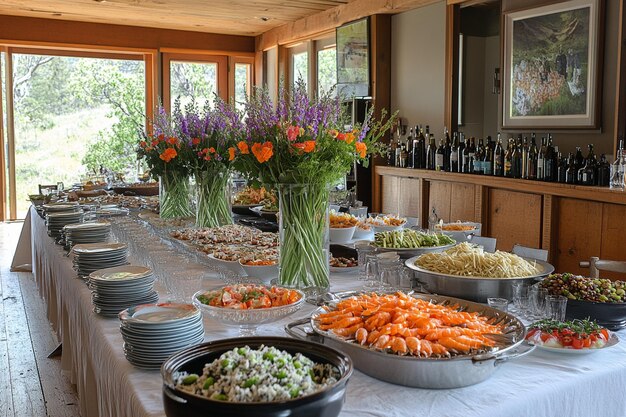
How to Choose the Perfect Catering Service for Outdoor & Wedding Events
The food and drink at an event are usually what guests remember most—sometimes even more than the décor or the music. For outdoor parties and especially for weddings, the right catering service can turn a nice gathering into an unforgettable experience. The wrong one can lead to cold food, long lines, and stressed hosts.
Choosing a catering company isn’t just about picking a menu. It’s about finding a partner who understands your vision, your venue, your budget, and your guests’ needs. This guide walks through how to evaluate, compare, and confidently choose the right catering service for outdoor events and weddings.
Understanding Your Event Before You Contact Caterers
Before you start emailing or calling catering companies, it helps to have a clear sense of what you actually need. This allows you to ask better questions and quickly rule out services that aren’t a fit.
Clarify Your Event Type and Vision
Outdoor and wedding events can vary widely:
- Formal wedding reception with plated courses and a sit-down dinner
- Casual backyard celebration with a barbecue buffet or food stations
- Garden cocktail party with passed hors d’oeuvres and a bar
- Beach or park event with a picnic-style or food truck setup
Having a basic picture of the experience you want—formal, semi-formal, or casual—guides everything from the type of caterer you choose to the equipment they’ll need.
Ask yourself:
- Do you picture a formal multi-course meal or a relaxed buffet or family-style service?
- Is your event daytime or evening? Indoors for part of it, or fully outdoors?
- Do you want a traditional menu or something more creative or themed (e.g., Mediterranean, plant-based, farm-to-table)?
Estimate Guest Count and Demographics
Caterers typically price according to guest count, type of service, and menu choices. You don’t need an exact number but a realistic estimate helps:
- Approximate number of adults vs. children
- Whether you expect big eaters or more light, grazing-style guests
- The presence of older guests or very young children who may need gentler options
This affects portion planning, seating, and the style of food that will work best.
Identify Dietary Needs and Preferences
Most events now include guests with varied dietary requirements. Early planning helps you find a caterer equipped to handle them.
Consider:
- Vegetarian or vegan guests
- Gluten-free or dairy-free needs
- Religious or cultural dietary rules (e.g., halal, kosher-style, no pork, no alcohol)
- Allergies (nuts, shellfish, eggs, etc.)
Look for caterers who regularly handle these needs, not those who treat them as an exception. This can be a major factor in choosing one service over another.
The Unique Challenges of Outdoor & Wedding Catering
Outdoor catering is very different from serving in a fully equipped indoor venue. Wedding catering adds another layer of expectations, timing, and formality.
What Makes Outdoor Catering Different?
Outdoor events often involve:
- Limited kitchen access or none at all
- Weather variability: heat, cold, wind, rain
- Distance from power and water sources
- Transporting food safely to and from the site
A strong outdoor caterer will have plans and equipment to manage these realities.
Key capabilities for outdoor catering include:
- Portable cooking gear (grills, ovens, burners)
- Refrigeration and safe food holding systems (coolers, insulated carriers)
- Tents or coverings for food prep and service areas
- Backup plans for rain, wind, or extreme temperatures
When evaluating a caterer, explore how they handle these practical issues—not just how good their food tastes.
What Makes Wedding Catering Special?
Wedding catering is about more than serving food—it’s part of a carefully timed experience:
- Coordinating with the ceremony schedule
- Synchronizing with photography, speeches, and dancing
- Handling multiple elements: appetizers, main meal, dessert, cake cutting, bar service
- Managing table settings, linens, and sometimes rentals
Experienced wedding caterers will be comfortable:
- Creating a detailed timeline for the reception
- Working with planners, venues, and other vendors
- Keeping food on schedule even if certain parts of the event run late
If you’re planning a wedding, weigh a caterer’s wedding experience as heavily as their culinary skills.
Types of Catering Services to Consider
Different types of catering services can work for outdoor and wedding events, depending on your style and budget.
Full-Service Catering
What it includes:
- Menu planning and food preparation
- On-site cooking (if needed)
- Service staff (servers, bussers, sometimes bartenders)
- Setup and breakdown of food areas
- Sometimes rentals (tableware, linens, etc.)
Best for:
Weddings and larger outdoor events where you want a cohesive, streamlined experience and don’t want to manage many details yourself.
Drop-Off or Delivery Catering
What it includes:
- Food prepared off-site and delivered ready to eat (or to be warmed)
- Often in disposable or simple serving containers
- Limited or no on-site staff
Best for:
Casual outdoor gatherings, picnics, rehearsal dinners, or post-wedding brunches where self-service is acceptable and the event is simpler.
Food Trucks & Specialty Vendors
What they offer:
- A focused menu (e.g., tacos, pizza, burgers, desserts) served directly from a truck or cart
- A distinctive, fun atmosphere
Best for:
Outdoor receptions, late-night wedding snacks, or informal celebrations where a relaxed, street-food style works.
Some couples use a hybrid approach: a traditional caterer for the main meal plus a specialty truck or cart for dessert or late-night food.
How to Build a Shortlist of Potential Caterers
Once you know your basics (event style, guest count, budget range), you can start building a shortlist.
Sources to Explore
- Venue recommendations: Many venues maintain an approved or preferred caterers list who already know the site rules and layout.
- Word of mouth: Ask friends, colleagues, or family who have hosted weddings or outdoor parties.
- Planners and coordinators: If you’re working with an event planner, they often have strong insights into which caterers perform reliably.
- Local searches: Online searches can help find caterers specializing in outdoor or wedding events in your area.
As you research, note:
- Who explicitly mentions outdoor events or wedding catering
- Sample menus, photos, and event styles they showcase
- Any clues about minimum guest counts or budget ranges
Key Criteria for Evaluating Catering Services
Once you have a shortlist, it’s time to compare. The following aspects tend to matter most for outdoor and wedding catering.
1. Menu Style, Quality, and Flexibility
Look beyond the standard packages.
Consider:
- Culinary style: Classic, modern, rustic, fine dining, culturally specific, etc.
- Ingredient approach: Are they open about freshness, seasonal options, and sourcing?
- Customization: Can they adapt dishes or create special items that reflect your story or culture?
- Dietary accommodations: Do they offer clear vegetarian, vegan, gluten-free, or allergy-aware options?
Ask whether they can:
- Switch sides or proteins across packages
- Create a separate kids’ menu
- Offer late-night snacks or special dessert tables
A good fit will feel collaborative, not rigid.
2. Experience with Outdoor Events
For outdoor events, this is non-negotiable. Explore:
- How often they cater outdoor weddings or events
- Whether they’ve worked at your specific venue or similar sites
- How they handle:
- Hot weather (safe holding temperatures, shade for food)
- Cold weather (keeping food warm, guest comfort)
- Rain or wind (backup tents, changes to service)
You can ask for examples of past outdoor events they’ve executed and how they handled any challenges.
3. Experience with Weddings
For weddings, look for:
- Familiarity with wedding day timing
- Comfort coordinating with other vendors
- Ability to manage toasts, cake cutting, and special moments alongside meal service
Ask them to walk you through how they typically structure:
- Cocktail hour
- Dinner service
- Dessert and coffee
- Bar closing
You’re looking for a clear, professional process, not improvisation on the day.
4. Service Style Options
Different service styles affect cost, guest experience, and logistics.
Common options:
- Plated service: Guests are served individually at their seats. Feels formal, requires more staff, and is usually more structured.
- Buffet: Guests serve themselves from a buffet line. More relaxed, can offer more variety, but can create lines if not well managed.
- Family-style: Large platters served to each table to share. Social and elegant, but requires enough table space.
- Food stations: Different themed stations (pasta, carving, tacos, etc.) where guests visit in smaller groups. Interactive and flexible.
Discuss what they recommend for your guest count, space, and budget.
Budgeting and Understanding Catering Costs
Catering can be one of the largest event expenses, so clarity matters.
Elements That Influence Price
Typical factors include:
- Number of guests
- Type of service (plated usually costs more than buffet due to labor)
- Menu choices (premium proteins, seafood, and specialized ingredients increase costs)
- Staffing levels (servers, bartenders, chefs, event captain)
- Rentals (tableware, linens, glassware, chairs, tents if provided)
- Bar service (open bar vs. cash bar vs. limited selections)
- Travel and logistics (distance to your venue, complexity of setup)
Ask caterers to break down their estimates so you can understand where your money is going.
Questions to Ask About Pricing
- What exactly is included in the per-person price?
- Are there service or administrative fees?
- Are gratuities included or separate?
- Are there minimum guest counts or spending levels?
- How do they charge for children’s meals?
- How are tastings handled—complimentary or fee-based?
This clarity helps you compare proposals fairly and avoid surprise charges.
Essential Questions to Ask Potential Caterers
When you speak with a caterer—whether by email, call, or in person—it helps to have a structured list of questions.
Practical & Logistical Questions
- Are you available on our date and at our venue?
- Have you catered outdoor events at this venue or similar locations before?
- What do you need in terms of kitchen space, power, and water?
- How early do you arrive, and how long do you stay for setup and breakdown?
- Do you handle trash and cleanup related to food service?
Food & Menu Questions
- Can we customize the menu or is it limited to set packages?
- How do you handle dietary restrictions and allergies?
- What is your approach to seasonal ingredients?
- Do you offer kids’ meals or simpler options for certain guests?
- Can you provide sample menus for events similar to ours?
Staffing & Service Questions
- How many servers and staff do you recommend for our guest count?
- Will there be an on-site event lead or captain on the day?
- How do you handle buffet lines or stations to reduce wait times?
- Can staff assist with tasks like pouring champagne for toasts or cutting and serving cake?
Safety, Licensing, and Insurance
- Do you have appropriate licensing for food service and (if applicable) alcohol?
- Do you carry liability insurance?
- How do you manage food safety during transport and service, especially outdoors?
The way a caterer answers these questions tells you as much as the answers themselves. Look for clear, confident responses and a willingness to explain.
Tastings: What to Look For Beyond Taste
Tastings are often the most enjoyable part of the selection process, but they’re also a valuable evaluation tool.
How to Prepare for a Tasting
- Bring a short list of must-have dishes or flavors.
- Share your budget range and guest count ahead of time.
- Note any dietary needs so they can be reflected.
During the tasting, consider:
- Flavor and balance: Are dishes seasoned well and harmonious?
- Temperature and texture: Does hot food taste fresh and hot? Does cold food feel crisp or appropriately chilled?
- Presentation: How is food plated? Can you envision it in the style of your event?
- Portion size: Do portions match what you’d expect for a full meal?
Equally important: your interaction with the team.
- Are they listening to feedback?
- Are they open to adjustments?
- Do they explain how dishes will be adapted to larger-scale service?
Comparing Proposals and Making a Decision
Once you’ve gathered proposals from several caterers, it’s time to compare concretely.
Simple Comparison Snapshot 📝
Use a quick table or checklist to compare key elements:
| Factor | Caterer A | Caterer B | Caterer C |
|---|---|---|---|
| Outdoor experience | |||
| Wedding experience | |||
| Menu flexibility | |||
| Dietary accommodations | |||
| Service style options | |||
| Estimated total cost | |||
| Included rentals | |||
| Bar service options | |||
| Responsiveness & clarity | |||
| Overall gut feeling |
This kind of overview helps you compare more than just price.
Red Flags to Watch For
Some signs that a caterer might not be the best fit include:
- Slow or unclear communication
- Vague or incomplete proposals without itemized details
- Limited or no experience with events like yours (outdoor or wedding-specific)
- Resistance to discussing dietary needs
- Overpromising without clear logistics or staff plans
Consistent, transparent communication is a strong indicator of how smoothly things may go on the event day.
Planning Details with Your Chosen Caterer
Once you choose a caterer, the focus shifts to fine-tuning the plan.
Finalizing the Menu
Work with them to:
- Confirm appetizers, mains, sides, and desserts
- Design kids’ plates if needed
- Label or specify diet-friendly dishes for those with restrictions
- Plan for late-night snacks if your event runs long
You can also discuss seasonal substitutions so they can adjust to ingredient availability without compromising quality.
Mapping Out the Event Timeline
Coordinate with your caterer and other vendors to shape a realistic flow:
- Guest arrival and cocktail hour
- Speeches and toasts
- Main meal service (plated or buffet timing)
- Dessert, cake cutting, coffee
- Bar closing time
This timeline helps ensure that food is served at its best and that guests are never left waiting too long.
Coordinating Rentals and Setup
Clarify:
- Who provides tables, chairs, linens, plateware, and glassware?
- Who arranges tents or coverings for outdoor food and bar areas?
- Where buffets, bars, and stations will be located?
A site visit with your caterer and/or planner can make a big difference for outdoor events, helping identify power sources, traffic flow, and backup plan locations.
Quick Checklist: Choosing the Right Catering Service ✅
Here’s a skimmable summary of practical steps and tips:
- 🥗 Define your event style (formal, semi-formal, casual) and service preference (plated, buffet, stations, family-style).
- 👥 Estimate guest count and dietary needs so caterers can quote accurately and plan inclusive menus.
- 🌳 Prioritize outdoor experience: ask how they handle weather, on-site cooking, and food safety outside.
- 💍 For weddings, look for specific wedding expertise and a clear approach to timelines and coordination.
- 📋 Gather detailed proposals from a shortlist of caterers—ensure each includes staffing, rentals, and bar options where relevant.
- 🍽️ Schedule tastings to evaluate flavor, presentation, and communication, not just how good one dish tastes.
- 💬 Ask structured questions about logistics, staffing, licensing, and insurance to understand their professionalism.
- 💸 Compare costs transparently, breaking down per-person charges, service fees, and any extras.
- 🤝 Assess communication and reliability: timely responses and clear explanations are as important as the menu.
- 🔁 Confirm details in writing: menu, timeline, staffing, setup, breakdown, and payment schedule.
Bringing It All Together
Food is central to how guests experience outdoor events and weddings. The right catering service does much more than deliver meals; it supports the mood, pacing, and comfort of the entire day.
By understanding your event vision, asking precise questions, and weighing both taste and logistics, you can move from feeling overwhelmed by options to feeling confident in your choice. The goal is a partner who can translate your ideas into a well-orchestrated dining experience that feels effortless to your guests—even though you now know how much planning sits behind it.