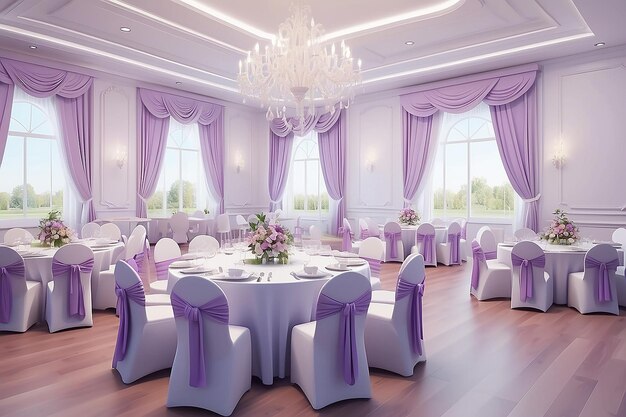
How to Choose the Ideal Banquet Hall and Catering Service for Your Wedding or Event
The food and venue are often what guests remember most after a wedding or big celebration. Long after the flowers fade and the decorations come down, people still talk about the amazing buffet, the cozy atmosphere, or the awkwardly crowded dance floor.
Choosing the right banquet hall and catering service can shape the entire experience of your event—how guests feel, how smoothly things run, and how you remember the day years later.
This guide walks through the process step by step, so you can move from “overwhelmed” to “organized” and confident in your decisions.
Clarifying Your Vision Before You Start Searching
Before touring banquet halls or tasting menus, it helps to be clear on what you actually want your event to feel like.
Define the Type of Event and Atmosphere
Ask yourself:
- Is this a formal wedding, a casual engagement party, a milestone birthday, a corporate event, or a family celebration?
- Do you imagine something elegant and grand, intimate and cozy, or modern and minimalist?
- Will the event be daytime or evening?
- Is there any cultural or religious element that affects the venue or food (e.g., specific dietary laws, traditional ceremonies, or rituals)?
A traditional, sit-down wedding dinner has very different needs than a cocktail-style networking event. Your answers will influence:
- Hall size and layout
- Seating plan and stage requirements
- Type of catering service (buffet, plated, family-style, canapés)
- Décor and lighting options
The clearer your vision, the easier it is to filter through the many banquet halls and catering options.
Estimate Guest Count and Budget Range
You do not need exact numbers, but an estimate is important.
- Guest count affects hall size, number of tables, catering cost, and staffing.
- Budget range helps you avoid falling in love with a venue or menu you cannot realistically afford.
Think in ranges instead of fixed numbers:
- Guests: for example, 80–100 vs. exactly 92
- Budget: for example, modest, mid-range, or premium rather than a single figure
This gives you flexibility during negotiations while still setting reasonable expectations.
Key Factors When Choosing a Banquet Hall
The banquet hall is more than just a room; it sets the backdrop for every photo, toast, and memory.
1. Location and Accessibility
Location is often one of the first filters people use.
Consider:
- Proximity to ceremony site (for weddings)
- Distance from major roads or public transportation
- Travel time for most guests
- Parking availability (onsite parking, nearby lots, or valet options)
- Accessibility for guests with mobility needs (elevators, ramps, accessible restrooms)
When the venue is easy to find and convenient to reach, guests tend to arrive more relaxed and on time.
2. Capacity and Layout
Venues usually list a maximum capacity, but it is worth asking what that number means in practice.
Clarify:
- Capacity for seated dinner vs. cocktail-style events
- How many guests fit comfortably with a dance floor, DJ/band, and stage
- Options for different room layouts (round tables, long banquet tables, theater-style seating)
- Whether there are separate areas for ceremony, cocktail hour, and reception
A room that technically holds 200 people might feel cramped once tables, stage, buffet stations, and décor are added.
Ask to see floor plans or examples from similar events to understand the true capacity.
3. Style and Ambiance
Every banquet hall has its own character: classic ballroom, rustic barn, sleek loft, garden-style, or hotel conference space.
Check whether the existing décor supports your vision or whether you would need to transform it with significant extras (linens, lighting, drapery, florals).
Key elements to look at:
- Ceiling height and lighting
- Wall and carpet colors
- Natural light vs. artificial lighting
- Overall mood: cozy, bright, dramatic, romantic, minimalist
A hall that already aligns with your style often reduces the need for heavy decoration and can be more cost-effective.
4. Available Facilities and Amenities
A well-equipped banquet hall can make the event smoother and minimize outside rentals.
Ask about:
- Tables, chairs, linens, and tableware: what is included and what can be upgraded
- AV equipment: microphones, speakers, projectors, screens
- Lighting options: dimmers, spotlights, decorative lighting
- Bridal or green room: private space for getting ready or taking a break
- Children’s area: if you expect many kids, is there space for a small play zone?
- Restroom quality and proximity: clean, spacious, accessible
Also discuss setup and breakdown times. Some venues allow setup the day before; others provide a limited window on the event day.
5. In-House vs. External Catering
Some banquet halls offer:
- In-house catering only
- In-house catering preferred, but allow outside caterers with conditions
- Open vendor policy, allowing you to bring any licensed caterer
This policy shapes your flexibility in choosing menus and cuisines.
If you have specific dietary, cultural, or religious needs, confirm early whether the venue policy can accommodate them.
Essential Considerations When Selecting a Catering Service
Food can be the highlight—or the disappointment—of an otherwise beautiful event. Aligning your catering choices with your event style and guest needs is central to a successful celebration.
1. Cuisine, Menu Style, and Flexibility
Start by clarifying the type of food experience you want:
- Plated multi-course meal: Structured, elegant, and timing-focused
- Buffet or food stations: More variety and interaction, slightly more casual
- Family-style service: Shared platters at each table for a communal feel
- Cocktail reception with canapés: Ideal for shorter or more social events
Then consider:
- Does the caterer specialize in the cuisine you want (local, regional, fusion, or specific cultural traditions)?
- Are they able to customize menus or do they only offer fixed packages?
- Can they incorporate favorite dishes, family recipes, or cultural specialties?
Caterers who regularly handle weddings and large events are often comfortable adjusting to themes like vegetarian-focused menus, brunch receptions, or late-night snack stations.
2. Dietary Requirements and Allergies
Many events include guests with specific dietary needs:
- Vegetarian or vegan
- Gluten-free
- Nut-free
- Dairy-free
- Halal, kosher-style, or other religious/cultural requirements
Ask how the caterer:
- Labels dishes and communicates ingredients
- Prevents cross-contact between allergens where relevant
- Offers equivalent alternatives for guests with dietary requests (not just a basic salad or side dish)
Providing thoughtful options can make guests feel included and cared for.
3. Food Quality, Presentation, and Consistency
When comparing caterers, consider not just the menu but the overall food experience:
- Flavor and seasoning: balanced and enjoyable for a wide range of palates
- Temperature control: hot food served hot, cold dishes kept cold
- Food presentation: plating aesthetics, buffet display, garnishes
- Portion size: generous enough to satisfy without excessive waste
Tasting sessions, if available, offer a preview, but actual event service can vary. Discuss:
- How they maintain quality when serving large groups
- Their staffing levels for your event size
- How courses are timed to avoid long gaps between dishes
4. Service Style and Staffing
A well-trained catering team contributes significantly to how smoothly the event runs.
Points to clarify:
- Staff-to-guest ratio: How many servers, bartenders, and supervisors will be present?
- Role separation: Who handles food service, bar, cleanup, and coordination?
- Dress code: What uniforms do staff wear—are they appropriate for your event’s tone?
Also ask if they provide:
- Event captain or manager on-site as a point of contact
- Setup and breakdown crew for table settings, buffet, and service stations
- Support for cake cutting, tea/coffee service, or late-night snacks
5. Beverage Options and Bar Setup
Beverages are often a major part of catering decisions.
Common approaches:
- Open bar: Host covers all drinks for a set period
- Limited bar: Only certain beverages (e.g., wine, beer, soft drinks)
- Cash or consumption bar: Guests pay for their own drinks, or hosts pay per drink ordered
- Non-alcoholic focus: Specialty mocktails, juices, flavored waters, teas, and coffees
Ask whether:
- The banquet hall or caterer provides bar staff, glassware, and mixers
- You can bring your own alcohol (often with corkage fees)
- There are options for signature cocktails or themed drinks
Timeline: When to Book Hall and Catering
Event planning commonly follows a timeline, especially for weddings or large celebrations.
General Timeframe
- Banquet hall booking: Often one of the first major decisions, typically done many months in advance for popular dates such as weekends, holidays, or peak wedding seasons.
- Catering service: If in-house catering is required, the menu planning is often done after booking the hall. If you are hiring an external caterer, booking also tends to happen months ahead, especially for well-known providers.
For smaller events or off-peak days, there may be more flexibility, but last-minute availability is never guaranteed.
Key Milestones to Aim For
Here is a simplified planning outline (adjust according to your event date):
| Stage | What to Focus On |
|---|---|
| Early planning | Define vision, estimate budget, draft guest list |
| 1st round of research | Shortlist banquet halls and catering options, read descriptions and packages |
| Venue visits | Tour top halls, discuss dates, capacity, policies |
| Secure venue | Reserve date with deposit, review contract terms |
| Catering decision | Choose in-house or external catering, confirm basic structure (buffet/plated) |
| Menu planning | Select dishes, discuss dietary needs, schedule tasting if available |
| Final confirmations | Confirm final guest count, seating plan, service timeline, special requests |
Staggering decisions over time makes the process more manageable and reduces last-minute pressure.
Important Questions to Ask Banquet Halls and Caterers
Planning a large event involves many details. A structured set of questions can help you gather comparable information.
Questions for Banquet Halls
Availability and pricing
- Is my preferred date and time available?
- What is the total cost, and what exactly does it include?
- Are there peak and off-peak rates?
Policies and logistics
- Is there a minimum or maximum guest requirement?
- What are the payment schedule and cancellation or rescheduling policies?
- Is there a curfew or specific event end time?
Services included
- What furniture, linens, tableware, and décor items are provided?
- Is basic AV equipment available, and is there an additional fee?
- Are setup and cleanup included in the pricing?
Vendor rules
- Do you have preferred or exclusive vendors?
- Are external caterers, decorators, DJs, or photographers allowed?
- Are there any vendor approval or insurance requirements?
Food and beverages
- Is catering in-house, or can we bring our own caterer?
- Can we bring our own cake or desserts, and is there a cutting fee?
- What are your policies for alcohol?
Guest comfort
- Is the venue accessible for guests with disabilities?
- Is there climate control (heating/air conditioning)?
- Is there a designated area for kids, elders, or nursing parents, if needed?
Questions for Catering Services
Experience and capabilities
- How many events of similar size do you handle regularly?
- Are you familiar with our type of event (wedding, corporate, cultural celebration)?
Menu and flexibility
- Can we customize menus based on our preferences and budget?
- How do you accommodate allergies, religious restrictions, or special diets?
- Do you offer tastings, and is there a fee?
Service details
- What is included in your per-person or package pricing (staff, tableware, etc.)?
- How do you handle buffet refills or plated service timing?
- Is there an event manager or captain on-site?
Beverages
- Do you provide bar services? What are the options?
- Can we supply our own alcohol, and if so, is there a corkage fee?
Logistics and leftovers
- When do you arrive to set up, and how long does breakdown take?
- How do you handle food safety (transport, storage, temperature control)?
- What happens to leftover food?
Balancing Budget with Quality
Price is a major factor, but value involves more than the lowest quote.
Understanding What You’re Paying For
Banquet hall and catering costs are influenced by:
- Location and popularity of the venue
- Event day and time (weekends vs. weekdays, high vs. low season)
- Guest count and service style
- Menu complexity and ingredient quality
- Staffing levels and included services (coordination, décor, rentals)
Instead of looking only at per-person rates, compare what is included:
- Are linens, chairs, and tableware part of the package or separate?
- Does the caterer include staff, setup, and cleanup?
- Are taxes and service charges included in price estimates?
A slightly higher quote that covers more services can sometimes be better value than a lower base price with multiple add-ons.
Ways People Often Manage Costs
Many hosts manage costs by making targeted adjustments:
- Choosing a buffet or family-style meal instead of a fully plated multi-course dinner
- Offering a limited bar instead of a full premium open bar
- Opting for seasonal and locally available ingredients
- Simplifying dessert options or combining wedding cake with the dessert course
- Holding the event on a weekday or off-peak date where rates may be lower
These shifts can allow you to protect overall quality while still aligning with your financial comfort zone.
Coordinating Décor, Layout, and Food Experience
A cohesive event is one where the banquet hall, catering, and décor feel intentionally connected.
Matching Layout to Food Service
The room setup affects guest flow and comfort, especially during meals.
Consider:
- Buffet layout: Enough space for lines, clear paths, and easy access for all tables
- Bar placement: Avoid crowding near entrances or restrooms
- Dance floor location: Central enough to draw guests but not block servers
- Stage or DJ location: Visible, with access to power outlets and not directly blocking service routes
Work with the hall coordinator and caterer to review a floor plan and identify potential bottlenecks.
Aligning Décor and Menu
Guests often perceive the event as harmonious when the food matches the theme:
- Rustic or garden-style wedding: seasonal dishes, fresh herbs, simple yet elegant plating
- Modern, minimalist setting: clean presentation, refined small plates, contemporary flavors
- Traditional cultural celebration: classic dishes, family recipes, or regionally-inspired stations
Use small details to tie things together, such as:
- Menu cards that match invitations
- Signature drinks that reflect your story or theme
- Dessert or snack tables styled in your event colors
Quick Checklist: Banquet Hall and Catering Essentials
Use this as a simple reference as you plan.
✅ Banquet Hall Checklist
- 📍 Convenient location and clear directions
- 🚗 Adequate parking or transport access
- 🧍♀️ Capacity matches guest count and layout needs
- 🎭 Style fits your event vision with minimal extra décor
- 🎤 Basic AV and lighting options available
- 🧺 Tables, chairs, linens, and tableware provided or clearly priced
- ♿ Accessible entrances, restrooms, and seating
- 📄 Clear contract (fees, timings, policies, vendor rules)
✅ Catering Checklist
- 🍽️ Menu style suits the event (plated, buffet, family-style, cocktail)
- 🌱 Dietary needs and cultural requirements can be accommodated
- 🧑🍳 Caterer has experience with your event type and size
- 🍷 Beverage and bar options are clear and appropriate
- 👩💼 Adequate staffing and on-site manager/captain
- 🕒 Clear timeline for setup, service, and breakdown
- 📦 Policy on leftovers and food safety is explained
- 💰 Pricing includes all relevant charges and services
Common Pitfalls and How to Avoid Them
Many hosts navigate venue and catering decisions for the first time and run into similar challenges. Awareness can help you avoid them.
Overfilling the Space
Choosing a hall based only on maximum listed capacity can lead to a cramped experience once décor, dance floor, and buffet are added.
Consider:
- Asking the venue for realistic numbers for your preferred setup
- Leaving some “breathing room” in your guest list for comfort
Underestimating Timing
If catering prep, ceremony, and reception are all in one place, timelines can become tight.
Consider:
- Building buffer time into your schedule
- Confirming how long setup and breakdown actually take
- Clarifying when vendors can access the space
Ignoring Acoustics and Sound
A beautiful room with hard surfaces can become very loud once filled with people, music, and clinking cutlery.
Consider:
- Asking the hall about sound levels during past events
- Positioning speakers, DJ, and band thoughtfully
- Spacing tables so guests can talk comfortably
Overcomplicating the Menu
Extremely long or complex menus can lead to long service times and overwhelmed guests.
Consider:
- Focusing on a smaller number of well-executed dishes
- Offering variety through a few strong options rather than many similar ones
- Checking with the caterer about realistic timing for each course
Bringing It All Together
Selecting the right banquet hall and catering service is less about finding the “perfect” option in absolute terms and more about choosing what fits your priorities, your guests, and your vision.
By:
- Clarifying the type of event and atmosphere you want
- Understanding guest count, budget, and dietary needs
- Carefully evaluating location, capacity, ambiance, and facilities
- Comparing catering menus, service styles, and logistics
- Asking detailed questions about policies, inclusions, and responsibilities
you create a foundation for an event that feels thoughtful, smooth, and enjoyable for everyone involved.
Food and space are at the heart of any gathering. When the banquet hall supports your plans and the catering truly reflects your tastes and values, the result is an experience people remember not just for how it looked, but for how it felt to be there.