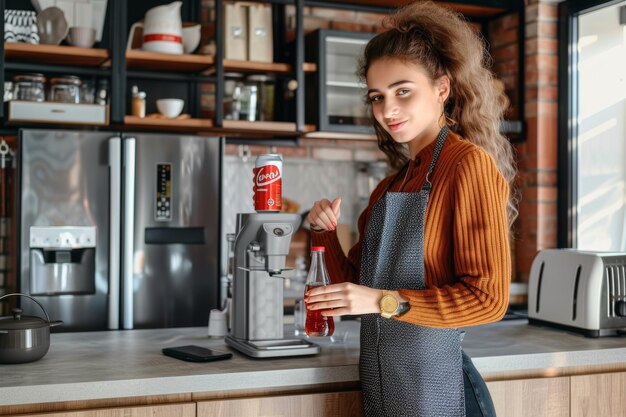
How To Pick the Right Single-Serve Coffee Maker and K‑Cup Machine for Your Home
You roll out of bed, hit a button, and in under a minute a hot cup of coffee is waiting. That’s the promise of single-serve coffee makers and K‑Cup machines—speed, convenience, and minimal mess.
But once you start shopping, the options can feel overwhelming: pod types, brew sizes, milk frothers, water filters, reusable pods, strength controls, and more. The good news is that you don’t need to know everything about coffee to make a smart choice. You just need to know what matters for your kitchen, your routine, and your taste.
This guide walks through the key decisions step by step so you can confidently choose the best single-serve coffee maker or K‑Cup machine for your home.
Understanding Single-Serve & K‑Cup Coffee Makers
Before comparing features, it helps to clarify some basic terms. Many people use them interchangeably, but they don’t always mean the same thing.
What Is a Single-Serve Coffee Maker?
A single-serve coffee maker is any machine designed to brew one cup or mug at a time. It can use:
- Pods or capsules (like K‑Cups or other proprietary pods)
- Ground coffee loaded into a dedicated single-serve filter basket
- Soft pods (flat, tea-bag-like coffee pods)
- Reusable capsules that you fill with your own coffee
The core idea is the same: quick, convenient coffee with minimal cleanup.
What Is a K‑Cup Machine?
A K‑Cup machine is a specific type of single-serve coffee maker that uses K‑Cup pods. These are sealed, plastic or similar capsules with pre-measured ground coffee. The machine punctures the top and bottom of the pod, pushes hot water through, and dispenses the brewed coffee into your cup.
Many modern single-serve brewers can handle:
- K‑Cup style pods
- Other compatible pods or capsules
- Reusable pods filled with ground coffee
So you will see the terms “K‑Cup coffee maker” and “single-serve coffee maker” overlapping. When comparing machines, focus less on the label and more on what they actually brew and how they fit your routine.
Step 1: Clarify Your Coffee Habits and Household Needs
The “best” machine depends heavily on how you drink coffee. A few honest questions up front can narrow your choices quickly.
How Many People Use the Machine?
Consider:
- Single user: You may prioritize compact size, quiet operation, and simple controls.
- Couple or small household: You might want a larger water reservoir, multiple cup sizes, and possibly a hot water option for tea drinkers.
- Busy household or home office: A larger reservoir, fast heat-up, and durable build become more important.
How Often and When Do You Drink Coffee?
- One cup in the morning: A basic pod machine may be enough.
- Multiple cups throughout the day: Look for a machine that reheats quickly, has a generous reservoir, and uses energy efficiently.
- Occasional use: You may prefer a budget-friendly model without many extras, as long as it is easy to maintain.
What Do You Actually Drink?
Think about your go‑to drinks:
- Drip-style coffee only: Simple single-serve brewers or K‑Cup machines with standard coffee pods are sufficient.
- Espresso-style or strong coffee: You may want:
- A dedicated espresso pod system, or
- A K‑Cup brewer with a “strong” or “bold” setting and espresso-style pods.
- Lattes and cappuccinos: Look for:
- A built‑in milk frother (steam wand or whisk-style frother), or
- Compatibility with separate frothers and specialized pods.
- Hot cocoa, tea, or specialty drinks: Machines that offer hot water on demand or a wide range of compatible pods can be handy.
How Much Space Do You Have?
Single-serve machines range from slim, travel-friendly units to wide machines with dual-function brewers and milk systems. Measure:
- Counter depth and height (especially under cabinets)
- Width available next to other appliances
- Distance to power outlets
A sleek, compact machine may be better than a feature-rich one if counter space is tight.
Step 2: Decide on Pod Type vs. Ground Coffee
One major decision is whether you want to use pods only, ground coffee, or both.
Option 1: Pod-Only Machines
Pros:
- Very quick and convenient
- Minimal mess—no loose grounds
- Consistent coffee strength (pre-measured pods)
- Wide availability of flavors and roast levels
Cons:
- Ongoing cost of pods can be higher per cup than bulk coffee
- Less control over grind size and dose
- Creates more packaging waste, though some pods are recyclable or reusable
Pod-only machines work well for:
- People who value simplicity and speed
- Busy professionals or families
- Occasional coffee drinkers who don’t want to buy bags of beans
Option 2: Ground Coffee–Compatible Machines
Some single-serve brewers have:
- A small basket for ground coffee, or
- Reusable pods/capsules you can fill yourself
Pros:
- Lower cost per cup when using ground coffee
- Greater control over flavor (choice of beans, grind level, dose)
- Can be more environmentally conscious if you avoid disposable pods
Cons:
- Slightly more prep and cleanup
- Results can vary if grind size or dose isn’t consistent
Ground coffee–compatible machines suit:
- Coffee drinkers who care about freshness and flavor control
- Households that already buy whole beans or ground coffee
- People who want flexibility to use either pods or ground coffee
Option 3: Hybrid (Pods + Ground Coffee)
Some machines offer both pod compatibility and a ground coffee filter. This can be useful if:
- Different household members have different preferences
- You want pods on busy days and ground coffee on slower mornings
- You like the idea of experimenting with different coffees while keeping pod convenience
Step 3: Understand Key Features and What They Mean
Once you know your basic needs, the next step is evaluating features. Not every feature is essential for every home, so focus on what will impact your daily experience.
1. Brew Sizes and Adjustability
Most single-serve and K‑Cup machines offer multiple sizes:
- Small cup (often around 4–6 ounces): tends to be stronger
- Medium mug (around 8–10 ounces): common everyday size
- Large travel mug (often up to 12–16 ounces): more volume, sometimes milder
When choosing:
- If you prefer strong coffee, look for smaller brew sizes or a “strong” button.
- If you use travel mugs, check that:
- The machine can brew a large volume in a single cycle
- The drip tray is removable to fit taller mugs
2. Water Reservoir Size
The water tank impacts how often you need to refill.
- Small tanks (often under a liter): good for occasional users, smaller kitchens.
- Medium/large tanks: better for households with multiple coffee drinkers.
Also consider:
- Is the reservoir removable for easy refilling and cleaning?
- Is it transparent so you can see water level at a glance?
3. Brew Strength and Temperature Control
Some machines let you adjust:
- Brew strength: Often labeled “strong,” “bold,” or with multiple strength settings. This usually slows water flow or adjusts how long the water is in contact with the coffee.
- Brew temperature: A few machines offer adjustable temperature, which can affect flavor. Hotter water generally extracts more, but extremely hot water can taste harsh to some palates.
If you like experimenting with flavor, or you find basic pods too weak or too hot, strength and temperature options can be valuable.
4. Heat-Up and Brew Time
Single-serve machines are known for being quick, but speed can still vary:
- Some keep water hot continuously, allowing instant brewing (with higher standby energy use).
- Others heat on demand, taking a bit longer for each cup but using less energy when idle.
If mornings are rushed, you might appreciate:
- A fast heat-up time
- Simple “one button” brewing with minimal setup steps
5. Noise Level
All coffee machines make some noise, but design differences can matter in small apartments or open kitchens.
Consider:
- If you brew early in the morning, look for consumer feedback or product descriptions that mention quiet operation.
- Internal pumps and vibration can be louder on some models. While this is difficult to assess without hearing it, size, materials, and housing can give some clues—compact, well-built units sometimes manage noise better.
6. Milk Frothing Options
If you enjoy milk-based drinks (lattes, cappuccinos, flat whites), consider:
- Built‑in steam wand or frother:
- Allows hot, textured milk for more café-style drinks.
- Often requires more cleaning and a bit of technique.
- Automatic frothing carafe:
- Adds convenience—just pour milk and press a button.
- Generally bulkier.
- Separate handheld or countertop frother:
- Gives flexibility—you can choose any single-serve machine and pair it with a simple frother.
- Offers easy cleaning and storage.
For casual latte lovers, a separate frother plus a standard K‑Cup machine is often sufficient. For more frequent or picky latte drinkers, a machine with integrated milk options might be more appealing.
7. Hot Water and Non-Coffee Options
Some machines have a dedicated hot water button or spout for:
- Tea
- Instant oatmeal
- Hot cocoa
- Instant soups
If you use hot water for multiple purposes in your kitchen, this function can replace a kettle for many tasks.
8. Filter and Water Quality
Water quality affects both:
- Flavor of the coffee
- Longevity of the machine (scale buildup)
Many single-serve machines are compatible with:
- Built‑in or clip‑in charcoal filters for the reservoir
- Descaling cycles to remove mineral buildup
If you have very hard water or noticeable mineral taste, a machine with easy descaling and filter options can help maintain flavor and performance.
Step 4: Consider Maintenance, Cleaning, and Longevity
Convenience doesn’t stop at brewing; it extends to cleaning and upkeep.
Daily or Frequent Cleaning
Look for:
- Removable drip tray: Easy to empty and rinse.
- Pod holder or brewing head: Ideally removable for cleaning stray grounds or residue.
- Wipe‑friendly exterior: Smooth surfaces without too many crevices.
Descaling and Deep Cleaning
All coffee machines accumulate mineral deposits over time, especially with hard water. Many models:
- Have a descale indicator light or message.
- Offer a built‑in descaling cycle that runs with descaling solution or vinegar.
When comparing models, it can be useful to note:
- How easy the manufacturer makes the descaling process.
- Whether the machine can be used with widely available descaling products.
Regular descaling can help maintain:
- Consistent brew temperature and flow
- Taste quality
- The machine’s functional lifespan
Pod Disposal and Environmental Impact
Single-serve pods raise questions about waste. To manage this:
- Some users separate pod components for recycling where accepted.
- Some pod systems use materials that may be recyclable depending on local guidelines.
- Reusable pods allow you to use ground coffee and reduce packaging waste.
If minimizing waste is important:
- Consider a machine that works well with reusable pods.
- Explore ground coffee–only single-serve options with simple filter baskets.
Step 5: Matching Machine Types to Different Lifestyles
To bring all these factors together, it helps to see how different types of machines line up with common needs.
Quick Comparison Table: Which Machine Fits Your Routine? ☕
| Lifestyle / Priority | Features to Look For | Single-Serve Style That Often Fits |
|---|---|---|
| Solo, busy mornings | Compact size, fast heat-up, simple controls, small tank | Basic K‑Cup or pod machine |
| Coffee-loving couple | Medium reservoir, multiple cup sizes, strength control | Versatile K‑Cup with options |
| Home office / frequent use | Large reservoir, quick reheating, durable build | Higher-capacity single-serve unit |
| Occasional coffee drinker | Budget-friendly, simple design, minimal maintenance | Entry-level pod or ground brewer |
| Espresso-style drinks and lattes | Espresso or strong brew setting, milk frother | Espresso pod system or hybrid |
| Environmentally conscious | Reusable pod compatibility, ground coffee basket | Pod+ground hybrid or ground-only |
| Tea and hot beverage variety | Hot water button, wide pod variety | Multi-beverage single-serve brewer |
This table is a starting point. The best fit depends on which combination of these traits matters most in your home.
Step 6: Balancing Upfront Cost vs. Ongoing Costs
When choosing a single-serve or K‑Cup coffee maker, both purchase price and long-term cost per cup play a role.
Upfront Machine Cost
Machines vary widely in price depending on:
- Build quality and materials
- Number of features (milk frother, display, programmability)
- Reservoir size
- Brand and design
Spending more upfront can sometimes mean:
- Better durability
- More comfort features (auto-on, strength control, more drink types)
But if you mainly need simple black coffee, a modestly priced machine can still serve you well.
Cost of Pods vs. Ground Coffee
Over time, pods/capsules generally:
- Cost more per cup than buying ground coffee in bulk
- Provide predictable dosing and flavor
Ground coffee can:
- Lower cost per cup
- Offer more flexibility and variety from local roasters or bulk purchases
For households that drink several cups a day, long-term pod costs can add up significantly compared to ground coffee, even if the machine itself was less expensive.
Energy Use
Most single-serve machines use:
- Energy to heat water
- Standby power if they keep water hot between brews
Features that can manage this include:
- Auto-off timers
- On-demand heating instead of keeping water constantly hot
If energy use is a concern, look for:
- Clear auto-off features
- Reasonable heat-up times so you don’t need to keep the machine on all day
Step 7: Taste, Pods, and Customization
Flavor is personal, and even with pods you have options to tailor your cup.
Pod Variety and Availability
Consider:
- What brands and roasts are easily available in your local stores or usual online sources.
- Whether you or your household members like:
- Light, medium, or dark roasts
- Flavored coffees (vanilla, hazelnight, seasonal blends)
- Decaf options
Systems with wide pod ecosystems offer more chances to experiment and find your favorites.
Customizing Strength and Flavor
Even if you rely on pods, you can adjust:
- Brew size:
- Smaller size = more intense flavor
- Larger size = milder cup
- Strength settings: If your machine has a “strong” button, it often yields a richer extraction.
- Water quality: Filtered water can sometimes give a cleaner taste.
If you want even more control:
- Use reusable pods with your own choice of ground coffee.
- Experiment with coffee grind level (if you grind your own) within the limitations recommended by the pod or machine maker.
Step 8: Practical Shopping Checklist ✅
When you’re ready to narrow down choices—whether in-store or online—having a simple checklist can help you evaluate options consistently.
Core Questions to Ask
- ☕ What do I mainly drink? (black coffee, espresso-style, lattes, tea)
- 👥 How many people use it and how often?
- 🧊 Do I need milk frothing? Built-in or separate?
- 📏 How much counter space do I have? (Measure height, width, depth.)
- 💧 What reservoir size makes sense? Small, medium, or large?
- 🔧 How easy is it to clean and descale? (Removable parts? Descale routine?)
- 🌱 How do I feel about pods vs. ground coffee? (Cost, waste, flexibility)
- 🔊 Does noise level matter in my kitchen or apartment?
- 💸 What is my total budget, including ongoing pods or coffee?
Features to Compare Side by Side
Use this as a quick side‑by‑side comparison tool:
- Brew sizes available
- Reservoir size and removability
- Strength and temperature controls
- Milk frothing type (if any)
- Hot water function
- Pod compatibility (brand-specific vs. universal-type pods vs. ground coffee)
- Auto‑off and energy-saving functions
- Cleaning and descaling aids (lights, modes, filters)
Simple Tips for Getting Better Coffee from Any Single-Serve Machine
Once you’ve chosen a machine, a few small habits can noticeably improve your daily cup.
Easy Ways to Upgrade Your Brew
- 💧 Use fresh, good‑tasting water. If your tap water has a strong taste or odor, filtered water can make your coffee taste cleaner.
- 🧼 Rinse cycle before brewing. Running a quick “water-only” brew (no pod) can:
- Preheat the machine’s internal parts
- Rinse away lingering flavors
- 📏 Match pod to cup size. If you like strong coffee, try brewing a smaller size. For large mugs, some people prefer two small brews instead of one oversized one.
- 🌡 Preheat your mug. Rinse your cup with hot water first to reduce heat loss and keep your coffee warmer.
- 🧽 Clean regularly.
- Empty and rinse the drip tray
- Wipe down the exterior
- Clean the pod holder to avoid buildup
- 🧪 Descale when indicated. Descaling helps maintain temperature, flow, and predictable taste.
These simple steps can make a standard pod taste closer to what you expect from a carefully brewed cup.
Bringing It All Together
Choosing the best single-serve coffee maker or K‑Cup machine is less about chasing every possible feature and more about matching a machine to your real habits:
- If you mostly want fast, no-fuss black coffee, a straightforward K‑Cup coffee maker with a couple of brew sizes can be enough.
- If you share your machine with others, drink multiple cups, or enjoy tea and cocoa too, a larger reservoir and broader drink options become more appealing.
- If you love experimenting with beans or care about waste, a machine that supports ground coffee or reusable pods adds flexibility.
- If you enjoy café-style drinks, exploring milk frothing options—either built-in or as a separate tool—can turn your single-serve machine into a small home café.
By taking a few minutes to think through your routine, your taste, and your kitchen space, you can move past the marketing buzz and focus on what will actually make your mornings smoother.
From there, every press of that brew button becomes less of a guess and more of a small, reliable daily ritual that fits your home just right.